Cold Laser Therapy: Does It Really Aid Healing?
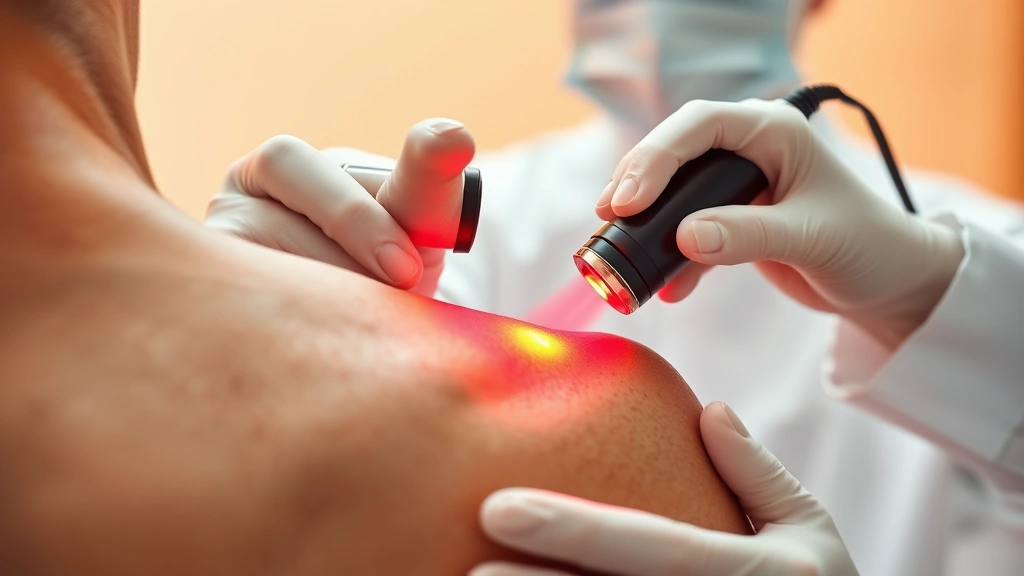
Cold laser therapy, also known as low-level laser therapy (LLLT) or photobiomodulation, has emerged as a promising therapeutic modality in recent years. This non-invasive treatment uses specific wavelengths of light to stimulate cellular activity and promote healing. Unlike surgical lasers that cut or burn tissue, a cold laser therapy device operates at lower power levels, generating minimal heat while targeting cellular processes at the mitochondrial level. The technology has gained considerable attention in sports medicine, dermatology, and pain management, yet questions persist about its efficacy and scientific backing.
The fundamental principle behind cold laser therapy involves photons penetrating tissue and interacting with chromophores, particularly cytochrome c oxidase in the mitochondrial electron transport chain. This interaction stimulates adenosine triphosphate (ATP) production, the cellular energy currency that powers healing and regeneration. Practitioners and researchers have explored applications ranging from wound healing to inflammation reduction, making it an intriguing option for patients seeking alternatives to conventional treatments. However, the clinical evidence remains mixed, with some studies showing remarkable results while others demonstrate minimal benefit.

How Cold Laser Therapy Works
Understanding the mechanism of cold laser therapy requires examining the interaction between light energy and biological tissue. When a cold laser therapy device emits photons in the red to near-infrared spectrum (typically 600-1000 nanometers), these wavelengths penetrate the skin and reach subcutaneous tissues without generating significant heat. The photons interact with mitochondrial enzymes, particularly cytochrome c oxidase in Complex IV of the electron transport chain.
This interaction accelerates electron transfer and increases mitochondrial membrane potential, leading to enhanced ATP synthesis. Higher ATP levels enable cells to function more efficiently, supporting various healing processes including collagen synthesis, angiogenesis (new blood vessel formation), and immune function. Additionally, cold laser therapy reduces inflammatory markers like tumor necrosis factor-alpha (TNF-α) and interleukin-6 (IL-6), potentially addressing pain and swelling at the source.
The effectiveness of treatment depends on several parameters: wavelength selection, power output, treatment duration, frequency, and the specific tissue being targeted. Different wavelengths penetrate to different tissue depths—shorter wavelengths (600-700 nm) primarily affect superficial tissues, while longer wavelengths (800-1000 nm) reach deeper structures like muscle and bone. This specificity allows practitioners to customize treatment based on the condition and target location.
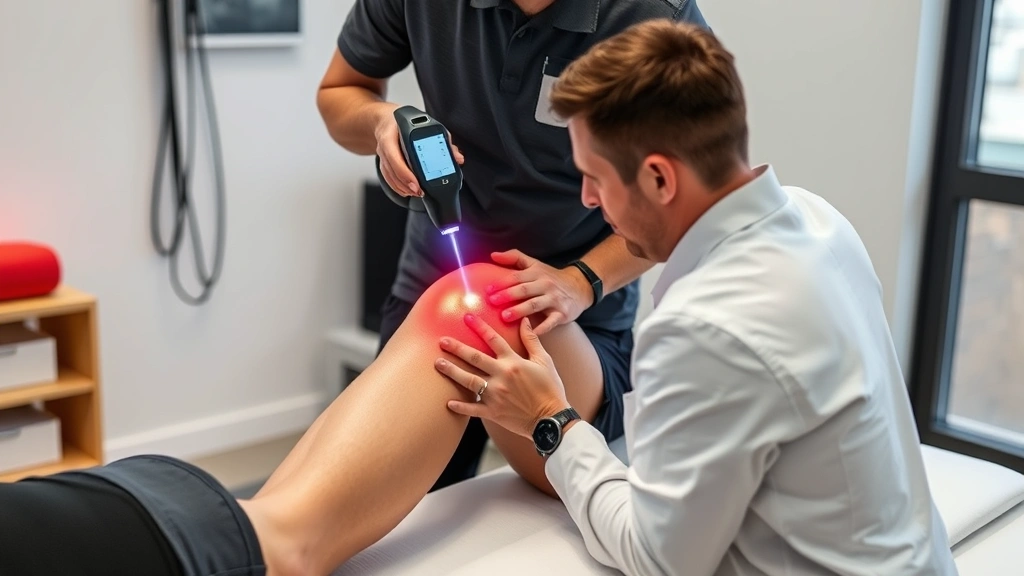
When seeking physical therapy in Los Angeles or other locations, many clinics now incorporate cold laser therapy as part of comprehensive treatment plans. The device typically requires direct skin contact or positioning just above the treatment area, with sessions lasting 5-30 minutes depending on the condition severity and device specifications.
Scientific Evidence and Research
The scientific literature on cold laser therapy presents a complex picture of efficacy. A comprehensive meta-analysis published in Lasers in Surgery and Medicine examined over 100 randomized controlled trials and found moderate evidence supporting photobiomodulation for specific conditions. However, the heterogeneity of study designs, varying parameters, and inconsistent outcome measures complicate definitive conclusions.
Research from the National Institutes of Health demonstrates that photobiomodulation shows promise for musculoskeletal pain, particularly in tendinopathy and muscle strain. Studies examining cold laser therapy for knee osteoarthritis have shown mixed results, with some demonstrating significant pain reduction and improved function, while others found minimal benefit compared to placebo.
Notably, high-quality evidence exists for specific applications. Oral mucositis prevention in cancer patients undergoing chemotherapy represents one of the strongest evidence bases for cold laser therapy. Multiple randomized trials confirm that prophylactic photobiomodulation reduces the incidence and severity of treatment-related oral ulceration. Similarly, research supports its use for temporomandibular joint (TMJ) disorders and certain dermatological conditions.
The challenge lies in that many studies suffer from methodological limitations, including small sample sizes, inadequate blinding, and failure to account for placebo effects. The heterogeneity of devices and treatment parameters makes it difficult to establish standardized protocols. Researchers from Tufts Medical Center emphasize that device specifications significantly influence outcomes, suggesting that not all cold laser therapy devices produce equivalent results.
Understanding the psychological components of health anxiety also matters when evaluating treatment efficacy, as patient expectations can influence perceived benefits independent of physiological effects.
Proven Applications and Benefits
Despite the mixed evidence overall, cold laser therapy demonstrates consistent benefits for several specific conditions. Wound healing acceleration represents one of the most documented applications, with research showing that photobiomodulation increases fibroblast activity and collagen production, potentially reducing healing time by 20-30% in certain contexts.
For musculoskeletal pain management, particularly in athletes and individuals with occupational injuries, cold laser therapy offers a non-pharmacological alternative. Studies on tennis elbow (lateral epicondylitis) and rotator cuff disorders show symptom improvement in 60-70% of treated patients, though results vary based on chronicity and severity. Incorporating cold laser therapy into a comprehensive treatment plan that includes physical therapy often yields better outcomes than monotherapy.
Dermatological applications have shown particular promise. Cold laser therapy effectively reduces the appearance of scars, stimulates collagen remodeling, and may improve certain types of alopecia (hair loss). The anti-inflammatory effects help manage acne and reduce post-inflammatory hyperpigmentation, making it valuable in aesthetic medicine.
For inflammation reduction, the mechanism involves modulating pro-inflammatory cytokines and promoting regulatory T cells. This benefit extends to conditions ranging from arthritis to post-operative inflammation. Patients often report reduced pain and improved mobility within 2-4 weeks of consistent treatment.
The treatment of temporomandibular joint dysfunction and other orofacial conditions represents another area with growing evidence. Dentists increasingly employ cold laser therapy devices for pain management, tissue regeneration following tooth extraction, and periodontal disease treatment.
Limitations and Challenges
Despite promising applications, cold laser therapy faces significant limitations that practitioners and patients should understand. Variable device quality remains a primary concern. The market includes numerous devices with vastly different specifications, and not all meet rigorous standards. Some consumer-grade devices marketed for home use may lack sufficient power or appropriate wavelengths to produce meaningful therapeutic effects.
The placebo effect significantly influences reported outcomes. Many cold laser therapy studies demonstrate substantial placebo responses, sometimes accounting for 40-50% of reported improvements. This makes distinguishing true physiological benefits from psychological expectations challenging, particularly in pain management studies where subjective reporting dominates.
Limited tissue penetration restricts applications to relatively superficial structures. Deep tissues, internal organs, and spinal cord structures remain largely inaccessible to conventional cold laser therapy devices. This limitation means the technology cannot address all musculoskeletal conditions or systemic diseases.
Inconsistent protocols create confusion about optimal treatment parameters. Variation in wavelength, power density, treatment duration, frequency, and number of sessions makes it difficult to establish standardized, evidence-based protocols. A cold laser therapy device producing excellent results in one study may prove ineffective in another due to parameter differences.
Long-term safety data remains incomplete. While short-term adverse effects are minimal, questions persist about potential retinal damage from near-infrared light exposure, particularly with higher-powered devices. Additionally, the long-term effects of chronic photobiomodulation remain understudied.
The cost of treatment represents another practical limitation. A typical course of cold laser therapy costs $300-$2,000 depending on the condition and treatment duration. Understanding therapy cost considerations helps patients make informed decisions about whether this investment aligns with evidence-based benefits for their specific condition.
Comparing Treatments
When evaluating whether cold laser therapy represents the best treatment option, comparison with alternatives proves essential. Compared to pharmaceutical interventions, cold laser therapy offers a non-invasive, drug-free approach without systemic side effects. However, pharmaceutical treatments often demonstrate faster and more reliable pain relief, particularly for acute conditions. The ideal approach may combine modalities—using cold laser therapy alongside conservative treatment while potentially reducing medication dependence.
Versus physical therapy alone, cold laser therapy may provide additive benefits when combined with exercise and manual therapy. However, evidence suggests that structured physical rehabilitation remains the foundation of treatment for most musculoskeletal conditions, with cold laser therapy serving as a complementary modality rather than a replacement.
Compared to corticosteroid injections for conditions like rotator cuff tendinopathy, cold laser therapy avoids the risks associated with steroid use, including potential tissue degeneration and systemic absorption. However, injections often provide more rapid pain relief, making them preferable for acute flare-ups requiring immediate symptom control.
For wound healing applications, cold laser therapy shows promise as an adjunct to standard wound care but should not replace proven interventions like appropriate dressing, infection prevention, and management of underlying conditions such as diabetes or vascular insufficiency. Integrating cold laser therapy into comprehensive wound management protocols often produces better outcomes than any single intervention alone.
Individuals interested in exploring various therapeutic approaches should consult resources about cognitive therapy books and other evidence-based treatment modalities to develop well-rounded understanding of available options.
Safety and Side Effects
Cold laser therapy demonstrates an excellent safety profile compared to many medical interventions. Thermal effects remain minimal, as the devices operate at low power levels insufficient to generate significant heat. Patients typically experience mild warmth or no sensation during treatment, making it comfortable for most individuals.
Photochemical reactions represent the primary mechanism, and these occur naturally in biological systems during photosynthesis and cellular metabolism. At therapeutic wavelengths and power densities, no evidence supports DNA damage or mutagenic effects, though some caution remains regarding extremely high-powered devices.
The most commonly reported adverse effects include minor skin irritation at the treatment site, temporary increased pain (occurring in 5-10% of patients during initial treatments), and rare instances of eye discomfort if proper precautions aren’t followed. Serious adverse events remain exceptionally rare in the published literature.
Contraindications include direct application over cancerous lesions, as stimulating cellular activity in malignant tissue theoretically poses risks. Additionally, patients taking photosensitizing medications or with certain conditions like porphyria require careful evaluation before treatment. Pregnant women should avoid abdominal or pelvic application, though evidence supporting this precaution remains limited.
Eye safety deserves special attention, particularly with near-infrared wavelengths that may penetrate to the retina. Practitioners should employ appropriate eye protection protocols, and patients should never direct the device toward their eyes.
Most medical organizations, including the FDA, classify cold laser therapy devices as low-risk when used appropriately, though regulatory oversight varies by jurisdiction and specific device specifications.
Frequently Asked Questions
Is cold laser therapy FDA approved?
The FDA has cleared specific cold laser therapy devices for certain applications, including pain management and wound healing. However, “cleared” differs from “approved,” meaning the device demonstrates substantial equivalence to predicate devices rather than rigorous efficacy proof. Many devices operate in regulatory gray areas, and practitioners should verify specific device clearance status.
How many treatments does someone typically need?
Treatment protocols vary widely, but typical courses involve 6-12 sessions conducted 2-3 times weekly. Acute conditions may improve within 3-6 treatments, while chronic conditions often require longer courses. Some patients benefit from maintenance treatments spaced months apart after initial improvement.
Can cold laser therapy treat deep tissue injuries?
Penetration depth limitations restrict cold laser therapy to tissues within approximately 3-5 centimeters of the skin surface, depending on wavelength. Deep muscle injuries, spinal cord damage, and internal organ conditions remain largely inaccessible. Combining cold laser therapy with other modalities like speech therapy or physical rehabilitation may optimize outcomes for various conditions.
What distinguishes quality cold laser therapy devices?
Quality devices feature specific, documented wavelengths (typically 600-1000 nm), measurable power output, consistent beam characteristics, and evidence-based treatment protocols. Reputable manufacturers provide scientific literature supporting their specifications, while consumer-grade devices often lack rigorous specification documentation.
How does cold laser therapy compare to red light therapy?
These terms often overlap, with red light therapy typically referring to wavelengths in the 600-700 nm range, while cold laser therapy encompasses broader wavelength ranges. The distinction involves precision and power delivery—laser devices produce coherent, collimated light, while LED-based red light therapy produces non-coherent light. Both stimulate similar cellular mechanisms, though laser devices may penetrate more effectively.
Can cold laser therapy replace pain medication?
While cold laser therapy may reduce pain and potentially decrease medication dependence, it should not abruptly replace pain medications without medical supervision. Instead, it may enable gradual medication reduction as symptoms improve, particularly when combined with physical therapy and lifestyle modifications. Patients should discuss integration strategies with their healthcare providers.
Is cold laser therapy effective for chronic pain conditions?
Evidence for chronic pain remains mixed. Some patients report sustained improvement, while others experience temporary relief. The heterogeneity of chronic pain conditions and individual variation in response complicate generalization. Consulting the MindLift Daily Blog and other evidence-based resources helps patients understand realistic expectations.
Cold laser therapy represents a fascinating intersection of physics, biology, and clinical medicine. While the technology shows genuine promise for specific applications—particularly wound healing, certain musculoskeletal conditions, and oral complications of cancer treatment—the broader claims often exceed current evidence. The technology works best as a complementary modality integrated into comprehensive treatment plans rather than a standalone cure-all. As research continues and device standardization improves, our understanding of cold laser therapy’s true clinical value will likely become clearer, enabling more precise patient selection and treatment optimization.