
Does Coffee Therapy Work? Expert Insights on Caffeine and Mental Wellness
Coffee has become more than just a morning ritual for millions of people worldwide—it’s evolved into a concept some refer to as “coffee therapy.” But what exactly is coffee therapy, and does the science actually support its therapeutic claims? In this comprehensive guide, we’ll explore the intersection of caffeine consumption, mental health, and wellness practices to determine whether your daily cup of coffee can genuinely serve therapeutic purposes.
The idea of coffee therapy extends beyond simply enjoying a beverage. It encompasses the ritualistic, social, and biochemical aspects of coffee consumption, suggesting that coffee can provide psychological comfort, improve cognitive function, and support overall mental well-being. However, distinguishing between marketing claims and evidence-based benefits requires a careful examination of current research.

What Is Coffee Therapy?
Coffee therapy is an informal wellness practice that recognizes coffee consumption as a therapeutic tool for mental and physical health. Unlike traditional therapy resources, coffee therapy doesn’t involve a licensed professional but rather focuses on the intentional, mindful consumption of coffee to support emotional and cognitive well-being.
The concept combines several elements: the stimulating effects of caffeine on the central nervous system, the comforting ritual of brewing and sipping a warm beverage, and the social bonding that often accompanies coffee consumption. Proponents suggest that these combined factors can create a holistic therapeutic experience that supports mental clarity, mood improvement, and stress relief.
It’s important to clarify that coffee therapy should not replace evidence-based professional mental health treatment. Rather, it can be viewed as a complementary wellness practice that may enhance overall well-being when combined with appropriate therapeutic interventions. Understanding the distinction between supplementary wellness practices and clinical treatment is crucial for making informed health decisions.
The Science Behind Caffeine and Mental Health
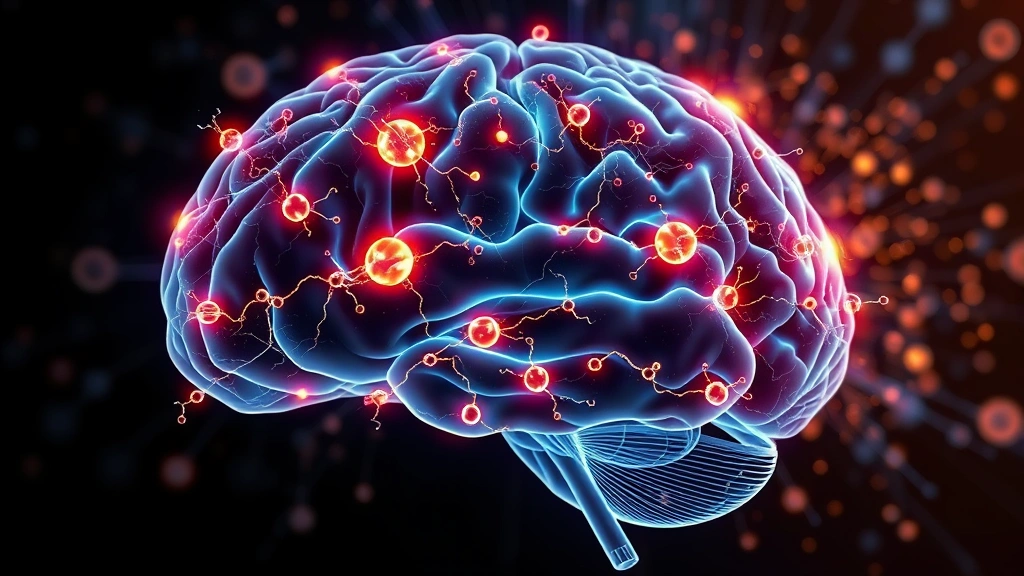
Caffeine is a psychoactive alkaloid that works by blocking adenosine receptors in the brain. Adenosine is a neurotransmitter that promotes sleepiness and relaxation. When caffeine blocks these receptors, it prevents the sensation of fatigue and increases alertness. This mechanism is well-documented in neuroscience research and forms the foundation of caffeine’s therapeutic potential.
According to research published by the National Institutes of Health, moderate caffeine consumption (around 200-400 mg daily, equivalent to 2-4 cups of coffee) has been associated with various cognitive and mood benefits. The research demonstrates that caffeine increases dopamine and norepinephrine levels, neurotransmitters directly linked to mood regulation, motivation, and focus.
However, caffeine’s effects are highly individual. Genetic variations in how people metabolize caffeine mean that some individuals experience significant benefits while others may experience anxiety or sleep disruption. A study from Frontiers in Psychology found that caffeine sensitivity is influenced by genetic polymorphisms in the CYP1A2 gene, which encodes the enzyme responsible for caffeine metabolism.
The relationship between caffeine and mental health is dose-dependent and context-dependent. While moderate consumption shows promise, excessive intake can lead to anxiety, jitteriness, and sleep disturbances that actually worsen mental health outcomes. Understanding your personal caffeine tolerance is essential for maximizing any potential therapeutic benefits.
Cognitive Benefits of Coffee Consumption
One of the most well-supported claims about coffee consumption is its ability to enhance cognitive function. Numerous studies have demonstrated that caffeine improves attention, processing speed, working memory, and overall mental performance. These cognitive enhancements can have meaningful impacts on productivity and mental clarity.
Research from the American Psychological Association indicates that caffeine consumption leads to improved performance on tasks requiring sustained attention and rapid information processing. The typical peak effect occurs 30-60 minutes after consumption and can last 3-5 hours depending on individual metabolism.
For individuals struggling with mental fatigue or cognitive sluggishness, coffee can provide temporary relief. This is particularly valuable for those dealing with conditions that affect concentration, such as attention deficit disorder or depression-related cognitive impairment. However, it’s crucial to note that coffee addresses symptoms rather than underlying causes and should complement, not replace, appropriate clinical interventions.
The cognitive benefits extend to creative thinking and problem-solving abilities. Some research suggests that moderate caffeine consumption enhances divergent thinking, the cognitive process involved in generating creative solutions. This makes coffee potentially valuable for professional and academic pursuits requiring innovation and complex thinking.
Mental Health and Mood Enhancement
Beyond cognitive function, coffee’s potential impact on mood and emotional well-being represents a significant aspect of coffee therapy. The neurochemical changes induced by caffeine—particularly increased dopamine and serotonin levels—can produce mood-elevating effects for many individuals.
Research has identified an interesting correlation between moderate coffee consumption and reduced risk of depression. A large-scale study published in a leading psychiatric journal found that individuals consuming 2-4 cups of coffee daily had a lower incidence of depression compared to non-coffee drinkers. While correlation doesn’t establish causation, the findings suggest a potential protective effect.
The ritual aspect of coffee consumption also contributes to its therapeutic potential. The act of taking a break, preparing coffee mindfully, and allowing yourself a moment of calm can serve as a form of informal meditation or stress relief. This ritualistic component is particularly important when considering the holistic benefits of coffee therapy.
However, individuals with anxiety disorders or panic disorder should approach coffee with caution. For these populations, caffeine can exacerbate symptoms and trigger anxiety episodes. Consulting with a mental health professional before using coffee as a therapeutic tool is advisable for anyone with a history of anxiety.
The Social and Ritual Aspects
One of the most underestimated therapeutic components of coffee is its social dimension. Coffee consumption is inherently social—people meet for coffee, discuss important matters over coffee, and build relationships around coffee culture. This social context contributes significantly to the overall therapeutic experience.
The ritual of coffee preparation itself can be therapeutic. The sensory experience—the aroma, the warmth of the cup, the taste—engages multiple sensory systems and can induce a state of mindfulness. This is particularly true when coffee consumption is approached intentionally rather than as a rushed, unconscious habit.
Social connection is a fundamental human need and a critical factor in mental health and resilience. Meeting friends or colleagues for coffee provides opportunities for meaningful conversation, support, and belonging. These social interactions have documented mental health benefits that extend far beyond the biochemical effects of caffeine.
This social aspect makes coffee therapy particularly relevant as a complement to other alternative wellness practices. While traditional speech therapy and physical therapy treatment serve specific clinical purposes, coffee therapy operates in the wellness and prevention space, supporting overall quality of life.
Potential Risks and Considerations
While coffee offers potential benefits, it’s not universally beneficial and comes with important considerations. Excessive caffeine consumption can lead to dependence, tolerance, and withdrawal symptoms. Regular users who suddenly stop consuming coffee often experience headaches, fatigue, and difficulty concentrating for several days.
Certain populations should be particularly cautious with coffee consumption. Pregnant women are advised to limit caffeine intake due to potential risks to fetal development. Individuals with heart conditions, high blood pressure, or arrhythmias should consult healthcare providers before using coffee therapeutically. Additionally, children and adolescents have lower caffeine tolerance and should consume significantly less than adults.
Coffee can interfere with sleep quality, even when consumed many hours before bedtime in sensitive individuals. Poor sleep has cascading negative effects on mental health, mood, and cognitive function, potentially negating any therapeutic benefits from caffeine itself. Finding the right timing for coffee consumption is crucial for maximizing benefits while minimizing risks.
The quality and preparation method of coffee matters significantly. Unfiltered coffee contains diterpenes that can raise cholesterol levels. Adding excessive sugar and cream can contribute to metabolic issues and mood instability from blood sugar fluctuations. Choosing high-quality, minimally processed coffee and consuming it black or with minimal additives optimizes the therapeutic potential.
Coffee Therapy vs Traditional Mental Health Treatment
It’s essential to establish clear boundaries between coffee therapy as a wellness practice and evidence-based mental health treatment. While coffee may support mood and cognition, it cannot treat clinical depression, anxiety disorders, bipolar disorder, or other serious mental health conditions.
Professional mental health treatment involves comprehensive assessment, diagnosis, and evidence-based interventions such as psychotherapy, medication, or behavioral interventions. These approaches have been rigorously tested and proven effective for treating mental health disorders. Coffee therapy, by contrast, operates at the wellness level and can only serve as a complementary practice.
For individuals experiencing significant mental health challenges, seeking appropriate professional care should be the priority. Coffee can be incorporated as part of a comprehensive wellness strategy that supports overall health, but it should never replace professional treatment. The best approach combines evidence-based clinical care with supportive lifestyle practices, which may include mindful coffee consumption.
Interestingly, some therapeutic contexts do incorporate coffee or tea into treatment protocols. Occupational therapists might use coffee preparation as a therapeutic activity, and occupational therapy professionals recognize the value of daily rituals in mental health. This represents an integration of coffee therapy principles within a broader clinical framework.
Optimizing Coffee for Therapeutic Benefits
If you’re interested in utilizing coffee as part of your wellness routine, several strategies can optimize its therapeutic potential. First, establish a consistent consumption pattern—typically 1-3 cups daily, consumed earlier in the day to avoid sleep disruption. This consistency allows your body to maintain benefits without developing excessive tolerance.
Practice mindful coffee consumption. Rather than rushing through your coffee, take time to appreciate the sensory experience. Notice the aroma, the warmth, the taste. Use this as an opportunity for a brief meditation or reflection. This intentional approach amplifies the therapeutic benefits beyond the biochemical effects of caffeine.
Consider timing strategically. Most people experience optimal cognitive benefits 30-60 minutes after consumption. Schedule coffee consumption before tasks requiring focus and attention. Avoid consuming coffee after 2-3 PM to protect sleep quality, unless you have a particularly long workday requiring sustained alertness.
Pay attention to your individual response. Keep a simple journal noting your mood, energy, and anxiety levels in relation to coffee consumption. This helps identify whether coffee is genuinely beneficial for your mental health or whether it’s creating problems. Individual responses vary significantly, and what works for others may not work for you.
Combine coffee with other wellness practices. Coffee therapy works best as part of a comprehensive approach that includes regular exercise, adequate sleep, healthy nutrition, social connection, and professional mental health care when needed. No single practice, including coffee consumption, can substitute for a holistic approach to mental wellness.
FAQ
Is coffee therapy a recognized clinical treatment?
No, coffee therapy is not a formal clinical treatment recognized by mental health organizations. It’s a wellness practice that some individuals use to support mental health, but it should never replace professional treatment for mental health conditions. Clinical treatments are evidence-based interventions delivered by licensed professionals.
How much coffee is safe to consume daily?
Most health organizations recommend limiting caffeine to 400 mg daily for adults, equivalent to about 4 cups of brewed coffee. However, individual tolerance varies significantly based on genetics, body weight, medications, and health conditions. Some people feel better with less, while others tolerate more without negative effects.
Can coffee help with depression?
Coffee may provide temporary mood support through its effects on dopamine and serotonin. Some research suggests moderate consumption is associated with lower depression risk. However, coffee cannot treat clinical depression. Anyone experiencing depression should seek professional mental health care, which may include therapy, medication, or both.
Will coffee therapy work for everyone?
No. Individual responses to caffeine vary significantly based on genetics, sensitivity, health status, and medications. Some people experience significant benefits while others experience anxiety, jitteriness, or sleep disruption. It’s important to assess your personal response and consult healthcare providers if you have concerns.
Can I become addicted to coffee?
Caffeine can create physical dependence, though it’s not considered addiction in the clinical sense. Regular users who stop suddenly may experience withdrawal symptoms including headaches, fatigue, and difficulty concentrating. These symptoms typically resolve within a few days. Gradually reducing consumption rather than quitting abruptly minimizes withdrawal effects.
Is coffee therapy suitable for children?
Children have lower caffeine tolerance than adults and should consume significantly less or avoid caffeine altogether. Pediatricians generally recommend that children under 12 avoid caffeine, and adolescents limit consumption to minimal amounts. Always consult with pediatric healthcare providers about appropriate caffeine consumption for children.