
How Children’s Therapy Networks Boost Wellbeing
Children’s therapy networks represent a comprehensive ecosystem of interconnected mental health, developmental, and behavioral support systems designed to address the multifaceted needs of young individuals. These networks bring together therapists, counselors, educators, parents, and community resources to create a coordinated approach that significantly enhances child wellbeing. Rather than operating in isolation, modern therapy networks function as collaborative platforms where professionals share insights, coordinate care, and develop personalized treatment strategies that acknowledge each child’s unique circumstances.
The effectiveness of children’s therapy networks lies in their ability to provide holistic, accessible, and evidence-based interventions. When properly structured, these networks reduce fragmentation in care, minimize gaps in service delivery, and ensure that children receive consistent support across different environments—home, school, and clinical settings. Research demonstrates that integrated therapy approaches yield better outcomes than siloed interventions, with children showing improved emotional regulation, enhanced social skills, and greater academic performance.

Understanding Children’s Therapy Networks
A children’s therapy network functions as an interconnected system where multiple therapeutic disciplines and support services work synergistically. These networks encompass various specializations including speech therapy services, behavioral interventions, occupational therapy, counseling, and psychiatric care. The fundamental principle underlying these networks is that child development involves multiple dimensions—cognitive, emotional, physical, and social—that require coordinated attention.
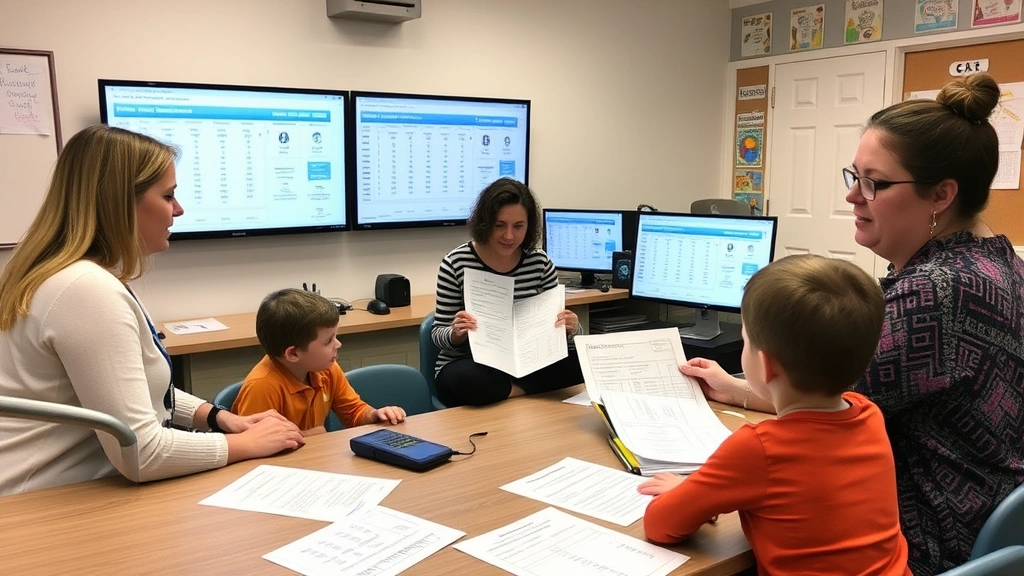
The structure of effective children’s therapy networks typically includes primary care coordinators who serve as information hubs, ensuring seamless communication between different service providers. These coordinators maintain comprehensive profiles of each child’s progress, therapeutic goals, and intervention strategies. This centralized approach prevents duplication of efforts and ensures that all professionals working with a child understand the complete clinical picture.
Research from the American Psychological Association indicates that coordinated care models improve treatment adherence and client satisfaction significantly. Children benefit psychologically from knowing that multiple adults invested in their wellbeing are communicating and collaborating rather than working independently.
Core Components of Effective Networks
Successful children’s therapy networks incorporate several essential elements that work together to maximize therapeutic impact. Understanding these components helps parents and professionals appreciate why network-based approaches outperform fragmented service delivery.
Professional Collaboration: The foundation of any effective network is genuine collaboration among diverse professionals. This includes licensed therapists, clinical psychologists, social workers, and medical specialists who regularly communicate about shared clients. Regular case conferences, shared electronic health records, and collaborative treatment planning sessions ensure alignment across all interventions.
Family Involvement: Parents and guardians serve as crucial network participants, not merely as recipients of information. Family-centered therapy networks recognize that parents possess invaluable insights into their child’s behavior, triggers, and strengths. When families actively participate in treatment planning and receive training in therapeutic techniques, outcomes improve dramatically.
School Integration: Since children spend significant time in educational settings, schools form vital network nodes. Coordination between school counselors, special education specialists, and clinical therapists ensures consistency in behavioral expectations and therapeutic approaches. This integration prevents children from receiving contradictory guidance across environments.
Community Resources: Comprehensive networks extend beyond clinical settings to include community organizations, recreational programs, and peer support groups. These resources provide children with opportunities for social connection, skill development, and normalized experiences that complement formal therapy.
Mental Health Benefits for Children
Children’s therapy networks directly address mental health challenges through coordinated, evidence-based interventions. The prevalence of childhood anxiety, depression, and behavioral disorders has increased significantly, making robust support systems essential.
When children access services through coordinated networks, they experience several measurable mental health improvements. Emotional regulation develops more effectively when multiple caregivers reinforce consistent coping strategies. Rather than learning different techniques from different providers, children internalize unified approaches that generalize across situations. This consistency accelerates skill development and reduces confusion.
Anxiety reduction occurs more rapidly in network settings because therapists can coordinate exposure therapy, cognitive restructuring, and environmental modifications simultaneously. A child receiving therapy services benefits enormously when teachers implement anxiety management strategies taught by the clinical therapist, and parents reinforce these techniques at home.
Self-esteem enhancement happens naturally when children feel supported by multiple adults who demonstrate genuine investment in their success. Network approaches emphasize strengths-based interventions where professionals intentionally highlight each child’s competencies and progress. This strengths-focused perspective counters the deficit narratives that often accompany mental health challenges.
Crisis prevention and intervention improves substantially through network connectivity. When professionals maintain regular contact and share information, warning signs receive prompt attention. Early intervention prevents crises that might otherwise require hospitalization or intensive services.
Developmental Support and Growth
Children’s therapy networks facilitate optimal developmental trajectories by addressing delays and supporting advancement across all developmental domains. Whether children face speech and language challenges, motor skill deficits, or cognitive delays, coordinated networks provide systematic support.
Physical therapy interventions integrate seamlessly with other therapeutic services in network settings. A child receiving physical therapy for motor development also benefits from occupational therapy addressing fine motor skills and self-care independence. Therapists coordinate their goals, share progress data, and modify approaches based on each other’s observations.
Developmental screening within network structures identifies delays early, enabling prompt intervention during critical developmental windows. Research consistently demonstrates that early intervention produces superior outcomes compared to delayed treatment initiation. Network-based screening protocols ensure that children receive comprehensive evaluations assessing multiple developmental domains rather than isolated assessments.
Language and communication development receives particular attention in coordinated networks. Therapy professionals specializing in speech and language pathology coordinate with educators and parents to create communication-rich environments that support language growth. When everyone in a child’s life understands their communication needs and implements consistent strategies, language development accelerates.
Cognitive development progresses optimally when therapeutic interventions align with educational instruction. Network coordination ensures that therapeutic techniques used to develop executive functioning, working memory, and problem-solving skills receive reinforcement in academic contexts.
Integration Across Settings
One of the most significant advantages of children’s therapy networks is their ability to create consistency across multiple environments. Children navigate complex social-emotional landscapes involving home, school, extracurricular activities, and clinical settings. When these environments operate disconnectedly, children receive mixed messages and struggle to generalize skills across contexts.
Integrated networks establish unified behavioral expectations and therapeutic strategies across settings. A child learning emotional regulation skills in therapy sessions applies these techniques in classroom situations because teachers have received training and consultation from the therapist. Parents implement similar strategies at home, creating a cohesive therapeutic environment.
This integration particularly benefits children with behavioral challenges or developmental delays who require consistent environmental structure. Rather than experiencing different expectations and consequences in different settings, integrated approaches provide predictable, supportive environments everywhere.
Documentation systems within networks enable seamless information sharing. When a child demonstrates progress during therapy, educators immediately learn about this progress and can build upon it. Conversely, when a child struggles academically, therapists understand the educational context and can address underlying emotional or developmental factors.
Accessibility and Equity Considerations
While children’s therapy networks offer tremendous benefits, ensuring equitable access requires intentional design and resource allocation. Network structures can either amplify or mitigate existing healthcare disparities.
Effective networks address accessibility barriers by offering services in diverse formats and locations. Virtual therapy options expand reach to rural and underserved communities. Local therapy resources become more accessible when networks coordinate to reduce wait times and offer flexible scheduling. Evening and weekend services accommodate working families who struggle with daytime appointments.
Cultural competence within networks ensures that interventions respect diverse family structures, values, and communication styles. Culturally responsive networks employ bilingual staff, partner with community organizations serving specific populations, and adapt evidence-based interventions to align with cultural contexts.
Financial accessibility represents another critical equity consideration. Networks that coordinate insurance navigation, offer sliding scale fees, and advocate for insurance coverage reduce financial barriers to care. When families spend less time managing insurance and financial logistics, they invest more energy in therapeutic engagement.
Transportation coordination through network resources addresses a frequently overlooked barrier. Families struggling with transportation often miss appointments, disrupting therapeutic progress. Networks providing transportation assistance or telehealth options remove this obstacle.
Technology’s Role in Network Expansion
Modern technology enables children’s therapy networks to function more efficiently and reach broader populations. Digital platforms facilitate communication, data sharing, and service delivery across geographic distances.
Electronic health record systems specifically designed for integrated care networks enable real-time information access. Authorized professionals can review assessment results, treatment plans, and progress notes instantly. This accessibility ensures that care remains coordinated even when providers work in different organizations.
Teletherapy platforms expand network reach significantly. Children in rural areas access specialists who might otherwise be unavailable locally. Families with transportation challenges participate in therapy from home. Research on digital mental health interventions demonstrates effectiveness comparable to in-person therapy for many conditions, particularly when combined with occasional face-to-face contact.
Data analytics help networks identify service gaps and optimize resource allocation. By analyzing patterns in referrals, wait times, and outcomes, networks can adjust staffing and service offerings to better serve their populations. Predictive analytics identify children at risk for mental health challenges, enabling early intervention.
Parent portals and mobile applications enhance family engagement. Parents receive updates on therapy progress, access psychoeducational resources, and communicate with providers through secure platforms. This digital engagement maintains therapeutic momentum between sessions.
Measuring Success and Outcomes
Accountability within children’s therapy networks requires systematic outcome measurement. Effective networks establish clear metrics assessing both individual child progress and network-level effectiveness.
Individual progress metrics track changes in symptoms, skill development, and functional improvement. Standardized assessment tools administered regularly provide objective data on therapeutic efficacy. Networks compare outcomes across different providers and intervention types, identifying which approaches work best for specific presentations.
Network-level metrics assess coordination quality, accessibility, and satisfaction. Measures include average time from referral to first appointment, percentage of families reporting good communication between providers, and overall satisfaction ratings. These metrics guide continuous improvement efforts.
Long-term follow-up data reveals lasting impact. Networks tracking children into adulthood document whether early intervention produces sustained benefits. This longitudinal perspective helps networks understand their ultimate impact on life trajectories.
Cost-effectiveness analysis demonstrates network value. When coordinated care reduces emergency department visits, hospitalizations, and special education placements, significant costs are avoided. Networks quantifying these savings can advocate effectively for funding and support broader adoption.
FAQ
What is a children’s therapy network?
A children’s therapy network is a coordinated system of interconnected mental health, developmental, and behavioral support services working together to address children’s comprehensive wellbeing needs. These networks integrate services across clinical, educational, and community settings.
How do therapy networks improve outcomes compared to individual therapy?
Coordinated networks provide consistency across environments, prevent service duplication, reduce gaps in care, and enable comprehensive treatment planning. When multiple professionals collaborate effectively, children receive unified support that accelerates progress and improves generalization of skills.
Who participates in children’s therapy networks?
Networks include licensed therapists, psychologists, social workers, school personnel, medical professionals, parents, community organizations, and the children themselves. Effective networks recognize that diverse perspectives and expertise enhance outcomes.
How does technology improve network functioning?
Technology enables secure information sharing, facilitates remote service delivery, supports data-driven decision-making, and enhances family engagement. Digital platforms make networks more efficient and accessible while maintaining confidentiality and security.
How can families access children’s therapy networks?
Families typically access networks through primary care physicians, school referrals, or direct contact with network providers. Therapy resource information helps families understand available options. Insurance coverage often facilitates access through network providers.
What outcomes should families expect from network-based therapy?
Families can expect improved emotional regulation, enhanced social skills, better academic performance, reduced behavioral challenges, and increased confidence. Timeline varies depending on the child’s needs, but coordinated networks typically demonstrate measurable progress within 8-12 weeks.
How do networks ensure cultural competence?
Effective networks employ diverse staff, provide cultural competency training, partner with community organizations, and adapt interventions to align with family values and cultural contexts. This intentional approach ensures services remain relevant and respectful.