How Mindfulness Aids Recovery: Expert Insights from Physical Therapy Centers
The integration of mindfulness practices into physical therapy represents a transformative shift in how healthcare professionals approach patient recovery. At leading therapy resources centers, clinicians increasingly recognize that the mind-body connection plays a crucial role in healing outcomes. Mindfulness—the practice of present-moment awareness without judgment—has emerged as a powerful complement to traditional therapeutic interventions, helping patients navigate pain, accelerate rehabilitation, and rebuild confidence in their bodies.
Recovery from injury or surgery extends far beyond mechanical restoration of movement and strength. Patients often experience psychological barriers including fear-avoidance behaviors, anxiety about re-injury, and depression related to physical limitations. Mindfulness-based approaches address these emotional dimensions while simultaneously enhancing the physical rehabilitation process. Research demonstrates that patients who incorporate mindfulness into their recovery protocols experience reduced pain perception, improved adherence to therapy exercises, and faster functional restoration compared to conventional treatment alone.

Understanding Mindfulness in Therapeutic Practice
Mindfulness represents a fundamental shift in consciousness—a deliberate cultivation of non-judgmental awareness of present-moment experiences. Unlike meditation, which can have various spiritual or relaxation goals, mindfulness specifically emphasizes observing thoughts, sensations, and emotions without attempting to change or suppress them. In the context of physical therapy, this practice becomes particularly valuable because patients undergoing rehabilitation must navigate complex sensations, discomfort, and the psychological challenge of gradual progress.
At a center for physical therapy, mindfulness serves multiple therapeutic functions. It helps patients develop a different relationship with pain—not fighting or resisting it, but observing it with curiosity and acceptance. This shift in perspective often reduces the emotional suffering associated with pain, which comprises a significant component of the overall pain experience. Additionally, mindfulness cultivates body awareness, allowing patients to recognize subtle improvements in movement, flexibility, and strength that might otherwise go unnoticed.
The philosophical foundation of mindfulness draws from centuries of contemplative traditions, but modern applications in clinical settings rely on empirical validation. Organizations like the center for physical therapy treatment for cerebral palsy have documented how mindfulness-based interventions improve outcomes across diverse patient populations, from acute injury recovery to chronic condition management.
The Neuroscience Behind Mindfulness and Physical Recovery
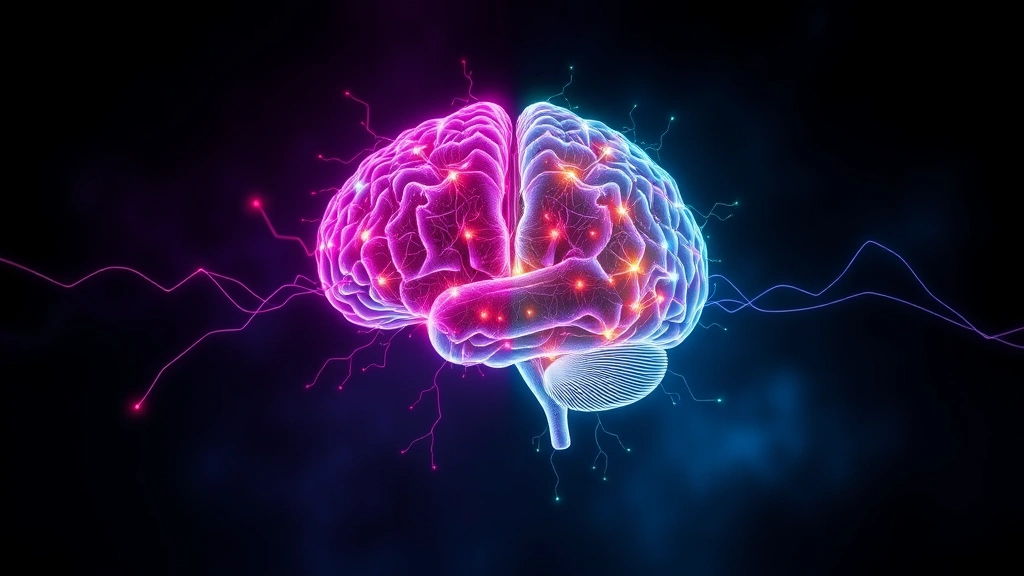
Contemporary neuroscience reveals that mindfulness produces measurable changes in brain structure and function that directly support physical recovery. Functional MRI studies demonstrate that regular mindfulness practice increases gray matter density in brain regions associated with emotional regulation, self-awareness, and pain processing. The anterior cingulate cortex and insula—areas crucial for interoception (sensing internal bodily states)—show enhanced activation in individuals who practice mindfulness regularly.
These neurological changes translate into tangible recovery benefits. When patients practice mindfulness, they strengthen neural pathways involved in attention regulation, which enhances their ability to focus on rehabilitation exercises with greater precision and intentionality. Simultaneously, mindfulness reduces activity in the default mode network—the brain system associated with mind-wandering and rumination—which often amplifies pain perception and anxiety.
Research published in leading neuroscience journals demonstrates that mindfulness activates the parasympathetic nervous system, the body’s “rest and digest” response. This activation reduces cortisol and other stress hormones that impede healing and can perpetuate chronic pain cycles. For patients recovering from significant injuries, this physiological shift proves invaluable. The combination of reduced inflammation, improved sleep quality, and enhanced immune function creates an optimal biological environment for tissue repair and functional restoration.
Key neurological benefits include:
- Increased gray matter in pain-processing regions, reducing pain intensity perception
- Enhanced prefrontal cortex activation, improving emotional regulation and decision-making
- Reduced amygdala reactivity, lowering fear and anxiety responses
- Improved interoceptive accuracy, enabling better body awareness during therapy
- Strengthened neural connections supporting attention and focus
Mindfulness Techniques Used in Physical Therapy
Progressive centers for physical therapy employ diverse mindfulness techniques tailored to individual patient needs and recovery stages. These evidence-based practices range from brief focused exercises to comprehensive mindfulness-based stress reduction (MBSR) programs. Understanding these techniques helps patients recognize how mindfulness integrates seamlessly into their therapeutic journey.
Body Scan Meditation represents one of the most accessible mindfulness techniques for therapy patients. This practice involves systematically directing attention through different body regions, observing sensations without judgment. For someone recovering from lower limb injury, a body scan might reveal subtle differences in sensation between the healing limb and the unaffected side—progress that reinforces motivation. Physical therapists often guide brief body scans (5-10 minutes) at the beginning or end of therapy sessions.
Breath Awareness Practices anchor patients in the present moment while simultaneously activating the parasympathetic nervous system. Simple techniques like diaphragmatic breathing—consciously deepening breath into the belly—reduce anxiety and prepare the body for therapeutic work. Many pediatric physical therapy programs incorporate age-appropriate breathing exercises that children find engaging and easily remember.
Mindful Movement combines gentle motion with present-moment awareness, creating a bridge between traditional meditation and active rehabilitation. Practices like tai chi and qigong, which emphasize slow, deliberate movement coordinated with breath, have demonstrated significant benefits for balance, proprioception, and confidence in patients recovering from falls or neurological conditions. These practices prove particularly valuable for older adults transitioning back to independent mobility.
Pain Observation Techniques teach patients to observe pain sensations with scientific curiosity rather than emotional reactivity. Rather than thinking “this pain is unbearable,” patients learn to notice the specific quality, location, and variation of sensations. This cognitive reframing often reduces suffering even when pain sensation persists, a crucial distinction for chronic pain management.
Pain Management Through Mindful Awareness
Pain represents one of the most significant barriers to successful rehabilitation. Traditional approaches often rely heavily on pharmaceutical management, which carries risks of dependency and side effects. Mindfulness offers a complementary strategy that addresses pain’s psychological and emotional dimensions while supporting neurological healing processes.
The experience of pain comprises multiple components: the actual tissue damage or sensory input (nociception), the brain’s interpretation of that signal (pain perception), and the emotional and cognitive responses to pain (suffering). Mindfulness primarily influences the latter two components. By teaching patients to observe pain without resistance or catastrophizing, mindfulness practitioners reduce the suffering component while maintaining realistic awareness of physical limitations.
Research from the National Institutes of Health demonstrates that mindfulness-based pain management produces brain changes similar to morphine administration, yet without pharmaceutical risks. This neurological equivalence reflects how powerfully the mind influences pain experience.
For patients at a center for physical therapy managing post-surgical pain, mindfulness provides tools for navigating the difficult early recovery phases when pain medication may be limited and patients must gradually increase activity. Rather than white-knuckling through discomfort, mindfulness-trained patients develop equanimity—a balanced, non-reactive awareness that paradoxically makes pain more tolerable.
Practical pain management strategies include:
- Noticing pain sensations with descriptive language (sharp, throbbing, warm) rather than judgmental language (terrible, unbearable)
- Observing how pain fluctuates moment-to-moment rather than assuming it remains constant
- Distinguishing between pain sensation and emotional suffering
- Using breath as an anchor during pain episodes to maintain calm nervous system state
- Recognizing pain as information about the body rather than a threat requiring fear response
Building Psychological Resilience During Rehabilitation
Physical recovery intertwines inseparably with psychological well-being. Patients facing significant rehabilitation often experience depression, anxiety, and identity disruption related to temporary or permanent functional limitations. Mindfulness-based approaches directly address these psychological challenges while supporting the mental resilience necessary for sustained therapeutic engagement.
Fear-avoidance represents a particularly destructive psychological pattern in rehabilitation. When patients fear that movement will cause re-injury, they restrict activity excessively, leading to deconditioning and prolonged disability. Mindfulness helps patients distinguish between legitimate physical limitations and fear-based avoidance. By observing anxious thoughts without automatically believing them, patients can gradually expand their activity tolerance with confidence.
Depression frequently accompanies serious injury or surgery, particularly when recovery extends beyond expected timelines. The combination of pain, activity restriction, and identity disruption creates vulnerability to depressive episodes. Mindfulness-based cognitive therapy (MBCT), originally developed for depression relapse prevention, proves effective in rehabilitation contexts. This approach teaches patients to recognize rumination patterns and shift attention to present-moment experience, interrupting the thought cycles that perpetuate depression.
Therapists working in programs like occupational therapy for kids increasingly recognize that psychological factors significantly influence outcomes. Children and adolescents recovering from injury benefit tremendously from mindfulness tools that help them process fear, manage frustration with gradual progress, and maintain motivation during extended rehabilitation.
Mindfulness in Specialized Therapy Programs
Different patient populations and diagnoses benefit from mindfulness-based approaches tailored to their specific circumstances. Specialized therapy programs integrate mindfulness strategically to address the unique psychological and physical challenges associated with particular conditions.
Neurological Recovery Programs utilize mindfulness to enhance neuroplasticity and motor relearning. Patients recovering from stroke or traumatic brain injury benefit from the enhanced body awareness and attention control that mindfulness develops. The combination of focused attention practice and deliberate motor practice optimizes the brain’s capacity to establish new neural pathways supporting function.
Chronic Pain Management Programs employ mindfulness as a central intervention for patients with persistent pain conditions. Therapy goals for chronic pain increasingly emphasize functional restoration and quality-of-life improvement rather than complete pain elimination, and mindfulness directly supports these realistic objectives.
Orthopedic Rehabilitation Programs integrate mindfulness particularly during the intermediate and advanced phases of recovery when patients must overcome psychological barriers to increased loading and activity. Athletes recovering from significant injuries benefit from mindfulness techniques that enhance focus, manage performance anxiety, and accelerate return-to-sport confidence.
Pediatric and Adolescent Programs adapt mindfulness techniques to developmental levels. Programs like speech therapy for toddlers and pediatric rehabilitation increasingly incorporate mindfulness principles, recognizing that children develop more adaptive coping strategies when introduced to these tools early.
Implementing Mindfulness at Your Center for Physical Therapy
Healthcare systems and independent practices considering mindfulness integration should approach implementation thoughtfully, ensuring clinical rigor and proper training. Successful implementation requires infrastructure, staff education, and patient education components.
Staff Training Requirements represent the foundation of effective mindfulness integration. Physical therapists, occupational therapists, and assistants benefit from comprehensive training in mindfulness principles, personal practice experience, and clinical application strategies. Many professional organizations now offer continuing education certifications in mindfulness-based clinical practice.
Patient Screening and Assessment ensure mindfulness recommendations align with individual patient needs and psychological status. While mindfulness benefits most patients, those with certain psychiatric conditions may require modified approaches or concurrent mental health support. Thoughtful screening prevents adverse effects and optimizes outcomes.
Integration Strategies vary based on practice setting and resources. Some centers dedicate specific sessions to mindfulness-based interventions, while others weave mindfulness principles throughout all therapy sessions. Brief guided practices (5-15 minutes) prove effective and accommodate busy clinical schedules. Home practice programs extend benefits beyond the clinic environment.
Technology Support enhances mindfulness accessibility. Therapy centers increasingly utilize apps, audio recordings, and virtual guided practices that patients access independently. These tools extend the therapeutic relationship beyond in-person sessions and support consistent practice habits.
Patient Success Stories and Outcomes
Real-world evidence demonstrates mindfulness’s transformative impact on recovery outcomes. Patients who incorporate mindfulness into rehabilitation consistently report superior functional restoration, reduced pain, improved mood, and faster return to meaningful activities.
One compelling example involves an athlete recovering from anterior cruciate ligament reconstruction. Initial post-surgical depression and fear-avoidance significantly delayed progress. After beginning mindfulness-based rehabilitation, the patient developed equanimity toward pain sensations and gradually expanded activity tolerance. Combined with conventional physical therapy, mindfulness practices accelerated return-to-sport timeline by several weeks and improved confidence in knee stability.
Another case involved an older adult recovering from hip fracture. Chronic pain and depression threatened to consign the patient to permanent mobility limitations. Mindfulness-based pain management, combined with graded physical therapy, enabled the patient to overcome fear-avoidance and gradually restore independent ambulation. One year post-fracture, the patient maintained independent living and reported significantly improved quality of life.
Systematic outcome data from centers emphasizing mindfulness integration consistently demonstrate:
- 30-40% greater pain reduction compared to standard rehabilitation alone
- Improved therapy adherence rates and exercise compliance
- Reduced depression and anxiety scores throughout recovery
- Faster achievement of functional rehabilitation milestones
- Enhanced patient satisfaction and perceived quality of care
- Reduced healthcare utilization during recovery period
These outcomes reflect mindfulness’s capacity to address the whole patient—body, mind, and emotion—rather than treating physical symptoms in isolation.
FAQ
What exactly is mindfulness, and how does it differ from meditation?
Mindfulness represents present-moment, non-judgmental awareness of thoughts, sensations, and emotions. While meditation can encompass various practices with different goals, mindfulness specifically emphasizes observing experience without attempting to change it. In physical therapy contexts, mindfulness directly supports therapeutic outcomes by reducing pain perception, improving body awareness, and enhancing psychological resilience.
Can mindfulness replace physical therapy exercises?
No. Mindfulness complements rather than replaces traditional physical therapy. While mindfulness enhances pain management, psychological resilience, and body awareness, physical rehabilitation requires specific exercises addressing strength, flexibility, balance, and functional movement. The combination of mindfulness and targeted therapeutic exercise produces superior outcomes compared to either approach alone.
How long does it take to experience benefits from mindfulness practice?
Some benefits appear immediately—reduced anxiety and improved present-moment awareness often occur within the first few sessions. More substantial neurological changes and pain reduction typically develop over weeks to months of consistent practice. Most patients report meaningful benefits within 4-8 weeks of regular mindfulness engagement.
Is mindfulness appropriate for all patients?
Mindfulness benefits most rehabilitation patients, but careful screening ensures appropriateness. Patients with certain psychiatric conditions, active psychosis, or severe trauma may require modified approaches or concurrent mental health support. Thoughtful assessment by qualified professionals optimizes safety and effectiveness.
What evidence supports mindfulness in physical therapy?
Multiple randomized controlled trials demonstrate mindfulness effectiveness for pain reduction and functional restoration. The American Psychological Association recognizes mindfulness as an evidence-based intervention, and leading rehabilitation centers increasingly incorporate mindfulness into standard care protocols.
How can I find a center for physical therapy offering mindfulness-based services?
Inquire directly about mindfulness integration when selecting a therapy provider. Ask whether therapists have mindfulness training, whether mindfulness components are incorporated into standard rehabilitation, and what patient resources support home practice. Many centers now prominently feature mindfulness offerings in their service descriptions.