Blue Light Therapy: How It Improves Skin Health
Blue light therapy has emerged as one of the most innovative and scientifically-backed treatments for improving skin health and addressing various dermatological concerns. This non-invasive therapeutic approach harnesses specific wavelengths of blue light to penetrate the skin and stimulate cellular processes that promote healing, clarity, and rejuvenation. Unlike traditional treatments that may carry significant side effects, blue light therapy offers a gentler alternative that’s gaining popularity among dermatologists and skincare professionals worldwide.
The technology behind blue light therapy for skin is rooted in decades of photobiology research. When blue light wavelengths (typically between 405-420 nanometers) reach the skin, they trigger biochemical reactions that combat acne-causing bacteria, reduce inflammation, and promote collagen production. This makes it particularly effective for individuals struggling with acne, rosacea, and other inflammatory skin conditions. Whether you’re exploring treatment options or simply curious about how light-based therapies work, understanding blue light therapy can help you make informed decisions about your skincare routine.
What Is Blue Light Therapy and How Does It Work
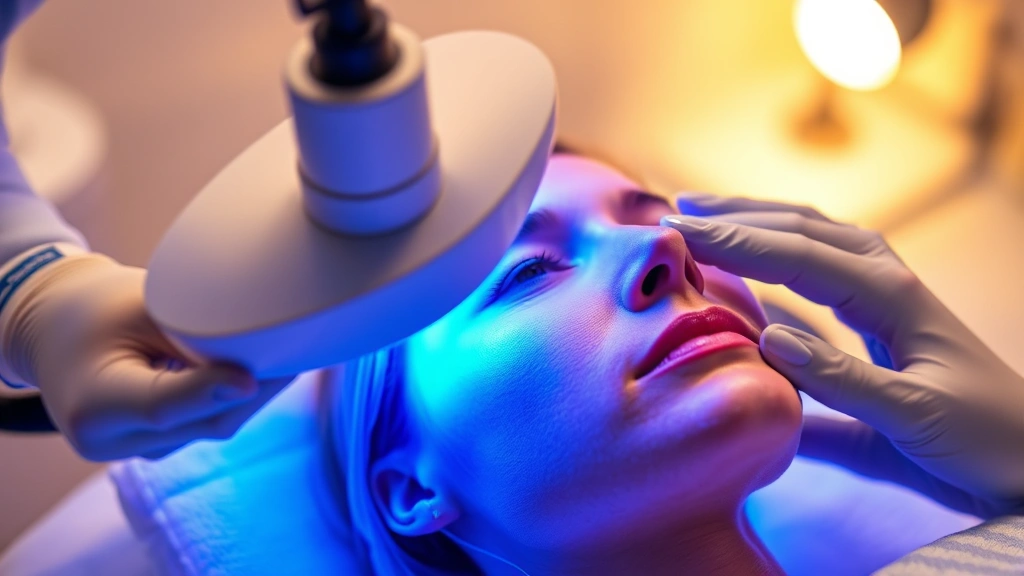
Blue light therapy is a non-invasive dermatological treatment that uses specific wavelengths of light energy to improve skin health and appearance. The therapy works by emitting concentrated beams of blue light directly onto the skin’s surface, where it penetrates to the deeper layers and interacts with cellular structures. This interaction triggers a cascade of biological responses that can significantly improve various skin conditions.
The fundamental mechanism of blue light therapy involves the activation of a naturally occurring molecule in bacterial cells called porphyrin. When blue light wavelengths contact Cutibacterium acnes (formerly known as Propionibacterium acnes), the bacteria responsible for acne formation, the porphyrin molecules within these cells become excited and generate reactive oxygen species. These reactive oxygen species effectively destroy the bacterial cell walls, eliminating the microorganisms without harming surrounding healthy skin tissue. This targeted approach makes blue light therapy exceptionally effective for treating acne at its source.
Beyond bacterial elimination, blue light therapy also stimulates fibroblasts—the cells responsible for producing collagen and elastin in the skin. This stimulation leads to improved skin texture, increased firmness, and a more youthful appearance. Additionally, the therapy reduces sebum production, which is often excessive in acne-prone individuals, and decreases inflammation throughout the treated area. The cumulative effect of these processes results in clearer, healthier, and more radiant skin.
The Science Behind Blue Light Wavelengths
The specific wavelength of light used in blue light therapy is crucial to its effectiveness. Research has shown that wavelengths between 405 and 420 nanometers provide optimal results for skin treatment. This narrow range is important because different wavelengths penetrate to different depths within the skin and produce different biological effects. Understanding this science helps explain why blue light therapy is superior to other light-based treatments for specific skin concerns.
According to research published by the National Center for Biotechnology Information, blue light penetrates to the dermal layer of skin where sebaceous glands and hair follicles reside. This depth of penetration is ideal for targeting acne-causing bacteria while remaining safe for the overlying epidermis. The wavelength range also ensures that the light energy is sufficient to activate porphyrins but not so intense as to cause thermal damage to surrounding tissues.
The photochemical process triggered by blue light operates through a well-documented mechanism. When porphyrin molecules in bacterial cells absorb blue light photons, they reach an excited state and subsequently generate singlet oxygen and other reactive oxygen species. These highly reactive molecules damage the bacterial DNA and cell membranes, leading to bacterial death. This process is known as photodynamic inactivation, and it’s remarkably selective—it primarily affects bacteria while leaving healthy human cells relatively unharmed.
Interestingly, the human skin’s natural response to blue light exposure also contributes to therapeutic benefits. Blue light stimulates the production of antimicrobial peptides in the skin, which are part of the innate immune system. This means that blue light therapy works synergistically with your body’s natural defense mechanisms to combat acne. Furthermore, the light energy activates mitochondria in skin cells, increasing ATP (adenosine triphosphate) production and cellular energy. This boost in cellular energy facilitates faster healing and regeneration processes.
Benefits for Acne-Prone Skin
Acne remains one of the most common skin conditions affecting millions of people worldwide, and blue light therapy has emerged as a particularly effective treatment option. The benefits for acne-prone skin are multifaceted and well-documented in clinical studies. Unlike many conventional acne treatments that can cause dryness, irritation, or photosensitivity, blue light therapy offers a gentler approach with minimal side effects.
One of the primary benefits of blue light therapy for acne is its ability to eliminate Cutibacterium acnes bacteria without developing antibiotic resistance. As antibiotic-resistant strains of acne bacteria become increasingly common, blue light therapy provides a valuable alternative that doesn’t contribute to this growing public health concern. Studies have shown that blue light therapy can reduce acne lesions by up to 70% after a series of treatments, making it comparable to or even superior to some traditional medications.
The reduction in inflammation is another significant benefit for acne sufferers. Blue light therapy decreases the production of pro-inflammatory cytokines, which are molecules that trigger and perpetuate the inflammatory response in acne. By reducing inflammation, the therapy not only improves the appearance of existing acne but also helps prevent the development of new lesions. Many patients report that their skin feels calmer and less irritated after blue light treatments.
For individuals dealing with hormonal acne or severe inflammatory acne, blue light therapy offers hope without the systemic side effects associated with oral medications like isotretinoin or hormonal contraceptives. The therapy is also suitable for all skin types, including sensitive skin, and doesn’t cause the photosensitivity issues that some oral acne medications can trigger. This makes it an excellent option for people who are intolerant to conventional treatments or who prefer a more natural approach to skincare.
Additionally, blue light therapy can help reduce acne scars by stimulating collagen remodeling. While it won’t completely erase deep scars, consistent treatment can improve the appearance of shallow scarring and help prevent new scar formation by promoting proper wound healing during the acne resolution process.
Blue Light Therapy for Other Skin Conditions
While acne treatment is the most well-known application, blue light therapy benefits extend to numerous other skin conditions. This versatility makes it a valuable tool in comprehensive dermatological care. Understanding these additional applications can help you determine whether blue light therapy might address your specific skin concerns.
Rosacea, a chronic inflammatory condition characterized by facial redness and visible blood vessels, responds remarkably well to blue light therapy. The anti-inflammatory properties of blue light help calm the persistent inflammation that defines rosacea, reducing both the redness and the frequency of flare-ups. Many rosacea sufferers find that regular blue light treatments provide relief comparable to prescription medications but without the systemic effects.
Seborrheic keratosis and other benign skin growths can also be treated with blue light therapy, particularly when combined with photodynamic therapy protocols. The light energy can help reduce the appearance of these growths and prevent their proliferation. Similarly, some forms of non-melanoma skin cancer may be treated using blue light therapy as part of a broader photodynamic therapy approach, though this typically requires professional medical supervision.
Blue light therapy has shown promise in treating various types of dermatitis, including contact dermatitis and atopic dermatitis. The immunomodulatory effects of blue light help regulate the skin’s immune response, reducing the excessive inflammation characteristic of these conditions. For individuals with eczema or other chronic inflammatory skin conditions, blue light therapy can provide a complementary treatment that enhances overall skin health.
The therapy also benefits individuals with oily skin or enlarged pores. By regulating sebum production and reducing bacterial colonization in pores, blue light therapy helps minimize pore size and reduce the oily sheen that some people find problematic. This makes it useful not just for acne treatment but also for general skin refinement and improvement of skin texture.
Safety Considerations and Potential Side Effects
Blue light therapy is generally considered a safe and well-tolerated treatment, but like any medical intervention, it’s important to understand potential side effects and safety considerations. The good news is that serious adverse effects are rare, and most side effects are mild and temporary. Understanding these considerations helps you approach blue light therapy with realistic expectations and proper precautions.
The most commonly reported side effects include mild redness, slight dryness, and temporary sensitivity to light exposure immediately following treatment. These effects typically resolve within a few hours to a day after treatment. Some individuals may experience mild itching or a slight burning sensation during the treatment, particularly if they have very sensitive skin. These sensations are usually manageable and tend to decrease with subsequent treatments as the skin adjusts to the therapy.
For individuals taking photosensitizing medications or supplements, such as certain antibiotics, NSAIDs, or St. John’s Wort, consultation with a healthcare provider is essential before beginning blue light therapy. These substances can increase skin sensitivity to light and potentially increase the risk of adverse reactions. Similarly, individuals with a history of light-sensitive skin conditions should discuss blue light therapy with a dermatologist before proceeding.
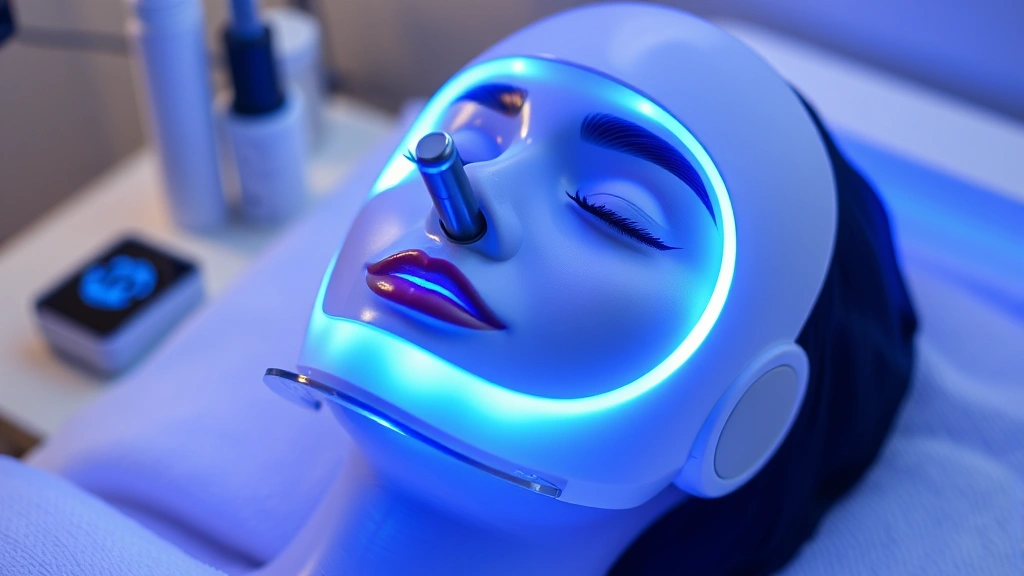
It’s important to note that blue light therapy is different from UV light therapy. While UV light can damage DNA and increase skin cancer risk with prolonged exposure, blue light operates through a different mechanism and doesn’t cause DNA damage at therapeutic wavelengths and intensities. However, eyes should be protected during treatment, as direct exposure to intense blue light can potentially damage retinal tissue. Most professional blue light therapy devices include protective eyewear for this reason.
Pregnant and nursing women should consult with their healthcare providers before undergoing blue light therapy, as research in these populations is limited. Similarly, individuals with certain medical conditions, such as lupus or porphyria, should avoid blue light therapy as it may exacerbate their conditions. Always disclose your complete medical history to your skincare professional before beginning treatment.
Treatment Protocols and Expected Results
The effectiveness of blue light therapy depends significantly on proper treatment protocols. Understanding the recommended treatment schedules and realistic expectations for results helps you maximize the benefits of this therapy and maintain consistency with your treatment plan.
Typical blue light therapy protocols for acne involve 15-20 minute sessions conducted 2-3 times per week for 4-12 weeks. This frequency and duration allow sufficient light exposure to eliminate bacteria and reduce inflammation while giving the skin time to recover between treatments. After the initial intensive treatment phase, many dermatologists recommend maintenance sessions once or twice monthly to prevent acne recurrence.
Results typically begin appearing after 4-6 weeks of consistent treatment, though some individuals notice improvements sooner. The most dramatic results usually manifest after 8-12 weeks of regular therapy. Peak improvements often continue to develop for several months as collagen remodeling processes continue and the skin establishes new equilibrium with reduced bacterial populations and decreased inflammation.
For best results, blue light therapy should be combined with a comprehensive skincare routine. Gentle cleansing, appropriate moisturizing, and sun protection enhance the therapy’s effectiveness and help maintain improvements. Many dermatologists recommend combining blue light therapy with other complementary treatments, such as red light therapy for enhanced collagen stimulation, to achieve optimal outcomes.
The longevity of results varies among individuals depending on factors such as skin condition severity, lifestyle factors, and hormonal influences. Some people maintain clear skin with monthly maintenance sessions, while others may need more frequent treatments. Consistency is key—regular treatment produces better sustained results than sporadic sessions.
At-Home vs Professional Blue Light Devices
Blue light therapy is available through both professional clinical settings and consumer-grade at-home devices. Each option has distinct advantages and considerations that should guide your choice based on your skin condition severity, budget, and preferences.
Professional blue light therapy devices typically deliver higher intensity light energy than at-home devices, allowing for more concentrated treatment and potentially faster results. Professional treatments are usually administered by trained dermatologists or licensed estheticians who can assess your skin condition, customize protocols, and monitor your progress. Professional-grade devices often feature advanced technology such as wavelength optimization and cooling systems that enhance comfort and efficacy. The disadvantage is cost—professional treatments typically range from $75-$200 per session, and comprehensive treatment programs can cost several thousand dollars.
At-home blue light devices offer convenience and cost-effectiveness, making them attractive for individuals with mild to moderate acne or those seeking maintenance therapy. These devices have become increasingly sophisticated, with many offering clinically-proven wavelengths and treatment protocols. At-home devices range in price from $50 to $500, depending on quality and features. The primary advantage is accessibility—you can use these devices whenever convenient and maintain consistent treatment schedules more easily.
However, at-home devices generally deliver lower intensity light than professional equipment, necessitating longer or more frequent treatment sessions to achieve comparable results. They also require more user responsibility for proper technique and consistent application. For severe acne or severe skin conditions, professional treatment is typically recommended initially, with at-home devices potentially used for maintenance.
Many dermatologists recommend a hybrid approach: beginning with professional blue light therapy to achieve initial improvement, then transitioning to quality at-home devices for ongoing maintenance. This strategy balances effectiveness with long-term cost considerations. When selecting an at-home device, look for those that specify wavelengths in the 405-420 nanometer range and have clinical studies supporting their efficacy.
Combining Blue Light with Other Therapies
Blue light therapy achieves even greater results when combined strategically with complementary treatments. Understanding how to integrate blue light therapy into a comprehensive skincare or treatment plan maximizes benefits and addresses multiple aspects of skin health simultaneously.
Combining blue light therapy with red light therapy represents a powerful synergistic approach. While blue light targets acne bacteria and reduces inflammation, red light (wavelengths around 630-700 nanometers) penetrates deeper to stimulate collagen and elastin production. Many advanced devices now offer combination blue and red light therapy, allowing sequential or simultaneous application of both wavelengths. This combination addresses acne while simultaneously improving skin texture, firmness, and reducing the appearance of scars.
Chemical exfoliation using gentle acids like salicylic acid or glycolic acid can be effectively combined with blue light therapy. The exfoliation helps remove dead skin cells and sebum that clog pores, while blue light therapy then addresses bacterial overgrowth and inflammation. This combination is particularly effective for congested, acne-prone skin. However, timing is important—exfoliation should typically occur on separate days from blue light therapy to avoid over-irritating the skin.
Topical treatments such as retinoids, niacinamide, or azelaic acid can complement blue light therapy nicely. These ingredients address acne through different mechanisms—retinoids promote skin cell turnover, niacinamide regulates sebum production, and azelaic acid has antimicrobial properties. When combined with blue light therapy, these ingredients enhance overall results. However, some individuals may experience increased sensitivity when combining treatments, so introduce them gradually and monitor your skin’s response.
Microdermabrasion or gentle physical exfoliation can precede blue light therapy sessions to enhance light penetration and improve treatment efficacy. The exfoliation removes the outer layer of dead skin cells, allowing light to reach viable skin more effectively. This combination is particularly beneficial for individuals with thick or congested skin.
For individuals with significant acne scarring, combining blue light therapy with fractional laser treatments or microneedling can produce superior results. While blue light addresses active acne and inflammation, these other modalities stimulate collagen remodeling and improve scar appearance. These combinations should always be performed under professional supervision to ensure proper spacing between treatments and minimize irritation.
Consultation with a dermatologist or licensed skincare professional helps determine the optimal combination of therapies for your specific skin concerns. Professional guidance ensures that treatments complement rather than interfere with each other and that your skin receives appropriate recovery time between different procedures.
Frequently Asked Questions
How long does it take to see results from blue light therapy?
Most people begin noticing improvements in their skin within 4-6 weeks of consistent blue light therapy, though results continue improving for up to 12 weeks. Initial improvements typically include reduced inflammation and fewer new acne lesions. Significant clearance usually requires 8-12 weeks of regular treatment. Results vary based on acne severity, skin type, and individual healing capacity.
Is blue light therapy safe for all skin types?
Blue light therapy is generally safe for all skin types, including sensitive skin. However, individuals with certain conditions like lupus, porphyria, or those taking photosensitizing medications should consult healthcare providers before treatment. Pregnant women and those with specific medical conditions should also seek professional medical advice before beginning therapy.
Can blue light therapy permanently cure acne?
Blue light therapy can significantly reduce acne and produce long-term improvement, but it’s not a permanent cure in the sense that acne may recur if treatment is discontinued. Many people maintain clear skin with periodic maintenance sessions. However, addressing underlying factors like hormonal influences, diet, and stress management is important for sustained results.
How does blue light therapy compare to antibiotics for acne?
Blue light therapy offers several advantages over antibiotics: it doesn’t contribute to antibiotic resistance, causes fewer systemic side effects, and doesn’t cause photosensitivity issues like some oral antibiotics. However, for severe acne, antibiotics combined with blue light therapy may provide optimal results. Professional consultation helps determine the best approach for your specific situation.
Are there any long-term side effects from blue light therapy?
Blue light therapy has an excellent safety profile with no known long-term side effects when used appropriately. The therapy operates through photochemical mechanisms different from UV light and doesn’t cause DNA damage at therapeutic wavelengths. Eye protection during treatment is recommended, but otherwise, long-term effects are minimal and generally positive as skin health improves.
Can I use blue light therapy while taking other acne medications?
In most cases, yes—blue light therapy can be combined with topical acne medications like benzoyl peroxide or retinoids. However, some oral medications increase photosensitivity, making combination problematic. Always inform your dermatologist about all medications and supplements you’re taking before beginning blue light therapy to ensure safe combinations.
How much does professional blue light therapy cost?
Professional blue light therapy typically costs $75-$200 per session, with treatment packages ranging from $500-$3,000 depending on the number of sessions needed. Some insurance plans may cover blue light therapy if it’s medically necessary for conditions like severe acne, though coverage varies. At-home devices range from $50-$500, offering more affordable long-term options.