
Which Breeds Make the Best Therapy Dogs? Expert Insights
Therapy dogs have transformed the landscape of mental health support, emotional wellness, and rehabilitative care across hospitals, schools, nursing homes, and therapeutic facilities worldwide. These specially trained canines provide comfort, reduce anxiety, and facilitate healing in ways that traditional interventions sometimes cannot match. But not all dog breeds possess the temperament, physical attributes, and psychological resilience required to excel in therapy roles.
The question of which breeds make the best therapy dogs goes beyond simple preference—it requires understanding the intricate relationship between breed characteristics, individual training, handler expertise, and the specific therapeutic context. Whether you’re considering therapy dogs for personal use or exploring professional certification pathways, understanding breed suitability is fundamental to success.
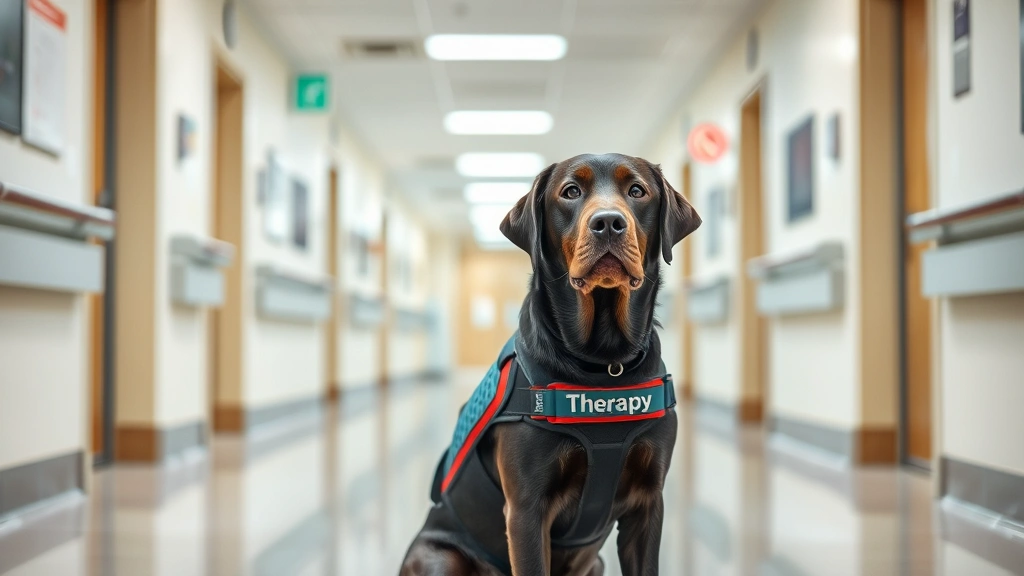
What Makes a Therapy Dog Ideal?
Before examining specific breeds, it’s essential to understand the fundamental qualities that distinguish exceptional therapy dogs from standard pets. According to research from the American Kennel Club, successful therapy dogs demonstrate unwavering emotional stability, genuine affinity for human interaction, and the ability to remain calm in unpredictable environments.
The ideal therapy dog possesses several critical characteristics. Temperament stability ranks foremost—these dogs must remain composed when encountering loud noises, sudden movements, or emotional displays from patients. Trainability enables handlers to shape specific behaviors and responses to therapeutic stimuli. Physical appropriateness matters significantly; size and energy levels must align with the therapeutic setting. A therapy dog working with elderly patients requires different physical characteristics than one assisting with childhood trauma recovery.
Sociability extends beyond friendliness; therapy dogs must actively seek human connection and demonstrate genuine interest in individual patients rather than superficial enthusiasm. Pain tolerance and handling acceptance prove crucial when working with physically disabled clients or children who may pet unpredictably. Finally, health and longevity ensure the dog can sustain demanding therapeutic work throughout a productive career.
Research published in the Journal of Applied Animal Behaviour Science demonstrates that breed predispositions significantly influence these characteristics, though individual variation and training methodology remain equally important.

Golden Retrievers: The Gold Standard
Golden Retrievers consistently rank as the most popular therapy dog breed, and this preference reflects substantive evidence rather than mere tradition. Originally bred as hunting companions, Goldens possess an innate eagerness to please combined with remarkable patience and gentle mouths—traits that translate beautifully into therapeutic contexts.
The breed’s exceptional emotional intelligence allows Golden Retrievers to intuitively sense human distress and respond with appropriate comfort. They demonstrate genuine interest in human faces and expressions, enabling them to connect meaningfully with clients across age groups and psychological conditions. Their moderate size—typically 55 to 75 pounds—provides enough substance for physical support without overwhelming vulnerable populations.
Golden Retrievers excel in hospital settings, nursing homes, and psychiatric facilities. Their long, silky coats provide tactile comfort, and their naturally calm demeanor helps reduce cortisol levels in stressed patients. The breed’s trainability allows handlers to teach specific therapeutic behaviors, from gentle pressure application for anxiety management to alert responses for patients with seizure disorders.
However, prospective handlers should recognize that Golden Retrievers require substantial exercise and mental stimulation. Their thick double coats demand regular grooming, and their popularity has unfortunately led to problematic breeding practices in some lineages. Selecting a Golden Retriever from health-tested, reputable breeders remains essential for ensuring the temperament and physical soundness necessary for therapy work.
Labrador Retrievers and Their Versatility
Labrador Retrievers rival Golden Retrievers in therapy dog applications, offering comparable temperament advantages with slightly different physical and behavioral characteristics. Labs demonstrate exceptional versatility across diverse therapeutic settings—from schools and libraries to correctional facilities and disaster response environments.
The breed’s intelligence and trainability have made Labs the preferred choice for physical therapy applications requiring precise behavioral responses. Their natural retrieving drive can be channeled into therapeutic activities that encourage patient engagement and movement. Labs come in three color varieties, and research suggests no behavioral differences among colors—a common misconception among some dog enthusiasts.
Labradors typically weigh between 55 and 80 pounds, providing physical presence without excessive bulk. Their short, water-resistant coats require less maintenance than Golden Retrievers, though they shed considerably. The breed’s friendly, outgoing nature makes them excellent choices for public-facing therapy roles, such as library programs where they interact with multiple visitors throughout sessions.
Like Golden Retrievers, Labs require adequate exercise and mental enrichment. Their enthusiasm, while generally beneficial, occasionally manifests as jumping or excessive energy in young dogs. Early socialization and consistent training prove essential for channeling their natural exuberance into therapeutic contexts appropriately.
Cavalier King Charles Spaniels
Cavalier King Charles Spaniels represent an elegant alternative to larger retriever breeds, offering distinct advantages for specific therapeutic applications. These small to medium-sized dogs (24 to 30 pounds) excel in intimate therapeutic settings where their lap-dog tendencies provide meaningful comfort.
The breed’s primary strength lies in emotional attunement. Cavaliers seem almost psychically aware of human emotional states, responding with gentle presence and physical closeness. Their soft, silky coats and gentle expressions make them particularly effective in pediatric settings and with trauma survivors who may find larger dogs intimidating.
Cavaliers demonstrate remarkable patience with physical handling and seem genuinely content remaining still while patients pet and interact with them. This quality proves invaluable in nursing homes and hospice settings where gentle, prolonged contact provides therapeutic benefit. The breed’s history as companion dogs to nobility reflects their natural inclination toward devoted, attentive presence.
However, prospective therapy dog handlers should understand that Cavaliers require careful breeding oversight. The breed faces genetic predispositions toward heart conditions, particularly mitral valve disease. Comprehensive health screening and selection from responsible breeders becomes non-negotiable for ensuring dogs can sustain therapy work without health complications. Additionally, their moderate exercise requirements make them suitable for handlers with varying activity levels.
Poodles: Intelligence and Hypoallergenic Benefits
Poodles—available in standard, miniature, and toy sizes—offer exceptional advantages for therapeutic work, particularly in environments where allergies present significant barriers. The breed’s curly, non-shedding coat produces minimal dander, making Poodles ideal for healthcare facilities and schools where allergic individuals require access to therapy dog benefits.
Standard Poodles (45 to 70 pounds) possess remarkable intelligence, ranking among the most trainable breeds. This cognitive capacity enables handlers to teach sophisticated therapeutic behaviors and responses to specific patient needs. Poodles demonstrate strong problem-solving abilities and adapt readily to novel environments and situations—valuable traits in diverse therapeutic contexts.
The breed’s history as water retrievers reflects their natural athleticism and task-oriented mindset. Modern Poodles maintain these characteristics while also demonstrating the affectionate, people-focused nature required for therapy work. Miniature Poodles (10 to 15 pounds) provide lap-sized alternatives for handlers preferring smaller dogs or working with populations where large animals create anxiety.
Poodle coats require consistent professional grooming every 4 to 6 weeks, representing a significant ongoing expense. Their intelligence occasionally manifests as strong-willed tendencies, necessitating experienced handlers comfortable with assertive training approaches. When properly socialized and trained, however, Poodles excel across hospital, educational, and residential therapy settings.
Other Exceptional Therapy Breeds
Beagles bring distinctive qualities to therapeutic work, particularly in schools and correctional facilities. Their compact size (20 to 30 pounds) and curious, friendly nature appeal to children and adults alike. Beagles’ moderate exercise requirements make them suitable for handlers with varying activity capacities.
Bichon Frises offer hypoallergenic advantages similar to Poodles with smaller stature. Their cheerful disposition and adaptability to apartment living make them practical choices for urban therapy programs. However, their independent streak requires consistent training.
Bernese Mountain Dogs excel in applications requiring larger, more imposing presence. Their calm, devoted temperament and natural gentleness toward children make them exceptional choices for pediatric trauma therapy. Their size (70 to 115 pounds) can actually provide reassurance through physical grounding.
Boxers bring surprising sensitivity despite their muscular appearance. Their playful, loyal nature and medium size (60 to 70 pounds) make them effective in youth programs and athletic rehabilitation contexts.
Collies demonstrate exceptional intelligence and herding instincts that translate into protective, attentive behavior toward vulnerable individuals. Their medium size and gentle temperament suit nursing homes and pediatric settings.
Training and Certification Requirements
Breed selection represents only the first step in developing effective therapy dogs. Comprehensive training and formal certification distinguish legitimate therapy dogs from untrained pets with therapeutic intent. Therapy Dogs International and similar organizations establish rigorous standards ensuring dogs meet behavioral, health, and training benchmarks.
Most therapy dog certification programs require dogs to pass the Canine Good Citizen test, demonstrating obedience fundamentals and appropriate public behavior. Additional testing evaluates responses to sudden stimuli, acceptance of handling by strangers, and behavior around medical equipment or unfamiliar environments.
Handler training proves equally critical. Effective therapy dog teams require handlers who understand canine body language, recognize stress signals, and adjust activities based on individual dog and patient needs. Professional organizations typically mandate handler certification courses covering therapeutic theory, ethical considerations, and practical application strategies.
Ongoing health maintenance ensures therapy dogs remain physically capable of demanding work. Regular veterinary examinations, appropriate vaccinations, and preventive care protocols protect both dogs and vulnerable patient populations. Mental enrichment and stress management for therapy dogs themselves deserve consideration—these dogs work emotionally demanding jobs and require adequate rest and recovery.
Matching Breeds to Therapeutic Settings
Different therapeutic contexts benefit from different breed characteristics. Hospital settings typically favor breeds with calm demeanor and minimal shedding—Poodles, Bichon Frises, and well-trained Labradors excel here. These environments often involve immunocompromised patients, making hypoallergenic or low-shedding coats advantageous.
School-based programs benefit from breeds that inspire confidence in children while remaining gentle and patient. Golden Retrievers, Cavalier King Charles Spaniels, and Beagles excel in educational contexts where therapy dogs facilitate learning and emotional development alongside academic instruction.
Nursing homes and hospice facilities require breeds suited to prolonged, gentle interaction with elderly populations. Cavalier King Charles Spaniels, smaller Poodles, and Bichon Frises provide ideal lap dog qualities. Size considerations become important for residents with mobility challenges who may sit for extended periods while petting therapy dogs.
Psychiatric and trauma recovery programs benefit from breeds demonstrating exceptional emotional intelligence and physical gentleness. Golden Retrievers, Cavaliers, and Standard Poodles excel at sensing emotional distress and providing appropriate comfort responses.
Correctional facilities often utilize breeds with larger presence and calm authority—Boxers, Bernese Mountain Dogs, and Standard Poodles work effectively here. These settings require dogs comfortable with structured environments and diverse human interactions.
Disaster response and first responder support demands breeds combining athleticism with emotional resilience. Labrador Retrievers and Golden Retrievers excel in these high-stress, physically demanding contexts.
Understanding therapeutic roles across healthcare professions helps clarify which breed characteristics align with specific therapeutic goals. Whether supporting speech therapy sessions or complementing other therapeutic modalities, therapy dogs provide unique value when matched appropriately to their roles.
FAQ
What’s the difference between therapy dogs and service dogs?
Therapy dogs provide emotional support and comfort to multiple individuals in structured settings like hospitals or schools. Service dogs perform specific tasks for individual handlers, such as alerting diabetics to blood sugar changes or providing mobility assistance. Service dogs have legal access protections under the ADA; therapy dogs do not.
Can mixed-breed dogs become therapy dogs?
Absolutely. Mixed-breed dogs can excel as therapy animals when they possess appropriate temperament, trainability, and health. Many rescue organizations actively recruit and train mixed-breed dogs for therapy certification. Breed tendencies influence behavior, but individual personality and training methodology matter equally.
How much does therapy dog training cost?
Training costs vary widely, ranging from $1,500 to $5,000 or more depending on the program, location, and individual dog needs. Some dogs require extended training for behavioral issues, increasing costs. Certification fees typically range from $200 to $500 annually.
Are small dogs as effective as large breeds for therapy work?
Small therapy dogs excel in specific contexts, particularly intimate settings like nursing homes or hospitals where lap-dog qualities provide comfort. Larger breeds offer different therapeutic benefits, such as physical grounding or presence that provides reassurance. Effectiveness depends on matching breed size to therapeutic goals and patient populations.
What age should dogs begin therapy training?
Most therapy dog programs require dogs to be at least one year old, though some accept dogs as young as six months. Dogs must demonstrate mature temperament and physical development. Training often begins earlier, but formal certification typically occurs when dogs reach adulthood.
Can dogs with health conditions become therapy dogs?
Dogs requiring ongoing medical management generally cannot sustain therapy work safely. The physical and emotional demands of regular therapeutic interaction exceed what compromised health permits. Reputable programs require comprehensive health screening and veterinary clearance.
How often do therapy dogs work?
Therapy dog schedules vary significantly. Some work weekly two-hour sessions, while others participate in multiple visits weekly. Professional organizations recommend limiting intense therapeutic work to prevent burnout. Rest days and vacation periods remain important for canine welfare.