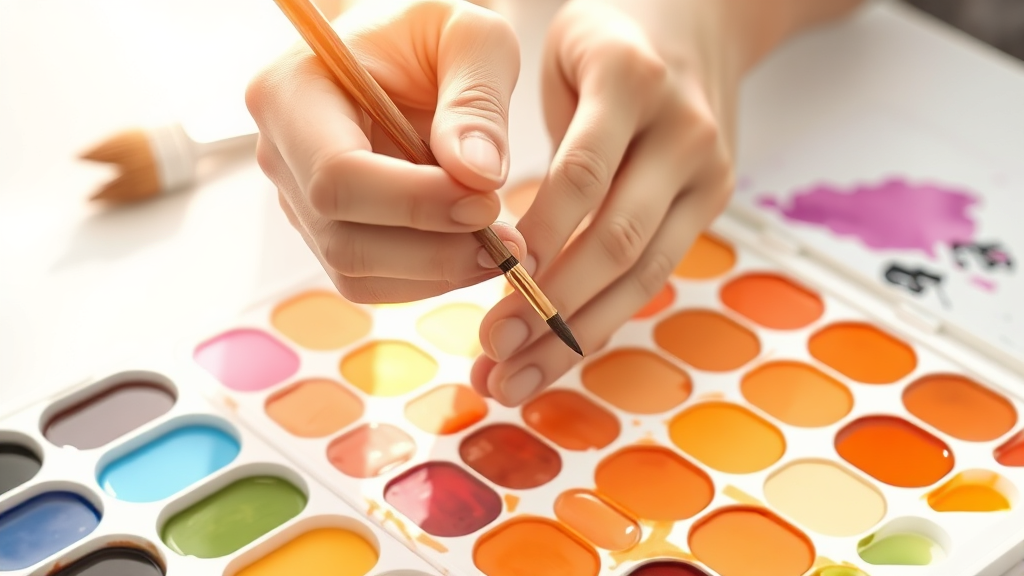
In a world where traditional talk therapy doesn’t resonate with everyone, art therapy emerges as a powerful bridge between creative expression and emotional healing. An art therapy degree opens doors to a profound career where you can help others process trauma, manage mental health challenges, and discover inner strength through the transformative power of artistic creation. This unique field combines psychological expertise with creative understanding, offering hope to those who struggle to articulate their experiences through words alone.
Whether you’re an artist seeking deeper purpose in your work or a mental health professional looking to expand your therapeutic toolkit, pursuing an art therapy degree can unlock incredible healing skills that benefit both yourself and the communities you serve. The journey toward becoming a licensed art therapist requires dedication, compassion, and a willingness to explore the intricate connections between creativity and psychological well-being.
Understanding Art Therapy as a Profession
Art therapy represents a unique intersection of psychology and creative arts, where trained professionals use artistic processes to help individuals explore emotions, develop self-awareness, and achieve personal growth. Unlike traditional therapy modalities that rely primarily on verbal communication, art therapy harnesses the power of visual expression to unlock healing pathways that words cannot always reach.
The profession requires practitioners to understand both the psychological foundations of human behavior and the symbolic language of artistic expression. Art therapists work with diverse populations, from children struggling with developmental challenges to adults processing grief, trauma survivors rebuilding their lives, and elderly individuals maintaining cognitive function. This versatility makes an art therapy degree particularly valuable for those seeking meaningful careers in mental health.
According to the Psychology Today, art therapy has gained significant recognition in recent years as research continues to demonstrate its effectiveness in treating various mental health conditions. The American Art Therapy Association defines art therapy as a mental health profession that uses the creative process of making art to improve and enhance physical, mental, and emotional well-being.
Art Therapy Degree Requirements and Pathways
Becoming a licensed art therapist typically requires completing a master’s degree in art therapy from an accredited program. The educational pathway begins with a strong foundation in both art and psychology, though many programs accept students from various undergraduate backgrounds. Most art therapy master’s programs require 60 credit hours of coursework, including studio art, psychology, human development, and specialized art therapy techniques.
Prerequisites often include courses in abnormal psychology, developmental psychology, and studio art fundamentals. Some programs may require portfolio submissions demonstrating artistic competency, while others provide foundational art courses within the degree program. The flexibility in admission requirements recognizes that effective art therapists come from diverse educational backgrounds, bringing unique perspectives to the field.
Similar to other mental health graduate programs like masters in marriage and family therapy online or masters in occupational therapy, art therapy programs emphasize both theoretical knowledge and practical application. Students must demonstrate competency in research methods, ethics, and cultural considerations while developing their artistic and therapeutic skills.
Core Curriculum and Specialized Training
The curriculum for an art therapy degree integrates multiple disciplines to prepare students for the complex demands of therapeutic practice. Core psychology courses cover topics such as psychopathology, group therapy dynamics, family systems, and trauma-informed care. These foundational courses provide the theoretical framework necessary for understanding mental health conditions and treatment approaches.
Studio art components focus on developing technical skills across various media while exploring the therapeutic potential of different artistic processes. Students learn to work with paint, clay, collage, digital media, and three-dimensional materials, understanding how each medium can facilitate different aspects of healing. The curriculum also includes courses on art therapy assessment techniques, where students learn to interpret artistic expressions and develop appropriate therapy goals.
Specialized training areas may include working with specific populations such as children, adolescents, adults with severe mental illness, or individuals with developmental disabilities. Many programs offer concentrations in areas like trauma recovery, addiction treatment, or community mental health, allowing students to tailor their education to their career interests and passion areas.

Clinical Training and Practicum Requirements
Hands-on clinical experience forms a crucial component of art therapy education, with most programs requiring between 700-1,000 hours of supervised practicum and internship experiences. These placements occur in diverse settings including psychiatric hospitals, community mental health centers, schools, rehabilitation facilities, and private practice offices. The variety of clinical experiences ensures graduates are prepared for the multifaceted nature of art therapy practice.
During clinical training, students work directly with clients under the supervision of licensed art therapists and other mental health professionals. They learn to facilitate both individual and group art therapy activities, develop treatment plans, maintain clinical documentation, and collaborate with interdisciplinary treatment teams. This practical experience is essential for developing the confidence and competency needed for independent practice.
Supervision during clinical training focuses not only on developing therapeutic skills but also on processing the emotional demands of the work. Students learn self-care strategies and develop their own artistic practices as tools for maintaining professional wellness and preventing burnout in this emotionally intensive field.
Career Opportunities and Work Settings
Graduates with an art therapy degree can pursue careers in numerous settings, each offering unique opportunities to apply their healing skills. Healthcare environments such as hospitals, psychiatric facilities, and rehabilitation centers employ art therapists to work with patients experiencing acute mental health crises, chronic illnesses, or recovery from injuries. In these settings, art therapy often complements traditional medical treatments, providing holistic care approaches.
Educational institutions increasingly recognize the value of art therapy in supporting student mental health and academic success. School-based art therapists work with children and adolescents facing various challenges, from learning disabilities to behavioral issues, family problems, or trauma histories. These professionals collaborate with teachers, counselors, and parents to create supportive learning environments.
Community mental health centers, nonprofit organizations, and private practice settings offer opportunities for art therapists to serve diverse populations with varying needs. Some graduates choose to specialize in specific areas such as addiction recovery, domestic violence support, or working with military veterans. The flexibility of art therapy certification allows practitioners to adapt their skills to meet community needs and personal interests.
Essential Skills Developed Through Art Therapy Education
An art therapy degree cultivates a unique combination of clinical, creative, and interpersonal skills that extend far beyond traditional therapeutic training. Students develop keen observational abilities, learning to interpret nonverbal communication through artistic expression and recognize symbolic representations of emotional states. This visual literacy becomes an invaluable tool for understanding clients who struggle with verbal expression.
The program also enhances creative problem-solving abilities as students learn to adapt therapeutic approaches to individual client needs and preferences. They develop skills in creating safe, supportive environments where vulnerable individuals feel comfortable exploring difficult emotions through art-making. Cultural competency becomes essential as art therapists learn to respect and incorporate diverse artistic traditions and expressions.
Leadership and advocacy skills emerge naturally as art therapy students learn to educate others about the benefits of creative therapies and work to expand access to these services. According to the National Institute of Mental Health, alternative therapeutic approaches like art therapy are increasingly recognized as valuable components of comprehensive mental health treatment.
How to Choose the Right Art Therapy Program
Selecting an appropriate art therapy program requires careful consideration of multiple factors, beginning with accreditation status. Programs approved by the American Art Therapy Association ensure graduates meet professional standards and are eligible for certification and licensure. Research faculty expertise, clinical partnerships, and program philosophy to find the best fit for your learning style and career goals.
Consider practical factors such as program format (full-time versus part-time), location, and financial requirements. Some programs offer evening or weekend classes to accommodate working professionals, while others provide intensive full-time experiences. Financial aid, assistantships, and scholarship opportunities can significantly impact the affordability of graduate education.
Investigate the program’s clinical partnerships and internship opportunities, as these experiences significantly influence your professional development and job prospects. Strong programs maintain relationships with diverse clinical sites and provide comprehensive support throughout the clinical training process. The Mayo Clinic emphasizes the importance of proper training and supervision in developing effective mental health professionals.
Frequently Asked Questions
What undergraduate degree do I need to pursue an art therapy master’s program?
While many art therapy programs prefer undergraduate backgrounds in psychology or art, most accept students from diverse academic backgrounds. Common prerequisites include courses in psychology, human development, and studio art, though some programs offer foundational courses within the graduate curriculum. The key is demonstrating both artistic ability and genuine interest in mental health work.
How long does it take to complete an art therapy degree and become licensed?
Most art therapy master’s programs require 2-3 years of full-time study or 3-4 years part-time. After graduation, you’ll need additional supervised clinical experience (typically 1,000-4,000 hours depending on state requirements) before becoming eligible for licensure. The total timeline from starting graduate school to independent practice is usually 4-6 years.
Can I practice art therapy without a specific art therapy degree?
Professional art therapy practice requires completion of an approved art therapy education program and appropriate licensure. While other mental health professionals may incorporate creative techniques into their practice, the title “art therapist” is protected and requires specific educational credentials and certification through professional organizations.
What is the salary range for art therapists?
According to the Bureau of Labor Statistics, recreational and art therapists earn a median salary of approximately $48,000-$65,000 annually, though this varies significantly based on location, setting, experience level, and additional certifications. Private practice therapists and those in specialized settings may earn higher incomes.
Is art therapy effective for all types of mental health conditions?
Research demonstrates art therapy’s effectiveness for various conditions including trauma, depression, anxiety, autism spectrum disorders, and substance abuse. However, like all therapeutic approaches, its effectiveness depends on individual client factors, therapist competency, and the appropriateness of the treatment approach for specific presenting concerns. Art therapy often works best as part of comprehensive treatment plans.
Do I need to be a skilled artist to become an art therapist?
While artistic skill is important, you don’t need to be a professional artist to succeed in art therapy. Programs focus on developing both artistic abilities and therapeutic skills. More crucial are empathy, patience, cultural sensitivity, and genuine desire to help others. Many successful art therapists describe themselves as “good enough” artists who excel at facilitating others’ creative expression.
What types of art materials and techniques are used in art therapy?
Art therapists work with diverse materials including paints, pastels, clay, collage materials, digital media, and found objects. The choice of materials depends on client needs, therapeutic goals, and practical considerations. Therapists learn to select appropriate media that support specific therapeutic objectives, from stress relief through fluid painting to processing trauma through structured sculpture work.