
Does Mindfulness Combat Conversion Therapy Strain? Insights and Evidence-Based Approaches
Conversion therapy—a discredited and harmful practice attempting to change sexual orientation or gender identity—continues to inflict psychological damage on vulnerable individuals, particularly LGBTQ+ youth. The trauma from these experiences manifests as anxiety, depression, post-traumatic stress, and profound identity confusion. In recent years, mindfulness-based interventions have emerged as a complementary therapeutic approach to help survivors process trauma and rebuild their sense of self. Governor Andy Beshear’s conversion therapy ban in Kentucky represents significant legislative progress, yet many survivors still struggle with lingering psychological effects and seek evidence-based healing modalities.
This comprehensive guide explores how mindfulness practices can address the specific psychological strain caused by conversion therapy, examining scientific research, therapeutic applications, and practical implementation strategies for survivors seeking recovery and emotional resilience.
Understanding Conversion Therapy Trauma
Conversion therapy represents one of the most insidious forms of psychological abuse, targeting individuals’ core identity and sexuality. Survivors report experiencing systematic invalidation, shame-based interventions, and sometimes physical abuse disguised as therapeutic treatment. The American Psychological Association, American Medical Association, and American Psychiatric Association have all issued statements condemning conversion therapy as ineffective and harmful.
The psychological consequences are severe and long-lasting. Survivors frequently develop complex PTSD, characterized by emotional dysregulation, hypervigilance, and fragmented self-perception. Many internalize the shame imposed during conversion therapy, leading to chronic self-rejection and difficulty forming healthy relationships. Additionally, survivors often experience spiritual trauma, as these practices typically occur within religious contexts, creating lasting conflicts between identity and faith.
Anxiety disorders emerge prominently among survivors, manifesting as social anxiety, generalized anxiety, and panic attacks. The hypervigilance developed during conversion therapy—a survival mechanism in abusive environments—persists long afterward, causing exhausting hyperarousal and difficulty relaxing. Depression frequently co-occurs, stemming from grief over lost time, unmet developmental needs, and the cognitive dissonance between internalized shame messages and emerging self-acceptance.
When considering recovery options, many survivors explore therapy resources to understand comprehensive healing approaches. The integration of mindfulness-based practices alongside traditional psychotherapy has shown promising results in addressing these multifaceted trauma responses.

How Mindfulness Works on the Brain
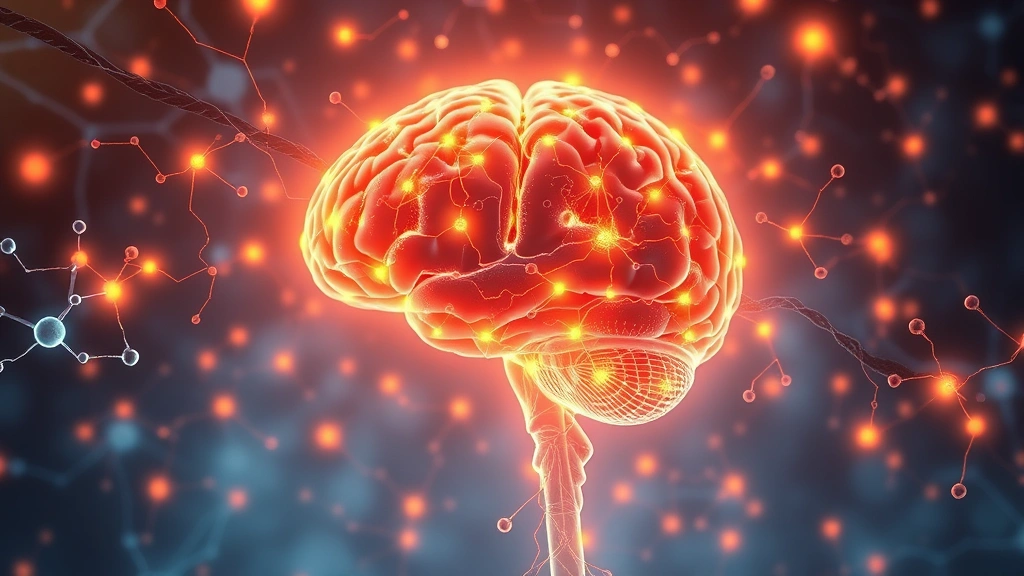
Mindfulness—the practice of present-moment awareness without judgment—produces measurable neurobiological changes that directly counteract trauma-related brain alterations. Neuroscience research demonstrates that trauma reorganizes neural pathways, particularly in the amygdala (emotional processing), prefrontal cortex (rational thinking), and hippocampus (memory formation). These changes create the characteristic trauma symptoms: emotional overwhelm, difficulty accessing rational thought during stress, and fragmented memory processing.
Regular mindfulness practice strengthens the prefrontal cortex, enhancing executive function and emotional regulation capacity. Functional MRI studies show that experienced meditators demonstrate increased gray matter density in brain regions associated with learning, memory, and emotional regulation. Simultaneously, mindfulness reduces amygdala reactivity—the brain’s alarm system becomes less hair-trigger, allowing survivors to experience emotional stimuli without immediate overwhelm.
Mindfulness also addresses the hippocampal dysfunction common in trauma survivors. The hippocampus normally contextualizes traumatic memories, filing them as past events. Trauma disrupts this process, causing flashbacks where survivors re-experience events as present-moment threats. Mindfulness meditation strengthens hippocampal function, facilitating proper memory integration and reducing intrusive flashback intensity.
The practice activates the parasympathetic nervous system—the body’s relaxation response—counteracting the chronic sympathetic (fight-flight) activation characteristic of trauma. Through vagal stimulation and conscious breathing, mindfulness literally shifts survivors from hyperarousal to a state where genuine rest and processing become possible. This physiological shift is essential for healing, as trauma recovery requires moving out of survival mode.
Research Evidence Supporting Mindfulness for Trauma Recovery
Multiple randomized controlled trials demonstrate mindfulness-based interventions’ effectiveness for trauma-related conditions. A landmark study published in JAMA Psychiatry found that mindfulness-based stress reduction produced comparable outcomes to pharmaceutical treatment for anxiety disorders, with sustained benefits at follow-up.
Research specifically examining LGBTQ+ mental health outcomes shows that identity-affirming therapy combined with mindfulness practices produces superior results compared to either approach alone. A study in Psychology of Sexual Orientation and Gender Diversity found that mindfulness-based cognitive therapy adapted for LGBTQ+ trauma survivors significantly reduced depression, anxiety, and suicidal ideation while improving self-acceptance and identity integration.
The mechanism appears multifaceted. Mindfulness reduces rumination—the repetitive negative thinking that perpetuates depression and anxiety. Survivors of conversion therapy often ruminate extensively about their experiences, questioning their identity and worth. Mindfulness interrupts this pattern by anchoring attention to present sensory experience, providing respite from traumatic cognition.
Additionally, mindfulness cultivates self-compassion—a critical antidote to the shame internalized during conversion therapy. Rather than judging oneself for trauma responses, survivors learn to approach their experience with kindness and understanding. This shift from self-criticism to self-compassion represents a fundamental psychological reorientation that supports lasting healing.
The journal Psychological Trauma publishes extensive research on evidence-based interventions for survivors. Meta-analyses consistently identify mindfulness-based approaches among the most effective complementary treatments for PTSD and complex trauma.
Practical Mindfulness Techniques for Survivors
Effective mindfulness practice for conversion therapy survivors requires approaches specifically adapted to trauma physiology and psychological needs. Generic meditation apps may prove ineffective or even triggering for survivors whose nervous systems remain hypervigilant.
Grounding Techniques form the foundation of trauma-informed mindfulness. The 5-4-3-2-1 sensory awareness exercise anchors survivors in present reality: identify five things you can see, four you can touch, three you can hear, two you can smell, one you can taste. This practice interrupts dissociation and flashbacks by engaging sensory systems, literally bringing awareness back to the present moment where survivors are safe.
Loving-kindness meditation directly addresses shame and self-rejection. Survivors begin by directing compassionate phrases toward themselves: “May I be safe, may I be healthy, may I be at ease.” Extending this practice toward others, including those who caused harm, doesn’t require forgiveness but facilitates emotional release and reduces the resentment that compounds trauma.
Body scan meditation helps survivors reconnect with physical sensations in a safe, controlled manner. Conversion therapy often involves bodily shame and disconnection from physical experience. Slowly moving attention through the body, noticing sensations without judgment, gradually rebuilds interoceptive awareness—the ability to sense internal bodily states—which trauma disrupts.
Breath awareness practices regulate the nervous system through the vagus nerve. Extending the exhale slightly longer than the inhale activates parasympathetic response. Box breathing (inhale four counts, hold four, exhale four, hold four) provides concrete structure that anxious minds find grounding.
Professionals offering speech therapy near me and other therapeutic services increasingly recognize the value of integrated approaches combining traditional modalities with mindfulness-based practices for comprehensive healing.
Integration with Professional Mental Health Care
Mindfulness works most effectively as a complement to, not replacement for, professional psychotherapy. Survivors benefit from trauma-informed therapy—specifically modalities like cognitive processing therapy, prolonged exposure therapy adapted for LGBTQ+ clients, or internal family systems therapy that addresses dissociated trauma parts.
The combination of psychotherapy and mindfulness creates synergistic effects. Therapy provides cognitive restructuring and trauma narrative processing, while mindfulness develops the emotional regulation capacity necessary to tolerate this processing without becoming overwhelmed. Therapists trained in both modalities can guide survivors in applying mindfulness during therapy sessions to manage acute distress and process difficult material.
Many survivors benefit from exploring therapy cost information to understand financial barriers and locate affordable care. Insurance coverage increasingly includes mindfulness-based interventions when delivered by qualified mental health professionals.
Group-based mindfulness programs specifically designed for LGBTQ+ trauma survivors create additional benefits. Shared experience reduces isolation, validates trauma responses, and builds community—particularly important for survivors whose families rejected them. Groups normalize the healing journey and demonstrate that recovery is possible.
Spiritual direction or pastoral counseling from LGBTQ+-affirming clergy can address spiritual trauma, helping survivors reconcile faith with identity. Some survivors find that mindfulness practices facilitate reconnection with spirituality on their own terms, separate from traumatic religious contexts.
Policy Progress and Legislative Protections
Governor Andy Beshear’s advocacy against conversion therapy represents crucial policy progress protecting vulnerable individuals from psychological harm. Kentucky’s legislative efforts to ban conversion therapy reflect growing recognition that these practices constitute abuse rather than treatment.
As of 2024, over 25 U.S. states have banned conversion therapy, with many more considering legislation. These laws protect minors from forced participation in harmful interventions, establishing that LGBTQ+ identity requires no “cure.” However, survivors of practices that occurred before bans or in states without protections continue suffering and seeking healing resources.
Legislative progress reinforces the scientific consensus: major medical organizations worldwide reject conversion therapy. The American Psychological Association’s official position emphasizes that sexual orientation and gender identity are not disorders requiring treatment.
Policy advocacy increasingly includes funding for survivor support services, mental health treatment access, and research into effective healing modalities. Some states allocate resources specifically for trauma-informed therapy and mindfulness programs serving LGBTQ+ survivors.
Comprehensive approaches combining legislative protection with accessible treatment create the conditions where survivors can genuinely heal. Education initiatives teaching mental health professionals about conversion therapy trauma ensure that survivors receive appropriate, evidence-based care.
FAQ
Can mindfulness alone cure conversion therapy trauma?
No. Mindfulness serves as an essential complement to professional psychotherapy but shouldn’t replace it. Complex trauma requires comprehensive treatment including cognitive processing, trauma narrative work, and emotional regulation development. Mindfulness enhances these therapeutic processes but addresses only certain aspects of recovery.
Is mindfulness safe for trauma survivors?
Mindfulness can be triggering if practiced without trauma awareness. Survivors should work with trauma-informed instructors who understand hypervigilance, dissociation, and flashback responses. Grounding-based approaches prove safer than extended meditation for acutely traumatized individuals.
How long before mindfulness produces noticeable benefits?
Most survivors report initial improvements in anxiety and emotional regulation within 2-4 weeks of consistent practice. Deeper trauma processing and identity integration typically require 3-6 months of combined mindfulness and psychotherapy.
What if I experienced conversion therapy within a religious context?
Spiritual trauma requires specific attention. Mindfulness can facilitate reconnection with spirituality on your own terms. LGBTQ+-affirming spiritual directors and therapists trained in religious trauma can help integrate faith with identity in healthy ways.
Are there mindfulness resources specifically for LGBTQ+ trauma survivors?
Yes. Organizations like The Trevor Project, PFLAG, and LGBTQ+-specific mental health providers offer mindfulness-based programming. Many therapists now offer teletherapy, increasing access to specialized care regardless of geographic location.
How does mindfulness compare to medication for trauma symptoms?
Research shows mindfulness produces comparable anxiety reduction to medication without side effects. Many survivors benefit from combined approaches—medication managing acute symptoms while mindfulness and therapy address underlying trauma. Decisions should involve consultation with qualified mental health professionals.