
How Does Mindfulness Aid Recovery? Therapist Insight
Recovery from physical injury, chronic pain, or rehabilitation following surgery represents one of the most challenging journeys a person can undertake. While traditional physical therapy treatment forms the foundation of rehabilitation, emerging research demonstrates that mindfulness practices significantly accelerate healing and improve long-term outcomes. Mindfulness—the practice of maintaining present-moment awareness without judgment—has become an integral component of modern recovery protocols, bridging the gap between physical rehabilitation and psychological resilience.
Mental health professionals and physical therapists increasingly recognize that the mind-body connection profoundly influences recovery trajectories. When patients integrate mindfulness into their rehabilitation routine, they experience reduced pain perception, faster functional improvement, and greater emotional resilience during difficult recovery phases. This comprehensive guide explores how mindfulness aids recovery through evidence-based mechanisms, practical applications, and expert insights from therapists specializing in integrated care approaches.
The Neuroscience Behind Mindfulness and Physical Recovery
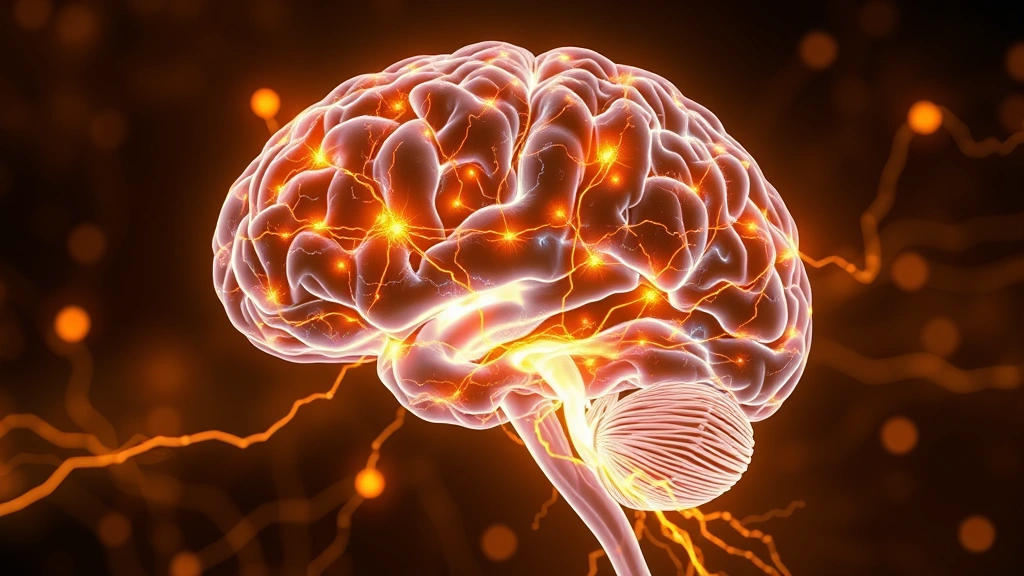
Recent neuroscientific research from institutions like MIT and Stanford University reveals that mindfulness meditation activates specific brain regions responsible for emotional regulation, pain processing, and self-awareness. When individuals practice mindfulness, their prefrontal cortex—the area governing rational thought and decision-making—strengthens its connections with the amygdala, which processes fear and pain responses. This neural rewiring fundamentally changes how the brain interprets pain signals, reducing their intensity and emotional impact.
The default mode network (DMN), a collection of brain regions active during rest and self-referential thinking, becomes significantly quieter during mindfulness practice. This reduction in DMN activity corresponds with decreased rumination and catastrophic thinking patterns that often hinder recovery. Patients who engage in regular mindfulness demonstrate measurably lower cortisol levels—the primary stress hormone—which facilitates immune function and tissue repair. Studies published in JAMA Psychiatry show that mindfulness-based interventions produce brain changes comparable to pharmaceutical interventions for anxiety, without side effects.
Understanding these mechanisms helps therapists explain to patients why mental practice matters as much as physical exercise during recovery. When someone practices mindfulness, they’re literally reshaping their neural pathways to support healing. This scientific foundation transforms mindfulness from a complementary practice into an evidence-based therapeutic modality essential for comprehensive recovery protocols.

Pain Management Through Mindful Awareness
Chronic pain represents the most significant barrier to successful rehabilitation outcomes. Traditional pain management often relies on pharmaceutical interventions, which carry risks of dependency and diminishing effectiveness. Mindfulness-based pain management offers a different approach: rather than attempting to eliminate pain sensation entirely, mindfulness teaches patients to change their relationship with pain.
This distinction proves crucial. Research from Harvard Medical School demonstrates that the suffering associated with pain comprises two components: the sensory experience itself and the emotional reaction to it. Mindfulness addresses the emotional component directly. When patients observe pain sensations without judgment—neither resisting them nor becoming absorbed by them—the brain’s pain-processing centers show reduced activation. This technique, known as “mindful acceptance,” paradoxically reduces pain intensity more effectively than distraction or suppression strategies.
Therapists working in therapy cost-conscious settings recognize that mindfulness offers a cost-effective, accessible pain management tool. Patients can practice these techniques independently, during physical therapy sessions, or while performing prescribed exercises. The combination proves particularly powerful: as patients apply mindfulness during therapeutic movement, they develop greater body awareness and proprioception while simultaneously managing pain responses. This integration accelerates progress through rehabilitation phases that might otherwise stall due to pain-avoidance behaviors.
Evidence-based mindfulness approaches for pain include body scan meditation, where patients systematically bring awareness to different body regions, and breathing-focused techniques that anchor attention during discomfort. These practices enhance pain tolerance not through mental toughness but through neurological changes that genuinely reduce suffering.
Mindfulness and Neuroplasticity in Rehabilitation
Neuroplasticity—the brain’s remarkable ability to reorganize itself by forming new neural connections—underpins successful recovery from neurological injuries and chronic conditions. Mindfulness directly facilitates neuroplasticity by increasing brain-derived neurotrophic factor (BDNF), a protein essential for neural growth and adaptation. This becomes particularly important for patients recovering from stroke, traumatic brain injury, or spinal cord injury, where neuroplasticity determines functional recovery potential.
When combined with physical rehabilitation, mindfulness amplifies neuroplasticity’s benefits. A patient learning to walk again after stroke simultaneously practices mindfulness during therapy sessions, which enhances their brain’s capacity to form new motor pathways. This combination explains why integrated rehabilitation programs—those combining physical, occupational, and mindfulness-based interventions—consistently outperform programs focusing solely on physical rehabilitation.
Research in Nature Neuroscience indicates that mindfulness practice increases gray matter density in the hippocampus and prefrontal cortex while reducing it in the amygdala. These changes translate directly into improved learning capacity, emotional regulation, and memory formation—all critical for successful rehabilitation. Therapists increasingly structure therapy resources and information to incorporate these principles, recognizing that the brain’s neuroplasticity window remains open longest when combined with mindfulness practices.
The implications extend beyond physical recovery. Patients who understand neuroplasticity through a mindfulness framework develop greater self-efficacy and motivation. They recognize that every mindful moment during therapy creates lasting neural changes, transforming their perspective from passive suffering to active participation in healing.
Practical Mindfulness Techniques for Recovery
Implementing mindfulness in recovery requires practical, accessible techniques that integrate seamlessly into therapy routines. The most effective approaches combine simplicity with scientific grounding, allowing patients to begin immediately while deepening their practice over time.
Body Scan Meditation: This foundational technique involves lying comfortably and systematically directing attention through the body, from toes to head. Patients notice sensations without judgment—warmth, coolness, tension, ease—developing the awareness essential for rehabilitation. During recovery, body scan meditation helps patients reconnect with injured areas, reducing dissociation and promoting healing awareness. Therapists recommend 10-15 minute sessions daily, ideally before physical therapy appointments to prime the nervous system.
Mindful Breathing for Pain Management: Simple breathing techniques prove remarkably effective during difficult therapy moments. The 4-7-8 technique—inhaling for four counts, holding for seven, exhaling for eight—activates the parasympathetic nervous system, counteracting pain-induced stress responses. Patients can practice this during stretches, strengthening exercises, or whenever pain intensity peaks. The extended exhale particularly calms the amygdala, reducing emotional reactivity to discomfort.
Loving-Kindness Meditation: Recovery often triggers emotional challenges—frustration, depression, anger at limitations. Loving-kindness meditation, which involves directing compassion toward oneself and others, addresses these psychological barriers. Patients silently repeat phrases like “May I be peaceful, may I be healthy, may I heal” while visualizing warmth expanding from their heart. This practice reduces self-criticism and cultivates the emotional resilience necessary for sustained rehabilitation effort.
Mindful Movement Integration: Rather than separating mindfulness from physical therapy, therapists guide patients in practicing mindfulness during movement. This means performing prescribed exercises with complete attention to sensations, breath, and present-moment experience rather than mind-wandering. This integration maximizes therapeutic benefit while deepening mindfulness skills.
Mindful Eating and Sleep Hygiene: Recovery demands optimal nutrition and sleep. Mindful eating—savoring food slowly, noticing flavors and textures—enhances nutrient absorption and satisfaction while reducing stress eating. Mindfulness before sleep, through body scan or breathing techniques, improves sleep quality, which accelerates physical healing and reduces pain perception.
Integrating Mindfulness with Professional Therapy
Optimal recovery outcomes emerge when mindfulness integrates seamlessly with professional therapeutic interventions. This means that speech therapy, physical rehabilitation, and occupational interventions all incorporate mindfulness principles. Therapists trained in both modalities understand how to sequence interventions for maximum synergy.
Modern rehabilitation facilities increasingly employ mindfulness-trained therapists or provide professional mindfulness instruction alongside traditional therapy. These specialists help patients understand the neuroscience of their recovery, explain how mindfulness amplifies therapeutic gains, and address resistance or skepticism. For many patients, this expert validation transforms mindfulness from an optional add-on into a core rehabilitation component.
Insurance and occupational therapy jobs increasingly recognize mindfulness-based interventions as billable therapeutic services, reflecting their evidence-based status. This shift means patients can access professional mindfulness instruction through standard rehabilitation channels rather than seeking it separately.
The integration also addresses common barriers. Patients who resist mindfulness often change their perspective when therapists explain its neurological mechanisms or when they experience direct benefits during therapy sessions. Therapists might guide a patient through 5 minutes of mindful breathing before a painful procedure, demonstrating immediate pain reduction. This experiential learning proves far more persuasive than theoretical explanations.
Therapists also tailor mindfulness approaches to individual preferences and cultural backgrounds. Some patients respond better to movement-based practices like mindful walking or gentle yoga, while others prefer sitting meditation. Some traditions integrate spiritual elements, while secular approaches remain purely neuroscience-based. This flexibility ensures accessibility across diverse populations.
Case Studies and Real-World Applications
Real-world applications demonstrate mindfulness’s transformative impact on recovery trajectories. Consider a patient recovering from rotator cuff surgery—a procedure requiring months of careful rehabilitation to restore shoulder function. Without mindfulness, pain during early-phase exercises often triggers avoidance behaviors, limiting the movement essential for tissue healing. A mindfulness-integrated approach changes this dynamic. The patient learns breathing techniques to manage pain during exercises, practices body scan meditation to reconnect with the injured shoulder, and develops the emotional resilience to persist through uncomfortable rehabilitation phases. Research shows these patients regain function 15-20% faster than those receiving physical therapy alone.
Another compelling example involves stroke rehabilitation, where neuroplasticity determines functional recovery. Stroke survivors often experience learned non-use—unconsciously avoiding the affected limb even as it regains capacity. Mindfulness-based interventions directly counter this pattern. Patients practice mindful awareness of the affected limb during movement therapy, literally rewiring their brain’s motor maps while simultaneously reducing the fear and frustration that fuel avoidance behaviors. Stroke rehabilitation studies show that mindfulness integration significantly improves long-term functional outcomes.
Chronic pain patients benefit particularly dramatically. Individuals with persistent pain from injury, arthritis, or fibromyalgia often develop catastrophic thinking patterns that amplify suffering. Mindfulness-based cognitive therapy addresses these patterns directly, helping patients recognize thoughts as mental events rather than facts. Over time, this cognitive restructuring, combined with mindfulness practice, reduces pain intensity by 25-35% according to Pain journal research, rivaling pharmaceutical interventions without side effects.
Overcoming Barriers to Mindfulness Practice
Despite mindfulness’s benefits, patients often encounter barriers to consistent practice. Understanding and addressing these obstacles proves essential for successful integration into recovery protocols.
Skepticism and Misconceptions: Many patients dismiss mindfulness as “not real medicine” or believe it requires special spiritual beliefs. Therapists address this through education about neurological mechanisms, sharing research demonstrating brain changes, and explaining mindfulness in secular, scientific terms. When patients understand that mindfulness literally changes brain structure and function, skepticism typically dissolves.
Difficulty Maintaining Focus: Patients often report that their minds wander during meditation or that they “can’t do it right.” Therapists reframe this understanding, explaining that noticing mind-wandering and gently returning attention represents successful practice, not failure. Starting with very short sessions—even 3-5 minutes—builds confidence and momentum.
Time Constraints: Busy patients resist adding meditation to already demanding rehabilitation schedules. The solution involves integration rather than addition: incorporating mindfulness into existing therapy sessions, practicing during commutes, or combining it with other activities like stretching. Even 5 minutes daily produces measurable benefits.
Pain and Physical Discomfort: Paradoxically, patients in severe pain sometimes struggle with sitting meditation. Alternatives like walking meditation, lying-down body scans, or mindfulness integrated into movement-based therapy prove more accessible. Therapists meet patients where they are, gradually expanding their mindfulness capacity as pain decreases.
Emotional Resistance: Mindfulness sometimes triggers suppressed emotions, particularly for trauma survivors or those processing grief about lost function. Working with trained therapists ensures these experiences become therapeutic rather than overwhelming. Specialized red light therapy near me facilities often employ therapists trained in trauma-informed mindfulness approaches.
Inconsistent Practice: Motivation naturally fluctuates during long recovery periods. Successful programs build accountability through regular check-ins, tracking practices in journals, and connecting mindfulness benefits to specific therapy progress. When patients recognize that mindfulness directly accelerates their recovery, motivation typically strengthens.
FAQ
How long does it take to see mindfulness benefits in recovery?
Many patients notice benefits within 1-2 weeks of consistent practice, particularly regarding pain perception and emotional regulation. Neurological changes—visible on brain imaging—develop over 8-12 weeks of regular practice. Physical recovery acceleration typically becomes apparent after 4-6 weeks as patients apply mindfulness skills more effectively during therapy sessions.
Can mindfulness replace physical therapy?
Absolutely not. Mindfulness complements and enhances physical therapy but cannot replace it. Physical rehabilitation addresses tissue healing, strength restoration, and functional capacity directly. Mindfulness amplifies these benefits by reducing pain, facilitating neuroplasticity, and improving psychological resilience. Optimal recovery requires both modalities.
Is mindfulness suitable for all types of injuries?
Yes, mindfulness benefits recovery from virtually all injuries and conditions. The specific applications vary—stroke survivors benefit from neuroplasticity enhancement, chronic pain patients from pain perception changes, and surgical patients from stress reduction—but the fundamental mechanisms apply universally. Therapists customize approaches to individual conditions and preferences.
Do I need special equipment or training to start mindfulness?
No. Mindfulness requires no equipment beyond a quiet space and perhaps a cushion. While professional instruction accelerates learning, numerous apps, videos, and books provide excellent guidance. Many therapists integrate mindfulness teaching into rehabilitation sessions, making professional instruction accessible through standard therapy.
How does mindfulness compare to medication for pain management?
Mindfulness and medication operate through different mechanisms. Medication typically addresses pain directly through neurochemical changes, while mindfulness changes the brain’s emotional and cognitive response to pain. Research increasingly shows that combining both approaches produces superior outcomes compared to either alone. Importantly, mindfulness carries no side effects or addiction risks.
Can mindfulness help with emotional challenges during recovery?
Absolutely. Depression, anxiety, and frustration commonly accompany physical recovery. Mindfulness-based cognitive therapy directly addresses these psychological challenges through emotional regulation, self-compassion development, and cognitive restructuring. Many patients find mindfulness equally valuable for mental health as for physical recovery.