
Chiropractic Benefits: Expert Insights and Research Findings
Chiropractic care has emerged as one of the most sought-after complementary health approaches in modern wellness practices. Millions of patients worldwide turn to chiropractors annually seeking relief from pain, improved mobility, and enhanced overall health. The advantages of chiropractic therapy extend far beyond simple pain management, encompassing a holistic approach to musculoskeletal health and nervous system function that aligns with contemporary evidence-based medicine.
Understanding the true benefits of chiropractic treatment requires examining both clinical research and patient outcomes. This comprehensive guide explores the scientific foundations, therapeutic mechanisms, and documented advantages that make chiropractic care a valuable component of integrative healthcare. Whether you’re considering chiropractic treatment for the first time or seeking to deepen your understanding of its benefits, this article provides expert insights backed by rigorous research and clinical experience.
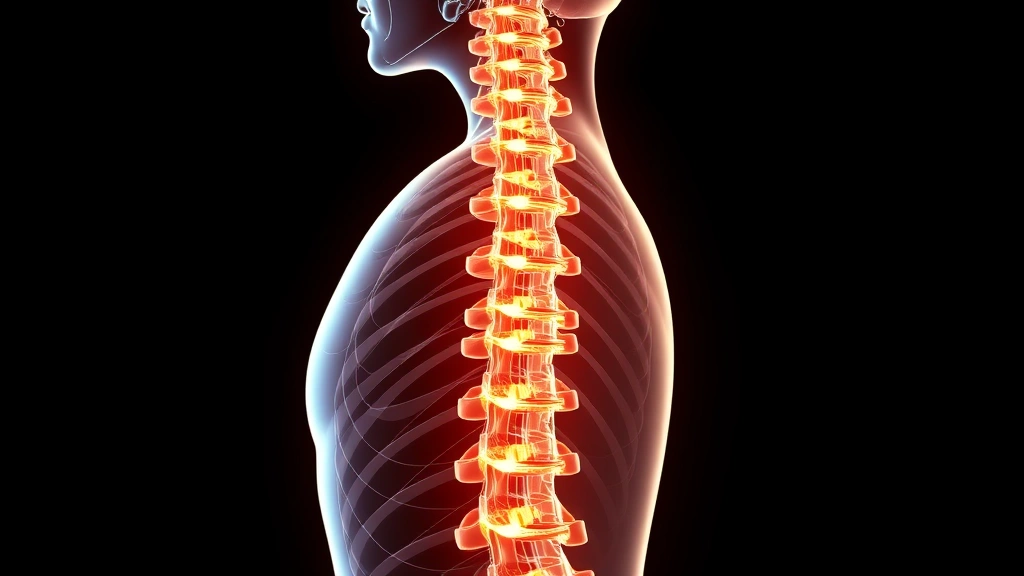
Understanding Chiropractic Care and Its Core Principles
Chiropractic medicine is grounded in the fundamental principle that proper alignment of the body’s musculoskeletal structure, particularly the spine, enables the body to heal itself without surgery or pharmaceutical intervention. Licensed chiropractors undergo extensive training in anatomy, physiology, and biomechanics, typically completing four years of doctoral education after their undergraduate studies. This rigorous educational foundation ensures that practitioners understand the complex relationships between spinal alignment, nerve function, and overall health.
The primary technique employed by chiropractors is spinal manipulation, also known as chiropractic adjustment. This controlled application of force to joints that have restricted movement aims to restore mobility and reduce nerve irritation. Modern chiropractic practice integrates multiple therapeutic modalities beyond manipulation, including soft tissue therapy, therapeutic exercises, ergonomic counseling, and nutritional guidance. This multimodal approach distinguishes contemporary chiropractic care from historical perceptions and aligns it more closely with evidence-based physical medicine practices.
Research published by the National Institutes of Health demonstrates that spinal manipulation activates multiple neurophysiological mechanisms that contribute to pain reduction and functional improvement. Understanding these mechanisms is essential for appreciating why chiropractic benefits extend beyond temporary symptom relief to produce lasting improvements in health and function.

Pain Relief and Management Benefits
One of the most well-documented advantages of chiropractic therapy is its effectiveness in managing acute and chronic pain conditions. Low back pain, the leading cause of disability worldwide according to the Global Burden of Disease Study, responds particularly well to chiropractic intervention. Clinical trials consistently demonstrate that patients receiving chiropractic care report significant pain reduction compared to control groups, with many patients achieving pain relief without pharmaceutical dependence.
Neck pain, another prevalent musculoskeletal complaint, shows remarkable improvement with chiropractic treatment. The cervical spine’s delicate structure and critical function make it susceptible to injury from trauma, poor posture, and degenerative processes. Chiropractors employ specialized techniques specifically designed for cervical spine care, reducing nerve compression and restoring normal movement patterns. Patients commonly report relief from associated symptoms including headaches, dizziness, and upper extremity pain.
The pain management benefits extend to conditions such as tension headaches, migraines, and whiplash injuries. Research indicates that spinal manipulation addresses the underlying biomechanical dysfunction rather than merely masking symptoms with medication. This approach proves particularly valuable for patients seeking to reduce reliance on opioid medications or nonsteroidal anti-inflammatory drugs, especially given the well-documented risks associated with long-term pharmaceutical use. The Spine Health Institute recognizes chiropractic manipulation as a first-line treatment option for many pain conditions.
Improved Spinal Health and Alignment
Maintaining optimal spinal alignment represents a foundational principle of chiropractic care, with significant implications for overall health. The spine houses and protects the spinal cord, the central pathway for communication between the brain and body. Misalignments, termed vertebral subluxations by chiropractors, can disrupt this communication and contribute to various health problems. Chiropractic adjustments restore proper alignment, optimizing neurological function and supporting the body’s natural healing processes.
Degenerative disc disease and osteoarthritis of the spine are progressive conditions that benefit substantially from preventive chiropractic care. Regular adjustments maintain spinal mobility, reduce abnormal stress on intervertebral discs, and slow degenerative processes. Patients who receive ongoing chiropractic care often experience slower progression of degenerative changes compared to those relying solely on symptomatic treatment. This preventive approach aligns with modern healthcare’s increasing emphasis on maintaining health rather than simply treating disease.
Posture correction represents another critical benefit of chiropractic care. Modern lifestyles characterized by prolonged sitting, screen time, and sedentary work create chronic postural stress. Chiropractors assess posture, identify dysfunctional patterns, and implement corrective strategies including adjustments, therapeutic exercises, and ergonomic modifications. Improved posture reduces strain on spinal structures, enhances breathing capacity, and contributes to better overall function. This connects naturally to broader therapy resources available for comprehensive wellness.
Enhanced Nervous System Function
The relationship between spinal alignment and nervous system function represents perhaps the most profound aspect of chiropractic medicine. The vertebral column protects the spinal cord and provides passage for spinal nerves that branch to every organ and tissue in the body. Vertebral misalignment can create pressure on these nerves, interfering with their ability to transmit signals efficiently. This nerve interference may manifest as pain, dysfunction, or reduced vitality in areas seemingly unrelated to the spine.
Chiropractic adjustments remove nerve interference by restoring normal vertebral position and movement. This restoration of neurological integrity allows the nervous system to function optimally, supporting immune function, digestive health, cardiovascular regulation, and countless other physiological processes. While chiropractic care is not a cure-all, the fundamental principle that optimizing nervous system function supports overall health has substantial scientific support.
Studies examining the neurological effects of spinal manipulation reveal measurable changes in brain activity, nerve conduction velocity, and neurotransmitter levels. These findings provide objective evidence that chiropractic adjustments produce real physiological changes beyond subjective symptom improvement. The Journal of Manipulative and Physiological Therapeutics publishes peer-reviewed research documenting these neurological mechanisms, contributing to the growing body of evidence supporting chiropractic practice.
Athletic Performance and Injury Prevention
Professional and amateur athletes increasingly recognize the performance-enhancing benefits of chiropractic care. Optimal spinal alignment and nervous system function directly translate to improved athletic performance, enhanced proprioception, and better neuromuscular coordination. Many elite athletes maintain regular chiropractic care as part of their training regimen, crediting it with competitive advantages and injury prevention.
Chiropractic treatment accelerates recovery from sports injuries by addressing both the acute injury and underlying biomechanical dysfunction that contributed to the injury. A runner with knee pain, for example, may benefit from chiropractic evaluation of hip and ankle alignment, as lower extremity injuries often result from compensatory movement patterns originating in the spine or pelvis. This comprehensive approach prevents recurrence and optimizes return to sport.
Injury prevention represents perhaps the most valuable application of chiropractic care in athletic populations. Regular adjustments maintain optimal biomechanics, identify movement pattern dysfunction before it causes injury, and support the nervous system’s role in proprioception and balance. Athletes receiving preventive chiropractic care experience fewer injuries and maintain higher performance levels throughout their competitive careers. This preventive philosophy complements other therapeutic approaches, including the physical therapy treatment approaches used in rehabilitation medicine.
Complementary Approach to Physical Rehabilitation
Chiropractic care functions effectively as a complement to other therapeutic modalities in comprehensive rehabilitation programs. Patients recovering from traumatic injuries, surgical procedures, or chronic conditions benefit from the integrated approach that combines chiropractic adjustments with therapeutic exercise, manual therapy, and functional rehabilitation. This multimodal strategy addresses pain, restores mobility, and rebuilds strength more effectively than single-modality treatment.
The advantages of chiropractic therapy become particularly evident in cases where traditional physical medicine approaches need supplementation. While physical therapists excel at therapeutic exercise prescription and functional restoration, chiropractors bring specialized expertise in spinal mechanics and manipulation. Together, these professionals create comprehensive treatment plans addressing both structural alignment and functional capacity. Patients accessing both types of care often achieve superior outcomes compared to those receiving either treatment alone.
Integration with other healthcare providers enhances patient outcomes significantly. A patient with chronic neck pain might benefit from chiropractic adjustments to restore cervical alignment, supplemented by speech therapy resources if swallowing or voice issues complicate the clinical picture, and coordinated care with their primary care physician. This collaborative approach represents modern integrative medicine at its finest, combining the strengths of multiple healthcare disciplines to optimize patient results.
Long-term Health Outcomes and Quality of Life
Perhaps the most compelling evidence for chiropractic benefits emerges from long-term outcome studies examining health and quality of life improvements. Patients receiving ongoing chiropractic care report sustained pain reduction, improved functional capacity, enhanced energy levels, and greater life satisfaction compared to baseline. These improvements persist years after treatment initiation, suggesting that chiropractic care produces lasting benefits rather than temporary symptom relief.
Healthcare cost reduction represents another significant long-term benefit. Patients utilizing chiropractic care demonstrate lower overall healthcare expenditures, fewer hospitalizations, and reduced pharmaceutical usage. Insurance data consistently shows that patients with access to chiropractic care utilize emergency services less frequently and experience better preventive health outcomes. These economic benefits extend beyond individual patients to entire healthcare systems, making chiropractic care an increasingly attractive option from both clinical and economic perspectives.
Quality of life improvements encompass physical, mental, and emotional dimensions. Patients freed from chronic pain experience improved sleep, enhanced mood, greater social participation, and increased productivity. These holistic improvements reflect the interconnected nature of health, where physical well-being profoundly influences psychological and emotional states. The advantages of chiropractic therapy thus extend far beyond pain relief to encompass comprehensive wellness enhancement. For those interested in exploring occupational therapy careers, the integration of various therapeutic professions demonstrates the expanding scope of healthcare opportunities.
Research from the World Health Organization increasingly recognizes musculoskeletal health as foundational to overall wellness. Chiropractic care’s role in maintaining spinal health and nervous system function positions it as an important component of comprehensive health maintenance strategies. As healthcare systems worldwide shift toward preventive approaches and patient-centered care, chiropractic medicine’s evidence-based benefits become increasingly relevant.
Frequently Asked Questions
Is chiropractic care safe for all ages?
Chiropractic care can be adapted for patients across the lifespan, from infants to elderly individuals. Techniques are modified based on age, health status, and specific conditions. Pediatric chiropractic uses gentle approaches appropriate for developing spines, while geriatric chiropractic addresses age-related changes and fragility. However, certain conditions require modified approaches or contraindicate manipulation entirely. Consultation with a licensed chiropractor ensures appropriate treatment selection.
How many chiropractic sessions are typically needed?
Treatment duration varies considerably based on condition severity, chronicity, and individual healing capacity. Acute injuries might resolve in 4-6 sessions, while chronic conditions often require 12-24 sessions over several weeks. Many patients benefit from ongoing maintenance care—typically monthly or quarterly visits—to prevent recurrence and maintain optimal spinal health. Your chiropractor will develop a personalized treatment plan with realistic expectations for your specific situation.
Can chiropractic care replace medical treatment?
Chiropractic care functions best as a complementary approach integrated with conventional medical care rather than a replacement. Serious conditions requiring pharmaceutical intervention, surgery, or specialist evaluation should not be deferred for chiropractic treatment alone. The most effective healthcare approach involves collaboration between chiropractors, medical doctors, and other specialists, each contributing their expertise toward optimal patient outcomes.
Does insurance typically cover chiropractic treatment?
Coverage varies significantly by insurance plan and jurisdiction. Many plans cover chiropractic care, particularly for acute musculoskeletal conditions, though coverage limits and copayment structures differ. Some plans require referrals or pre-authorization. Medicare covers chiropractic manipulations for subluxation with neuromusculoskeletal manifestations. Workers’ compensation frequently covers chiropractic care for work-related injuries. Checking your specific insurance coverage before beginning treatment prevents unexpected expenses.
Are there conditions where chiropractic care is contraindicated?
Certain conditions require caution or contraindicate chiropractic manipulation entirely, including severe osteoporosis, spinal cord compression, active infection, malignancy, and anticoagulation therapy. Pregnancy requires modified techniques but isn’t a contraindication. Recent fractures, severe ligamentous injuries, and inflammatory arthropathies require careful assessment. A thorough consultation and potentially imaging studies help identify contraindications before treatment initiation.