
Chiropractic Therapy: Benefits Backed by Science
Chiropractic therapy has evolved from alternative medicine into a recognized healthcare discipline with substantial scientific validation. Millions of patients worldwide seek chiropractic care for musculoskeletal pain relief, improved mobility, and overall wellness. This comprehensive guide explores the evidence-based advantages of chiropractic therapy and how it integrates with modern healthcare approaches.
The advantages of chiropractic therapy extend beyond simple pain management. Research demonstrates that spinal manipulation, therapeutic exercises, and lifestyle modifications can address underlying causes of discomfort rather than merely masking symptoms. Understanding these benefits helps patients make informed decisions about their healthcare options.
How Chiropractic Therapy Works
Chiropractic therapy operates on the principle that proper spinal alignment directly influences overall health and nervous system function. The spine houses and protects the central nervous system, making its alignment crucial for optimal bodily function. When vertebrae become misaligned—a condition chiropractors call a subluxation—they can interfere with nerve function and cause pain.
Chiropractors use various techniques to correct these misalignments. The most well-known is spinal manipulation, where controlled force is applied to joints to restore proper movement and alignment. According to research published by the National Center for Biotechnology Information, spinal manipulation can stimulate mechanoreceptors that reduce pain signals and improve proprioception.
Beyond manipulation, modern chiropractic therapy incorporates multiple modalities including soft tissue therapy, stretching exercises, ergonomic counseling, and postural training. This multimodal approach addresses both immediate symptoms and underlying biomechanical dysfunction. Many chiropractors now work collaboratively with medical doctors and physical therapists to provide comprehensive care.
Pain Relief and Musculoskeletal Health
One of the most compelling advantages of chiropractic therapy is its effectiveness in managing acute and chronic pain. Numerous studies demonstrate that spinal manipulation provides significant relief for conditions like lower back pain, neck pain, and headaches. A systematic review in the Spine Journal found that spinal manipulation is comparable to other common treatments for acute lower back pain.
The pain relief mechanisms in chiropractic therapy operate through multiple pathways. Spinal manipulation activates pain-inhibiting neural pathways, reduces muscle tension, improves blood flow, and restores proper joint mechanics. Unlike pharmaceutical interventions, these mechanical adjustments address root causes rather than merely masking symptoms.
Patients suffering from conditions like sciatica, herniated discs, and facet joint syndrome often experience substantial improvement through chiropractic care. The advantages of chiropractic therapy for these conditions include reduced inflammation, improved disc hydration, and restored neural function. Many patients report decreased pain medication dependency after beginning chiropractic treatment, which has significant health implications.
For those seeking alternatives to invasive procedures, chiropractic therapy offers a non-surgical pathway to pain management. This conservative approach aligns with current medical guidelines recommending non-invasive treatments before surgical intervention. When combined with physical therapy approaches, chiropractic care provides comprehensive musculoskeletal management.
Improved Mobility and Range of Motion
Restricted mobility significantly impacts quality of life and functional capacity. Chiropractic therapy directly addresses mobility limitations through targeted interventions. Spinal manipulation restores normal joint mechanics, while therapeutic exercises strengthen supporting muscles and improve flexibility.
Research demonstrates that patients receiving chiropractic care experience measurable improvements in range of motion within weeks of treatment initiation. These improvements reflect genuine biomechanical changes rather than temporary symptomatic relief. As vertebrae realign and joints move more freely, patients naturally increase their activity levels and functional capacity.
The advantages of chiropractic therapy for mobility extend to athletic performance enhancement. Many professional athletes incorporate chiropractic care into their training regimens to optimize spinal function, prevent injuries, and improve performance. Proper spinal alignment enhances nervous system efficiency, which directly translates to improved coordination, balance, and proprioception.
Patients with desk jobs or sedentary lifestyles particularly benefit from chiropractic care’s mobility improvements. Prolonged sitting causes postural dysfunction, vertebral misalignment, and muscle imbalances. Chiropractic adjustments combined with ergonomic modifications and corrective exercises restore normal movement patterns and prevent degenerative changes.
Neurological Benefits
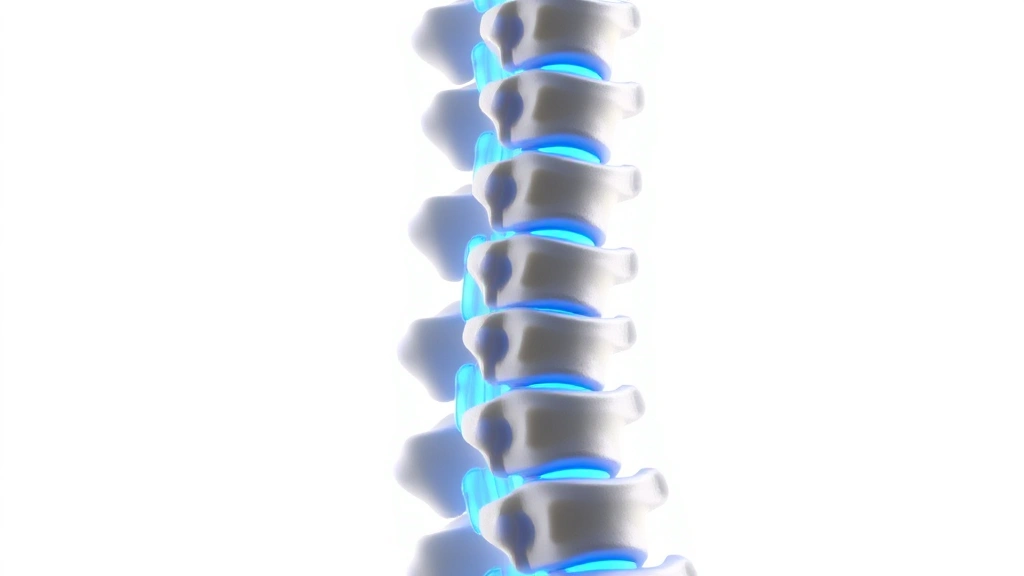
The nervous system’s relationship with spinal health represents one of the most significant advantages of chiropractic therapy. The spinal cord and nerve roots exit through openings between vertebrae, making spinal alignment directly relevant to neurological function. Vertebral misalignment can compress nerves, interfering with communication between the brain and body.
Research from Frontiers in Neuroscience indicates that spinal manipulation influences central nervous system function through multiple mechanisms. These include altered afferent input to the central nervous system, changes in neurotransmitter levels, and modifications in pain processing pathways.
Patients with neurological symptoms like numbness, tingling, and radiating pain often experience resolution through chiropractic care. By removing nerve compression and restoring proper vertebral alignment, chiropractors facilitate normal nerve function and symptom resolution. This neurological benefit extends beyond pain relief to include improved organ function, as spinal nerves innervate virtually all body systems.
The advantages of chiropractic therapy for neurological health include improved sleep quality, enhanced digestion, better immune function, and increased energy levels. While these benefits result from improved nervous system function rather than direct organ treatment, they represent significant quality-of-life improvements for many patients.

Preventive Care and Long-Term Wellness
Chiropractic therapy’s role in preventive healthcare represents one of its most underappreciated advantages. Rather than waiting for pain to develop, regular chiropractic care maintains spinal health and prevents degenerative changes. This proactive approach reduces the likelihood of future injury and chronic pain conditions.
Postural dysfunction develops gradually through years of poor ergonomics, repetitive stress, and lifestyle factors. Early intervention through chiropractic care prevents these postural patterns from becoming entrenched and causing structural damage. Regular adjustments maintain proper alignment and prevent the cascading biomechanical problems that lead to pain.
The advantages of chiropractic therapy for long-term wellness include reduced inflammation, maintained disc integrity, and preserved joint function. These preventive benefits accumulate over years, resulting in better spinal health and reduced reliance on pain medications or surgical interventions. Patients who maintain regular chiropractic care report fewer pain episodes and better overall health.
Integrating chiropractic care with other wellness practices creates a comprehensive health maintenance strategy. When combined with therapy and wellness investments, regular chiropractic care represents a cost-effective approach to long-term health. Prevention always costs less than treating advanced degenerative conditions.
Integration with Physical Therapy
Modern chiropractic therapy increasingly integrates with physical therapy treatment approaches to provide superior outcomes. While chiropractors focus on spinal alignment and joint mechanics, physical therapists emphasize strengthening, flexibility, and functional movement. Combined, these approaches address both structural alignment and muscular support.
The advantages of chiropractic therapy are enhanced when paired with physical therapy protocols. Chiropractic adjustments restore proper joint mechanics, while physical therapy exercises strengthen muscles that maintain this alignment. This combination prevents adjustment rebound and creates lasting improvements in musculoskeletal function.
Collaborative care models where chiropractors and physical therapists communicate about patient progress yield superior results compared to either discipline alone. Patients benefit from comprehensive assessment, coordinated treatment planning, and integrated therapeutic approaches. This interdisciplinary model represents the future of musculoskeletal healthcare.
For patients recovering from injuries or managing chronic conditions, the advantages of chiropractic therapy combined with physical rehabilitation are substantial. The therapy resources available through integrated care providers ensure patients receive evidence-based treatment addressing all aspects of their condition.
Safety Profile and Evidence Base
Chiropractic therapy boasts an excellent safety profile compared to many medical interventions. Spinal manipulation, when performed by qualified practitioners, carries minimal risk of serious complications. The most common side effects are mild soreness or temporary discomfort, which typically resolve within 24-48 hours.
The evidence supporting chiropractic therapy’s safety comes from numerous clinical trials and large-scale studies. Cochrane Reviews examining spinal manipulation for low back pain consistently find favorable safety profiles with minimal adverse events. This contrasts sharply with pharmaceutical pain management, which carries risks of dependency and serious side effects.
Serious complications from chinal manipulation, such as vertebral artery dissection, occur at rates estimated between 1 in 1 million to 1 in 6 million manipulations. These rates are substantially lower than many routine medical procedures and far lower than risks associated with chronic pain medication use or surgical intervention.
Chiropractors undergo rigorous training in anatomy, physiology, pathology, and diagnostic imaging. Licensed practitioners possess the knowledge to identify contraindications and refer patients to appropriate medical specialists when necessary. This professional responsibility ensures that chiropractic care complements rather than replaces necessary medical treatment.
The advantages of chiropractic therapy include not only clinical effectiveness but also safety, accessibility, and non-invasiveness. Patients seeking conservative pain management options find chiropractic care offers evidence-based treatment without the risks associated with pharmaceuticals or surgery. The growing integration of chiropractic care into mainstream healthcare reflects increasing recognition of its scientific validity.
FAQ
What conditions can chiropractic therapy treat?
Chiropractic therapy effectively treats musculoskeletal conditions including lower back pain, neck pain, headaches, sciatica, and postural dysfunction. While chiropractors primarily focus on spinal health, improved nervous system function from proper alignment can benefit various health conditions. However, chiropractors appropriately refer patients with non-musculoskeletal conditions to medical specialists.
How many chiropractic sessions are typically needed?
Treatment duration varies based on condition severity, chronicity, and individual response. Acute conditions might resolve in 4-6 visits, while chronic conditions may require 12-24 visits or longer. Many patients benefit from ongoing maintenance care to prevent recurrence. Your chiropractor should establish a clear treatment plan with expected outcomes.
Is chiropractic therapy covered by insurance?
Many insurance plans cover chiropractic care, though coverage varies significantly. Some plans cover a specific number of visits annually, while others require deductibles. Patients should contact their insurance provider to understand their specific coverage. Many chiropractors also offer affordable cash pay options for uninsured patients.
Can chiropractic therapy prevent future injuries?
Yes, regular chiropractic care maintains spinal health and prevents biomechanical dysfunction that predisposes to injury. Proper alignment, maintained mobility, and strong supporting muscles reduce injury risk significantly. Patients who receive preventive chiropractic care report fewer injuries and better overall health maintenance.
How does chiropractic therapy differ from massage therapy?
While both address musculoskeletal issues, chiropractic therapy focuses on spinal alignment and joint mechanics through manipulation, whereas massage therapy focuses on soft tissue release and relaxation. Chiropractic care addresses structural alignment, while massage addresses muscle tension. Many patients benefit from both modalities used complementarily.
Are there any age restrictions for chiropractic care?
Chiropractic care is appropriate across the lifespan from infants to elderly patients. Techniques are modified based on age and condition, with gentler approaches for children and elderly patients. Pregnant women also benefit from specialized chiropractic care designed for their unique needs. Always inform your chiropractor of your age and any special circumstances.