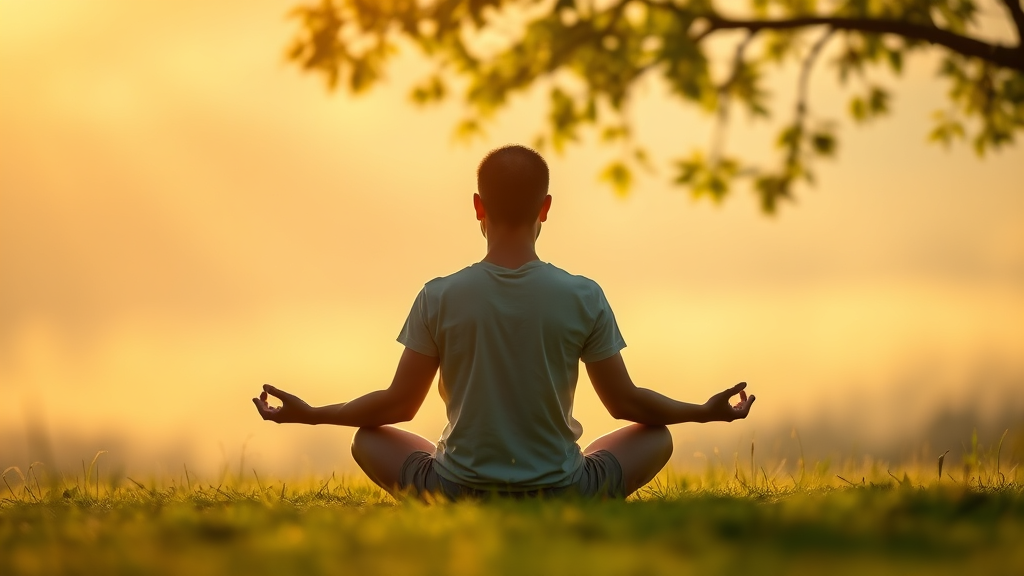
In our fast-paced, constantly connected world, finding moments of genuine peace can feel like an impossible task. The endless stream of notifications, responsibilities, and pressures can leave us feeling overwhelmed, anxious, and disconnected from ourselves. Yet, within each of us lies a powerful tool that can transform our daily experience and bring profound tranquility to even the most chaotic moments: mindfulness.
Mindfulness isn’t just another wellness trend or temporary fix – it’s a scientifically-backed practice that has been cultivating inner peace and emotional resilience for thousands of years. When we learn to harness the power of mindfulness, we discover that everyday peace isn’t something we need to chase or achieve; it’s something we can access right here, right now, in this very moment. Whether you’re dealing with work stress, relationship challenges, health concerns, or simply the general overwhelm of modern life, mindfulness offers a pathway to greater calm, clarity, and contentment.
Understanding Mindfulness: More Than Just Meditation
Mindfulness is often misunderstood as simply sitting quietly with crossed legs, but it’s actually a dynamic way of engaging with life that can be practiced anywhere, anytime. At its core, mindfulness is the practice of paying attention to the present moment with openness, curiosity, and acceptance. It’s about becoming fully aware of what’s happening right now – in your thoughts, emotions, physical sensations, and environment – without getting caught up in judgment or the urge to change anything immediately.
The beauty of mindfulness lies in its simplicity and accessibility. You don’t need special equipment, a particular location, or hours of free time. Whether you’re washing dishes, walking to work, or having a conversation, you can practice mindfulness by bringing your full attention to the experience. This shift in awareness creates space between you and your automatic reactions, allowing you to respond to life’s challenges with greater wisdom and composure.
Research from the American Psychological Association consistently shows that mindfulness practice leads to significant improvements in emotional regulation, stress reduction, and overall well-being. When we understand mindfulness as a skill rather than a destination, we can begin to appreciate how it naturally cultivates the peace we seek in our everyday lives.
The Science Behind Mindfulness and Inner Peace
The relationship between mindfulness and peace isn’t just philosophical – it’s deeply rooted in neuroscience and psychology. When we practice mindfulness regularly, we literally reshape our brains in ways that promote calm, resilience, and emotional balance. Studies using brain imaging technology have revealed that mindfulness practice increases gray matter density in areas associated with learning, memory, and emotional regulation while decreasing activity in the amygdala, the brain’s alarm system.
This neuroplasticity – the brain’s ability to reorganize and form new neural connections – means that every moment of mindful awareness is actually rewiring your brain for greater peace. The prefrontal cortex, responsible for executive function and emotional regulation, becomes stronger and more efficient through mindfulness practice. Meanwhile, the default mode network, which is active during mind-wandering and often associated with rumination and anxiety, becomes less dominant.
The physiological benefits are equally impressive. Research from the National Center for Complementary and Integrative Health demonstrates that mindfulness practice can lower cortisol levels, reduce inflammation, improve immune function, and regulate blood pressure. These changes create a cascade of positive effects throughout the body, supporting not just mental peace but physical well-being as well.
Practical Mindfulness Techniques for Daily Life
Integrating mindfulness into your daily routine doesn’t require dramatic lifestyle changes. Start with the STOP technique: Stop what you’re doing, Take a breath, Observe your current experience, and Proceed with awareness. This simple four-step process can be used in any situation where you notice stress, overwhelm, or disconnection from the present moment.
Mindful breathing is perhaps the most accessible technique. Throughout your day, take moments to notice your breath without trying to change it. Feel the sensation of air entering and leaving your nostrils, the rise and fall of your chest and belly. When your mind wanders – and it will – gently guide your attention back to your breath. This practice strengthens your ability to anchor yourself in the present moment, creating an instant refuge of calm.
Body scanning is another powerful technique that can be practiced anywhere. Starting from the top of your head, slowly move your attention through your body, noticing any sensations, tension, or areas of relaxation. This practice not only increases body awareness but also helps release physical stress and promotes a sense of grounding and peace.
Mindful listening transforms ordinary conversations and environments into opportunities for presence. Instead of planning your response or getting lost in thoughts, give your full attention to the sounds around you – whether it’s a friend’s voice, birds chirping, or the hum of traffic. This practice deepens your connection to the world around you and naturally quiets mental chatter.
Mindful Movement and Physical Awareness
Movement and physical awareness play crucial roles in cultivating everyday peace through mindfulness. When we bring conscious attention to how our bodies move and feel, we create a direct pathway to present-moment awareness that can be incredibly grounding and centering.
Walking meditation is one of the most practical forms of mindful movement. As you walk, whether it’s a short trip to the mailbox or a longer nature hike, focus on the sensation of your feet touching the ground, the rhythm of your steps, and the movement of your body through space. This practice can transform any walk into a peaceful, meditative experience.
For those dealing with physical challenges or disabilities, adapted mindfulness approaches can be particularly beneficial. Physical therapy treatment often incorporates mindfulness principles to help individuals develop greater body awareness and emotional regulation. The integration of mindful attention with movement can enhance the therapeutic benefits of physical interventions and promote overall well-being.
Yoga, tai chi, and qigong are traditional practices that combine mindful movement with breath awareness. However, any form of exercise can become mindful when approached with conscious attention. Whether you’re stretching, dancing, or doing household chores, bringing awareness to your body’s movements and sensations can transform routine activities into opportunities for peace and presence.

Overcoming Common Mindfulness Obstacles
Many people encounter obstacles when beginning a mindfulness practice, and understanding these challenges is essential for maintaining motivation and progress. One of the most common misconceptions is that mindfulness requires a completely quiet mind. In reality, noticing that your mind is busy or distracted is actually a moment of mindfulness – awareness of mental activity is the first step toward greater peace.
Restlessness and physical discomfort during practice are normal experiences that don’t indicate failure. If sitting still feels impossible, try walking meditation or gentle movement practices. The goal isn’t to eliminate discomfort but to develop a different relationship with it – one of acceptance rather than resistance.
Time constraints are another frequent concern, but mindfulness doesn’t require lengthy meditation sessions. Even thirty seconds of conscious breathing can create a meaningful shift in your mental state. Mayo Clinic research shows that brief, consistent practices are often more beneficial than longer, irregular sessions.
Emotional intensity can also arise during mindfulness practice as suppressed feelings surface. This is actually a sign that the practice is working – emotions that have been pushed aside are finally being acknowledged. Having support through resources like the MindLift Daily Blog or professional guidance can be invaluable during these moments of emotional processing.
Building a Sustainable Mindfulness Practice
Creating a lasting mindfulness practice requires patience, self-compassion, and realistic expectations. Start small with just five minutes of daily practice, whether it’s morning breathing exercises, mindful coffee drinking, or evening body scans. Consistency matters more than duration – a brief daily practice will yield greater benefits than sporadic longer sessions.
Establish environmental cues that remind you to practice mindfulness. This might mean setting phone reminders, placing sticky notes in visible locations, or linking mindfulness to existing habits like brushing your teeth or eating meals. These external prompts help transform mindfulness from something you have to remember to do into an automatic part of your routine.
Community support can significantly enhance your practice. Whether through online groups, local meditation centers, or mindfulness apps, connecting with others on similar journeys provides encouragement and accountability. Sharing experiences and challenges with fellow practitioners normalizes the ups and downs of developing this skill.
Remember that mindfulness is a practice, not a performance. There will be days when your mind feels particularly scattered or when you forget to practice altogether. These moments aren’t failures – they’re opportunities to practice self-compassion and gently return to your intention. Psychology Today emphasizes that the attitude you bring to your practice is just as important as the practice itself.
Frequently Asked Questions
How long does it take to experience benefits from mindfulness practice?
Many people notice immediate benefits from mindfulness practice, such as feeling more relaxed or centered after just one session. However, more significant changes in emotional regulation, stress response, and overall well-being typically develop over several weeks to months of consistent practice. Research suggests that practicing for just 10-15 minutes daily can produce measurable brain changes within eight weeks.
Can mindfulness help with anxiety and depression?
Yes, extensive research demonstrates that mindfulness-based interventions can be highly effective for anxiety and depression. Mindfulness helps break the cycle of rumination and worry by teaching you to observe thoughts and emotions without becoming overwhelmed by them. However, mindfulness should complement, not replace, professional mental health treatment when dealing with serious anxiety or depression.
Do I need to sit in a specific position to practice mindfulness?
Not at all. While traditional meditation often involves sitting cross-legged, mindfulness can be practiced in any position that allows you to be alert and comfortable. You can practice while sitting in a chair, lying down, standing, or even walking. The key is maintaining a posture that supports both relaxation and awareness.
What’s the difference between mindfulness and meditation?
Meditation is a formal practice that often involves setting aside specific time to cultivate awareness, while mindfulness is a way of being present that can be applied to any activity throughout your day. Meditation is one way to develop mindfulness skills, but you can also practice mindfulness while eating, walking, working, or having conversations.
Is mindfulness compatible with religious beliefs?
Yes, mindfulness is a secular practice that focuses on present-moment awareness and can complement any religious or spiritual tradition. Many people find that mindfulness enhances their spiritual practice by deepening their capacity for prayer, contemplation, or worship. The core principles of attention, compassion, and awareness are universal and can be integrated into any belief system.
How can I practice mindfulness when I’m very busy or stressed?
Busy and stressful times are actually when mindfulness can be most beneficial. Start with micro-practices: take three conscious breaths before checking emails, notice your body posture while waiting in line, or practice mindful listening during one conversation each day. These brief moments of awareness can create islands of calm in even the most hectic schedules.
What should I do if I fall asleep during mindfulness practice?
Falling asleep during practice is common, especially when you’re tired or practicing lying down. If this happens regularly, try practicing in a seated position, with your eyes slightly open, or at a different time of day when you’re more alert. Remember that rest is sometimes what your body needs most, so don’t judge yourself harshly if you occasionally drift off during practice.