Piezowave Therapy: Does It Boost Mental Health?
Piezowave therapy has emerged as a fascinating intersection between physical medicine and mental wellness, gaining attention from healthcare practitioners seeking innovative approaches to psychological well-being. This cutting-edge technology utilizes acoustic pulse waves to stimulate cellular regeneration and tissue repair, but emerging research suggests its potential extends beyond musculoskeletal applications into the realm of mental health treatment. Understanding how piezowave therapy works and whether it can genuinely impact psychological conditions requires examining the science, evidence, and mechanisms of action underlying this promising therapeutic modality.
Mental health treatment has traditionally relied on pharmacological interventions and talk therapy, yet many patients seek complementary approaches that address the mind-body connection. Piezowave therapy represents one such emerging option, offering a non-invasive, drug-free alternative that some practitioners believe can influence neurological function and emotional regulation. As interest in this technology grows, it becomes increasingly important to separate fact from marketing claims and understand what the current evidence actually demonstrates about piezowave therapy’s mental health applications.
What Is Piezowave Therapy
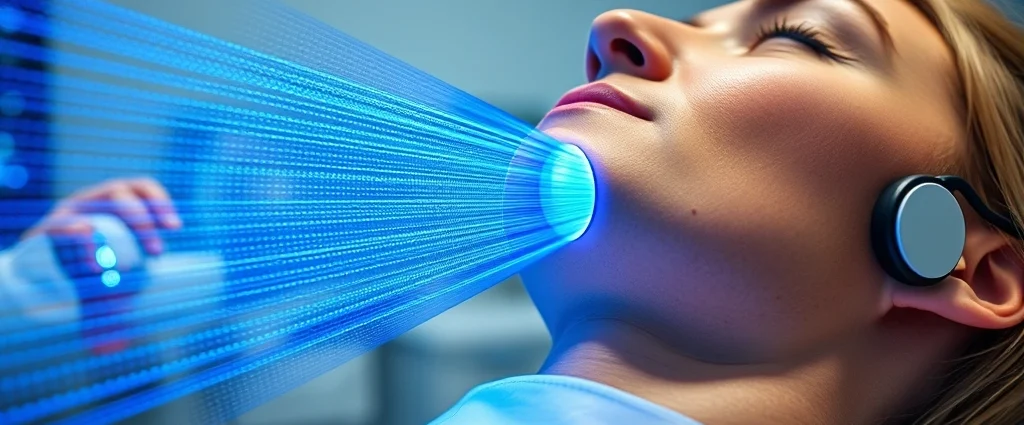
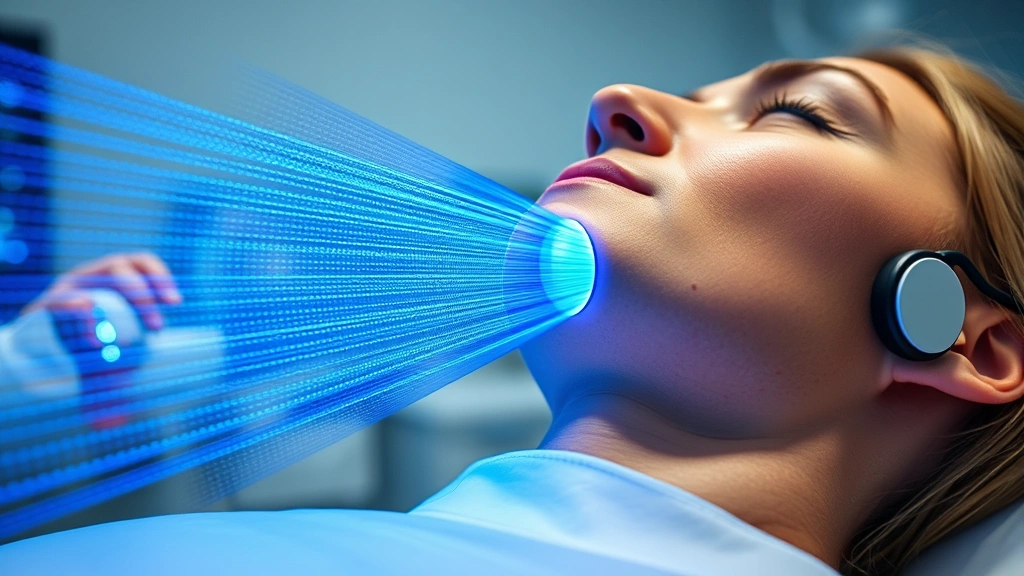
Piezowave therapy, also known as extracorporeal shock wave therapy (ESWT) or acoustic pulse therapy, is a non-invasive medical treatment that delivers focused acoustic energy to targeted tissue areas. The term “piezo” refers to the piezoelectric effect, a phenomenon where certain materials generate electrical charges when mechanically stressed. In therapeutic applications, this principle is reversed: electrical impulses generate mechanical vibrations that create acoustic waves capable of penetrating deep into tissues.
The therapy works through a handheld device that generates rapid pressure pulses, typically ranging from 1,500 to 4,000 impulses per treatment session. These pulses travel through the skin and underlying tissues, reaching depths of several centimeters. Originally developed in the 1980s for breaking kidney stones, piezowave technology has since expanded into orthopedic medicine, sports medicine, and increasingly, neurology and psychiatry. The device focuses acoustic energy on specific anatomical regions, creating mechanical stress that theoretically stimulates cellular repair mechanisms and promotes tissue regeneration.
Medical professionals utilize piezowave therapy primarily for treating chronic pain conditions, musculoskeletal injuries, and soft tissue disorders. Common applications include treating plantar fasciitis, tendinopathy, and shoulder pain. However, proponents suggest that the neurological effects of acoustic stimulation may extend beyond local tissue effects, potentially influencing central nervous system function and psychological states. This broader application remains largely investigational, distinguishing it from the more established orthopedic uses of the technology.
Mechanisms of Action
Understanding how piezowave therapy might influence mental health requires examining multiple biological mechanisms. The primary mechanism involves mechanotransduction—the process by which mechanical forces are converted into biochemical signals within cells. When acoustic waves stimulate tissues, they create mechanical stress that activates cellular pathways, triggering release of various bioactive molecules including growth factors, cytokines, and neuropeptides.
One proposed mechanism involves stimulation of the vagus nerve, a critical component of the parasympathetic nervous system responsible for promoting relaxation and stress recovery. If piezowave therapy applied near vagal pathways can stimulate this nerve, it might theoretically enhance parasympathetic activation, reducing stress responses and promoting emotional regulation. This connects piezowave therapy conceptually to established therapy approaches that target nervous system balance.
Another proposed mechanism involves neuroinflammation reduction. Chronic low-grade inflammation in the central nervous system has been implicated in depression, anxiety, and other psychiatric conditions. Acoustic stimulation may reduce inflammatory markers and promote release of anti-inflammatory cytokines, potentially benefiting mental health. Additionally, piezowave therapy may stimulate angiogenesis—the formation of new blood vessels—which could improve cerebral blood flow and oxygen delivery to brain tissue.
The therapy may also influence neuroplasticity, the brain’s ability to form new neural connections and reorganize existing ones. Some researchers propose that the mechanical stimulation from acoustic waves could enhance synaptic plasticity, potentially supporting cognitive function and emotional processing. These mechanisms remain largely theoretical in psychiatric applications, though they have stronger evidence in orthopedic contexts.
Mental Health Applications
Practitioners and researchers have proposed piezowave therapy for various mental health conditions, though evidence remains preliminary for most psychiatric applications. Depression represents one area of interest, with proponents suggesting that neuroinflammation reduction and enhanced neuroplasticity could improve mood symptoms. Some clinics advertise piezowave therapy as a treatment for treatment-resistant depression, positioning it as an alternative or complement to traditional interventions like cognitive behavioral therapy for anxiety.
Anxiety disorders are another proposed application, with the theoretical mechanism centered on parasympathetic nervous system activation through vagal stimulation. The idea that acoustic waves could promote relaxation and reduce hyperarousal has intuitive appeal, though rigorous clinical evidence remains limited. Some practitioners use piezowave therapy combined with traditional anxiety treatments, though the additive benefits remain unclear.
Post-traumatic stress disorder (PTSD) represents another area where piezowave therapy has been proposed, potentially through mechanisms involving neuroplasticity enhancement and inflammatory reduction. However, established trauma-focused therapies with robust evidence bases remain the standard of care. Researchers have also speculated about applications in chronic pain disorders with comorbid psychological symptoms, leveraging both the analgesic and potential psychotropic effects of the treatment.
Sleep disorders, stress-related conditions, and cognitive decline have all been mentioned as potential piezowave therapy applications, though these remain largely speculative. The lack of large-scale clinical trials specifically examining mental health outcomes means that most clinical use remains off-label and experimental. Healthcare providers considering piezowave therapy for psychiatric conditions should thoroughly discuss the limited evidence base with patients.
Current Research Evidence
The scientific evidence supporting piezowave therapy for mental health applications remains sparse compared to its orthopedic literature. While numerous studies document efficacy for musculoskeletal conditions, research specifically examining psychiatric outcomes is limited. A search of major medical databases reveals relatively few randomized controlled trials investigating mental health effects, and most existing studies involve small sample sizes.
Research from peer-reviewed journals examining acoustic wave therapy has primarily focused on pain reduction and tissue healing rather than psychological outcomes. Some studies suggest that pain reduction itself may secondarily improve mood and mental health, but this represents an indirect effect rather than primary psychiatric benefit. The distinction matters significantly for evaluating whether piezowave therapy should be considered a psychiatric treatment or simply a pain management tool with secondary mental health benefits.
A small number of case reports and preliminary studies suggest potential benefits, but case reports carry significant limitations regarding generalizability and causation. Rigorous randomized controlled trials comparing piezowave therapy to sham treatment for psychiatric conditions remain largely absent from the literature. This evidence gap means that claims about mental health benefits often exceed what current science actually supports.
The NIH and major psychiatric organizations have not endorsed piezowave therapy as a standard treatment for mental health conditions. Organizations like the American Psychiatric Association continue recommending evidence-based treatments including psychotherapy, medications, and established neuromodulation techniques like transcranial magnetic stimulation. Until larger, well-designed studies demonstrate clear psychiatric benefits, piezowave therapy should be considered experimental for mental health applications.

Comparison with Other Therapies
When evaluating piezowave therapy for mental health, comparing it to established alternatives provides important context. Traditional psychotherapy approaches, including cognitive behavioral therapy for generalized anxiety, have decades of research supporting their efficacy. These talk therapies address thought patterns and behaviors directly, with outcomes supported by thousands of published studies.
Pharmacological treatments like selective serotonin reuptake inhibitors (SSRIs) represent another well-established option, with extensive evidence documenting effectiveness for depression and anxiety. While medications carry potential side effects, their mechanisms are well-understood and clinical outcomes are predictable in many cases. Newer neuromodulation techniques like transcranial magnetic stimulation (TMS) offer non-invasive alternatives with FDA approval for treatment-resistant depression and growing evidence for anxiety.
Compared to these established approaches, piezowave therapy’s evidence base appears notably weaker. However, some patients seek complementary approaches to enhance standard treatments or prefer non-pharmacological options. The question becomes whether piezowave therapy offers unique advantages justifying its use despite limited evidence, or whether resources would be better directed toward therapies with stronger evidence bases. Many healthcare providers recommend reserving piezowave therapy for pain management contexts where evidence is stronger, while continuing established mental health treatments.
Integrative approaches combining multiple modalities—such as therapy plus medication plus exercise—often produce better outcomes than single interventions. If piezowave therapy were to be incorporated, it would most logically fit within comprehensive treatment plans rather than serving as a primary mental health intervention. This positioning acknowledges potential benefits while maintaining realistic expectations about the evidence supporting psychiatric applications.
Safety and Side Effects
Piezowave therapy is generally considered safe when administered by trained professionals, with adverse effects typically mild and temporary. Common side effects include minor discomfort at the treatment site, temporary redness or swelling, and occasional bruising. These localized effects usually resolve within hours to days. Serious complications are rare, though they may include nerve damage or tissue injury if the device is misapplied.
Safety profiles differ depending on treatment location and intensity. Applications near sensitive structures require careful technique to avoid complications. For example, treatment near the eye or ear requires particular caution. Contraindications include active infections at treatment sites, certain cardiac conditions (particularly with pacemakers), and pregnancy, though guidelines vary by country and institution.
Regarding mental health applications specifically, safety data remains limited because psychiatric use remains largely experimental. The extrapolation of safety data from orthopedic applications to psychiatric uses requires caution, as different treatment parameters and anatomical targets may carry different risk profiles. Practitioners should honestly communicate to patients that mental health safety data remains incomplete.
Long-term effects of repeated piezowave therapy remain incompletely characterized. While short-term safety appears reasonable, decades-long safety data simply do not exist. Patients considering treatment should understand this knowledge gap. Regulatory agencies in various countries have different stances on piezowave therapy approval, with some countries restricting use to specific indications while others allow broader off-label applications.
Cost and Accessibility
Piezowave therapy costs vary significantly by location, provider, and treatment parameters. Individual sessions typically range from $300 to $800, with treatment courses often requiring 4-12 sessions. Total costs can therefore reach $1,200 to $9,600 or higher, representing substantial out-of-pocket expenses for many patients. Insurance coverage remains inconsistent, with many plans covering piezowave therapy only for specific approved orthopedic indications.
For mental health applications specifically, insurance coverage is even less likely since psychiatric use remains experimental and unapproved. Patients seeking piezowave therapy for depression, anxiety, or PTSD would likely pay entirely out-of-pocket. This cost barrier significantly limits accessibility, potentially creating disparities where only affluent patients can access the treatment.
Availability also remains limited geographically. While piezowave equipment has become more common in orthopedic and sports medicine clinics, psychiatric applications remain rare. Many regions lack providers offering piezowave therapy specifically for mental health conditions. Patients interested in treatment may need to travel significant distances or rely on specialized clinics, further limiting practical accessibility.
These cost and accessibility barriers merit serious consideration when evaluating whether to pursue piezowave therapy. Established treatments like cognitive behavioral therapy and psychiatric medications remain more affordable and accessible for most patients. Individuals should carefully weigh whether the potential benefits justify substantial financial investment, particularly given the limited evidence base for psychiatric applications.

FAQ
Is piezowave therapy FDA approved for mental health treatment?
No. The FDA has not approved piezowave therapy specifically for psychiatric conditions. Limited FDA clearance exists for certain orthopedic and urological applications, but mental health use remains experimental and off-label. Any provider offering piezowave therapy for psychiatric conditions should clearly communicate its investigational status.
Can piezowave therapy replace traditional mental health treatment?
No. Piezowave therapy should not replace established mental health treatments like psychotherapy or medication. While some practitioners suggest it as a complementary approach, the evidence supporting psychiatric benefits remains insufficient to recommend it as a primary or replacement treatment. Standard evidence-based therapies should remain central to mental health care.
How many sessions are typically needed?
Treatment protocols vary, but psychiatric applications typically involve multiple sessions over several weeks. However, standardized protocols specifically for mental health remain undeveloped since psychiatric use is experimental. The optimal number of sessions, frequency, and intensity parameters remain unclear.
What does the scientific evidence actually show?
Current evidence is limited. Most research focuses on orthopedic applications. Few rigorous studies examine psychiatric outcomes, and most existing psychiatric literature consists of case reports or small preliminary studies. Large-scale randomized controlled trials specifically investigating mental health benefits remain absent.
Are there safer or more proven alternatives?
Yes. Established alternatives with stronger evidence include cognitive behavioral therapy, psychodynamic therapy, psychiatric medications, transcranial magnetic stimulation, and lifestyle interventions like exercise and sleep optimization. These approaches have extensive research supporting their efficacy and should typically be prioritized.
Could piezowave therapy interact with psychiatric medications?
Direct drug interactions are unlikely, but potential indirect effects through neurological mechanisms remain understudied. Patients taking psychiatric medications should discuss piezowave therapy with their prescribing physician before pursuing treatment.
How do I find qualified providers?
Seek practitioners with medical credentials and specific training in piezowave therapy. Board certification in relevant specialties (psychiatry, neurology, physical medicine) provides some assurance of qualifications. Be cautious of providers making exaggerated claims about psychiatric benefits. Professional directories for mental health providers can help locate qualified practitioners.