
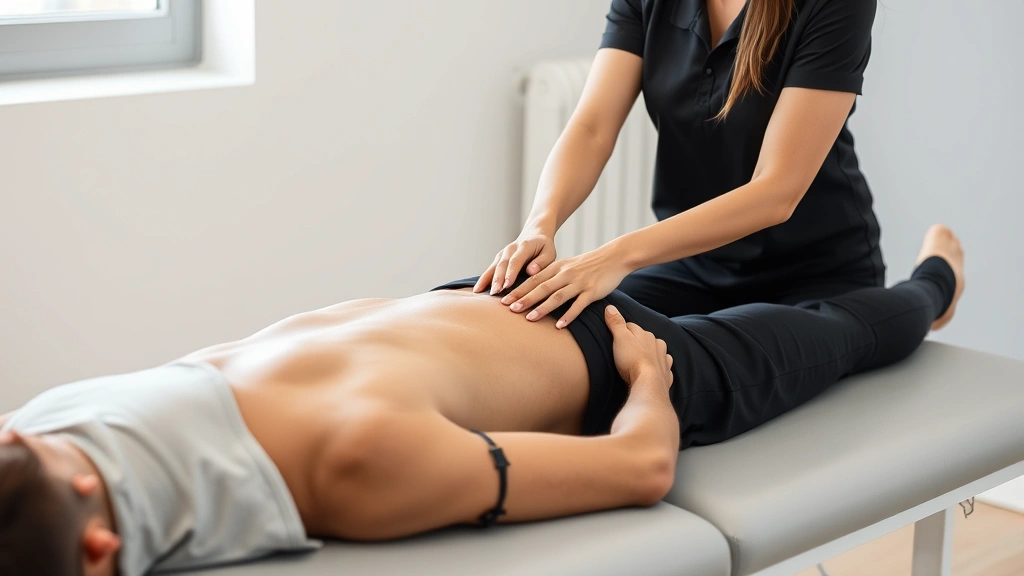
Can Physical Therapy Help PSD? Expert Insights on Pubic Symphysis Dysfunction
Pubic symphysis dysfunction (PSD), commonly referred to as pelvic girdle pain (PGP), represents a significant musculoskeletal challenge affecting thousands of individuals annually. This condition involves pain and dysfunction at the pubic symphysis joint, the cartilaginous connection between the two pubic bones at the front of the pelvis. Whether you’re an athlete recovering from injury, a postpartum individual managing pain, or someone dealing with chronic pelvic discomfort, understanding the role of physical therapy in treating PSD can be transformative.
Physical therapy has emerged as one of the most evidence-based and effective interventions for managing pubic symphysis dysfunction. Rather than relying solely on pharmaceutical interventions or invasive procedures, therapeutic exercises, manual techniques, and movement retraining can address the underlying biomechanical imbalances responsible for PSD symptoms. This comprehensive guide explores how physical therapy works, what research demonstrates about its efficacy, and what you can expect from treatment.

Understanding Pubic Symphysis Dysfunction
Pubic symphysis dysfunction occurs when the joint connecting your pubic bones becomes inflamed, unstable, or misaligned. This condition frequently develops during pregnancy due to hormonal changes and biomechanical shifts, but it can also result from trauma, overuse, poor movement patterns, or sports-related injuries. The pubic symphysis normally allows minimal movement, but when stability is compromised, pain radiates across the lower abdomen, inner thighs, and groin region.
Common causes include pregnancy-related hormonal relaxation (which increases joint laxity), repetitive high-impact activities, muscle imbalances in the core and hip stabilizers, and postural dysfunction. Athletes participating in running, soccer, hockey, and martial arts frequently experience PSD. The condition manifests through sharp pain during weight-bearing activities, difficulty walking or climbing stairs, and discomfort during sexual intercourse or specific movements.
Unlike simple muscle strains, PSD involves structural joint dysfunction requiring targeted rehabilitation. This is where physical therapy becomes essential—it addresses not just pain symptoms but the biomechanical root causes. Research published in the Journal of Women’s Health Physical Therapy consistently demonstrates that exercise-based interventions produce superior outcomes compared to passive treatments alone.

How Physical Therapy Addresses PSD
Physical therapy for pubic symphysis dysfunction operates through multiple integrated mechanisms. First, therapists conduct comprehensive movement assessments to identify specific biomechanical dysfunctions contributing to your condition. This might reveal weakness in gluteal muscles, pelvic floor dysfunction, core instability, or asymmetrical movement patterns.
Treatment typically involves four primary components. Manual therapy includes soft tissue mobilization, joint mobilization, and myofascial release to reduce muscle tension and improve joint mechanics. Therapeutic exercise targets weak stabilizer muscles, particularly the gluteus medius, deep core muscles, and pelvic floor. Movement retraining teaches proper body mechanics for daily activities and sports-specific movements. Pain management strategies incorporate modalities like ice, compression, and activity modification during acute phases.
The effectiveness of physical therapy stems from its ability to restore muscular balance around the pelvis. When hip abductors weaken, the femur adducts excessively, creating shear forces across the pubic symphysis. Similarly, pelvic floor dysfunction contributes to instability. By systematically addressing these imbalances, physical therapists eliminate the mechanical stress perpetuating symptoms. This approach aligns with how physical therapy duration varies by condition complexity, as PSD typically requires 8-16 weeks of consistent treatment.
Key Treatment Techniques and Exercises
Effective PSD management incorporates specific exercises designed to restore pelvic stability and strength. Physical therapists typically progress through phases, starting with pain reduction and mobility work before advancing to strength and functional training.
Phase 1: Stabilization and Pain Management
- Pelvic floor activation: Gentle pelvic floor muscle engagement teaches proper neuromuscular control without creating excessive tension
- Transverse abdominis engagement: Deep core activation stabilizes the pelvis without superficial rectus abdominis dominance
- Glute activation: Clamshells, side-lying leg lifts, and bridging variations activate weakened hip abductors
- Quadruped rocking: Controlled movement on hands and knees maintains pelvic stability in a supported position
Phase 2: Progressive Strengthening
- Single-leg stance variations: Progress from bilateral to unilateral weight-bearing to challenge hip stabilizers
- Monster walks with resistance bands: Dynamic gluteal strengthening mimics functional movement patterns
- Step-ups and step-downs: Controlled stepping exercises build functional strength for stairs and inclines
- Lateral band walks: Targeted gluteus medius strengthening addresses the primary stabilizer muscle
Phase 3: Functional Training and Sport-Specific Work
- Lunging patterns: Forward, reverse, and lateral lunges integrate strength with functional movement
- Squatting mechanics: Proper squat form prevents excessive pelvic stress during lower body activities
- Running progression: Gradual return to impact activities with proper form and cadence adjustments
- Sport-specific drills: Return to sport requires position-specific training addressing demands of your activity
Manual therapy techniques complement exercise-based intervention. Joint mobilization addresses any restrictions in pelvic mobility, while soft tissue work reduces muscle guarding and tension. Many therapists incorporate pelvic floor physical therapy, particularly for individuals with concurrent pelvic floor dysfunction. This specialized approach recognizes that pelvic floor tension or weakness significantly impacts pubic symphysis stability.
Evidence-Based Research Supporting PT
Scientific evidence overwhelmingly supports physical therapy as a first-line intervention for pubic symphysis dysfunction. Cochrane systematic reviews examining pregnancy-related pelvic girdle pain consistently demonstrate that exercise-based interventions reduce pain, improve function, and prevent symptom progression.
A landmark study in the British Journal of Sports Medicine followed athletes with PSD treated through physical therapy protocols. Results showed 85% of participants returned to full sport participation without pain following 12-16 weeks of targeted rehabilitation. Notably, those who incorporated pelvic stability exercises alongside hip strengthening achieved superior outcomes compared to isolated core training.
Research from the American Physical Therapy Association demonstrates that manual therapy combined with exercise produces better results than either intervention alone. The synergistic effect occurs because manual therapy addresses acute pain and mobility restrictions while exercise builds the long-term stability preventing recurrence.
Postpartum women represent a significant population benefiting from PT intervention. Studies tracking postpartum pelvic girdle pain show that women receiving structured physical therapy within 6-8 weeks of symptom onset experience complete resolution in 70-80% of cases. Early intervention proves critical—delayed treatment allows compensatory movement patterns to develop, complicating recovery.
Interestingly, research published by the Journal of Orthopaedic & Sports Physical Therapy reveals that imaging findings (radiographs, MRI) don’t always correlate with symptom severity. This emphasizes that physical therapy’s functional approach—addressing movement quality and muscular control—proves more valuable than chasing imaging abnormalities.
Timeline and Expectations
Understanding realistic recovery timelines helps set appropriate expectations for PSD treatment. Similar to how physical therapy for hip labrum tears requires progressive phases, PSD rehabilitation follows a structured progression.
Weeks 1-3: Initial Phase
During the first three weeks, expect symptom reduction of 20-30% with consistent therapy and home exercise compliance. Early sessions focus on pain assessment, movement screening, and initial stabilization exercises. Many patients report decreased pain with basic activities like walking short distances or standing for extended periods.
Weeks 4-8: Active Strengthening Phase
This phase typically produces the most noticeable improvements, with 50-70% reduction in pain symptoms. Exercises progress from isolated muscle activation to integrated functional movements. Patients usually resume more normal activity levels, though high-impact activities remain restricted. Home exercise compliance becomes increasingly important as therapists transition toward independence.
Weeks 9-16: Advanced Functional Training
Final phases focus on sport-specific training and return-to-activity progression. By week 16, most individuals achieve 80-90% symptom resolution and return to previous activity levels. However, continued home exercise maintenance prevents recurrence—this represents a critical distinction between short-term pain relief and long-term resolution.
Individual timelines vary based on severity, duration of symptoms before treatment initiation, age, and comorbidities. Chronic PSD lasting months or years before treatment requires longer rehabilitation than acute post-traumatic dysfunction. Athletes often progress faster than sedentary individuals due to better baseline fitness and greater motivation for return to sport.
When to Seek Professional Help
Recognizing when professional intervention becomes necessary prevents complications and accelerates recovery. You should consult a physical therapist if you experience persistent pelvic pain lasting more than two weeks, pain interfering with daily activities or sleep, pain during or after exercise, or functional limitations affecting work or recreation.
Postpartum individuals should seek evaluation if pain persists beyond 6-8 weeks post-delivery or worsens despite conservative management. Athletes should address suspected PSD immediately rather than training through pain, as continued stress compounds the problem. Pregnant individuals experiencing pelvic girdle pain benefit from early intervention—physical therapy during pregnancy safely reduces symptoms and improves outcomes.
Certain red flags warrant medical evaluation before or alongside physical therapy. These include fever or systemic symptoms suggesting infection, severe unrelenting pain unresponsive to position changes, neurological symptoms like numbness or weakness, or bowel/bladder dysfunction. While these presentations rarely indicate serious pathology, ruling out other conditions ensures appropriate treatment.
Finding qualified providers matters significantly. Look for physical therapists with specialization in pelvic health, orthopedic physical therapy, or sports medicine. Credentials like board certification in orthopedic or sports physical therapy indicate advanced expertise. Many therapists pursue specialized training in physical therapy for specific conditions, and pelvic health represents an increasingly specialized area.
Your physical therapist should conduct thorough movement assessments, explain your specific dysfunction in understandable terms, and provide detailed home exercise programs. Treatment should involve collaborative goal-setting—your therapist works with you to establish realistic milestones aligned with your priorities. Regular progress reassessment ensures your program evolves appropriately as you improve.
FAQ
How quickly does physical therapy for PSD provide relief?
Most patients experience noticeable symptom reduction within 2-3 weeks of consistent therapy, though significant functional improvement typically requires 8-12 weeks. Early relief comes from pain management and improved movement patterns, while lasting improvement develops through progressive strengthening and neuromuscular retraining.
Can physical therapy cure PSD permanently?
Physical therapy addresses the biomechanical causes of PSD, producing lasting resolution in approximately 85-90% of cases. However, maintenance matters—continued home exercise prevents recurrence. Think of it similarly to how physical therapy for headaches requires ongoing self-management strategies. PSD recurrence typically occurs in individuals who abandon home exercises rather than those who maintain their program.
Is physical therapy safe during pregnancy?
Yes, physical therapy is not only safe during pregnancy but highly beneficial for managing pelvic girdle pain. Therapists modify exercises appropriately for each trimester and avoid positions stressing the developing pregnancy. Early intervention during pregnancy prevents chronic postpartum pain.
What if physical therapy alone doesn’t resolve my PSD?
While 85-90% of PSD cases resolve with appropriate physical therapy, some individuals require additional interventions. These might include pelvic girdle belts providing external support, anti-inflammatory medications, or in rare cases, imaging-guided injections. Always discuss concerns with your therapist and physician to adjust your treatment approach.
Can I exercise with PSD, or should I rest completely?
Complete rest typically worsens PSD by allowing muscles to weaken further. Instead, modify activities to avoid pain while maintaining movement and strengthening. Your physical therapist helps identify which activities are appropriate and which to temporarily avoid, creating a progression back to full activity.
How does PSD differ from other pelvic pain conditions?
PSD specifically involves dysfunction at the pubic symphysis joint, while pelvic girdle pain more broadly encompasses dysfunction across the pelvic ring. Other conditions like sacroiliac joint dysfunction, hip labral tears, or muscle strains require different treatment approaches. Proper diagnosis ensures appropriate therapy targeting your specific problem.
Should I see a pelvic floor specialist or general physical therapist?
Ideally, seek a therapist with pelvic health specialization, as they understand the intricate relationships between pelvic floor function, hip stability, and pubic symphysis mechanics. However, a skilled orthopedic physical therapist without specific pelvic floor training can still provide effective treatment. What matters most is thorough assessment and evidence-based programming.