

Best Online PTA Programs: 2023 Rankings
The demand for physical therapy assistants continues to surge, with the Bureau of Labor Statistics projecting a 19% job growth through 2032. For working professionals and career changers, online physical therapy assistant programs offer flexible pathways to enter this rewarding healthcare field without sacrificing personal or professional commitments. This comprehensive guide examines the top-ranked programs, accreditation standards, and what to expect from pursuing a career as a PTA through distance learning.
Online education has revolutionized access to healthcare training, allowing students to complete coursework from home while maintaining employment and family responsibilities. However, not all programs are created equal. Choosing an accredited program with strong clinical partnerships, experienced faculty, and proven graduate outcomes is essential for launching a successful career in physical therapy assistance.

Understanding PTA Programs and Accreditation
Physical therapy assistant programs prepare graduates to work under the supervision of licensed physical therapists. The Commission on Accreditation in Physical Therapy Education (CAPTE) sets rigorous standards for PTA education, ensuring that programs meet national benchmarks for clinical competency, faculty qualifications, and student outcomes. When evaluating physical therapy education resources, accreditation status should be your first consideration.
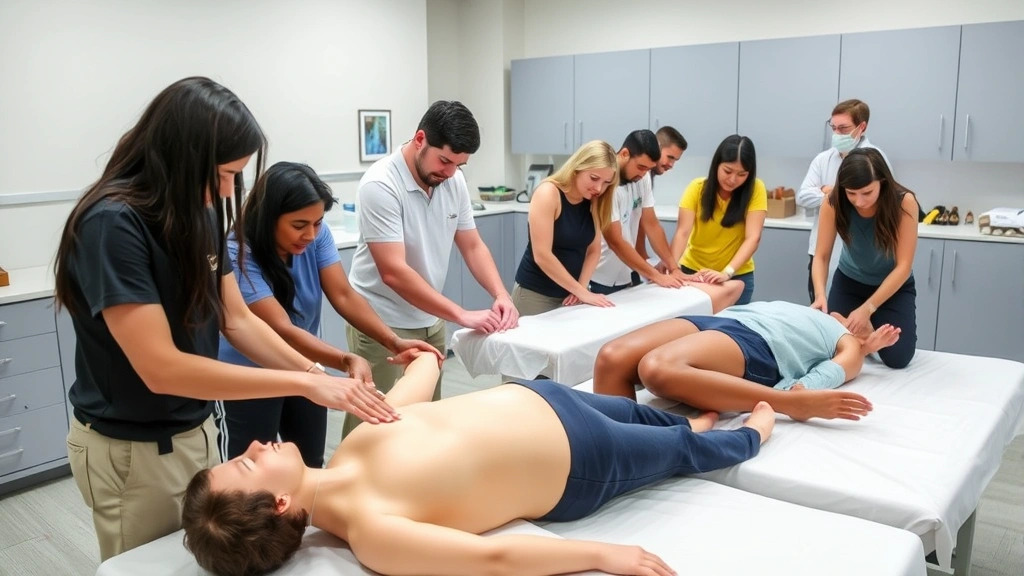
An accredited PTA program typically requires completion of 60 credit hours of coursework, including anatomy, physiology, kinesiology, therapeutic exercise, and patient care techniques. Most programs include both didactic instruction and hands-on clinical education. The integration of online learning with in-person clinical components creates a hybrid model that allows flexibility while maintaining essential practical training.
CAPTE accreditation is non-negotiable. Programs without accreditation may not prepare students adequately for the National Physical Therapy Examination (NPTE-PTA), and employers often prefer or require graduates from accredited institutions. Before enrolling, verify that a program holds current CAPTE accreditation status on the American Physical Therapy Association website.
Top-Ranked Online Programs
Several institutions have distinguished themselves by offering comprehensive online PTA programs with strong clinical networks and student support systems. These programs balance the convenience of distance learning with the practical skills development essential to the profession.
University of St. Augustine for Health Sciences offers a fully online Associate degree in Physical Therapy Assistant studies. Their program emphasizes evidence-based practice and includes virtual laboratory simulations alongside required in-person clinical internships. Graduates report high satisfaction rates and successful licensure exam passage.
Chatham University provides an online PTA program with flexible scheduling and comprehensive support services. Their curriculum integrates clinical reasoning with hands-on skills development, and the institution maintains partnerships with numerous physical therapy clinics for clinical placements.
Daytona State College offers a hybrid PTA program that combines online coursework with on-campus laboratory sessions and clinical rotations. Students appreciate the balance between flexibility and structured learning environments. The program has consistently achieved pass rates above the national average on licensure exams.
Rockford University delivers an online Associate degree in Physical Therapy Assistant Education with specialized tracks and mentorship opportunities. Their faculty includes practicing PTAs and PTs, bringing real-world clinical experience directly into coursework.
When researching programs, examine physical therapy assistant job opportunities in your area to understand local market demands and employer preferences regarding program selection.
Program Structure and Curriculum
Online PTA programs typically span 18 to 24 months, though some accelerated options complete in 12-15 months. The curriculum structure balances theoretical knowledge with practical application, preparing students for diverse clinical settings including hospitals, rehabilitation centers, sports medicine clinics, and home health agencies.
Core coursework components include:
- Human Anatomy and Physiology
- Kinesiology and Biomechanics
- Therapeutic Exercise and Modalities
- Patient Care and Hygiene
- Pharmacology for PTAs
- Medical Terminology
- Healthcare Documentation and Communication
- Clinical Practice I, II, and III (internships)
Most online programs utilize learning management systems like Canvas or Blackboard for content delivery, video lectures, interactive modules, and virtual discussions. Lab simulations and virtual demonstrations help students understand techniques before applying them in clinical settings. However, hands-on skills cannot be fully developed online; therefore, all accredited programs require in-person clinical internships, typically 8-12 weeks of full-time supervised practice.
The clinical internship component is crucial and non-negotiable. Students work directly with licensed PTAs and PTs, treating real patients under supervision. This experience builds confidence, refines technical skills, and provides networking opportunities for post-graduation employment. Programs with strong clinical partnerships often have higher job placement rates because students develop relationships with potential employers during internships.
Additionally, many programs incorporate problem-based learning, case studies, and evidence-based practice modules. These pedagogical approaches develop critical thinking skills essential for adapting to diverse patient populations and clinical challenges. Some institutions offer specialization tracks in pediatrics, geriatrics, sports medicine, or orthopedics, allowing students to develop expertise in specific practice areas.
Licensing and Certification Requirements
After completing an accredited PTA program, graduates must pass the National Physical Therapy Examination for Physical Therapy Assistants (NPTE-PTA) to become licensed. This standardized examination assesses competency in clinical knowledge and application. Most states require licensure before employment as a PTA, though specific requirements vary by jurisdiction.
The NPTE-PTA consists of 120 multiple-choice questions administered via computer at testing centers nationwide. The examination covers patient management, equipment and devices, safety and professional practice, and clinical application of therapeutic exercises and modalities. Graduates typically have 90 days after program completion to take the exam, and many successful candidates study for 4-8 weeks using review materials and practice tests.
State licensure requirements vary: Some states require only NPTE-PTA passage, while others mandate additional state-specific exams or continuing education hours. Before enrolling in a program, confirm licensing requirements in your state or intended work location. This research ensures the program you select meets your state’s educational standards and prepares you adequately for all required examinations.
The Federation of State Boards of Physical Therapy maintains comprehensive information about state licensure requirements and exam procedures. Accredited programs should provide detailed guidance about licensure pathways and exam preparation resources.
Cost and Financial Aid
Tuition for online PTA programs ranges from $20,000 to $50,000 depending on the institution, program length, and included resources. Private universities typically charge higher tuition than community colleges, but both models offer financial aid opportunities.
Financing options include:
- Federal Student Loans: Stafford loans available through FAFSA
- Institutional Financial Aid: Scholarships and grants from the program itself
- Private Scholarships: Organizations like APTA offer scholarships for PTA students
- Employer Tuition Reimbursement: Many healthcare employers reimburse tuition for employees pursuing relevant credentials
- Payment Plans: Monthly installment options reducing upfront costs
Before enrolling, complete the Free Application for Federal Student Aid (FAFSA) to determine eligibility for federal loans and grants. Compare total cost of attendance across programs, including tuition, books, clinical placement fees, and examination fees. Some programs include textbooks and exam review materials in tuition, while others charge separately.
Consider the return on investment: understanding physical therapy costs helps contextualize your earning potential. PTAs earn median annual salaries around $58,000-$62,000, with experienced practitioners in high-cost areas earning significantly more. Most graduates recoup their educational investment within 3-5 years of practice.
Career Outcomes and Job Placement
Graduates of accredited online PTA programs enjoy robust job market opportunities. The healthcare sector’s growth and aging population create sustained demand for qualified physical therapy assistants. Strong programs report job placement rates exceeding 85% within six months of graduation.
Career pathways include:
- Acute care hospitals
- Outpatient rehabilitation clinics
- Home health agencies
- Long-term care facilities
- Sports medicine clinics
- Pediatric therapy centers
- Occupational health clinics
The skills developed in comprehensive online PTA programs—clinical reasoning, patient communication, and technical proficiency—transfer across all practice settings. Many graduates begin their careers in outpatient clinics before exploring specializations in sports medicine, geriatrics, or home health.
Networking during clinical internships significantly impacts job placement success. Students who establish professional relationships with supervising therapists, clinic managers, and colleagues often receive job offers before graduation. Programs with extensive clinical networks in diverse settings provide students with broader exposure to different practice environments and potential employers.
Career advancement opportunities exist for experienced PTAs. Some pursue additional certifications in specialized areas like aquatic therapy, wound care, or ergonomics. Others transition into PTA education, teaching future generations of assistants. Continuing education requirements, typically 20-30 hours biennially, encourage PTAs to stay current with evidence-based practices and emerging treatment techniques.
When evaluating programs, inquire about graduate employment outcomes, employer feedback, and alumni career trajectories. Programs transparent about job placement rates and willing to share graduate success stories demonstrate confidence in their training quality.
Understanding related healthcare career opportunities can inform your decision-making. While PTAs specialize in physical rehabilitation, the broader allied health field offers complementary career paths with similar skill sets and market demand.
FAQ
Can I complete an entire PTA program completely online?
No fully online PTA program exists because accreditation standards require hands-on clinical internships. However, hybrid programs allow you to complete theoretical coursework online while attending scheduled in-person clinical rotations at approved facilities. This model provides maximum flexibility while maintaining educational rigor.
How long does an online PTA program take?
Most online PTA programs require 18-24 months to complete. Some accelerated programs compress the curriculum into 12-15 months, though these demand more intensive study schedules. Part-time options extending 24-30 months are available at some institutions for students with significant other commitments.
What is the NPTE-PTA pass rate for online program graduates?
Accredited programs report NPTE-PTA pass rates typically between 75-95%, with top-performing programs exceeding 90%. Pass rates vary by program quality, student preparation, and individual effort. Programs should transparently share their pass rates; significantly lower rates may indicate inadequate preparation.
Are online PTA programs accredited the same as on-campus programs?
Yes, CAPTE accreditation applies equally to online and on-campus programs. Accreditation standards focus on learning outcomes and competency development, not delivery method. Employers do not distinguish between graduates of online and on-campus programs if both hold accreditation.
What clinical experience is required in online PTA programs?
All accredited programs require minimum 8-12 weeks of full-time supervised clinical internship in approved physical therapy settings. Some programs distribute clinical experience across multiple rotations, while others concentrate it into one intensive block. Clinical hours typically total 480-640 hours depending on program design.
Can I work while completing an online PTA program?
Many students work part-time while pursuing online PTA education, though the intensity increases during clinical internship semesters. Full-time clinical rotations (40+ hours weekly) make simultaneous full-time employment challenging. Part-time work or temporary employment suspension during clinical phases is common among successful students.
What is the job outlook for PTAs?
The Bureau of Labor Statistics projects 19% job growth for physical therapy assistants through 2032, faster than average for all occupations. Healthcare expansion, aging demographics, and increased rehabilitation needs support strong employment prospects across all geographic regions and practice settings.
How much do PTAs earn after completing online programs?
Physical therapy assistants earn median annual salaries around $58,000-$62,000, with significant variation based on location, specialization, and experience. Urban areas and states with higher costs of living typically offer higher compensation. Experienced PTAs with specialized certifications may earn $70,000-$80,000 or more annually.