

Can Pelvic Floor Therapy Aid Men? Expert Insights
Pelvic floor therapy has long been associated with women’s health, particularly postpartum recovery and urinary incontinence management. However, a growing body of clinical evidence demonstrates that men can benefit significantly from pelvic floor therapy for a range of conditions affecting sexual function, urinary control, and overall quality of life. This comprehensive guide explores the science behind pelvic floor therapy for men, its applications, and what research reveals about its effectiveness.
The pelvic floor muscles in men support the bladder, prostate, and rectum while playing a crucial role in erectile function and ejaculation control. When these muscles become weak, tight, or dysfunctional, men may experience erectile dysfunction, premature ejaculation, chronic pelvic pain, and urinary incontinence. Understanding how therapy resources address pelvic health can help men recognize when professional intervention might be beneficial.
Understanding the Male Pelvic Floor
The male pelvic floor consists of a group of muscles that form a supportive hammock beneath the pelvis. These muscles include the bulbocavernosus, ischiocavernosus, and external urethral sphincter, along with the puborectalis and iliococcygeus muscles. Unlike women, men have a more compact pelvic structure, but the functional importance of pelvic floor strength remains equally significant.
The pelvic floor serves multiple critical functions in men. It maintains continence by supporting bladder control, contributes to erectile rigidity through muscular contraction around the corpora cavernosa, facilitates ejaculation through rhythmic contractions, and supports the organs above it. When pelvic floor dysfunction develops, men often experience symptoms that significantly impact their confidence and intimate relationships.
Research from the National Institutes of Health indicates that pelvic floor dysfunction affects approximately 8-10% of men, though many cases go undiagnosed because men are less likely to discuss these concerns with healthcare providers. The condition becomes increasingly prevalent with age, affecting men in their 50s and beyond at higher rates.

Common Conditions Treated with Pelvic Floor Therapy
Pelvic floor therapy for men addresses a diverse range of conditions that significantly impact quality of life and sexual health. Understanding these conditions helps men recognize when professional assessment might be warranted.
Erectile Dysfunction (ED) represents one of the most common reasons men seek pelvic floor therapy. While ED can stem from cardiovascular, hormonal, or psychological factors, pelvic floor weakness contributes to approximately 40% of ED cases in men over 40. Strong pelvic floor muscles enhance blood retention in the penis during arousal, directly supporting erectile rigidity and sustainability.
Premature Ejaculation (PE) frequently responds to pelvic floor strengthening exercises. The bulbocavernosus muscle, when properly conditioned, provides men with greater voluntary control over ejaculation timing. Studies demonstrate that men who strengthen their pelvic floor muscles through targeted exercises can significantly extend time to ejaculation, improving sexual satisfaction for both partners.
Chronic Pelvic Pain Syndrome (CPPS) and prostatitis cause persistent discomfort in the pelvic region. Tension and dysfunction in pelvic floor muscles often contribute to or exacerbate pain symptoms. Therapeutic release of these muscles, combined with relaxation techniques, provides relief for many men experiencing chronic pelvic pain.
Post-Prostatectomy Incontinence affects men who undergo surgical treatment for prostate cancer. Pelvic floor therapy is a first-line intervention for regaining urinary control after this procedure. Research shows that men who engage in pelvic floor training before and after prostatectomy experience faster continence recovery and better long-term outcomes.
Urinary Incontinence and Overactive Bladder can develop from various causes including aging, neurological conditions, or previous pelvic trauma. Strengthening pelvic floor muscles improves bladder control and reduces episodes of incontinence, allowing men to regain confidence in daily activities.
How Pelvic Floor Therapy Works
Pelvic floor therapy employs multiple evidence-based techniques tailored to each patient’s specific condition and needs. A qualified pelvic floor physical therapist conducts a comprehensive assessment before initiating treatment.
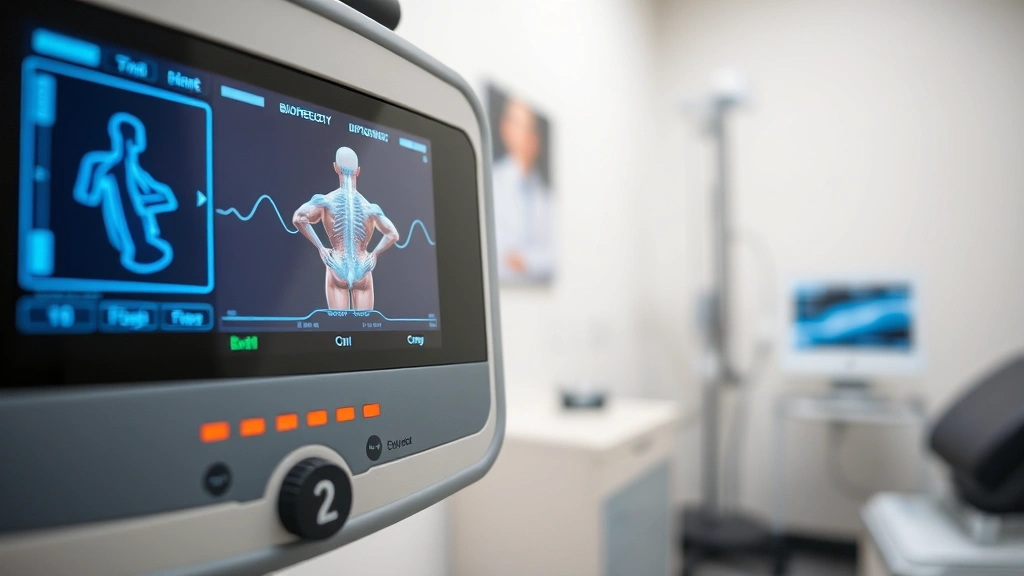
Initial Assessment involves detailed history-taking about symptoms, medical background, and functional limitations. The therapist performs a physical examination that may include digital palpation of pelvic floor muscles to assess strength, endurance, and tension patterns. Specialized equipment like electromyography (EMG) biofeedback devices help visualize muscle activity and guide proper engagement.
Muscle Strengthening Exercises form the foundation of pelvic floor therapy. Kegel exercises, when performed correctly, involve rhythmic contractions of the pelvic floor muscles. A typical protocol includes sets of sustained contractions (5-10 seconds) followed by relaxation periods. Progressive resistance training gradually increases the challenge, building muscle strength and endurance over 8-12 weeks of consistent practice.
Manual Therapy Techniques address muscle tension and trigger points within the pelvic floor. Therapists use gentle stretching, myofascial release, and massage to reduce tension in muscles that have become tight or restricted. This is particularly important for men with pelvic floor hypertonicity, where muscles are chronically tense and contribute to pain or dysfunction.
Biofeedback Training provides real-time visual or auditory feedback about muscle activity. This helps men understand which muscles to engage and when, correcting common mistakes like breath-holding or engaging abdominal muscles instead of the pelvic floor. EMG biofeedback has been shown to significantly improve exercise compliance and outcomes.
Lifestyle Modification Counseling addresses habits that contribute to pelvic floor dysfunction. This includes guidance on proper breathing techniques, posture, fluid intake, and bowel habits. Understanding how daily activities affect pelvic floor function helps men make sustainable behavioral changes that support therapy gains.
Evidence-Based Benefits for Men
Clinical research provides robust evidence supporting pelvic floor therapy effectiveness for men. A landmark study published in BJU International followed 55 men with erectile dysfunction who received pelvic floor physical therapy. Results showed that 40% of men achieved normal erectile function without pharmaceutical intervention, while an additional 35% experienced significant improvement in erectile quality.
Research on premature ejaculation demonstrates equally impressive outcomes. Studies indicate that men who complete 12 weeks of pelvic floor muscle training combined with behavioral techniques extend their time to ejaculation by an average of 300-400%, with many achieving adequate control for satisfying sexual encounters. The improvement persists long-term when men maintain their exercise regimen.
For post-prostatectomy incontinence, pelvic floor therapy accelerates continence recovery significantly. Men who begin preoperative pelvic floor training and continue postoperatively achieve continence 6-12 months earlier than those without therapy. This translates to substantially improved quality of life and psychological well-being during recovery.
Chronic pelvic pain syndrome responds favorably to pelvic floor therapy in 60-70% of cases. A comprehensive approach combining muscle relaxation, manual therapy, and behavioral modification provides sustained pain reduction that often exceeds pharmaceutical interventions alone. Many men report pain relief that persists months after completing therapy.
The effectiveness of pelvic floor therapy extends to urinary incontinence management. Research demonstrates that men with stress incontinence achieve continent status in 40-50% of cases through therapy alone, with an additional 30-40% experiencing substantial reduction in incontinence episodes. This represents a significant improvement in quality of life without surgical intervention.
Understanding the broader context of physical rehabilitation helps contextualize pelvic floor therapy’s role in men’s health. Similar to how physical therapy benefits children’s development and function, pelvic floor therapy supports men’s functional capacity and quality of life across the lifespan.
What to Expect During Treatment
A typical pelvic floor therapy program for men spans 8-12 weeks with sessions occurring once or twice weekly. Initial sessions last 45-60 minutes, while follow-up visits typically run 30-45 minutes. Treatment duration varies based on condition severity, muscle dysfunction patterns, and individual response to therapy.
Session Structure typically begins with assessment of current symptoms and any changes since the previous session. The therapist reviews home exercise compliance and addresses any questions or concerns. Manual therapy techniques are applied as indicated, followed by instruction in exercise progressions and biofeedback-guided practice. Sessions conclude with education about daily habits supporting pelvic floor health and review of home exercise assignments.
Home Exercise Program forms the critical foundation of success. Men receive detailed written instructions and often video demonstrations of prescribed exercises. A typical home program includes daily pelvic floor strengthening exercises, relaxation techniques, and lifestyle modifications. Consistency with the home program strongly predicts treatment outcomes, with compliant men experiencing significantly better results.
Progress Monitoring occurs throughout treatment. Therapists use objective measures like digital assessment of muscle strength, endurance hold times, and rapid contraction repetitions. Symptom-specific measures track functional improvements relevant to each man’s presenting condition. Regular progress assessment maintains motivation and allows therapy adjustments when needed.
Symptom Resolution Timeline varies by condition. Men with erectile dysfunction often notice improvements within 4-6 weeks of consistent exercise. Premature ejaculation typically shows progress within 6-8 weeks. Post-prostatectomy incontinence improvement may begin within weeks but often requires 3-6 months for maximal benefit. Chronic pelvic pain frequently improves within 6-8 weeks, though some men experience gradual improvement over several months.
Complementary Approaches
While pelvic floor therapy stands as a primary intervention, integrating complementary approaches enhances outcomes for many men. Psychological support addresses the emotional impact of sexual dysfunction or incontinence, reducing anxiety that often perpetuates symptoms. Couples counseling can improve communication and intimacy during recovery, particularly important for men experiencing erectile dysfunction or premature ejaculation.
Complementary pain management strategies benefit men with chronic pelvic pain. Heat therapy, gentle stretching, and relaxation techniques reduce muscle tension between therapy sessions. Some men benefit from stress reduction practices like meditation or yoga, which promote parasympathetic nervous system activation and muscle relaxation. Approaches like red light therapy for musculoskeletal pain may provide adjunctive benefits for some men, though research specific to pelvic floor application remains limited.
Nutritional factors support pelvic floor health. Adequate hydration, fiber intake to prevent constipation, and foods rich in nitric oxide precursors (like leafy greens and beets) support vascular function important for erectile function. Some research suggests that supplements like L-arginine or L-citrulline may provide modest benefits when combined with pelvic floor therapy, though evidence remains mixed.
The holistic context of men’s health is important to recognize. Just as relationship dynamics affect overall well-being, pelvic floor health integrates into broader men’s health and quality of life. Healthcare providers increasingly recognize that addressing pelvic floor dysfunction represents an important component of comprehensive men’s health management.
Professional guidance from qualified pelvic floor physical therapists ensures safe, effective treatment. These specialists, often holding credentials from the American Physical Therapy Association with specialized pelvic health certification, possess expertise in assessment and treatment of male pelvic floor dysfunction. Many insurance plans cover pelvic floor therapy when prescribed by a physician, making it an accessible treatment option for many men.
FAQ
Are Kegel exercises effective for men?
Yes, Kegel exercises are highly effective for men when performed correctly. The key is proper technique—isolating pelvic floor muscles rather than engaging abdominal or buttock muscles. Many men initially perform Kegels incorrectly, which is why professional guidance through biofeedback-assisted training significantly improves outcomes. Studies show that men who learn proper technique and maintain consistent practice experience substantial functional improvements.
How long before seeing results from pelvic floor therapy?
Results timeline varies by condition. Men typically notice initial improvements within 4-8 weeks of consistent therapy and home exercise adherence. Erectile dysfunction and premature ejaculation often show progress within 6-8 weeks. Post-prostatectomy incontinence improvement may begin earlier but typically requires 3-6 months for maximal benefit. Chronic pelvic pain frequently improves within 6-8 weeks. Consistency with home exercises strongly predicts how quickly men experience improvement.
Is pelvic floor therapy appropriate for all men?
Pelvic floor therapy benefits most men with pelvic floor dysfunction, though specific approaches vary based on individual presentation. Men with pelvic floor hypertonicity (excessive muscle tension) require different treatment than those with weakness. Medical conditions like severe neurological disease or active infection may require modifications. A qualified pelvic floor physical therapist conducts thorough assessment to determine appropriate treatment and identify any contraindications.
Can pelvic floor therapy replace medications for erectile dysfunction?
For some men, pelvic floor therapy provides sufficient improvement to eliminate the need for erectile dysfunction medications. Research shows approximately 40% of men achieve normal erectile function through therapy alone. However, men with significant vascular disease or hormonal insufficiency may benefit from combining therapy with medications. Discussion with a healthcare provider helps determine the most appropriate treatment approach for individual circumstances.
How do I find a qualified pelvic floor therapist?
Look for physical therapists with specialized training and certification in pelvic health. The American Physical Therapy Association offers pelvic health certification. Many university-based physical therapy programs and specialized clinics employ pelvic floor specialists. Insurance providers can often recommend in-network providers, and primary care physicians can provide referrals. Interviewing potential therapists about their experience treating male pelvic floor dysfunction helps ensure you receive specialized care.