

Is Oxygen Therapy Effective? Expert Insights and Evidence-Based Analysis
Oxygen therapy has become an increasingly discussed wellness intervention, with proponents claiming benefits ranging from improved athletic performance to enhanced cognitive function and faster recovery from illness. However, distinguishing between scientifically-supported applications and marketing hype requires careful examination of the evidence. This comprehensive guide explores what oxygen therapy actually is, which conditions it genuinely helps, and what the research really shows about its effectiveness.
Understanding oxygen therapy’s true role in modern medicine and wellness requires moving beyond anecdotal testimonials to examine clinical trials, physiological mechanisms, and expert consensus. Whether you’re considering oxygen therapy for a specific health condition or simply curious about this popular wellness trend, this article provides the evidence-based insights you need to make informed decisions.
What Is Oxygen Therapy?
Oxygen therapy, also called supplemental oxygen or oxygen treatment, involves delivering higher-than-normal concentrations of oxygen to patients through various delivery methods. Under normal conditions, the air we breathe contains approximately 21% oxygen. Medical oxygen therapy increases this concentration, enabling the lungs to absorb more oxygen into the bloodstream.
The physiological principle behind oxygen therapy is straightforward: when tissues don’t receive adequate oxygen (a condition called hypoxemia), cellular function deteriorates. By increasing oxygen availability, therapy aims to restore normal tissue oxygenation and support vital organ function. However, for healthy individuals with normal oxygen saturation levels, supplemental oxygen provides no additional benefit and may even cause harm.
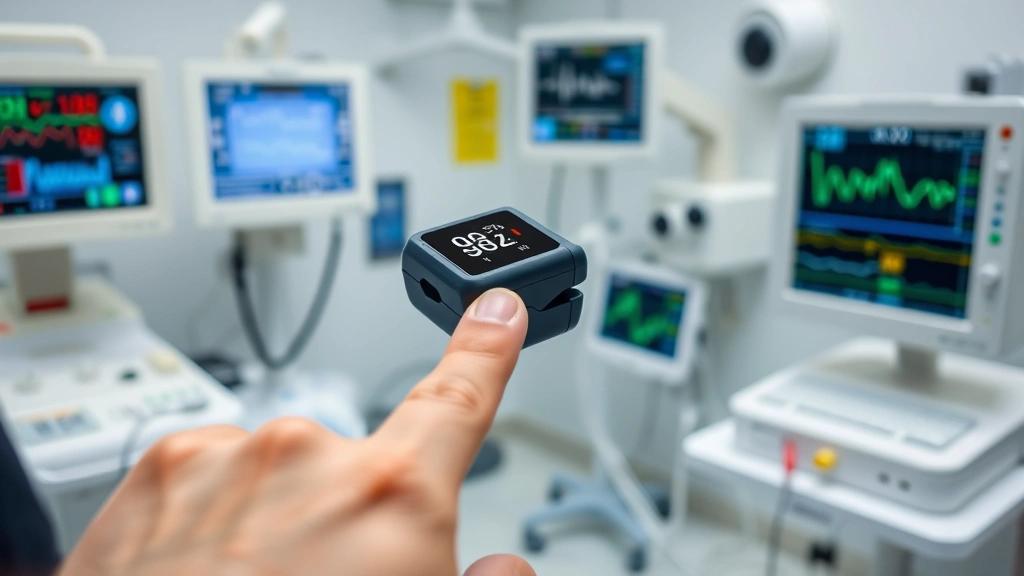
Medical professionals measure oxygen effectiveness using pulse oximetry, which determines oxygen saturation levels (SpO2). Normal oxygen saturation ranges from 95-100%. When levels drop below 90%, supplemental oxygen typically becomes medically necessary. This objective measurement is crucial for distinguishing legitimate therapeutic use from unproven wellness applications.

Types of Oxygen Therapy
Several oxygen delivery methods exist, each suited to different clinical scenarios and patient needs:
- Nasal Cannula: The most common delivery method, using small tubes placed in the nostrils. This approach provides oxygen concentrations of 24-44% and allows patients to eat, drink, and speak comfortably.
- Face Mask: Covers the nose and mouth, delivering 40-80% oxygen concentration. Face masks work better for patients requiring higher oxygen levels or those unable to use nasal cannulas effectively.
- High-Flow Oxygen Systems: Deliver oxygen at rates exceeding 6 liters per minute, used primarily in intensive care settings for severely hypoxic patients.
- Hyperbaric Oxygen Therapy (HBOT): Involves breathing pure oxygen in a pressurized chamber, allowing oxygen to dissolve directly into the bloodstream. This specialized treatment requires medical supervision in dedicated facilities.
- Portable Oxygen Concentrators: Battery-powered devices that extract oxygen from ambient air, enabling mobile oxygen therapy for patients with chronic conditions.
Each delivery method has specific indications, effectiveness profiles, and safety considerations. When searching for therapy resources and information about oxygen therapy options, understanding these distinctions helps in evaluating local providers.
Conditions With Strong Evidence
Research clearly demonstrates oxygen therapy’s effectiveness for specific medical conditions. These evidence-based applications represent legitimate therapeutic interventions supported by clinical guidelines.
Chronic Obstructive Pulmonary Disease (COPD): Long-term oxygen therapy significantly improves survival rates and quality of life in COPD patients with chronic hypoxemia. Multiple randomized controlled trials confirm that continuous oxygen use extends life expectancy and reduces hospitalizations. The National Heart, Lung, and Blood Institute recommends oxygen therapy for COPD patients with oxygen saturation below 88%.
Acute Respiratory Distress Syndrome (ARDS): Severe respiratory infections, sepsis, or trauma can cause ARDS, where lungs cannot oxygenate blood adequately. Supplemental oxygen, often combined with mechanical ventilation, is essential and life-saving in these acute situations.
Pneumonia and Severe Infections: Bacterial or viral pneumonia frequently causes temporary hypoxemia. Oxygen therapy supports recovery by maintaining tissue oxygenation while the immune system fights infection. Clinical evidence strongly supports this application in hospitalized patients.
Heart Failure: Decompensated heart failure often causes pulmonary edema and hypoxemia. Supplemental oxygen improves symptoms and reduces the workload on compromised cardiac tissue, making it a standard treatment component.
Severe Anemia: When hemoglobin levels drop critically, oxygen-carrying capacity diminishes. While blood transfusions remain primary treatment, supplemental oxygen provides temporary support during the acute phase.
Carbon Monoxide Poisoning: High-flow oxygen therapy, particularly hyperbaric oxygen, effectively treats carbon monoxide poisoning by displacing carbon monoxide from hemoglobin and facilitating its elimination.
Emerging Applications and Weak Evidence
Beyond these clearly-established applications, oxygen therapy has been promoted for numerous other conditions. However, scientific evidence for these uses remains limited or contradictory.
Athletic Performance Enhancement: Athletes and fitness enthusiasts sometimes use oxygen therapy, believing it improves endurance and recovery. Research suggests that in healthy individuals with normal oxygen saturation, supplemental oxygen provides minimal performance benefits. PubMed Central studies indicate any improvements are modest and short-lived, primarily affecting perceived exertion rather than actual performance metrics.
Post-COVID Recovery: Some long COVID patients report symptom improvement with oxygen therapy, but controlled trials remain limited. Current evidence suggests oxygen helps only in patients with documented hypoxemia, not those with normal oxygen saturation experiencing fatigue or brain fog.
Cognitive Enhancement: Claims that oxygen therapy improves memory, focus, and mental clarity in healthy individuals lack robust scientific support. While the brain absolutely requires adequate oxygen, supplementing already-adequate oxygen supplies doesn’t enhance cognitive function.
Aging and Longevity: Marketing materials sometimes suggest oxygen therapy combats aging or extends lifespan. No credible evidence supports this claim in healthy aging adults. In fact, excessive oxygen exposure can generate harmful free radicals.
Wound Healing: Hyperbaric oxygen therapy shows promise for specific wounds, particularly diabetic ulcers and non-healing surgical wounds. However, evidence quality varies, and Medicare coverage remains limited to specific conditions with documented efficacy.
The distinction between evidence-based and unproven applications is critical when evaluating claims about oxygen therapy near you. Legitimate medical providers base recommendations on clinical evidence, not marketing promises.
Finding Oxygen Therapy Near Me
If you’re searching for oxygen therapy services, several healthcare settings provide legitimate treatment:
Hospitals and Emergency Departments: Acute oxygen therapy for respiratory emergencies, infections, or critical illness occurs in hospital settings where medical teams continuously monitor oxygen saturation and adjust therapy accordingly.
Pulmonary and Sleep Medicine Clinics: Specialists in these fields evaluate chronic respiratory conditions and prescribe long-term oxygen therapy when medically indicated. They conduct comprehensive testing to determine if supplemental oxygen is necessary.
Hyperbaric Oxygen Centers: Dedicated HBOT facilities operate under strict medical supervision, typically affiliated with hospitals or surgical centers. These facilities treat specific FDA-approved conditions and maintain rigorous safety protocols.
Home Health Agencies: Licensed home health providers deliver and manage oxygen therapy for patients with chronic conditions, coordinating care with physicians. They ensure proper equipment maintenance and patient education.
When seeking occupational therapy assistant programs or other healthcare services, apply the same standards to oxygen therapy providers. Verify credentials, ask about physician oversight, and request evidence supporting any recommended treatment.
Red Flags for Questionable Providers: Be cautious of providers who recommend oxygen therapy without objective testing showing hypoxemia, claim oxygen therapy cures serious diseases, push expensive equipment without medical justification, or operate outside legitimate medical settings without physician involvement.
Safety Considerations and Risks
While oxygen therapy is generally safe when properly prescribed and monitored, risks exist, particularly with inappropriate use.
Oxygen Toxicity: Prolonged exposure to high oxygen concentrations can damage lung tissue and harm the nervous system. This risk increases significantly in hyperbaric settings and with continuous high-flow oxygen.
Respiratory Depression: In patients with COPD, excessive oxygen can suppress the respiratory drive, paradoxically worsening breathing. This is why COPD patients require careful oxygen titration.
Fire Hazard: Oxygen accelerates combustion, creating serious fire risks. Patients using home oxygen must follow strict safety protocols, including avoiding smoking and open flames near oxygen equipment.
Nasal and Airway Irritation: Prolonged nasal cannula use can cause drying and irritation. Humidification helps minimize this discomfort.
Equipment-Related Complications: Improper mask fit, tubing obstruction, or equipment malfunction can reduce therapy effectiveness or cause skin breakdown.
Legitimate medical providers educate patients about these risks and implement safety measures. They also monitor for complications through regular follow-up appointments and objective testing.
Cost and Insurance Coverage
Oxygen therapy costs vary significantly based on delivery method, frequency, and whether treatment occurs at home or in medical facilities.
Home Oxygen Equipment: Monthly rental costs typically range from $200-$500 for standard concentrators, with higher costs for portable units. Some insurance plans cover equipment, while others require patient payment.
Hyperbaric Oxygen Therapy: HBOT sessions cost $1,000-$3,000 each, with treatment courses requiring 20-40 sessions. Insurance coverage depends on the condition being treated and whether it meets specific medical criteria.
Insurance Coverage: Medicare covers home oxygen therapy and HBOT for specific approved conditions with documented medical necessity. Private insurance varies considerably, requiring prior authorization for many oxygen-related services. Always verify coverage before beginning treatment.
Related Healthcare Services: If you’re exploring oxygen therapy as part of broader wellness approaches, remember that physical therapy for kids and other rehabilitative services may complement medical treatment while offering evidence-based benefits.
Financial Assistance: Some oxygen equipment suppliers offer payment plans or financial assistance programs. Additionally, hospital social workers can help identify resources for patients unable to afford necessary therapy.
FAQ
Is oxygen therapy safe for healthy people?
While supplemental oxygen is generally safe at medical doses, healthy individuals with normal oxygen saturation don’t benefit from it and shouldn’t use it routinely. Excessive oxygen can generate free radicals and potentially cause harm. Oxygen therapy should only be used when medically indicated based on objective testing.
Can oxygen therapy help with anxiety or panic attacks?
Although people experiencing anxiety often report breathing difficulties, supplemental oxygen doesn’t treat the underlying anxiety disorder. Breathing exercises, therapy, and appropriate medical treatment address anxiety more effectively. If oxygen saturation is normal, oxygen therapy won’t help anxiety symptoms.
How long does someone need oxygen therapy?
Duration depends on the underlying condition. Acute respiratory infections might require oxygen for days or weeks. Chronic conditions like COPD may require lifelong oxygen therapy. Hyperbaric oxygen therapy typically involves 20-40 sessions over several weeks. Your physician determines appropriate duration based on your specific situation.
Are portable oxygen concentrators as effective as stationary ones?
Portable concentrators are effective for patients requiring lower oxygen flow rates and who need mobility. However, they typically deliver lower oxygen concentrations than stationary units. For patients requiring high oxygen flow rates, stationary concentrators remain more appropriate.
What should I do if I think I need oxygen therapy?
Schedule an appointment with your primary care physician or a pulmonary specialist. They’ll assess your symptoms, measure oxygen saturation, and determine whether supplemental oxygen is medically necessary. Avoid self-diagnosing or purchasing oxygen equipment without professional evaluation.
Can I use oxygen therapy while exercising?
Patients with chronic conditions may use portable oxygen during physical activity if medically prescribed. However, this should only occur under physician guidance. For pain management and recovery, consider evidence-based approaches alongside any prescribed oxygen therapy.
Is hyperbaric oxygen therapy covered by insurance?
Coverage depends on the condition being treated. Medicare covers HBOT for specific FDA-approved conditions including diabetic foot ulcers, radiation tissue damage, and carbon monoxide poisoning. Private insurance varies. Always check with your insurance provider before treatment.
How do I find qualified oxygen therapy providers?
Look for providers affiliated with hospitals, licensed home health agencies, or certified HBOT centers. Verify that a physician oversees treatment and that recommendations are based on objective testing rather than marketing claims. Your primary care doctor can provide referrals to reputable providers in your area.
Can oxygen therapy interact with medications?
Oxygen itself doesn’t directly interact with medications, but certain drugs affect breathing or oxygen requirements. Discuss all medications with your healthcare provider when starting oxygen therapy to ensure comprehensive care coordination.
What’s the difference between oxygen therapy and oxygen supplementation?
These terms are essentially synonymous, both referring to providing supplemental oxygen to patients. “Oxygen therapy” emphasizes the medical/therapeutic aspect, while “supplementation” may be used more generally. The distinction is mainly semantic rather than practical.
Exploring complementary healthcare approaches? Consider investigating couples therapy options if stress or relationship factors affect your health, or explore speech therapy career opportunities if you’re interested in healthcare professions.
Conclusion: Oxygen therapy represents a legitimate and often life-saving medical intervention for patients with documented hypoxemia and specific respiratory conditions. However, it’s not a universal wellness solution or performance enhancer for healthy individuals. The key to effective oxygen therapy is proper medical evaluation, objective measurement of oxygen saturation, physician oversight, and evidence-based treatment protocols. If you’re considering oxygen therapy, consult qualified healthcare professionals who can assess your individual situation and recommend appropriate interventions based on current clinical evidence rather than marketing claims. Remember that legitimate healthcare providers prioritize your health based on science, not profit.