Does Neurowave Therapy Work? Expert Insights on This Emerging Treatment
Neurowave therapy represents one of the most discussed emerging technologies in modern healthcare, yet significant confusion surrounds its actual efficacy and scientific foundation. As patients and healthcare providers increasingly explore innovative treatments beyond traditional approaches, understanding whether neurowave therapy delivers measurable results has become essential. This comprehensive guide examines the current evidence, expert perspectives, and practical considerations surrounding this controversial therapeutic modality.
The landscape of neurological treatment options continues to evolve rapidly, with technologies promising relief from chronic pain, neurological disorders, and psychiatric conditions. However, distinguishing between evidence-based therapies and those lacking robust scientific support requires careful examination of available research and clinical outcomes. Our analysis draws from peer-reviewed literature, clinical studies, and expert medical commentary to provide clarity on neurowave therapy’s actual effectiveness.
What Is Neurowave Therapy?
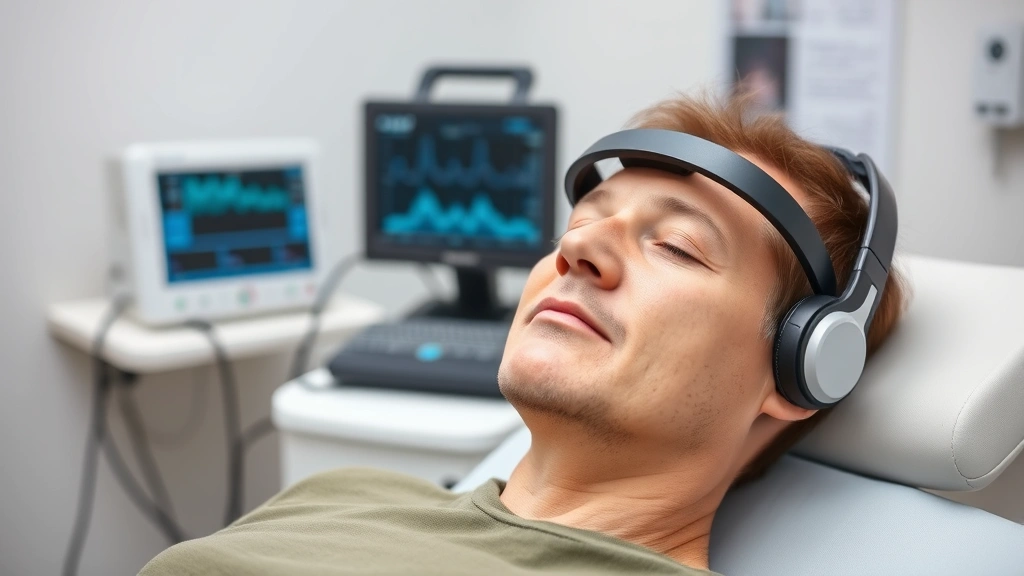
Neurowave therapy encompasses a class of non-invasive neurological treatments utilizing electromagnetic waves or specialized frequency stimulation to modulate neural activity. The underlying premise involves applying targeted energy patterns to specific brain regions or peripheral nerves, theoretically restoring normal neurological function and reducing symptoms associated with various conditions. Proponents suggest these electromagnetic interventions can influence neurotransmitter production, reduce inflammation, and promote neuroplasticity.
The technology typically employs devices that generate specific frequency patterns, often in ranges claimed to correspond with natural brain wave frequencies. Practitioners assert that by synchronizing external stimulation with the brain’s intrinsic rhythms, therapeutic effects can be achieved for conditions ranging from depression to chronic pain. However, the biological mechanisms underlying these claimed effects remain subjects of considerable scientific debate and investigation.
Understanding neurowave therapy requires distinguishing it from established neuromodulation techniques like physical rehabilitation approaches that have proven efficacy. While physical therapy addresses musculoskeletal issues through evidence-based exercise protocols, neurowave therapy claims to directly influence neural signaling patterns through electromagnetic means. This fundamental difference in mechanism and validation status significantly impacts clinical recommendations and insurance coverage decisions.
The Scientific Evidence Behind Neurowave Therapy
The scientific literature examining neurowave therapy presents a mixed and often inconclusive picture. While some preliminary studies report positive outcomes, the overall body of evidence remains insufficient for widespread medical endorsement. PubMed Central research repositories contain relatively few high-quality, peer-reviewed studies specifically validating neurowave therapy mechanisms or clinical efficacy compared to established treatments.
Many published studies suffer from methodological limitations including small sample sizes, inadequate control groups, lack of blinding procedures, and high risk of bias. The gold standard for therapeutic validation—large-scale, randomized controlled trials—remains largely absent from the neurowave therapy literature. This research gap represents a critical obstacle to mainstream medical acceptance and regulatory approval by organizations like the FDA.
Several investigations suggest that observed improvements in neurowave therapy patients may result from placebo effects rather than specific therapeutic mechanisms. Research on placebo responses in pain management demonstrates that patient expectations and therapeutic context substantially influence reported outcomes, potentially accounting for reported benefits without requiring actual neurological mechanism activation. Distinguishing genuine therapeutic effects from placebo responses requires rigorous experimental design that much existing neurowave research lacks.
Neurophysiological research examining brain wave frequency claims reveals additional complications. While the brain does generate measurable electrical activity at various frequencies, the functional significance of external electromagnetic stimulation attempting to influence these patterns remains theoretically and empirically unclear. American Psychological Association resources on evidence-based practice emphasize the necessity of demonstrating specific mechanisms before accepting novel therapeutic claims.
Clinical Applications and Treatment Areas
Neurowave therapy proponents claim effectiveness across remarkably diverse conditions, including chronic pain syndromes, depression, anxiety disorders, attention deficit hyperactivity disorder, fibromyalgia, migraines, and neurological conditions like Parkinson’s disease. This unusually broad claimed applicability raises scientific red flags, as most therapeutic interventions demonstrate specificity for particular conditions rather than universal effectiveness.
The chronic pain applications represent perhaps the most commonly promoted use for neurowave therapy. Chronic pain affects millions worldwide and creates substantial treatment challenges when conventional pharmacological approaches prove insufficient or produce intolerable side effects. This significant unmet clinical need creates vulnerable populations potentially susceptible to unvalidated treatment claims. Patients experiencing years of ineffective conventional treatments may be particularly motivated to pursue experimental options despite limited evidence.
Neuropsychiatric applications, including depression and anxiety treatment, represent another major promotional focus. While established treatments like cognitive behavioral therapy for anxiety disorders have substantial research support, neurowave therapy claims alternative mechanisms through electromagnetic neural modulation. However, the absence of convincing neurobiological evidence or clinical trial data distinguishes these claims from established psychiatric interventions.
Some practitioners position neurowave therapy as complementary to conventional approaches rather than replacement treatment, suggesting combined protocols might produce superior outcomes. While combination approaches merit investigation, such recommendations should be based on empirical evidence rather than theoretical speculation. Patients considering neurowave therapy should maintain concurrent evidence-based treatments unless explicitly recommended otherwise by qualified healthcare providers.
Expert Medical Perspectives on Efficacy
Leading neuroscientists and clinical neurologists express considerable skepticism regarding neurowave therapy’s established efficacy. Major medical organizations including the American Medical Association, American Neurological Association, and American Psychiatric Association have not endorsed neurowave therapy as standard treatment for any condition. This institutional caution reflects the insufficient evidence base supporting widespread clinical implementation.
Neuroimaging specialists note that while brain imaging studies can detect activity changes in neurowave therapy patients, such findings alone do not establish clinical efficacy or meaningful symptom improvement. Numerous interventions produce measurable brain activity changes without conferring therapeutic benefit, making neurobiological changes necessary but insufficient evidence for clinical utility. Establishing causality between observed neural changes and symptom resolution requires carefully controlled experimental designs.
Pain medicine specialists acknowledge the legitimate need for innovative approaches to chronic pain management, yet emphasize that innovation must proceed through rigorous scientific validation. National Academies of Sciences research on pain management underscores the importance of evidence-based approaches to prevent proliferation of ineffective or potentially harmful treatments. Premature adoption of unvalidated therapies may delay patients’ access to treatments with proven efficacy.
Some researchers propose that neurowave therapy warrants continued investigation through well-designed clinical trials, while cautioning against clinical implementation before adequate evidence accumulates. This balanced perspective acknowledges potential therapeutic possibilities while maintaining appropriate scientific skepticism. Such research should employ rigorous methodology including large sample sizes, appropriate control conditions, and objective outcome measures rather than relying primarily on subjective symptom reporting.
Comparing Neurowave to Alternative Therapies
When evaluating neurowave therapy, comparing its evidence base to alternative approaches clarifies its current scientific standing. Established neuromodulation techniques like transcranial magnetic stimulation (TMS) and deep brain stimulation (DBS) have undergone extensive clinical research and gained FDA approval for specific indications. These technologies demonstrate measurable efficacy in controlled trials, with clear mechanisms of action supported by neuroscientific research.
Transcranial magnetic stimulation represents perhaps the most relevant comparison point, as it also employs electromagnetic stimulation for neurological conditions. However, TMS has accumulated decades of research, multiple large-scale clinical trials, and regulatory approval for depression treatment. The evidence supporting TMS substantially exceeds that available for neurowave therapy, highlighting the importance of rigorous validation before clinical adoption.
Red light therapy represents another popular wellness intervention warranting comparison. While red light therapy for back pain enjoys some research support for specific applications, its evidence base similarly remains limited compared to physical rehabilitation approaches. The pattern across emerging wellness technologies suggests that extraordinary claims require extraordinary evidence, and many popular interventions lack sufficient scientific support for universal recommendation.
Psychotherapy approaches, particularly cognitive behavioral therapy, maintain robust evidence for anxiety and mood disorders. These well-established psychological interventions have generated thousands of peer-reviewed studies documenting efficacy across diverse populations and settings. When comparing treatment options, the strength of evidence base should significantly influence clinical decision-making and patient recommendations.
Conventional physical medicine approaches, including exercise therapy and manual therapy, have substantial research support for musculoskeletal pain conditions. These interventions work through well-understood biological mechanisms and produce measurable outcomes in controlled trials. For patients considering neurowave therapy, exploring evidence-based physical approaches should precede or accompany consideration of novel electromagnetic interventions.
Safety Profile and Potential Risks
While neurowave therapy proponents generally claim excellent safety profiles, potential risks warrant careful consideration. Electromagnetic stimulation research indicates that certain frequency ranges and intensities may produce adverse effects including headaches, dizziness, and rarely, seizure induction in susceptible individuals. Long-term safety data remains limited due to the technology’s relative novelty and restricted research investment.
Patients with implanted medical devices, including pacemakers or neurostimulators, face particular safety concerns regarding electromagnetic interference. The interaction between external electromagnetic fields and implanted electronics requires careful medical evaluation before pursuing neurowave therapy. Current guidance recommends thorough medical assessment and device manufacturer consultation before exposing patients with implants to electromagnetic stimulation.
Psychiatric risks deserve consideration for patients with vulnerable neurological conditions. While theoretical concerns exist regarding seizure induction or mood destabilization through uncontrolled electromagnetic stimulation, empirical data on these risks remains limited. Patients with seizure disorders or bipolar disorder should exercise particular caution and obtain specialist clearance before neurowave therapy consideration.
The most significant risk may involve treatment delay—patients pursuing unvalidated neurowave therapy might postpone access to established, evidence-based treatments with proven efficacy. For serious conditions like depression or chronic pain, such delays could produce substantial morbidity. This opportunity cost represents a critical safety consideration often overlooked in promotional material.
Patient Experiences and Reported Outcomes
Anecdotal patient testimonials frequently describe positive experiences with neurowave therapy, reporting symptom improvements ranging from modest to dramatic. However, personal testimonials present significant limitations as evidence sources. Numerous psychological and social factors influence symptom reporting independent of specific treatment mechanisms, including placebo effects, regression to the mean, natural disease fluctuation, and concurrent treatment modifications.
Patients experiencing improvement might attribute benefits to neurowave therapy while overlooking simultaneous lifestyle changes, medication adjustments, or psychological interventions that contributed to outcomes. Conversely, negative experiences may receive less public visibility than positive testimonials, creating publication bias in available patient narratives. Systematic bias in reported experiences limits their scientific validity for establishing treatment efficacy.
Online patient forums and testimonial sites often feature predominantly positive reports, reflecting selection bias whereby satisfied customers prove more likely to share experiences than dissatisfied patients. This distribution does not represent the actual proportion of successful versus unsuccessful treatment outcomes. Rigorous clinical research with standardized outcome measurement provides more reliable efficacy assessment than curated patient testimonials.
Some patients report that neurowave therapy produced subjective improvements without objective physical findings, raising questions about mechanism specificity. Subjective symptom relief, while valuable to experiencing patients, does not establish that specific electromagnetic mechanisms produced outcomes rather than placebo responses or contextual therapeutic factors. Distinguishing genuine treatment effects from expectancy effects requires controlled experimental designs absent from most patient experience reports.
Cost and Accessibility Considerations
Neurowave therapy typically requires substantial out-of-pocket expenses, as most insurance companies decline coverage without established clinical efficacy. Treatment courses often involve multiple sessions costing hundreds to thousands of dollars, representing significant financial commitment for patients already burdened by healthcare expenses related to chronic conditions. This cost barrier raises ethical concerns regarding equitable access and potential exploitation of vulnerable populations.
The financial structure of neurowave therapy delivery sometimes creates conflicts of interest where practitioners have direct financial incentives promoting treatment continuation regardless of actual efficacy. This differs from conventional healthcare where established treatments benefit from insurance coverage and standardized protocols. Understanding the financial incentives underlying treatment recommendations helps patients evaluate recommendation credibility.
Occupational therapy professionals, including occupational therapy assistants, work within established evidence-based frameworks where financial incentives align less directly with individual treatment recommendations. Such professional structures provide greater protection against bias toward unvalidated treatments. Patients should inquire about practitioner credentials, professional oversight, and potential financial conflicts when considering novel therapies.
Comparing neurowave therapy costs to evidence-based alternatives reveals substantial price differences. Physical therapy, cognitive behavioral therapy, and conventional medical management typically cost substantially less than specialized neurowave treatment courses. For patients with limited financial resources, investing in proven interventions rather than experimental approaches represents more prudent healthcare decision-making.
Insurance coverage decisions reflect medical organizations’ evidence-based assessment of treatment efficacy. The absence of insurance coverage for neurowave therapy indicates insufficient evidence for standard clinical recommendation. While insurance denials do not definitively prove inefficacy, they reflect professional consensus regarding inadequate validation for routine implementation.
Frequently Asked Questions
Is neurowave therapy FDA approved?
Neurowave therapy devices generally lack FDA approval as medical treatments. Some devices may have obtained clearance through less stringent pathways like 510(k) classification for general wellness devices rather than specific therapeutic applications. FDA approval specifically for treating particular medical conditions remains absent for most neurowave technology. Patients should verify regulatory status before treatment consideration and understand distinctions between wellness device clearance and therapeutic approval.
How does neurowave therapy compare to TMS?
Transcranial magnetic stimulation (TMS) has substantially more rigorous research support than neurowave therapy, including FDA approval for depression treatment and extensive clinical trial documentation. While both employ electromagnetic stimulation, TMS has undergone decades of investigation establishing specific mechanisms and clinical efficacy. Neurowave therapy lacks comparable research depth and regulatory validation. Patients seeking electromagnetic neuromodulation should prioritize TMS as the more evidence-supported option.
Can neurowave therapy replace conventional medical treatment?
Neurowave therapy should not replace established, evidence-based medical treatments without explicit healthcare provider recommendation. Doing so risks delaying access to proven interventions while pursuing unvalidated approaches. Patients should discuss any consideration of neurowave therapy with their primary care physicians and relevant specialists to ensure treatment decisions do not compromise overall healthcare quality.
What conditions show the strongest evidence for neurowave therapy?
No specific conditions demonstrate convincing evidence supporting neurowave therapy as primary treatment. While practitioners claim benefits for numerous conditions, peer-reviewed research supporting these claims remains limited. Chronic pain and depression represent most commonly promoted applications, yet evidence remains insufficient for mainstream medical recommendation in either area. Patients should rely on conditions with robust clinical trial support rather than theoretical claims.
Are there any serious safety risks?
While generally well-tolerated in reported cases, potential risks include headaches, dizziness, and rarely seizure induction. Patients with implanted medical devices face particular safety concerns. Long-term safety data remains limited due to restricted research investment. The most significant risk involves treatment delays—pursuing unvalidated neurowave therapy might postpone access to proven interventions for serious conditions.
How can patients evaluate neurowave therapy claims?
Evaluate claims by examining published peer-reviewed research, consulting established medical organizations’ position statements, and seeking second opinions from qualified specialists. Be skeptical of extraordinary claims lacking substantial clinical trial evidence. Consider whether practitioners have conflicts of interest promoting treatment. Verify credentials and professional oversight. Compare proposed costs to evidence-based alternative treatments. Request objective outcome measurement rather than relying solely on subjective reports.