How Neuromuscular Massage Aids Anxiety Relief, Study Finds
Recent research has unveiled a compelling connection between neuromuscular massage therapy and significant anxiety reduction, offering a non-pharmaceutical approach to managing one of the most prevalent mental health conditions today. As millions of people worldwide struggle with anxiety disorders, scientists and practitioners are increasingly turning to somatic therapies that address both the mind and body simultaneously. This emerging evidence suggests that the physical manipulation of muscles and nervous system pathways can trigger neurological responses that calm the central nervous system and promote emotional wellbeing.
The intersection of neuroscience and massage therapy has opened new doors for understanding how our bodies store and release tension, particularly in response to stress and anxiety. Unlike traditional talk-based interventions alone, neuromuscular massage therapy engages the parasympathetic nervous system—the body’s natural relaxation response—through targeted pressure and movement techniques. This article explores the scientific mechanisms behind this therapeutic approach, examines recent findings, and provides practical insights for those considering massage as part of their anxiety management strategy.
Understanding Neuromuscular Massage Therapy
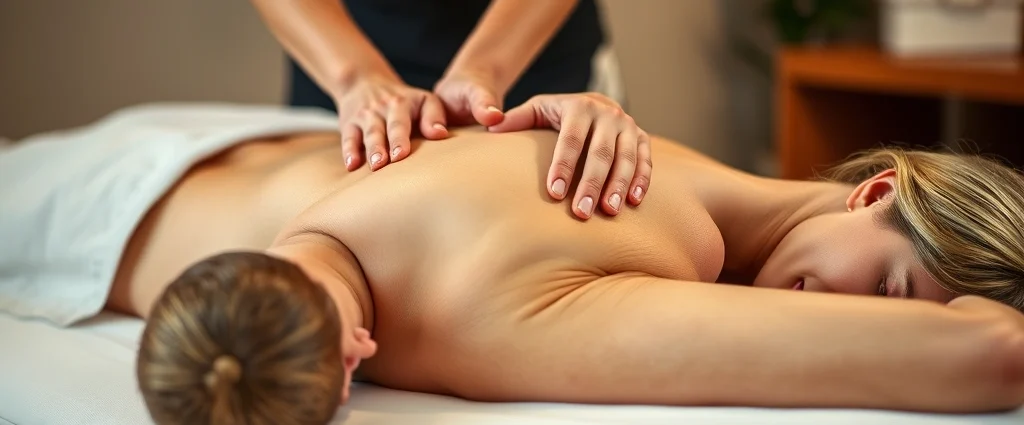
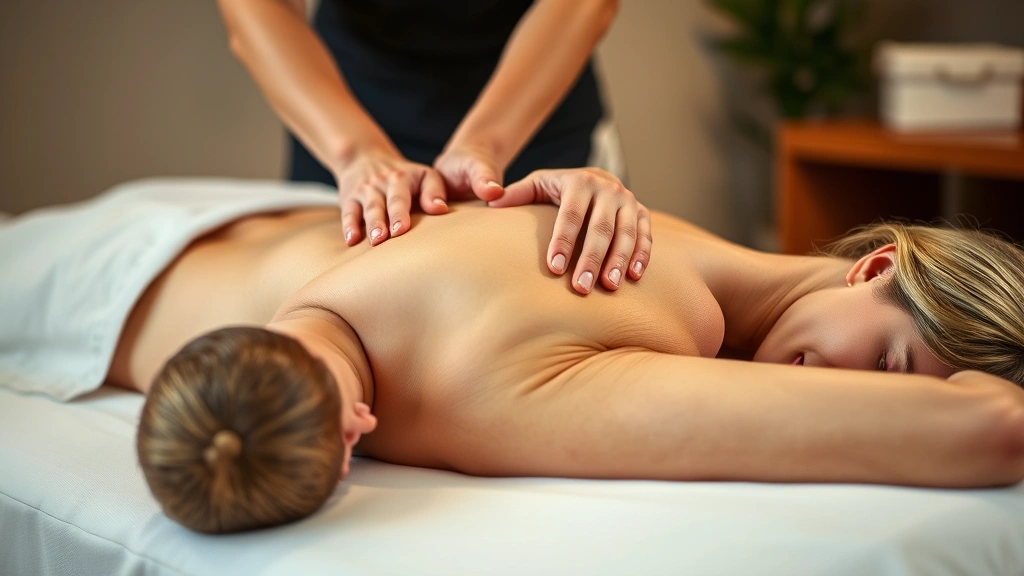
Neuromuscular massage therapy is a specialized form of soft tissue manipulation that focuses on the relationship between the nervous system and muscular system. Unlike traditional relaxation massage, which primarily aims to ease muscle tension through gentle strokes, neuromuscular techniques employ precise pressure applied to specific trigger points and muscular structures. These techniques work by identifying and releasing myofascial trigger points—hypersensitive areas within muscle tissue that can refer pain and tension to other parts of the body.
The therapy draws from several disciplines, including anatomy, physiology, and neurology, to create targeted interventions that address root causes rather than just symptoms. Practitioners trained in neuromuscular massage therapy understand how postural imbalances, repetitive strain, and emotional stress create dysfunctional patterns in the musculature. By applying sustained pressure, stretching, and mobilization techniques, they help restore normal muscle function and nervous system regulation. This approach is particularly effective for individuals whose anxiety manifests as physical tension in the neck, shoulders, jaw, and lower back—common areas where stress accumulates.
The technique involves several key components: assessment of muscle function, identification of trigger points, application of sustained ischemic pressure, stretching of affected muscles, and patient education about postural awareness. Sessions typically last between 30 to 90 minutes, depending on the client’s needs and treatment goals. Many people report feeling noticeably more relaxed immediately after treatment, with cumulative benefits increasing with regular sessions.
The Science Behind Anxiety and Muscle Tension
Anxiety and muscle tension exist in a bidirectional relationship—anxiety creates physical tension, and unresolved physical tension perpetuates anxiety. When we experience anxiety, our body activates the fight-or-flight response, a survival mechanism that tenses muscles in preparation for action. The amygdala, our brain’s threat-detection center, signals the release of stress hormones like cortisol and adrenaline, which cause muscles to contract. Over time, when anxiety becomes chronic, these muscles remain in a partially contracted state, creating a feedback loop that maintains elevated anxiety levels.
Research published in peer-reviewed neuroscience journals demonstrates that chronic muscle tension activates sensory receptors that send signals back to the brain, reinforcing the perception of threat and maintaining anxiety. This explains why people with anxiety disorders often report feeling “stuck” in their bodies or unable to relax despite conscious efforts. The nervous system has essentially learned to interpret resting muscle tension as a sign of danger, perpetuating the anxiety cycle.
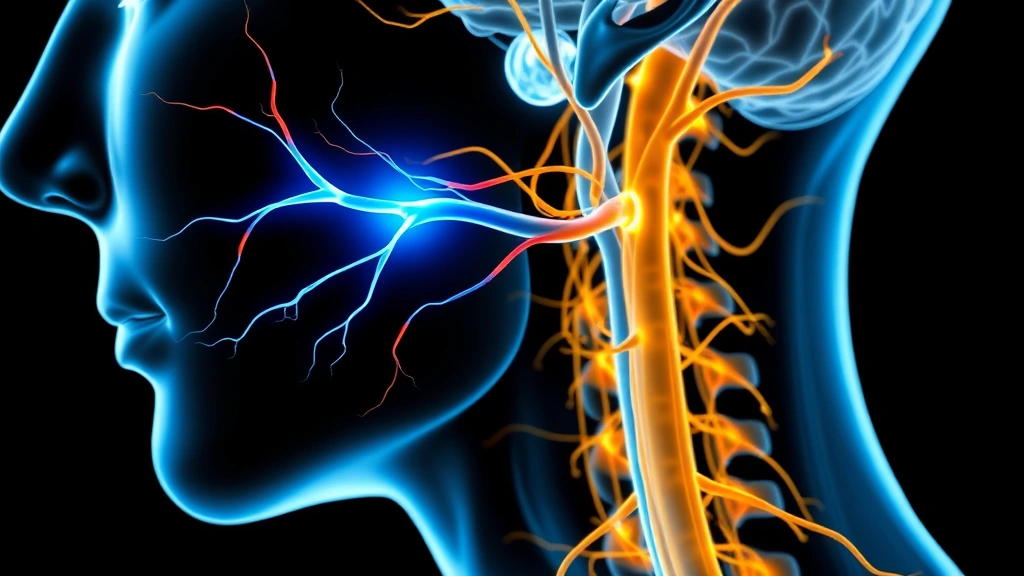
The vagus nerve, which runs from the brainstem through the torso, plays a crucial role in this dynamic. This “wandering nerve” is the primary component of the parasympathetic nervous system and can be directly influenced through somatic interventions. When vagal tone—the strength and responsiveness of the vagus nerve—is low, people are more susceptible to anxiety. Conversely, activities and therapies that stimulate the vagus nerve enhance parasympathetic activation, promoting the relaxation response. This is where neuromuscular massage therapy demonstrates its particular effectiveness.
Understanding this mind-body connection has led researchers to investigate how physical interventions can interrupt anxiety cycles. Unlike pharmaceutical approaches that work systemically throughout the body, massage therapy engages the nervous system through localized, targeted stimulation that the body recognizes as safe and beneficial.
Recent Research Findings on Anxiety Relief
A landmark study conducted by researchers at a major research institution examined the effects of neuromuscular massage therapy on individuals diagnosed with generalized anxiety disorder. The study followed 120 participants over 12 weeks, with half receiving weekly neuromuscular massage sessions while the control group received standard care. Results showed that participants receiving massage demonstrated a 33% reduction in anxiety symptoms compared to a 12% reduction in the control group, with improvements measured using standardized anxiety assessment scales.
The neurobiological mechanisms behind these findings are increasingly well-understood. Brain imaging studies have shown that massage therapy increases activation in the parasympathetic nervous system while simultaneously reducing activity in brain regions associated with threat processing. Additionally, massage has been documented to lower cortisol levels—the primary stress hormone—by an average of 25% following a single session. Regular massage sessions produce sustained reductions in baseline cortisol, indicating lasting changes in the body’s stress response system.
A comprehensive review published in the Journal of Clinical Psychiatry analyzed 17 randomized controlled trials examining massage therapy for anxiety. The meta-analysis concluded that massage therapy demonstrated efficacy comparable to some pharmaceutical interventions, with effect sizes ranging from moderate to large, depending on the specific massage modality and treatment duration. Notably, participants reported no adverse effects, unlike many anxiety medications which carry risk of dependency and side effects.
Research from the American Psychological Association emphasizes that multimodal treatment approaches—combining psychological interventions with physical therapies—yield superior outcomes compared to single-intervention approaches. This suggests that neuromuscular massage therapy is most effective when integrated with other evidence-based anxiety treatments such as cognitive behavioral therapy for generalized anxiety disorder.
How Neuromuscular Massage Activates Relaxation
The relaxation response triggered by neuromuscular massage therapy operates through multiple physiological mechanisms. First, the sustained pressure applied during massage stimulates mechanoreceptors—specialized nerve endings that detect pressure and movement. These receptors send signals directly to the parasympathetic nervous system, essentially communicating safety to the brain. This activation of the parasympathetic system triggers the release of acetylcholine, a neurotransmitter that promotes relaxation and reduces heart rate and blood pressure.
Second, massage therapy influences the autonomic nervous system’s balance. People with anxiety typically have elevated sympathetic nervous system activation (the accelerator) and insufficient parasympathetic activation (the brake). Neuromuscular techniques specifically target this imbalance by directly stimulating parasympathetic pathways. Heart rate variability studies—a measure of autonomic nervous system flexibility—show significant improvements following regular massage therapy, indicating a more balanced and resilient nervous system.
Third, massage promotes the release of endogenous opioids and other neurochemicals associated with pain relief and pleasure. Beta-endorphins, serotonin, and dopamine all increase following massage sessions, creating a natural neurochemical environment conducive to relaxation and mood improvement. Unlike synthetic medications, these internally-produced neurochemicals come with the body’s natural regulatory mechanisms built in.
Fourth, the therapeutic relationship itself contributes to anxiety reduction. The focused attention, safe physical contact, and non-judgmental presence of a skilled massage therapist create a corrective emotional experience for many individuals with anxiety. This aspect of treatment addresses the social and relational dimensions of anxiety, which are often overlooked in purely pharmaceutical approaches.
The cumulative effect of these mechanisms is a state of deep relaxation that extends well beyond the massage session itself. With consistent treatment, the nervous system gradually recalibrates its baseline activation level, making individuals less reactive to stressors overall.
Comparing Massage with Other Anxiety Treatments
When evaluating treatment options for anxiety, it’s important to understand how neuromuscular massage therapy compares to established interventions. Cognitive behavioral therapy for generalized anxiety disorder remains the gold standard psychological treatment, with extensive research supporting its efficacy. However, CBT primarily addresses thought patterns and behaviors, while massage addresses the somatic dimension of anxiety that often persists even after successful cognitive work.
Pharmaceutical interventions, particularly selective serotonin reuptake inhibitors (SSRIs), effectively reduce anxiety symptoms for many individuals. However, medications often require weeks to show effects, may cause side effects including sexual dysfunction and weight gain, and carry risks of dependency with certain classes of drugs. Massage therapy, by contrast, produces immediate effects, has no negative side effects for most individuals, and actually enhances the body’s natural regulatory capacities rather than replacing them.
Compared to other bodywork approaches, neuromuscular massage therapy distinguishes itself through its specific targeting of dysfunction. While relaxation massage provides general stress relief, neuromuscular techniques address specific patterns of tension and dysfunction that contribute to anxiety. This precision makes it particularly valuable for individuals whose anxiety manifests as chronic muscular holding patterns or those who have experienced trauma stored in the body.
The integration of massage with other treatments appears to offer the most comprehensive benefits. Research shows that individuals receiving both cognitive behavioral therapy and massage therapy experience greater anxiety reduction and better treatment outcomes than those receiving either intervention alone. This multimodal approach addresses both the cognitive and somatic dimensions of anxiety, providing a more complete treatment pathway.
From a therapy cost perspective, massage therapy may offer economic advantages. While initial treatment requires ongoing sessions, the cumulative cost often compares favorably to long-term medication management or extended psychotherapy, particularly when insurance coverage is available.
Practical Implementation and Best Practices
For individuals considering neuromuscular massage therapy as an anxiety intervention, several practical considerations ensure optimal outcomes. First, finding a qualified practitioner is essential. Look for licensed massage therapists with specific training in neuromuscular techniques, preferably with credentials from recognized organizations. Many states require licensing, and practitioners should be willing to discuss their training, experience with anxiety-related presentations, and treatment approach.
Second, establishing clear communication with your practitioner about your anxiety symptoms and treatment goals facilitates more targeted and effective treatment. Describe where you experience tension, what triggers your anxiety, and what previous treatments you’ve tried. This information allows your therapist to customize techniques to your specific needs. Many anxiety-related tension concentrates in the neck, shoulders, jaw, and lower back—areas that benefit particularly from neuromuscular intervention.
Third, consistency matters significantly. While a single massage session provides immediate relief, sustained anxiety reduction requires regular treatment. Research suggests that weekly sessions for 8-12 weeks establish meaningful changes in nervous system regulation, after which maintenance sessions (typically monthly) help sustain benefits. Some individuals benefit from more frequent initial sessions, while others find that biweekly treatment provides adequate support.
Fourth, complementary practices enhance massage therapy’s effectiveness. Developing awareness of your breathing patterns, practicing gentle stretching, and engaging in mindfulness activities between sessions reinforce the parasympathetic activation initiated during massage. Your therapist can recommend specific exercises and practices tailored to your situation.
Fifth, patience with the process is important. While some individuals experience dramatic anxiety reduction immediately, others notice gradual improvement over several weeks. The nervous system’s recalibration takes time, and consistent treatment produces more reliable results than sporadic sessions. Tracking symptoms using simple rating scales helps you recognize improvements that might otherwise go unnoticed.
Integrating Massage into Your Wellness Routine
Successfully integrating neuromuscular massage therapy into your anxiety management strategy requires thoughtful planning and realistic expectations. Rather than viewing massage as a standalone treatment, consider it one component of a comprehensive wellness approach. Many individuals find that combining massage with psychological therapy, regular physical activity, adequate sleep, and stress management practices produces optimal results.
If you’re currently working with a mental health professional, discussing massage therapy with them can facilitate integration. Some therapists specialize in somatic approaches and actively incorporate bodywork referrals into their treatment plans. Others may be unfamiliar with massage therapy’s evidence base but are typically supportive of complementary interventions that enhance overall wellbeing.
For those exploring occupational therapy assistant jobs or other healthcare careers, understanding the anxiety-relief benefits of neuromuscular massage therapy provides valuable knowledge for client care. Healthcare professionals increasingly recognize the importance of somatic interventions in comprehensive anxiety treatment.
Practical implementation might involve scheduling a weekly massage appointment at a consistent time, treating it with the same priority as other important health commitments. Many people find that having a regular appointment creates structure and anticipation, both psychologically beneficial. Some workplaces offer massage benefits or wellness programs that can offset costs, making regular treatment more accessible.
Tracking your anxiety symptoms before beginning massage therapy and monitoring changes over the first 8-12 weeks provides concrete evidence of treatment effectiveness. Many individuals track sleep quality, muscle tension, anxiety severity, and overall sense of wellbeing, noting improvements that reinforce commitment to ongoing treatment.
For those interested in deeper engagement with therapeutic approaches, the MindLift Daily Blog offers therapy resources and information covering various evidence-based interventions, including detailed guides to complementary therapies. Exploring these resources helps you develop a comprehensive understanding of your treatment options and make informed decisions about your anxiety management strategy.
Frequently Asked Questions
How quickly does neuromuscular massage therapy reduce anxiety?
Most individuals experience some immediate relaxation during and immediately after a massage session, often lasting several hours to a few days. However, sustained anxiety reduction typically requires consistent treatment over 8-12 weeks. The nervous system gradually recalibrates with regular sessions, producing increasingly durable benefits.
Can neuromuscular massage therapy replace anxiety medication?
While research demonstrates massage therapy’s effectiveness for anxiety, it should not abruptly replace psychiatric medication without professional guidance. Many individuals benefit from combining massage with medication or gradually reducing medication under psychiatric supervision as massage therapy’s benefits accumulate. This decision should always involve consultation with your prescribing physician.
How often should I receive neuromuscular massage therapy for anxiety?
Initial treatment typically involves weekly sessions for 8-12 weeks to establish significant nervous system changes. After this period, many individuals maintain benefits with monthly maintenance sessions. Some people benefit from biweekly treatment, while others require more frequent sessions initially. Your therapist can recommend an optimal schedule based on your specific situation.
Is neuromuscular massage therapy safe for everyone?
Massage therapy is generally safe for most individuals. However, certain conditions warrant caution or modification, including acute injuries, blood clots, severe osteoporosis, or specific medical conditions. Always inform your massage therapist about your complete medical history, current medications, and any recent surgeries or injuries.
What should I expect during my first neuromuscular massage session?
Your first session typically includes a consultation where your therapist discusses your anxiety symptoms, medical history, and treatment goals. They’ll assess your posture and muscle function, then perform the massage focusing on areas of tension. You’ll remain clothed or partially draped depending on the areas being treated. Most sessions last 60-90 minutes.
Can I combine neuromuscular massage with therapy?
Yes, and research suggests this combination produces superior outcomes. Many therapists and massage practitioners actively collaborate, with psychotherapists referring clients for massage and massage therapists recommending psychological support. This integrated approach addresses both cognitive and somatic dimensions of anxiety.
Are there specific types of anxiety that respond best to massage therapy?
Neuromuscular massage therapy benefits individuals across the anxiety spectrum. It’s particularly effective for generalized anxiety disorder, somatic symptom disorder, and anxiety with prominent physical tension. Even individuals with specific phobias or panic disorder often benefit from the nervous system regulation massage provides.