
Online Therapy Training: Benefits for Mental Health Professionals
The landscape of mental health education has undergone a transformative shift in recent years. Medical family therapy training online has emerged as a revolutionary approach to preparing the next generation of mental health professionals. This comprehensive guide explores how digital learning platforms are reshaping therapeutic education and why online training programs offer unprecedented advantages for aspiring therapists and established practitioners alike.
Online therapy training represents more than just convenience—it embodies a fundamental reimagining of how clinical skills, theoretical knowledge, and practical competencies are developed. As the demand for mental health services continues to surge globally, the need for flexible, accessible, and evidence-based training programs has never been more critical. Whether you’re considering a career transition or seeking to expand your existing credentials, understanding the benefits of online therapy training can help you make an informed decision about your professional development.
What Is Medical Family Therapy Training?
Medical family therapy represents a specialized intersection between healthcare and therapeutic practice, focusing on how family dynamics influence health outcomes and vice versa. This interdisciplinary field combines principles from family systems theory, medical science, and psychological intervention to address complex health-related challenges within family contexts.
Medical family therapists work with patients experiencing chronic illnesses, managing family conflicts related to health crises, or navigating the psychological impacts of medical diagnoses. The training prepares professionals to understand biopsychosocial models of health, recognize how systemic family patterns affect individual wellbeing, and develop interventions that address both relational and medical dimensions of client concerns.
Online medical family therapy training programs typically cover core competencies including systemic assessment, treatment planning, therapeutic communication, and evidence-based interventions. Students engage with case studies, virtual simulations, and supervised practice to develop clinical expertise while maintaining flexibility in their educational schedules. This approach aligns with modern learning preferences while maintaining rigorous clinical standards.
Accessibility and Flexibility Benefits
One of the most compelling advantages of online therapy training programs is their unprecedented accessibility. Geographic barriers that once limited educational opportunities have been virtually eliminated. Whether you live in a rural area with limited graduate programs or work full-time while pursuing credentials, online platforms democratize access to quality clinical education.
The flexibility inherent in online learning accommodates diverse life circumstances. Working professionals can maintain employment while completing coursework, allowing them to earn income and build practical experience simultaneously. Parents balancing childcare responsibilities can study during convenient hours. Individuals with mobility challenges or health conditions can access education without travel constraints.
Asynchronous learning components—where students access lectures and materials on their own schedule—provide autonomy in structuring study time. This contrasts with traditional classroom settings where fixed schedules may conflict with employment, caregiving, or personal obligations. Many programs combine asynchronous modules with synchronous sessions for interactive learning, creating balanced educational experiences.
Beyond individual flexibility, online programs often accept students from different geographic regions and professional backgrounds, creating diverse cohorts. This diversity enriches discussions, exposes students to varied perspectives, and builds professional networks that extend across state and national boundaries. These connections often prove invaluable throughout careers as practitioners refer clients, collaborate on research, and provide peer support.

Cost-Effectiveness of Online Programs
Financial considerations significantly impact educational decisions. Online therapy training programs typically cost less than traditional on-campus alternatives, offering substantial savings across multiple dimensions. Elimination of commuting expenses, relocation costs, and campus housing fees reduces overall program expenses considerably. Students save on transportation, whether through reduced gas expenses, public transit costs, or travel time that could be allocated to employment.
Many online programs offer lower tuition rates than prestigious brick-and-mortar institutions, though quality remains comparable or superior. This pricing advantage reflects lower institutional overhead—fewer physical facilities, reduced administrative staff for campus operations, and streamlined resource allocation. These savings translate directly to more affordable education for students.
Additionally, students can maintain employment while studying, generating income that offsets educational costs. The ability to continue working means fewer financial sacrifices compared to full-time residential programs requiring reduced work hours or complete employment cessation. Over a two-year master’s program, this income maintenance represents substantial financial advantage.
Financial aid, scholarships, and payment plans are widely available for online programs. Many institutions offer need-based assistance, merit scholarships, and flexible payment arrangements specifically designed for online learners. Some employers provide tuition reimbursement for employees pursuing relevant credentials, further reducing out-of-pocket costs. When exploring options, investigate whether programs offer financial aid packages comparable to traditional universities.
Quality of Clinical Education
A common misconception suggests that online education inherently provides inferior clinical training. Contemporary online therapy programs employ rigorous quality assurance mechanisms, evidence-based instructional design, and innovative technologies that often exceed traditional classroom effectiveness.
Accreditation standards remain consistent regardless of delivery method. Legitimate online programs maintain accreditation from recognized bodies such as the Commission on Accreditation for Marriage and Family Therapy Education (COAMFTE), ensuring curriculum meets established competency standards. Faculty qualifications, supervision ratios, and clinical standards mirror on-campus requirements.
Virtual simulation technology enables realistic practice scenarios. Students engage with sophisticated video-based cases, interactive decision trees, and virtual role-plays that mirror real clinical situations. These simulations provide immediate feedback, allowing repeated practice without the limitations of live client interactions. Research demonstrates that well-designed simulations produce learning outcomes comparable to traditional case-based instruction.
Supervision—critical for clinical training—occurs through secure video conferencing, recorded sessions reviewed by faculty, and detailed written case documentation. Licensed supervisors provide individual and group supervision meeting all state regulatory requirements. Many students report that recorded session review provides advantages over real-time observation, allowing supervisors to analyze nuanced therapeutic moments in detail.
Access to therapy resources and information through institutional libraries, databases, and digital archives often exceeds what traditional campuses offer. Students access comprehensive research databases, clinical guidelines, and evidence-based practice materials essential for contemporary practice.
Technological Integration in Learning
Modern online therapy training leverages sophisticated educational technology that enhances learning outcomes. Learning management systems organize course materials, facilitate discussions, track progress, and provide analytics that help students identify areas needing additional focus.
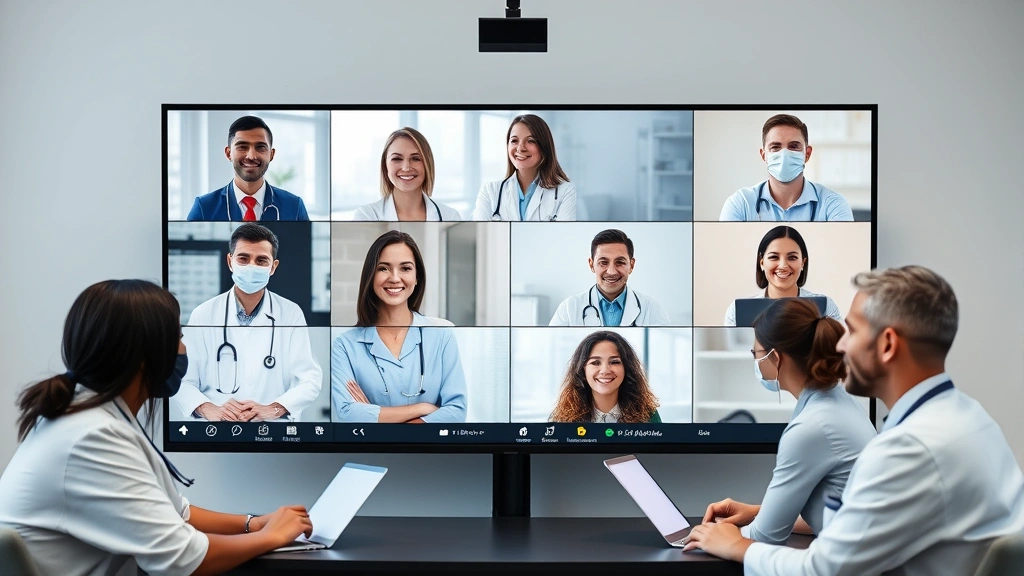
Video conferencing platforms enable real-time interaction between instructors and students, creating classroom experiences in digital environments. High-definition video allows observation of facial expressions, body language, and other nonverbal communication essential for therapy training. Recording capabilities enable students to review sessions, supporting reflective learning and skill development.
Artificial intelligence and adaptive learning systems personalize educational experiences. These technologies assess individual learning styles, identify knowledge gaps, and recommend tailored resources. Algorithms adjust difficulty levels and content sequencing based on performance, optimizing learning efficiency.
Virtual reality applications are beginning to transform clinical training. Immersive VR environments enable students to practice therapeutic skills in controlled settings with realistic client presentations. While still emerging, VR applications show promise for training complex clinical scenarios, particularly for exposure therapy, anxiety management, and crisis intervention techniques.
Digital assessment tools provide comprehensive evaluation of clinical competencies. Video submissions of therapy sessions, written case conceptualizations, and standardized assessment instruments create multifaceted evaluation systems. These tools generate detailed feedback supporting skill development while maintaining rigorous competency standards.
Career Advancement Opportunities
Completing online therapy training opens diverse career pathways. Graduates pursue positions in community mental health centers, hospitals, private practice, corporate wellness programs, schools, and specialized clinics. The credential itself carries identical weight to degrees from traditional programs when accreditation standards are met.
Many online students report career advantages stemming from their training approach. Completing education while working builds practical experience simultaneously with theoretical knowledge. This integration means graduates enter the job market with both formal credentials and direct professional experience, enhancing competitiveness.
Online training attracts professionals from varied backgrounds—nurses, social workers, counselors, and healthcare administrators—who bring diverse perspectives to the field. This interdisciplinary foundation enables graduates to work effectively in medical settings, collaborate with physicians, and contribute to integrated healthcare teams. Such backgrounds often differentiate candidates in competitive job markets.
Specialization options abound within online programs. Cognitive behavioral therapy approaches, trauma-informed care, addiction counseling, and medical family therapy concentrations allow students to develop expertise in specific areas. These specializations enhance job prospects and enable focus on populations or issues matching individual professional interests.
Licensure and credential requirements are identical for online and traditional graduates. Upon completion, graduates sit for identical licensing examinations, complete equivalent supervised practice hours, and meet all regulatory standards. The online pathway simply offers alternative means of obtaining the same professional credentials.
Specialized Training Modules
Contemporary online programs offer specialized training modules addressing specific clinical populations and therapeutic approaches. Medical family therapy training online typically includes modules on chronic illness management, end-of-life family counseling, pediatric health psychology, and family responses to mental health diagnoses.
Trauma-informed care modules have become standard, reflecting the prevalence of trauma in clinical populations and the importance of understanding trauma’s neurobiological and relational impacts. These modules teach assessment techniques, trigger identification, and therapeutic approaches that promote safety and healing.
Substance abuse and addiction modules prepare therapists to work with individuals and families affected by addiction. Content covers neurobiology of addiction, evidence-based interventions like motivational interviewing, family system impacts, and relapse prevention strategies.
Cultural competency training ensures therapists understand how cultural identities, values, and experiences shape mental health presentations and therapeutic relationships. Modules address intersectionality, microaggressions, privilege, and culturally-responsive practice across diverse populations.
Technology-facilitated therapy modules address digital mental health delivery, teletherapy ethics, and online safety. As telehealth becomes increasingly prevalent, understanding digital platforms, maintaining confidentiality in virtual environments, and recognizing unique challenges of remote therapy proves essential.
Supervision and consultation modules prepare graduates to eventually supervise other clinicians. These advanced offerings benefit experienced practitioners pursuing leadership roles and contribute to the profession’s capacity to train future generations.
Explore related training opportunities like master’s in physical therapy programs and master’s degree in speech therapy to understand how different allied health professions structure online education.
Frequently Asked Questions
Are online therapy degrees recognized by employers and licensing boards?
Yes, accredited online therapy degrees receive identical recognition to on-campus degrees. Employers and licensing boards evaluate credentials based on accreditation status, not delivery method. Verify that programs hold recognized accreditation from bodies like COAMFTE, CACREP, or equivalent organizations. Graduates take identical licensing examinations and meet equivalent supervised practice requirements regardless of how they completed their degree.
How much supervised clinical practice occurs in online programs?
Accredited online programs maintain supervision standards identical to traditional programs. Most require 1,000-2,000 hours of direct client contact with licensed supervision, depending on program type and state regulations. Supervision occurs through secure video conferencing, recorded session review, and written case consultation. Students typically complete practicum and internship requirements at local clinical sites while their program provides supervision.
What technology do I need for online therapy training?
Basic requirements include a reliable internet connection, computer with webcam and microphone, and quiet study space. Some programs require specific software for video conferencing, learning management systems, or clinical simulations. Most use standard platforms like Zoom, Canvas, or Blackboard that function on Windows and Mac systems. Review specific program requirements before enrolling to ensure technical compatibility.
Can I maintain employment while completing online therapy training?
Many students successfully balance employment with online studies, particularly in asynchronous programs allowing flexible scheduling. However, clinical practicum and internship requirements may necessitate reduced work hours during final semesters. Some employers offer tuition assistance or adjusted schedules for employees pursuing relevant credentials. Carefully review time commitment expectations, particularly for synchronous sessions and practicum requirements.
How do online programs ensure clinical competency development?
Accredited programs employ comprehensive assessment strategies including written examinations, case conceptualizations, recorded therapy sessions, standardized competency assessments, and supervisor evaluations. Students receive detailed feedback supporting skill development. Simulation-based learning, case study analysis, and supervised practice ensure students develop competencies meeting professional standards before graduation and licensure.
What career outcomes do online therapy graduates achieve?
Online program graduates pursue careers identical to traditional graduates—community mental health, private practice, hospitals, schools, corporate wellness, and specialized clinics. Research indicates comparable job placement rates and starting salaries. Many employers view online graduates favorably, particularly those completing programs while maintaining professional experience. Career outcomes depend more on individual effort, networking, and specialization than program delivery method.
How much does online therapy training typically cost?
Program costs vary widely, typically ranging from $20,000 to $60,000 for master’s degrees depending on institution, program length, and specialization. Online programs often cost less than on-campus alternatives. Explore therapy cost guides for detailed financial planning. Financial aid, scholarships, and payment plans are widely available. Many employers provide tuition reimbursement, further reducing out-of-pocket costs.
Are clinical internships available for online students?
Yes, online programs arrange clinical internships at local agencies, hospitals, clinics, and private practices near students’ residences. Programs maintain relationships with numerous internship sites or help students identify appropriate placements. Some programs offer flexibility in internship timing, allowing students to arrange placements matching their geographic location and career interests. Discuss internship logistics during program selection to ensure availability in your area.