

How Mindfulness Aids Physical Therapy: Expert Insights
The integration of mindfulness into physical therapy represents one of the most significant advances in rehabilitation medicine over the past decade. As healthcare professionals pursue a masters in physical therapy and related disciplines, understanding the synergy between mental awareness and physical recovery has become essential knowledge. Mindfulness—defined as the practice of maintaining moment-to-moment awareness without judgment—has demonstrated measurable improvements in pain management, patient adherence, and functional outcomes across diverse patient populations.
Research from leading institutions and clinical practice environments consistently shows that patients who incorporate mindfulness techniques during rehabilitation experience faster recovery times, reduced anxiety, and improved quality of life. This convergence of neuroscience, psychology, and physical medicine offers practitioners a comprehensive toolkit for enhancing traditional therapeutic interventions. Whether you’re considering pursuing advanced credentials or seeking to understand the holistic approach modern therapists employ, the evidence supporting mindfulness in physical therapy is compelling and well-documented.

The Neuroscience Behind Mindfulness and Physical Recovery
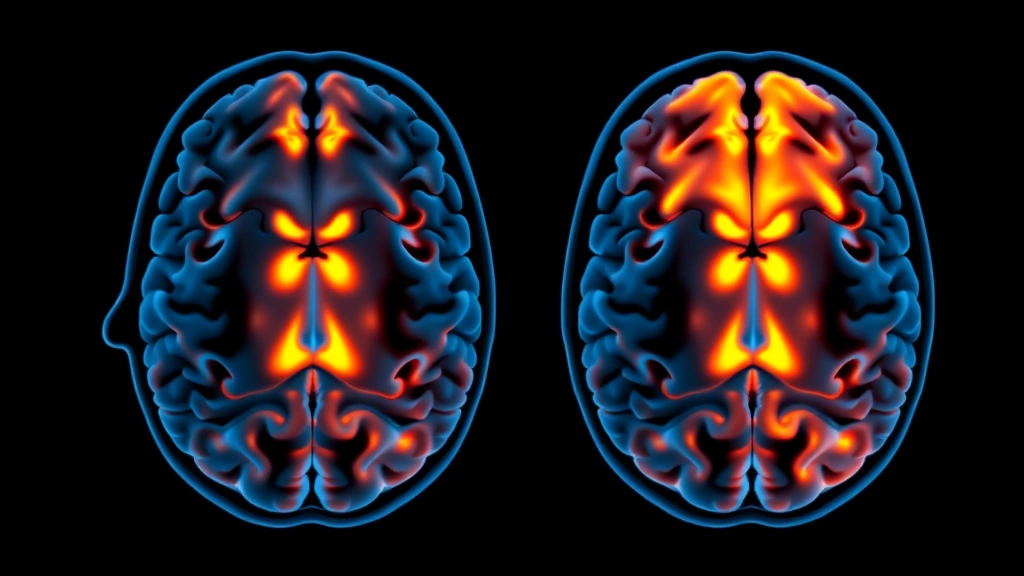
When patients engage in mindfulness practices during physical therapy, measurable changes occur in brain activity and neurochemical function. Functional MRI studies have demonstrated that mindfulness meditation activates the prefrontal cortex—the brain region responsible for executive function, emotional regulation, and decision-making—while simultaneously reducing activity in the amygdala, which processes fear and pain signals. This neurological shift creates an optimal mental state for physical healing.
The vagus nerve, a critical component of the parasympathetic nervous system, becomes more responsive through consistent mindfulness practice. When activated, this nerve promotes the relaxation response, lowering cortisol levels and reducing inflammation throughout the body. For patients recovering from injury or surgery, this physiological shift accelerates tissue healing and reduces the chronic stress that typically accompanies rehabilitation. Graduate students pursuing a Master of Science in Occupational Therapy increasingly encounter this neuroscientific foundation in their curriculum.
Additionally, mindfulness enhances neuroplasticity—the brain’s ability to form new neural connections. When physical therapists guide patients through mindful movement, they’re essentially rewiring neural pathways associated with pain perception and motor control. This is particularly valuable for patients with chronic pain conditions or those recovering from neurological events like stroke. The combination of intentional physical movement with present-moment awareness creates stronger, more efficient neural networks supporting functional recovery.
Research published in Frontiers in Psychology demonstrates that mindfulness-based interventions activate the insula and anterior cingulate cortex, brain regions critical for interoceptive awareness—the ability to perceive internal bodily sensations. This heightened awareness allows patients to recognize subtle improvements in movement quality, proprioception, and pain levels, reinforcing positive progress and motivation.
Pain Management Through Mindful Awareness
Chronic pain represents one of the most challenging aspects of physical rehabilitation, affecting patient outcomes and psychological well-being. Traditional approaches relying solely on pharmaceutical interventions often prove insufficient, leading clinicians to adopt complementary strategies. Mindfulness offers a paradigm shift in how patients relate to pain—not by eliminating it, but by changing their cognitive and emotional response to it.
The gate control theory of pain, first proposed by Melzack and Wall, provides a framework for understanding how mindfulness reduces pain perception. According to this model, the spinal cord contains a neurological “gate” that can open or close, regulating the flow of pain signals to the brain. Mindfulness practices essentially close this gate by directing attention away from pain sensations and toward neutral or pleasant bodily experiences. When patients practice body scan meditation during physical therapy sessions, they develop the capacity to observe pain without the catastrophizing thoughts that typically amplify suffering.
A landmark study from JAMA Internal Medicine found that mindfulness-based stress reduction produced pain relief comparable to prescription analgesics in certain patient populations, without the associated side effects. Patients reported not just reduced pain intensity, but fundamentally altered pain experience—they described pain as “less bothersome” and “more manageable.” This distinction is crucial: mindfulness doesn’t necessarily eliminate pain signals, but rather reduces suffering by altering the emotional and cognitive relationship with those signals.
For physical therapists, this means that incorporating mindfulness into treatment protocols can reduce the need for escalating medication dosages and create psychological safety that encourages patients to engage more fully in therapeutic exercises. When patients trust that their pain experience is being addressed through multiple modalities—both physical and psychological—they demonstrate greater treatment compliance and faster functional improvements.
Enhancing Patient Compliance and Motivation
One of the most frustrating challenges in physical therapy is patient non-compliance with home exercise programs. Research indicates that 40-60% of patients fail to adhere to prescribed exercises between sessions, significantly compromising outcomes. Mindfulness addresses this compliance challenge by transforming how patients relate to therapeutic exercise—shifting from obligation-based activity to purposeful, meaningful engagement.
When therapists teach patients to practice mindfulness during exercises, several psychological shifts occur. First, patients become more present during movement, which naturally increases enjoyment and reduces the sense of repetitive burden. Second, mindfulness cultivates intrinsic motivation—the internal drive to engage in behavior because it feels valuable—rather than extrinsic motivation driven by external rewards or fear of consequences. Third, the self-compassion component of mindfulness practice counteracts the perfectionism and self-criticism that often sabotage rehabilitation efforts.
Consider a patient recovering from knee surgery who dreads their daily quadriceps strengthening exercises. A mindfulness-based approach might involve instructing the patient to perform these exercises while maintaining awareness of sensations—the gentle stretch in the muscle, the stability of their leg, the gradual increase in strength over weeks. This reframing transforms exercise from “painful obligation” to “empowering self-care.” Patients report greater satisfaction with their recovery and demonstrate improved adherence metrics.
The relationship between therapist and patient also deepens through mindfulness practices. When therapists model mindful presence—fully attending to the patient without distraction—patients feel genuinely seen and valued. This therapeutic alliance strengthens motivation and creates psychological safety essential for discussing fears, setbacks, and progress. Students pursuing advanced qualifications, including those exploring massage therapy school cost and physical therapy cost, should recognize that mindfulness skills represent valuable competitive advantages in clinical practice.
Mindfulness Techniques for Rehabilitation Settings
Practical implementation of mindfulness in physical therapy doesn’t require extensive training or exotic techniques. Several evidence-based approaches integrate seamlessly into standard rehabilitation protocols.
Body Scan Meditation: Patients systematically direct attention through different body regions, noting sensations without judgment. This 10-15 minute practice enhances interoceptive awareness and reduces pain catastrophizing. Therapists can guide abbreviated versions (3-5 minutes) during sessions to establish the practice.
Mindful Movement: Patients perform therapeutic exercises with deliberate attention to sensations, alignment, and breath. Rather than completing prescribed repetitions mechanically, they focus on movement quality and bodily feedback. This approach transforms exercise into a form of moving meditation that builds both physical capacity and mental resilience.
Breath Awareness: Simple breathing techniques activate the parasympathetic nervous system and provide an anchor for attention during pain or anxiety. The 4-7-8 breathing pattern (inhale for 4 counts, hold for 7, exhale for 8) demonstrates particular efficacy in reducing pain perception and promoting relaxation before challenging exercises.
Loving-Kindness Meditation: This practice cultivates compassion toward oneself and others, counteracting the negative self-talk common in rehabilitation. Patients silently repeat phrases like “May I be strong and healthy” while visualizing healing. Research shows this approach reduces depression and anxiety in rehabilitation populations.
Grounding Techniques: The 5-4-3-2-1 sensory awareness exercise (identifying five things you see, four you feel, three you hear, two you smell, one you taste) anchors anxious patients in present-moment reality, particularly valuable before anxiety-provoking procedures or exercises.
Integration in Masters Programs
Progressive occupational therapy month celebrations and contemporary physical therapy education increasingly emphasize mindfulness and holistic care approaches. Universities offering masters in physical therapy now incorporate mindfulness-based stress reduction (MBSR) modules into their curricula, recognizing that future practitioners must understand both the theoretical foundations and practical applications of these techniques.
Leading programs structure mindfulness training across multiple semesters, beginning with foundational knowledge about neuroscience and evidence-based research. Students typically engage in personal mindfulness practice before learning to teach others, recognizing that authentic instruction requires lived experience. Advanced coursework explores integration strategies, cultural adaptations, and ethical considerations in teaching mindfulness to vulnerable patient populations.
Clinical internships increasingly feature mindfulness components, with supervisors evaluating students’ capacity to model present-moment awareness, respond with compassion to patient struggles, and integrate mindfulness into treatment plans. Some programs partner with meditation centers or offer elective courses in mindfulness-based pain management specifically designed for rehabilitation contexts.
The American Physical Therapy Association has published position statements recognizing mindfulness as a complementary evidence-based approach, lending institutional credibility to its inclusion in professional education. This institutional support encourages more programs to integrate mindfulness, ensuring future practitioners possess these valuable competencies.
Clinical Evidence and Research Outcomes
The empirical foundation supporting mindfulness in physical therapy continues expanding. A meta-analysis published in PubMed Central examining 47 randomized controlled trials found that mindfulness-based interventions produced significant improvements in pain intensity (effect size: 0.58), pain-related disability (effect size: 0.62), and psychological distress (effect size: 0.75) compared to standard care alone.
Specific populations demonstrate particularly robust responses to mindfulness-integrated physical therapy. Patients with chronic low back pain show 35-40% greater improvement in functional capacity when mindfulness is incorporated. Post-operative patients experience reduced opioid consumption and shorter hospital stays. Athletes recovering from injuries demonstrate faster return-to-sport timelines and reduced fear-avoidance beliefs.
Neuroimaging studies reveal that consistent mindfulness practice increases gray matter density in the hippocampus and prefrontal cortex while decreasing amygdala reactivity—structural changes that correlate with improved pain tolerance and emotional regulation. These findings validate what clinicians observe: mindfulness produces lasting neurobiological changes that support sustained recovery.
Long-term outcome studies tracking patients 6-12 months post-rehabilitation show that those who maintained mindfulness practices experienced fewer symptom relapses and greater functional maintenance compared to control groups. This suggests that mindfulness provides lasting benefits extending far beyond the rehabilitation period itself.
For healthcare professionals considering advanced education, understanding this evidence base strengthens clinical decision-making and positions practitioners as leaders in integrative rehabilitation. Those exploring MindLift Daily Blog resources can access current research summaries and clinical implementation strategies.
Frequently Asked Questions
What is the primary mechanism through which mindfulness improves physical therapy outcomes?
Mindfulness primarily works through three mechanisms: reducing pain perception by altering brain activity in pain-processing regions, enhancing parasympathetic nervous system activation to promote tissue healing, and increasing intrinsic motivation for therapeutic engagement. The combination of these neurobiological and psychological shifts accelerates recovery and improves functional outcomes.
How long must patients practice mindfulness before experiencing benefits?
Research suggests that measurable benefits emerge within 8-12 weeks of consistent practice (approximately 20-30 minutes daily). However, acute benefits—reduced anxiety, improved pain tolerance—can occur within individual sessions. Clinical improvements in physical function typically become evident within 4-6 weeks of integrated mindfulness and physical therapy.
Can mindfulness replace traditional pain medication in physical therapy?
Mindfulness works best as a complementary approach rather than a replacement for appropriate pharmacological management. The combination of mindfulness with evidence-based medication produces superior outcomes compared to either approach alone. Patients should never discontinue prescribed medications without physician guidance, though mindfulness may reduce required dosages over time.
Do all patients benefit equally from mindfulness-integrated physical therapy?
While most patients benefit from mindfulness approaches, individual responses vary based on personality, cultural background, trauma history, and cognitive capacity. Some patients naturally embrace meditation while others require alternative formats like mindful movement or guided practices. Skilled therapists adapt mindfulness techniques to individual preferences and needs.
What training do physical therapists need to teach mindfulness effectively?
The minimum recommended training includes completion of a standardized mindfulness-based stress reduction (MBSR) program (8 weeks), personal meditation practice (consistent daily practice for at least 6 months), and specialized training in mindfulness applications for pain management or rehabilitation. Many therapists pursue certification through organizations like the Center for Mindfulness at the University of Massachusetts Medical School.
How does mindfulness specifically help with rehabilitation compliance?
Mindfulness increases intrinsic motivation by making exercises more engaging and meaningful. When patients practice present-moment awareness during therapeutic activities, they experience greater satisfaction, develop self-compassion that counteracts perfectionism, and build stronger therapeutic relationships with providers. These psychological shifts naturally enhance adherence to home exercise programs.