

How Does Mindfulness Boost Mental Health? Experts Explain
Mindfulness has emerged as one of the most researched and validated approaches to improving mental health in contemporary psychology. This ancient practice, rooted in meditation traditions spanning thousands of years, has been scientifically validated to reduce anxiety, depression, and stress while enhancing overall psychological well-being. Mental health professionals worldwide now recognize mindfulness as a cornerstone intervention, often recommending it alongside traditional therapies and complementary approaches like physical therapy for shoulder pain to address the mind-body connection.
The intersection of mindfulness practice and mental health treatment represents a paradigm shift in how we approach psychological wellness. Rather than relying solely on pharmaceutical interventions, many experts now advocate for integrated approaches that combine mindfulness with evidence-based therapies. Understanding how mindfulness works at both neurological and psychological levels can help individuals make informed decisions about their mental health journey. Whether you’re exploring cognitive behavioral therapy for generalized anxiety disorder or seeking complementary wellness practices, mindfulness offers measurable benefits supported by decades of research.
This comprehensive guide explores the mechanisms through which mindfulness enhances mental health, examines expert perspectives, and discusses how mindfulness integrates with other therapeutic modalities to create holistic wellness strategies.
What Is Mindfulness and How Does It Work?
Mindfulness is defined as the psychological process of bringing one’s attention to experiences occurring in the present moment in a non-judgmental way. Rather than dwelling on past regrets or future anxieties, mindfulness anchors awareness to what is happening right now. This fundamental shift in attention patterns creates profound psychological effects that researchers have documented extensively.
The practice operates through several key mechanisms. First, mindfulness creates psychological distance from automatic thought patterns. Many mental health challenges stem from reactive thinking—the mind’s tendency to spiral into worry, rumination, or catastrophizing. When you observe thoughts mindfully, you recognize them as mental events rather than facts. This distinction alone transforms your relationship with distressing cognitions. Second, mindfulness builds what psychologists call “metacognitive awareness”—the ability to observe your own thinking processes. This awareness enables individuals to interrupt unhelpful thought patterns before they escalate into anxiety or depressive episodes.
The practice also activates the parasympathetic nervous system, which counteracts the stress response. When you focus attention on breathing or bodily sensations in a calm manner, your body receives signals that the threat has passed, reducing cortisol and adrenaline levels. This physiological shift supports the psychological benefits, creating a bidirectional improvement in mental health.
Neurobiological Mechanisms Behind Mindfulness Benefits
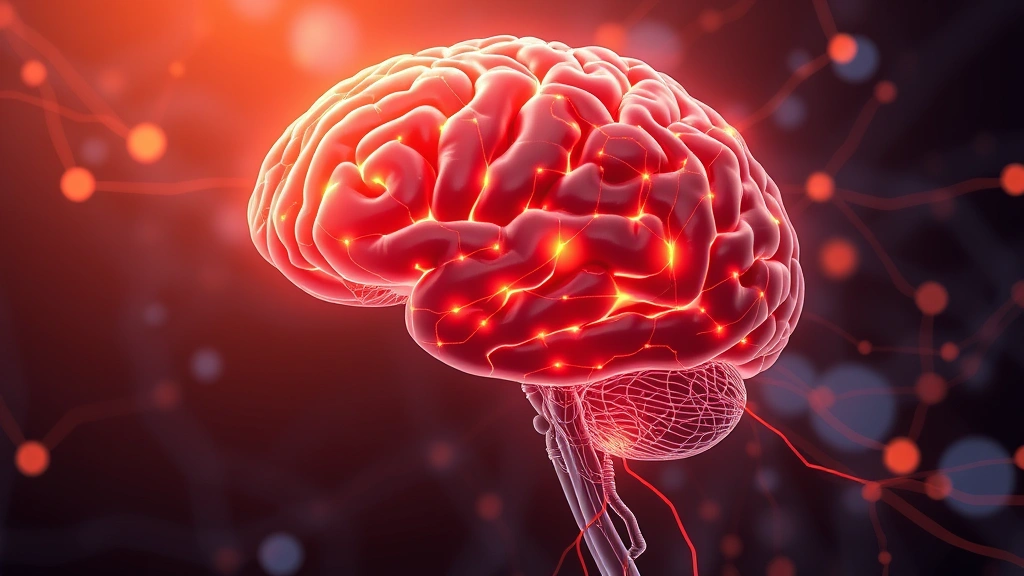
Neuroscience research has illuminated how mindfulness literally changes brain structure and function. Studies using functional MRI scans show that regular mindfulness practice increases gray matter density in the hippocampus, a brain region crucial for learning and memory, while simultaneously decreasing density in the amygdala, which processes fear and emotional reactivity. This neuroplastic change represents a fundamental rewiring of how the brain processes emotional information.
The prefrontal cortex, responsible for rational decision-making and emotional regulation, shows enhanced activation in mindfulness practitioners. Simultaneously, the default mode network—a brain system associated with self-referential thinking and mind-wandering—becomes less active. This reduced default mode activity correlates with decreased rumination and anxiety. As Nature Reviews Neuroscience research demonstrates, these changes occur relatively quickly, sometimes within eight weeks of consistent practice.
The anterior cingulate cortex, which monitors attention and detects conflicts between current states and desired states, becomes more efficient in mindfulness practitioners. This improved attentional control helps individuals notice when their minds have wandered into unhelpful thought patterns and redirect attention consciously. Additionally, mindfulness strengthens connections between the prefrontal cortex and amygdala, essentially giving the rational brain better control over the emotional brain.
Research from the American Psychological Association confirms that these neurobiological changes correspond with measurable improvements in mental health outcomes, including reduced anxiety symptoms, lower depression scores, and improved emotional resilience.
Mindfulness for Anxiety and Stress Reduction
Anxiety disorders affect millions of people globally, and mindfulness has proven remarkably effective for anxiety management. The mechanism is straightforward: anxiety thrives on avoidance and resistance. When you try to suppress anxious thoughts, the mind paradoxically becomes more focused on them. Mindfulness reverses this pattern by encouraging you to observe anxiety symptoms with curiosity rather than fear.
In mindfulness-based stress reduction (MBSR) programs, participants learn to notice physical sensations associated with anxiety—tension, rapid heartbeat, shallow breathing—without judgment. This non-reactive observation prevents the escalation cycle where anxiety about anxiety amplifies the original distress. Clinical trials show that MBSR produces significant anxiety reduction comparable to pharmaceutical interventions for many individuals.
The practice also addresses the anticipatory anxiety that characterizes many anxiety disorders. By anchoring attention to present-moment experience, mindfulness interrupts the mind’s tendency to project into feared futures. When you’re fully present, you’re not simultaneously imagining worst-case scenarios. This temporal reorientation provides immediate anxiety relief while building long-term resilience.
For those exploring complementary approaches, understanding how mindfulness combines with how much physical therapy costs and other treatment modalities helps create comprehensive wellness strategies. Many individuals benefit from integrating mindfulness with professional therapeutic support for optimal outcomes.
Depression Management Through Mindfulness Practice
Depression involves rumination—repetitive, unproductive thinking about negative experiences and self-perceptions. Mindfulness directly addresses this core feature of depression. By training attention to return to present-moment experience, mindfulness reduces the rumination that perpetuates depressive episodes. Research published in major psychiatric journals demonstrates that mindfulness-based cognitive therapy (MBCT) reduces depression relapse rates by approximately 50% compared to standard treatment alone.
The practice also addresses anhedonia, the reduced capacity to experience pleasure common in depression. By practicing mindful attention to sensory experience—the taste of food, the warmth of sunlight, the texture of objects—individuals gradually reconnect with capacity for pleasure and engagement. This sensory reawakening supports the neurobiological recovery from depression.
Additionally, mindfulness cultivates self-compassion, which directly counteracts the harsh self-criticism that characterizes depression. Instead of judging yourself for depressive symptoms, mindfulness encourages recognizing suffering with kindness and understanding. This shift from self-judgment to self-compassion facilitates emotional healing and reduces the shame that often accompanies depression.

Mindfulness and Emotional Regulation
Emotional regulation—the ability to modulate emotional intensity and respond adaptively to emotional experiences—represents a cornerstone of mental health. Mindfulness enhances emotional regulation through multiple pathways. First, it increases emotional awareness. Many people with mental health challenges have difficulty identifying and naming emotions. Mindfulness develops this fundamental skill by directing attention to bodily sensations and emotional states with precision and clarity.
Second, mindfulness creates space between stimulus and response. Viktor Frankl famously noted that between stimulus and response there is a space, and in that space lies freedom. Mindfulness expands this space, allowing individuals to choose their responses rather than react automatically. When someone says something critical, you can notice the automatic hurt response, acknowledge it, and then choose your response consciously rather than reacting defensively.
Third, mindfulness normalizes emotional experience. Rather than viewing emotions as problems to eliminate, mindfulness teaches that all emotions are natural, temporary experiences. This acceptance paradoxically reduces emotional suffering because you’re no longer fighting against your feelings. The energy previously devoted to emotional suppression becomes available for adaptive action.
For individuals interested in holistic mental health support, exploring resources like therapy goals alongside mindfulness practice creates comprehensive approaches to emotional well-being. Mental health professionals increasingly recommend integrated strategies that combine mindfulness with targeted therapeutic interventions.
Integrating Mindfulness With Professional Therapy
While mindfulness offers powerful benefits independently, research consistently shows that combining mindfulness with professional therapy produces superior outcomes for many mental health conditions. Cognitive behavioral therapy (CBT) and mindfulness-based approaches complement each other effectively. CBT helps identify and challenge unhelpful thought patterns cognitively, while mindfulness teaches non-reactive observation of thoughts.
For those dealing with specific anxiety conditions, understanding how mindfulness integrates with cognitive behavioral therapy for generalized anxiety disorder provides a comprehensive treatment framework. Therapists trained in both modalities can help clients use cognitive techniques to restructure thoughts while simultaneously developing mindful awareness to observe remaining anxious thoughts without distress.
The occupational therapy assistant jobs near me field increasingly incorporates mindfulness into holistic treatment planning. Occupational therapists recognize that mental health directly impacts functional capacity and engagement in meaningful activities. Mindfulness supports this functional recovery by reducing the mental health symptoms that interfere with daily activities.
Additionally, many therapists recommend mindfulness as a complement to other therapeutic modalities. The MindLift Daily Blog offers therapy resources exploring how various therapeutic approaches integrate with mindfulness practice. This integrated approach recognizes that different individuals benefit from different combinations of interventions, and mindfulness serves as a valuable component across multiple therapeutic frameworks.
Practical Mindfulness Techniques for Daily Life
Implementing mindfulness doesn’t require extensive training or special equipment. Simple, accessible techniques can produce significant mental health benefits. The most fundamental practice is mindful breathing. Set aside five to ten minutes daily to sit comfortably and direct attention to your breath. Notice the sensation of air entering and leaving your nostrils, the rise and fall of your chest. When your mind wanders—which it will—gently redirect attention to breathing without self-judgment. This simple practice activates the parasympathetic nervous system and builds attentional control.
Body scan meditation involves systematically directing attention through different body regions, noticing sensations without trying to change them. This practice increases body awareness and releases stored tension while training attention. Many people find that regular body scans significantly reduce physical tension associated with anxiety and stress.
Mindful eating transforms a routine activity into a meditation practice. Eat slowly, noticing colors, aromas, flavors, and textures. This practice reduces binge eating, improves digestion, and reconnects you with hunger and satiety cues. The sensory engagement also provides immediate emotional benefits by anchoring attention to present-moment pleasure.
Walking meditation combines movement with mindfulness. Walk slowly, noticing each footstep, the sensation of feet contacting the ground, and environmental stimuli. This practice proves particularly valuable for those who find sitting meditation challenging and provides the additional benefits of physical activity for mental health.
For individuals pursuing formal training in therapeutic fields, understanding mindfulness complements education in areas like occupational therapy, physical therapy, and counseling. Many training programs now incorporate mindfulness education, recognizing its relevance across multiple healthcare disciplines.
FAQ
How long does it take for mindfulness to improve mental health?
Research indicates that measurable benefits often appear within two to four weeks of consistent daily practice. However, more substantial changes typically emerge after eight to twelve weeks. The timeline varies by individual, and starting with realistic expectations helps maintain practice motivation. Some individuals notice improved emotional regulation within days, while others require longer practice periods. Consistency matters more than duration—ten minutes daily proves more effective than sporadic longer sessions.
Can mindfulness replace psychiatric medication?
Mindfulness provides valuable mental health benefits but shouldn’t replace psychiatric medication without professional guidance. For many conditions, combined approaches—medication plus mindfulness and therapy—produce optimal outcomes. Consult with psychiatric professionals before adjusting medication. Mindfulness works synergistically with medication by reducing symptoms, improving medication effectiveness, and supporting overall recovery.
Is mindfulness effective for all mental health conditions?
Mindfulness demonstrates effectiveness across numerous mental health conditions, including anxiety disorders, depression, PTSD, chronic pain with psychological components, and substance use disorders. However, some conditions may require specialized treatment approaches. For severe psychosis or acute psychiatric crises, mindfulness alone may be insufficient. Professional assessment ensures mindfulness integrates appropriately into comprehensive treatment plans.
What’s the difference between mindfulness and meditation?
Meditation is a formal practice technique, while mindfulness is a broader quality of attention that can be cultivated through meditation and applied throughout daily life. All meditation involves mindfulness, but mindfulness extends beyond formal meditation into everyday activities. You can practice mindfulness during any activity—eating, walking, working—by bringing full present-moment attention.
How do I start a mindfulness practice?
Begin with accessible techniques like mindful breathing or guided meditations available through apps and websites. Commit to a specific time and duration—even five minutes daily. Many people benefit from structured programs like mindfulness-based stress reduction (MBSR) or mindfulness-based cognitive therapy (MBCT). Working with teachers or therapists trained in mindfulness can accelerate learning and address individual challenges. The key is starting simply and building consistency gradually.
Can mindfulness help with physical health as well as mental health?
Yes, mindfulness supports physical health through multiple mechanisms. It reduces stress hormones that compromise immune function, lowers blood pressure, improves sleep quality, and reduces chronic pain. The mind-body connection means that mental health improvements support physical health, and vice versa. This integrated approach explains why mindfulness benefits extend beyond psychological symptoms to overall wellness.