

How Does Mindfulness Aid Depression? Expert Insights
Depression affects millions of people worldwide, creating a profound impact on mental health, relationships, and overall quality of life. While traditional treatments like medication and psychotherapy remain foundational, emerging research demonstrates that mindfulness-based interventions offer significant complementary benefits for managing depressive symptoms. Mindfulness—the practice of present-moment awareness without judgment—has become increasingly recognized by mental health professionals as a powerful tool for alleviating depression and preventing relapse.
Understanding how mindfulness works at both neurological and psychological levels provides valuable insight into why this ancient practice has gained such prominence in modern mental health treatment. This comprehensive guide explores the mechanisms behind mindfulness for depression, examines expert perspectives, and discusses how it integrates with other therapeutic approaches to create lasting relief.
Understanding Mindfulness and Depression
Depression is characterized by persistent sadness, loss of interest in activities, negative thought patterns, and emotional numbness that can last weeks, months, or years. The condition often involves rumination—a repetitive cycle of dwelling on negative thoughts and past experiences—which perpetuates depressive symptoms. Mindfulness directly counteracts this pattern by training individuals to observe thoughts without becoming entangled in them.
Mindfulness teaches practitioners to develop what psychologists call “metacognitive awareness,” the ability to observe one’s thoughts as passing mental events rather than absolute truths. When someone with depression notices a thought like “I’m worthless” arising during meditation, mindfulness practice allows them to acknowledge it without believing it or acting upon it. This fundamental shift in relationship to thought content represents a crucial mechanism through which mindfulness reduces depressive suffering.
Research from Oxford University and other institutions has consistently shown that mindfulness reduces rumination, which directly correlates with decreased depression severity. Unlike avoidance-based coping strategies that attempt to suppress negative thoughts—which typically backfire—mindfulness encourages acceptance and defusion from unhelpful thought patterns. This approach aligns with cognitive behavioral therapy for generalized anxiety disorder, which similarly emphasizes changing relationships to thoughts rather than eliminating them entirely.

Neurobiological Mechanisms of Mindfulness
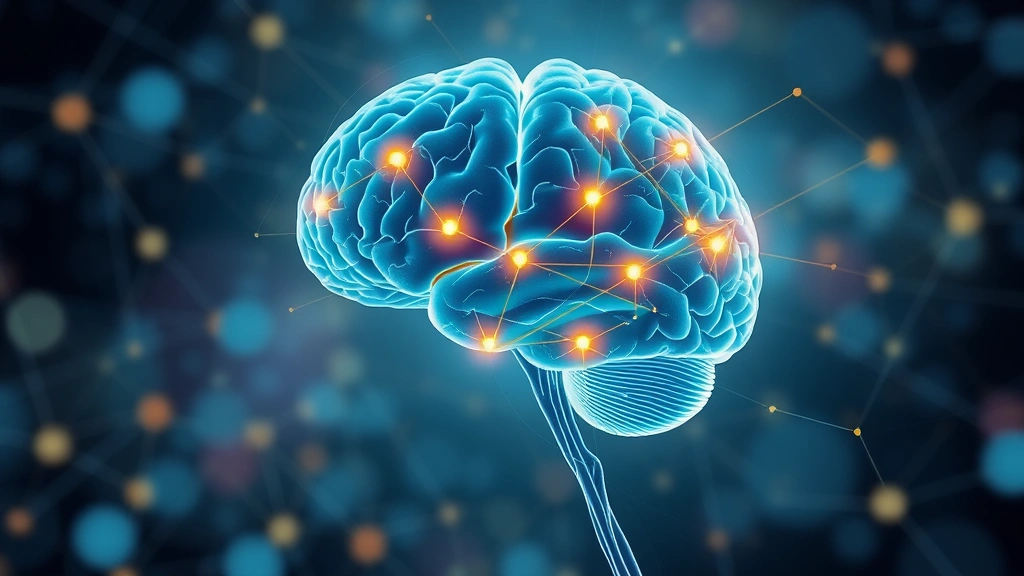
Advanced neuroimaging studies have revealed that mindfulness produces measurable changes in brain structure and function, particularly in regions associated with depression. The prefrontal cortex, which governs executive function and emotional regulation, shows increased activation and gray matter density among regular meditators. Simultaneously, the amygdala—the brain’s emotional processing center—demonstrates reduced reactivity to negative stimuli.
The default mode network (DMN), a brain system active during rest and self-referential thinking, plays a crucial role in depressive rumination. When individuals are not focused on external tasks, the DMN becomes hyperactive, generating the repetitive negative thoughts characteristic of depression. Mindfulness meditation directly targets this network, reducing DMN activity and promoting instead a state of present-focused awareness. This neural shift represents one of the most significant ways mindfulness addresses depression at its biological foundation.
Additionally, mindfulness increases activity in the anterior insula and anterior cingulate cortex, brain regions responsible for emotional awareness and self-regulation. Enhanced connectivity between these regions and the prefrontal cortex strengthens emotional regulation capacity, enabling individuals to experience difficult emotions without being overwhelmed by them. Neurochemically, consistent mindfulness practice increases production of serotonin and dopamine—neurotransmitters typically depleted in depression—providing biological reinforcement for mood improvement.
Research published in Nature journals demonstrates that these neurobiological changes occur relatively quickly, with significant improvements observable within 8-12 weeks of consistent practice. This timeline matches or exceeds the effectiveness of many antidepressant medications, making mindfulness a genuinely viable treatment option rather than merely a supplementary practice.
Mindfulness-Based Cognitive Therapy
Mindfulness-Based Cognitive Therapy (MBCT) represents a structured integration of mindfulness meditation with cognitive therapy principles, specifically designed for depression treatment and relapse prevention. Developed by researchers at Cambridge University, MBCT combines the thought-awareness techniques of cognitive therapy with the present-moment focus of mindfulness practice, creating a comprehensive treatment approach.
In MBCT, individuals learn to recognize early warning signs of depressive relapse—subtle shifts in mood, motivation, or thinking patterns—and respond with mindfulness practices rather than engaging in the automatic negative thinking that typically escalates depression. This preventive capacity makes MBCT particularly valuable for individuals with recurrent depression, as it addresses the underlying vulnerabilities that make relapse likely. Clinical trials show that MBCT reduces relapse rates by 50% compared to standard treatment alone.
The eight-week MBCT program typically includes formal meditation practices, body scans, mindful movement, and cognitive exercises that help participants develop new relationships with depressive thoughts and emotions. Participants also learn to apply mindfulness to daily activities, gradually extending the benefits of formal practice into their everyday lives. This integration is essential because depression often intrudes during routine moments, making it crucial to access mindfulness skills throughout the day rather than only during dedicated practice sessions.
Integration with Traditional Treatment
While mindfulness offers significant benefits, expert consensus emphasizes that it works most effectively when integrated with other established treatments rather than replacing them. For moderate to severe depression, medication often provides necessary neurochemical support that allows individuals to engage effectively in psychological interventions like mindfulness. The combination of antidepressants and mindfulness-based approaches produces superior outcomes compared to either treatment alone.
Mental health professionals increasingly recommend a multimodal approach that combines medication, psychotherapy, mindfulness practice, and lifestyle modifications. Someone struggling with severe depression may initially require medication to achieve sufficient emotional stability and motivation to engage in mindfulness practice. As mindfulness skills develop and symptoms improve, some individuals may gradually reduce medication under professional supervision, while others benefit from maintaining both interventions indefinitely.
The integration of mindfulness with therapeutic approaches like physical therapy for shoulder pain and other somatic therapies also deserves consideration, as depression frequently manifests in physical tension and bodily symptoms. Mindfulness helps individuals recognize the mind-body connection in depression, understanding how negative thoughts generate physical tension and how physical relaxation supports emotional regulation. This holistic perspective aligns with contemporary biopsychosocial models of mental health.
Practical Mindfulness Techniques for Depression
Effective mindfulness for depression doesn’t require hours of daily practice. Research demonstrates that 10-20 minutes of consistent daily meditation produces measurable improvements in mood, rumination, and overall depressive symptoms. Several specific techniques prove particularly effective for depression management:
- Breath Awareness Meditation: Focusing attention on the natural rhythm of breathing provides an anchor to present-moment experience. When the mind wanders to depressive thoughts—which it inevitably will—practitioners simply notice this and gently redirect attention to the breath without self-criticism. This practice strengthens the neural circuits supporting attention and reduces mind-wandering that fuels rumination.
- Body Scan Practice: Systematically moving attention through different body regions helps individuals recognize how depression manifests physically as tension, numbness, or heaviness. This awareness creates opportunities for conscious relaxation and reveals the mind-body feedback loops maintaining depression.
- Loving-Kindness Meditation: Particularly valuable for depression, this practice involves directing compassionate wishes toward oneself and others. Depression typically involves harsh self-criticism, and loving-kindness meditation directly counteracts this by cultivating self-compassion. Research shows loving-kindness practice significantly reduces depression and increases positive emotional experiences.
- Mindful Movement: Practices like gentle yoga or mindful walking combine physical activity with present-moment awareness. Movement addresses the physical inactivity and lack of motivation characteristic of depression while the mindfulness component prevents rumination during exercise.
- Thought Defusion Techniques: Specific practices help individuals notice depressive thoughts without believing them. For example, imagining thoughts as clouds passing through the sky or leaves floating down a stream creates psychological distance from thought content. This defusion reduces the power of depressive cognitions to influence mood and behavior.
Consistent practice builds these skills, making them increasingly accessible during moments of depressive struggle. Many individuals find that regular meditation practice creates a baseline shift in mood and outlook, with the most significant benefits emerging after 4-8 weeks of consistent engagement. Resources like the MindLift Daily Blog – Therapy Resources and Information provide additional guidance for developing these practices.
Expert Recommendations and Research
Leading depression researchers and clinical psychologists increasingly recommend mindfulness-based interventions as evidence-based treatments with efficacy comparable to medication and psychotherapy. The American Psychiatric Association and National Institute of Mental Health recognize mindfulness interventions as effective depression treatments supported by rigorous clinical research. Meta-analyses of mindfulness studies consistently demonstrate moderate to large effect sizes for depression reduction.
Dr. Jon Kabat-Zinn, who pioneered Mindfulness-Based Stress Reduction (MBSR), and subsequent researchers have documented mindfulness benefits across depression severity levels and diverse populations. Studies show effectiveness for adolescents, adults, and older adults, suggesting mindfulness offers age-appropriate benefits throughout the lifespan. Additionally, mindfulness proves effective for treatment-resistant depression cases where conventional approaches have failed.
Current research explores optimal mindfulness dosing, identifying individual factors predicting strong response, and understanding mechanisms more deeply. A Lancet study comparing mindfulness-based cognitive therapy with maintenance antidepressant medication found equivalent relapse prevention, suggesting MBCT could serve as a medication alternative for some individuals. However, researchers emphasize individual variation—while some people achieve complete depression remission through mindfulness alone, others benefit most from combined approaches.
Professional guidance enhances mindfulness effectiveness for depression. Working with trained mindfulness instructors, therapists, or through structured programs like MBCT ensures proper technique development and helps participants navigate challenges that arise during practice. Many individuals experience initial difficulty with meditation, and professional support helps them persist through these early challenges to access the substantial benefits mindfulness offers. Resources like information about how much does physical therapy cost can help individuals understand investment in professional mental health support similarly.
Frequently Asked Questions
How long does it take mindfulness to help depression?
Most individuals notice mood improvements within 2-4 weeks of consistent daily practice, with more substantial benefits emerging by 8-12 weeks. However, individual variation exists significantly. Some people experience immediate relief, while others require longer practice periods. Consistent daily engagement produces better results than sporadic practice, even if sessions are brief.
Can mindfulness replace antidepressant medication?
For some individuals with mild to moderate depression, mindfulness-based interventions produce sufficient improvement to eliminate medication need. However, for moderate to severe depression, especially with suicide risk, medication typically provides necessary initial support. Most experts recommend combining both approaches for optimal outcomes. Any medication changes should occur under professional medical supervision.
What if I can’t quiet my mind during meditation?
An active, wandering mind during meditation is completely normal and doesn’t indicate failure. Mindfulness isn’t about achieving a blank mind; it’s about noticing where attention goes and gently redirecting it. Each time you notice your mind wandering and return attention to your breath, you’re strengthening the neural circuits supporting mindfulness. This redirection process is the actual practice, not mind silence.
Is mindfulness effective for severe depression?
While mindfulness alone may be insufficient for severe depression, it works effectively as part of comprehensive treatment including medication and psychotherapy. Individuals with severe depression may initially struggle with meditation due to low motivation and concentration difficulties, which medication can help address. As acute symptoms improve with treatment, mindfulness becomes increasingly accessible and valuable.
How does mindfulness differ from other relaxation techniques?
Unlike relaxation techniques that aim for a calm, peaceful state, mindfulness involves present-moment awareness of whatever arises—including uncomfortable emotions and thoughts—without judgment. This acceptance-based approach addresses depression’s root causes differently than relaxation alone. While relaxation provides temporary relief, mindfulness creates lasting changes in how individuals relate to depressive experiences.
Can I learn mindfulness from apps or online programs?
Self-guided mindfulness through apps and online programs helps many people, and research supports their effectiveness for depression. However, personalized instruction from qualified teachers often produces better outcomes, particularly for individuals with severe depression or previous meditation difficulties. Many people benefit from combining guided programs with occasional professional instruction to refine their practice.