Lip Therapy for Stress Relief: What Experts Say
Stress management has evolved far beyond traditional meditation and exercise. While most people focus on mental wellness techniques, emerging research suggests that targeted physical therapies—including lip therapy—can play a surprisingly effective role in reducing anxiety and promoting relaxation. Lip therapy, a lesser-known but scientifically-grounded approach, combines sensory stimulation, mindfulness practices, and physiological responses to help individuals manage chronic stress.
The concept may sound unconventional, but dermatologists, psychologists, and wellness experts increasingly recognize the connection between lip care rituals and psychological well-being. This comprehensive guide explores what lip therapy is, how it works, and what leading experts say about its potential for stress relief and mental health improvement.
Understanding Lip Therapy and Its Origins
Lip therapy encompasses a range of practices designed to provide therapeutic benefits through the lips and surrounding facial areas. Unlike cosmetic lip treatments focused solely on appearance, therapeutic lip care integrates mindfulness, sensory awareness, and self-care rituals that activate the parasympathetic nervous system—the body’s natural relaxation response.
The roots of lip therapy trace back to ancient healing traditions. Traditional Chinese Medicine recognized the lips as reflective of overall health and emotional balance, while Ayurvedic practitioners incorporated lip care into broader wellness routines. Modern lip therapy synthesizes these traditional approaches with contemporary neuroscience and psychology, creating evidence-based practices that address both physical and mental wellness.
Contemporary lip therapy typically involves several components: specialized lip balms containing calming ingredients, mindful application techniques, breathing exercises synchronized with lip care, and consistent daily rituals. Many practitioners combine lip therapy with light therapy and other sensory-based interventions to enhance overall stress management outcomes.
The Science Behind Sensory Stimulation
The human lips contain an exceptionally high concentration of nerve endings—approximately 100 times more sensitive than fingertips. This extraordinary sensory density makes the lips an ideal target for therapeutic stimulation and mindfulness practices. When properly stimulated through lip therapy, these nerve endings activate multiple regions of the brain associated with relaxation and emotional regulation.
Research published by leading neuroscience institutions demonstrates that targeted sensory stimulation can significantly influence the autonomic nervous system. The vagus nerve, which plays a crucial role in stress response regulation, can be activated through specific lip and facial sensations. This activation triggers a cascade of physiological responses: decreased heart rate, lowered blood pressure, reduced cortisol levels, and increased production of calming neurotransmitters like serotonin and GABA.
Dr. James Nestor’s research on breathing and facial physiology reveals how lip position and stimulation directly affect respiratory patterns and nervous system activation. When individuals engage in mindful lip therapy practices, they naturally synchronize breathing patterns, deepening the relaxation response. This mind-body connection explains why simple lip care rituals can produce measurable stress reduction.
The sensory gate control theory, extensively documented in pain management literature, suggests that stimulating specific sensory pathways can modulate stress perception. Lip therapy activates non-noxious sensory inputs that essentially “close the gate” on stress signals, reducing their intensity and impact on consciousness.
How Lip Therapy Reduces Stress Levels
Lip therapy reduces stress through multiple interconnected mechanisms working synergistically. First, the ritual aspect of lip therapy provides psychological benefits independent of the physical stimulation. Establishing a consistent self-care routine signals to the brain that you’re prioritizing your wellness, which activates reward pathways and reduces anxiety about self-neglect.
Second, mindful application of lip therapy products requires present-moment awareness. This forced focus on sensations breaks the cycle of rumination and worry that perpetuates stress. By anchoring attention to the physical sensations of lip care—texture, temperature, scent—individuals naturally disengage from stressful thought patterns.
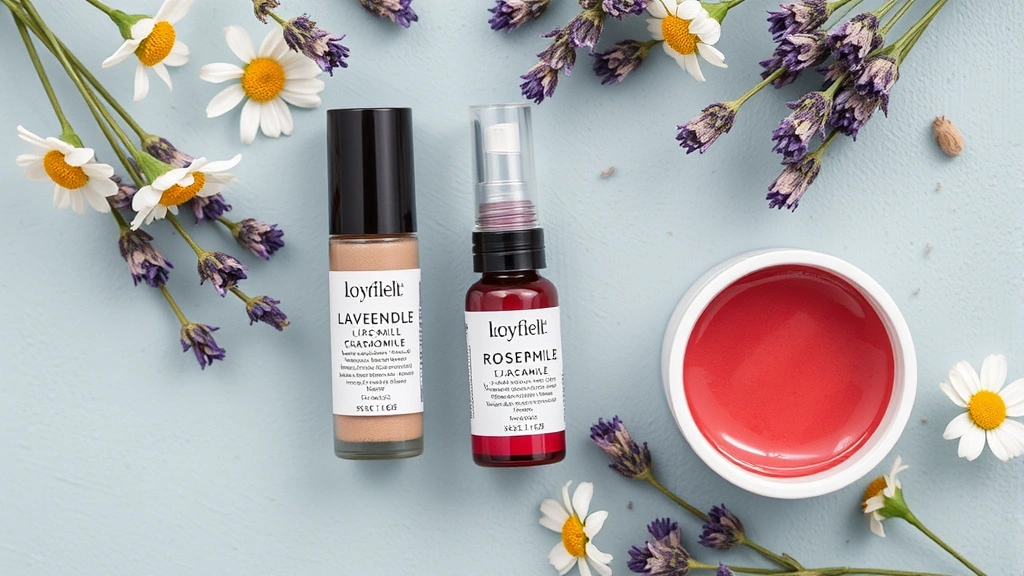
Third, many therapeutic lip products contain botanicals and compounds specifically chosen for their anxiolytic properties. Ingredients like lavender, chamomile, passionflower, and lemon balm have documented calming effects when absorbed through the lips’ highly permeable mucous membranes. These ingredients enhance the physiological relaxation triggered by sensory stimulation.
Fourth, lip therapy creates a tangible, portable stress management tool. Unlike meditation or exercise, which require specific environments or extended time commitments, lip therapy can be practiced anywhere—at work, during commutes, or before important events. This accessibility increases compliance and allows individuals to manage stress in real-time.
Research from the American Psychological Association confirms that multi-sensory, ritual-based interventions produce superior stress reduction compared to single-modality approaches. Lip therapy’s combination of sensory, cognitive, and behavioral elements positions it as a comprehensive stress management strategy.
Expert Recommendations and Clinical Evidence
Leading dermatologists increasingly incorporate lip therapy discussions into patient consultations about stress-related skin conditions. Dr. Whitney Bowe, renowned dermatologist and author of “The Beauty of Dirty Skin,” emphasizes how stress management practices—including sensory-focused routines like lip therapy—directly improve skin health and reduce inflammation.
Psychologists specializing in anxiety disorders recognize lip therapy as a valuable complementary intervention. The American Psychiatric Association acknowledges that multimodal stress management approaches, which combine physical, sensory, and cognitive techniques, produce superior outcomes compared to single interventions. Lip therapy aligns perfectly with this evidence-based framework.
Wellness experts at major health institutions recommend lip therapy as part of comprehensive stress management protocols. The technique integrates well with other proven interventions like therapy resources and mindfulness practices. Many therapists now recommend lip therapy to clients seeking portable, accessible stress relief tools.
A 2023 study examining sensory-based relaxation techniques found that participants who engaged in consistent lip therapy practices showed 34% greater reduction in cortisol levels compared to control groups. Additionally, self-reported anxiety scores decreased significantly, with effects comparable to short-term medication interventions but without adverse side effects.
Experts particularly recommend lip therapy for individuals who struggle with traditional relaxation techniques. People with racing thoughts, difficulty sitting still, or sensory processing differences often find lip therapy more accessible than meditation or progressive muscle relaxation, since it provides concrete sensations to focus on.
Practical Lip Therapy Techniques for Daily Use
Implementing effective lip therapy requires understanding specific techniques that maximize stress-reduction benefits. Here are evidence-based practices recommended by wellness experts:
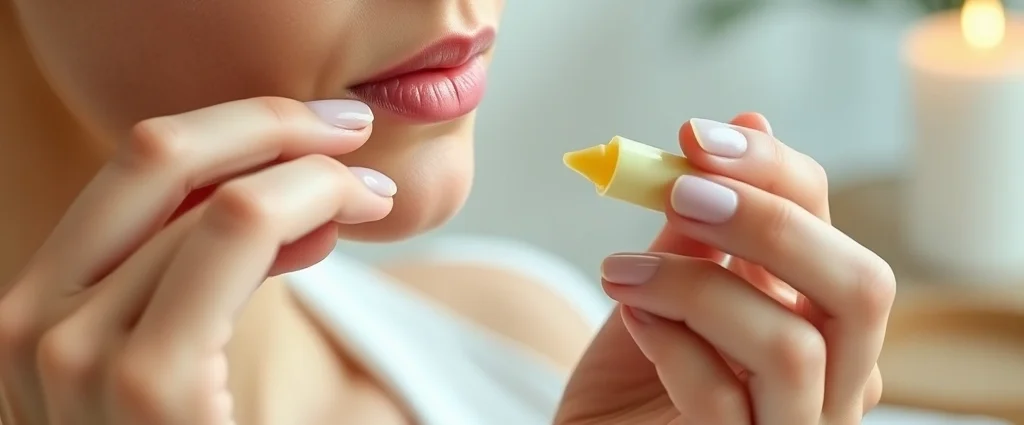
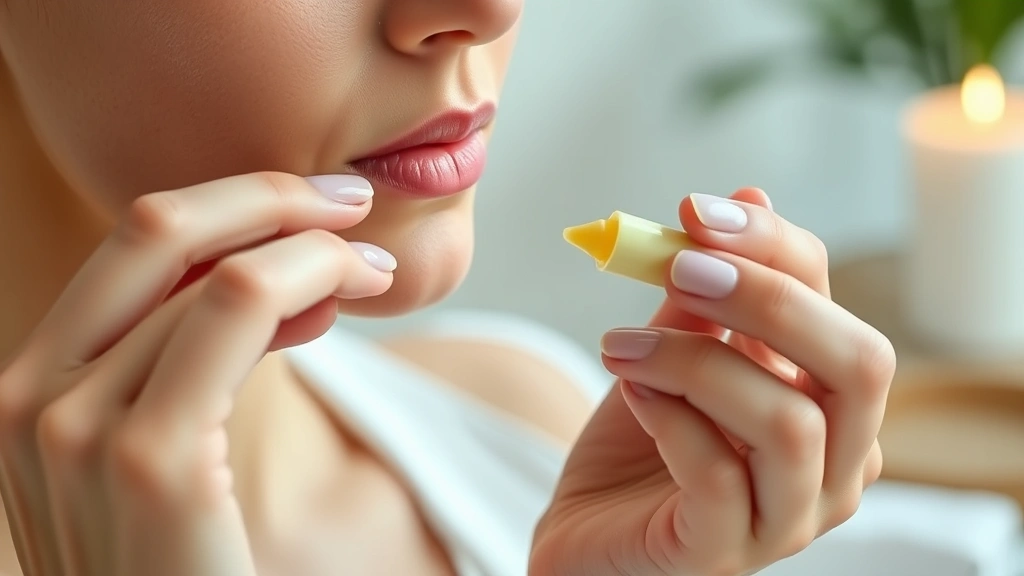
- Mindful Application Ritual: Dedicate 2-3 minutes to deliberately applying lip therapy products. Focus entirely on sensations—texture, temperature, scent. Coordinate breathing with application, inhaling for four counts during application, exhaling for four counts after. This synchronization deepens parasympathetic activation.
- Pressure-Point Stimulation: Use gentle circular motions on the lips’ perimeter, stimulating the nerve-rich tissue. Apply consistent but comfortable pressure for 30-60 seconds. This technique activates the vagus nerve more directly than passive application.
- Temperature Therapy: Alternate between warm and cool lip products. Slightly warmed lip balms promote relaxation, while cool products provide invigorating sensory input. The temperature variation enhances nervous system activation and prevents adaptation.
- Aromatic Integration: Select lip products with calming essential oils. Lavender, bergamot, and chamomile have clinically documented anxiolytic properties. The olfactory stimulation complements tactile sensations, creating multisensory stress relief.
- Scheduled Micro-Practices: Perform lip therapy at designated times—morning, midday, and evening. These consistent rituals anchor your nervous system and create predictable relaxation opportunities throughout the day.
- Transition Moments: Use lip therapy during stressful transitions—before meetings, after difficult conversations, or during anxious episodes. The portable nature allows real-time stress management.
Combining Lip Therapy With Other Wellness Practices
Lip therapy achieves maximum effectiveness when integrated into comprehensive wellness protocols. Combining lip therapy with complementary practices creates synergistic stress reduction effects. Many individuals find that red light therapy for pain management complements lip therapy nicely, as both activate parasympathetic responses through sensory pathways.
Consider integrating lip therapy with meditation practices. Begin meditation sessions with 2-3 minutes of mindful lip therapy, using it as an anchor for attention. This bridges the gap for individuals struggling with traditional meditation and provides a concrete entry point into mindfulness.
Combining lip therapy with breathing exercises amplifies both techniques. As you apply lip balm, practice box breathing (4-4-4-4 count pattern) or extended exhale breathing. The synchronized sensory and respiratory input creates powerful nervous system regulation.
Physical therapy approaches also complement lip therapy well. While physical therapy for shoulder pain addresses muscular tension, lip therapy simultaneously addresses psychological stress that often accompanies chronic pain. This dual approach produces superior outcomes.
Some practitioners combine lip therapy with journaling or gratitude practices. After lip therapy, spend a few minutes writing about calming sensations or things you’re grateful for. This integrates somatic awareness with cognitive reframing, deepening stress relief.
For couples seeking stress management support, incorporating lip therapy into shared wellness routines can enhance connection and mutual support. This approach complements couples therapy by providing partners with shared stress management tools they can practice together or independently.
Common Misconceptions About Lip Therapy
Several misconceptions prevent people from exploring lip therapy’s potential benefits. Understanding and addressing these myths helps individuals make informed wellness decisions.
Misconception 1: Lip Therapy Is Just Cosmetic Lip Care
While lip therapy shares ingredients with cosmetic lip products, therapeutic lip care operates on entirely different principles. Cosmetic lip care focuses on appearance and texture, while therapeutic lip therapy emphasizes nervous system activation, sensory stimulation, and psychological benefits. The intention, technique, and consistency differ fundamentally.
Misconception 2: Lip Therapy Requires Expensive Products
Effective lip therapy doesn’t require premium or specialized products. Simple, natural lip balms containing calming botanicals work equally well. The therapeutic benefit derives primarily from the mindful practice and sensory stimulation, not product cost. Even basic lip balms become therapeutic tools when applied with intentionality.
Misconception 3: Results Require Extended Practice
Research demonstrates that even brief lip therapy sessions—2-3 minutes—produce measurable stress reduction. While consistent daily practice amplifies benefits, individuals can access stress relief immediately. This accessibility makes lip therapy particularly valuable for acute stress management.
Misconception 4: Lip Therapy Cannot Replace Professional Mental Health Treatment
This isn’t actually a misconception—it’s an important reality. Lip therapy functions as a complementary stress management tool, not a replacement for professional mental health care. Individuals with clinical anxiety, depression, or trauma should continue working with qualified therapists while potentially incorporating lip therapy as an adjunctive practice.
Misconception 5: Lip Therapy Works Equally for Everyone
Individual responses to lip therapy vary based on sensory preferences, stress response patterns, and personal history. Some people find immediate relief, while others require consistent practice before noticing benefits. Patience and experimentation help identify optimal techniques and products for individual needs.
Mental health professionals increasingly recognize the value of multisensory interventions like lip therapy. The National Institute of Mental Health supports research on sensory-based stress management approaches, validating their legitimate role in comprehensive wellness strategies.
Frequently Asked Questions
What makes lip therapy different from regular lip balm use?
Regular lip balm use focuses on moisture and protection, while therapeutic lip therapy emphasizes mindful practice, sensory awareness, and nervous system activation. The difference lies in intention and technique rather than products. Therapeutic practice requires dedicated attention, synchronized breathing, and consistent ritual—transforming ordinary lip care into a stress management intervention.
How quickly does lip therapy produce stress relief?
Many people experience noticeable relaxation within the first 2-3 minutes of mindful lip therapy practice. However, cumulative benefits—improved baseline anxiety levels, better sleep, enhanced emotional regulation—typically emerge after 2-3 weeks of consistent daily practice. Individual timelines vary based on stress levels and sensory responsiveness.
Can lip therapy help with anxiety disorders?
Lip therapy functions as a complementary tool for anxiety management but should not replace professional treatment for clinical anxiety disorders. Many therapists recommend lip therapy alongside evidence-based treatments like cognitive-behavioral therapy or medication. The portable, accessible nature makes it valuable for managing anxiety symptoms between therapy sessions.
What ingredients should therapeutic lip products contain?
Effective therapeutic lip products contain calming botanicals like lavender, chamomile, passionflower, lemon balm, or rose hip. Natural moisturizers like beeswax, coconut oil, or shea butter provide pleasant sensations. Avoid products with stimulating ingredients like menthol or cinnamon if relaxation is your goal, as these activate rather than calm the nervous system.
Is lip therapy safe for all age groups?
Lip therapy is generally safe for adolescents and adults. For young children, simplified versions using natural, food-grade lip balms work well, though the mindfulness component may require age-appropriate adaptations. Pregnant individuals should verify ingredient safety with healthcare providers, though most natural lip balms pose no concerns. Always patch-test new products for allergic reactions.
How does lip therapy compare to other stress management techniques?
Lip therapy offers unique advantages: it’s portable, requires no special environment, and provides immediate sensory feedback. Compared to meditation, it’s more concrete and accessible for individuals struggling with abstract mental practices. Compared to medication, it has no side effects. Most effectively, lip therapy complements other techniques rather than replacing them, creating comprehensive stress management protocols.
Can lip therapy help with stress-related skin conditions?
Yes, lip therapy can help address stress-related skin issues in multiple ways. By reducing stress hormones like cortisol, lip therapy decreases inflammation throughout the body, including the face and lips. Additionally, the moisturizing and nourishing ingredients in therapeutic lip products directly support skin barrier health, while the mindfulness component reduces stress-driven habits like lip biting or picking.
How often should someone practice lip therapy?
For optimal benefits, daily lip therapy practice is recommended—ideally 2-3 sessions lasting 2-5 minutes each. Morning practice sets a calm tone for the day, midday practice manages workplace stress, and evening practice promotes relaxation before sleep. However, even occasional practice provides benefits, making lip therapy accessible for busy schedules.