Light Therapy Benefits: Experts Weigh In
Light therapy, also known as phototherapy, has emerged as one of the most evidence-based non-pharmacological treatments for various health conditions. From seasonal affective disorder to skin conditions, the therapeutic applications of light continue to expand as researchers uncover new mechanisms of action. Experts across multiple disciplines now recognize light therapy as a legitimate and effective intervention, with clinical studies demonstrating measurable improvements in patient outcomes.
Whether you’re searching for light therapy near me or exploring this treatment modality for the first time, understanding the scientific evidence and expert recommendations is essential. This comprehensive guide examines what leading researchers and practitioners have discovered about light therapy benefits, how it works, and what you should consider when seeking treatment.
What Is Light Therapy and How Does It Work
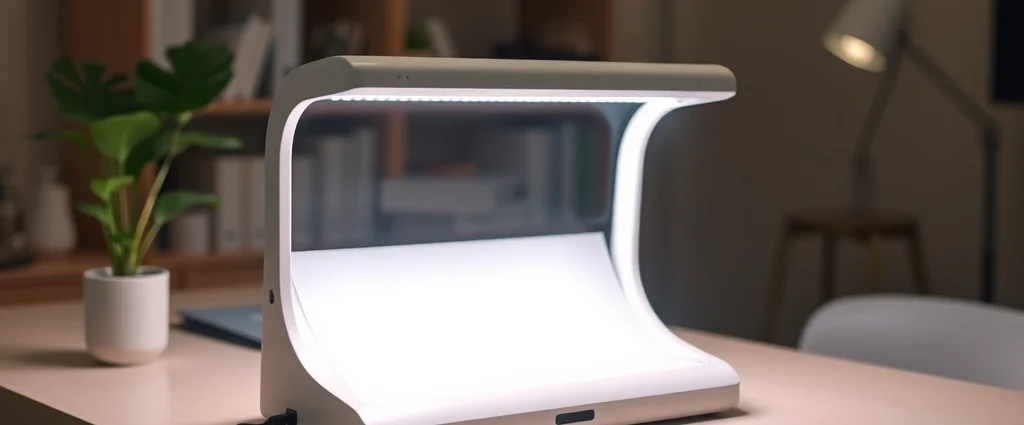
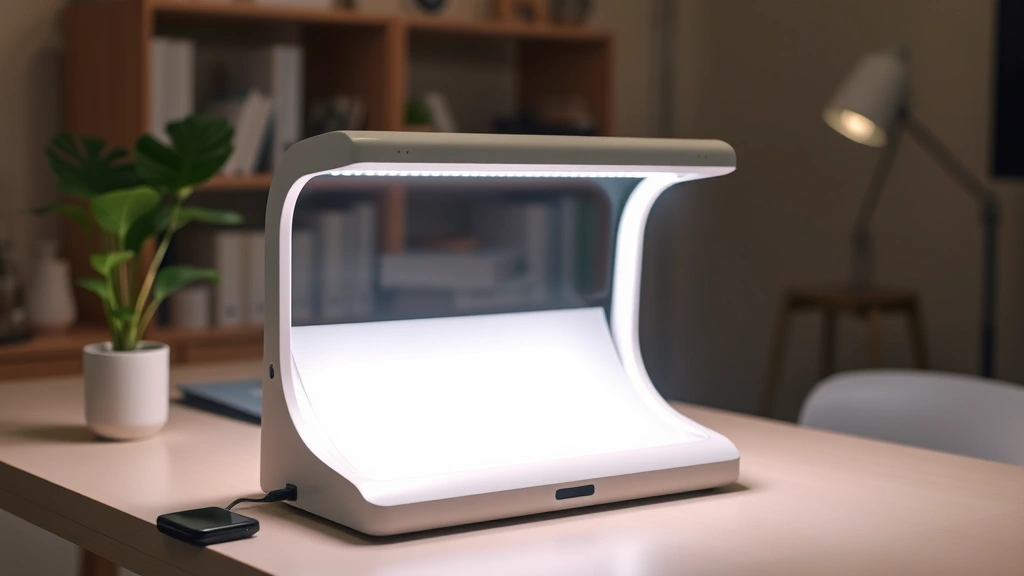
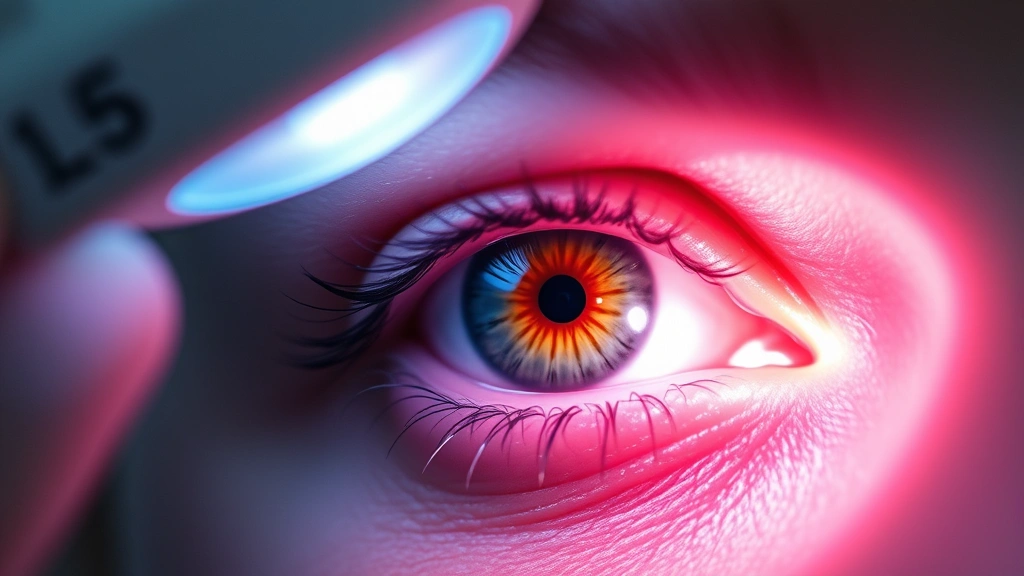
Light therapy involves exposure to specific wavelengths of light, typically delivered through specialized devices that emit bright light ranging from 2,500 to 10,000 lux. The mechanism by which light influences human physiology is remarkably sophisticated, involving multiple biological pathways. When light enters the eye, it stimulates intrinsically photosensitive retinal ganglion cells containing melanopsin, a photopigment that communicates directly with the suprachiasmatic nucleus—the brain’s master circadian clock.
According to research published by the National Institute of Mental Health, this light-responsive pathway influences the production of melatonin, the hormone that regulates sleep-wake cycles. Additionally, light exposure affects neurotransmitter synthesis, particularly serotonin, which plays crucial roles in mood regulation, immune function, and cognitive performance. The timing and intensity of light exposure determine the magnitude and direction of these effects, which is why proper protocol adherence is essential for optimal results.
Medical professionals often recommend light therapy as a first-line treatment because it demonstrates rapid onset of action—many patients report improvements within three to seven days of consistent use. The non-invasive nature of light therapy, combined with its favorable side effect profile compared to pharmacological alternatives, has made it increasingly popular in clinical settings worldwide.

Seasonal Affective Disorder and Light Therapy
Seasonal Affective Disorder (SAD) represents the most extensively researched application of light therapy. This condition, affecting millions of individuals in northern latitudes, emerges during autumn and winter months when natural light exposure decreases significantly. Symptoms include persistent depressed mood, increased sleep duration, carbohydrate cravings, weight gain, and reduced motivation—all linked to disrupted circadian rhythm regulation and altered serotonin metabolism.
Expert consensus strongly supports light therapy as a first-line treatment for SAD. The American Psychiatric Association recognizes bright light therapy as an evidence-based intervention, with meta-analyses demonstrating response rates between 50-85% in SAD patients. Standard treatment protocols typically involve 10,000 lux light exposure for 20-30 minutes each morning, positioned approximately 16-24 inches from the eyes. This timing capitalizes on the circadian system’s heightened sensitivity to light in the early morning hours.
Research indicates that light therapy effectiveness for SAD depends on several factors: light intensity, wavelength composition, timing of exposure relative to circadian phase, individual chronotype, and treatment consistency. Individuals seeking light therapy treatment options should understand that morning exposure typically produces superior results compared to afternoon or evening sessions, as it effectively phase-advances the circadian rhythm and prevents the circadian phase delay characteristic of SAD.
Mental Health Applications Beyond SAD
While SAD remains the primary psychiatric indication, emerging evidence supports light therapy efficacy for multiple mental health conditions. Researchers have documented improvements in depression severity among individuals with major depressive disorder, particularly those with bipolar depression. The mechanism appears distinct from SAD treatment, suggesting light therapy influences mood regulation through multiple neurobiological pathways.
Studies examining light therapy for non-seasonal depression show response rates comparable to certain antidepressant medications, especially when combined with conventional psychotherapy. This synergistic approach aligns with comprehensive mental health treatment philosophy, where combining cognitive behavioral therapy for generalized anxiety disorder with light exposure may enhance overall outcomes. Experts suggest that light therapy’s mood-enhancing properties may benefit anxiety disorders as well, though research in this area remains preliminary.
Sleep disturbances frequently accompany depression and anxiety disorders, creating a bidirectional relationship where poor sleep worsens psychiatric symptoms and psychiatric conditions disrupt sleep architecture. Light therapy addresses this interconnection by simultaneously improving circadian rhythm alignment and mood regulation. Practitioners working with therapy for breakups and other emotionally challenging life transitions increasingly incorporate light therapy to support overall mental health recovery.
The antidepressant effects of light therapy appear mediated by serotonin pathway activation, dopamine regulation, and inflammatory cytokine reduction. These mechanisms overlap substantially with pharmacological depression treatments, suggesting light therapy may represent a viable alternative or complement for individuals who experience medication side effects or demonstrate treatment resistance.
Skin Health and Dermatological Benefits
Beyond psychiatric and circadian applications, light therapy demonstrates remarkable efficacy for numerous dermatological conditions. Specific wavelengths penetrate skin tissue at different depths, triggering distinct physiological responses. Blue light (approximately 405-420 nanometers) effectively targets Propionibacterium acnes bacteria responsible for acne formation, while red light (630-700 nanometers) stimulates collagen production and promotes wound healing.
Phototherapy for psoriasis and vitiligo represents another major therapeutic domain where light therapy has transformed treatment outcomes. Narrowband ultraviolet B (NB-UVB) therapy, typically administered at 311-312 nanometers, suppresses aberrant immune responses driving these chronic inflammatory skin conditions. Clinical trials consistently demonstrate clearance rates exceeding 70% in psoriasis patients receiving consistent phototherapy protocols, often without the systemic side effects associated with immunosuppressive medications.
Red light and near-infrared wavelengths promote collagen remodeling and improve skin texture through stimulation of fibroblast activity and enhanced mitochondrial function. This mechanism underlies light therapy’s growing popularity in aesthetic medicine for addressing photoaging, wrinkles, and skin laxity. Unlike invasive procedures, light therapy offers a non-ablative approach with minimal downtime and cumulative benefits with repeated treatments.
Sleep Regulation and Circadian Rhythm
Circadian rhythm disruption underlies numerous modern health challenges, from insomnia to metabolic dysfunction. Light exposure represents the most powerful circadian synchronizer available, capable of resetting internal biological clocks and aligning them with external environmental cycles. This fundamental principle explains why light therapy benefits extend across diverse conditions—many share a common circadian dysregulation component.
Experts emphasize that light therapy timing proves critical for circadian applications. Morning light exposure advances circadian phase, benefiting individuals with delayed sleep phase disorder or those struggling with early morning awakening. Conversely, evening light exposure delays circadian phase, helping individuals with advanced sleep phase disorder or night shift workers attempting to maintain alertness during unconventional work hours.
The relationship between circadian alignment and metabolic health has emerged as a major research focus. Studies indicate that individuals with synchronized circadian rhythms demonstrate improved glucose metabolism, enhanced insulin sensitivity, and better weight management compared to those with disrupted circadian patterns. Light therapy’s ability to enhance circadian rhythm synchronization therefore provides metabolic benefits extending beyond traditional sleep medicine applications.
Individuals working on how long physical therapy takes for musculoskeletal conditions should recognize that concurrent light therapy may accelerate recovery by promoting optimal sleep quality and circadian-synchronized immune function. This integrative approach acknowledges the interconnected nature of human physiology.
Finding Light Therapy Near You
Locating appropriate light therapy services near me requires understanding available options and provider qualifications. Light therapy delivery occurs across multiple healthcare settings: psychiatric clinics, dermatology practices, sleep medicine centers, physical medicine and rehabilitation facilities, and integrative wellness centers. When searching for providers, verify that practitioners understand proper protocols, device specifications, and individualized treatment parameters.
Several factors should guide your provider selection. First, confirm that the facility uses clinically validated light therapy devices meeting appropriate lux specifications for your intended application. Second, ensure practitioners conduct thorough intake assessments addressing your specific condition, medical history, current medications, and any contraindications. Third, verify that practitioners provide detailed protocol instructions regarding timing, duration, distance, and expected timeline to therapeutic response.
Many individuals integrate light therapy into their broader therapeutic regimen. Those receiving physical therapy for shoulder pain or other rehabilitation services may benefit from coordinated care where light therapy addresses circadian-related pain amplification and sleep disruption. Similarly, exploring music therapy degree programs reveals how multimodal therapeutic approaches increasingly incorporate light therapy alongside other evidence-based interventions.
Home-based light therapy represents an accessible option for many individuals. Consumer-grade light therapy devices have proliferated, though quality varies considerably. When purchasing personal light therapy equipment, prioritize devices from reputable manufacturers with published clinical validation studies. Consult healthcare providers to ensure home-based protocols align with your specific condition and treatment goals.
Expert Recommendations and Best Practices
Leading experts in light therapy research and clinical application have developed consensus guidelines for optimal treatment outcomes. The American Academy of Sleep Medicine recommends light therapy as a first-line treatment for circadian rhythm sleep disorders, with specific protocols tailored to individual chronotype and disorder characteristics. These evidence-based recommendations reflect decades of rigorous clinical investigation.
Expert consensus emphasizes several key principles. First, consistency proves essential—sporadic light therapy use produces inferior results compared to daily treatment adherence. Second, morning light exposure timing typically optimizes circadian effects for most individuals, though individual variation exists. Third, adequate light intensity—generally 2,500-10,000 lux depending on treatment duration and indication—must be maintained throughout the exposure window.
Experts recommend gradual implementation of light therapy, beginning with shorter exposure durations and progressively extending duration as tolerance develops. This approach minimizes potential side effects including eye strain, headache, or mild mood elevation. Additionally, practitioners should establish realistic expectations, recognizing that light therapy often requires 3-7 days minimum before significant symptom improvement becomes apparent.
Visiting the MindLift Daily Blog for therapy resources and information provides additional evidence-based guidance on integrating light therapy with other therapeutic modalities. Comprehensive treatment often combines light therapy with behavioral interventions, psychotherapy, and lifestyle modifications for maximal effectiveness.
Safety Considerations and Contraindications
While light therapy demonstrates an excellent safety profile for most individuals, certain populations require careful evaluation before treatment initiation. Individuals with retinal diseases, macular degeneration, or diabetic retinopathy should obtain ophthalmologic clearance prior to light therapy, as intense light exposure might theoretically exacerbate these conditions. Similarly, individuals taking photosensitizing medications—including certain antibiotics, NSAIDs, and psychiatric medications—should discuss light therapy with prescribing physicians.
Bipolar disorder patients require particular attention, as some individuals experience mood destabilization with light therapy, particularly at high intensities or inappropriate timing. Evidence-based practice recommends that bipolar patients receive light therapy only under close medical supervision, with careful monitoring for emerging manic or hypomanic symptoms. Appropriate dosing and timing can minimize these risks while preserving therapeutic benefits.
Common mild side effects include temporary eye strain, headache, jitteriness, or nausea—typically resolving within several days as individuals acclimate to treatment. Reducing exposure duration, increasing distance from the light source, or adjusting timing can mitigate these effects. Serious adverse events remain extraordinarily rare with properly administered light therapy.
Pregnant individuals should consult healthcare providers before initiating light therapy, particularly for psychiatric indications, though existing evidence suggests light therapy poses minimal risks during pregnancy. Pediatric populations similarly require medical oversight, though light therapy has demonstrated safety and efficacy in children with SAD and other circadian disorders.
FAQ
How quickly does light therapy produce noticeable effects?
Most individuals report initial improvements within 3-7 days of consistent daily treatment, though some experience benefits within 24-48 hours. Full therapeutic response typically emerges within 2-4 weeks. Individual variation exists based on condition severity, light intensity, protocol adherence, and individual physiological factors.
Can light therapy replace medication for depression?
Light therapy demonstrates efficacy comparable to some antidepressants, particularly for seasonal depression. However, decisions regarding medication versus light therapy should involve collaborative discussions with healthcare providers. Many individuals benefit from combined approaches integrating light therapy with pharmacotherapy and psychotherapy.
What light intensity should I use for home treatment?
Standard recommendations specify 10,000 lux for 20-30 minute morning exposure for most applications. However, 2,500-5,000 lux devices may suffice with extended exposure duration. Individual circumstances vary, so consulting healthcare providers regarding appropriate intensity for your specific situation remains important.
Are there seasonal variations in light therapy effectiveness?
Light therapy effectiveness varies seasonally, with heightened benefits during winter months when natural light exposure decreases. However, individuals with non-seasonal conditions benefit from year-round consistent treatment. Seasonal adjustment of treatment duration or intensity may optimize outcomes for seasonal-pattern conditions.
How does light therapy compare to other treatments for SAD?
Light therapy demonstrates superior efficacy compared to placebo and comparable effectiveness to antidepressants for SAD treatment. Combined approaches—integrating light therapy with psychotherapy—produce superior outcomes compared to monotherapy. Individual response variation necessitates personalized treatment planning.