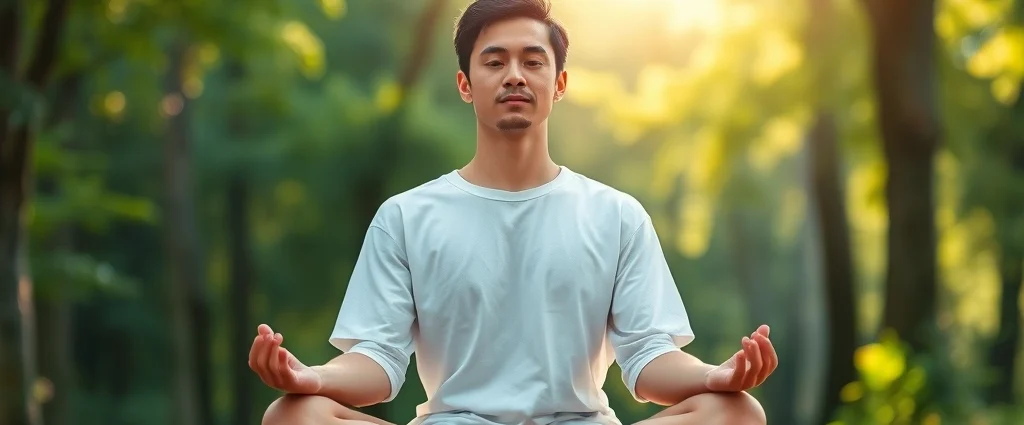
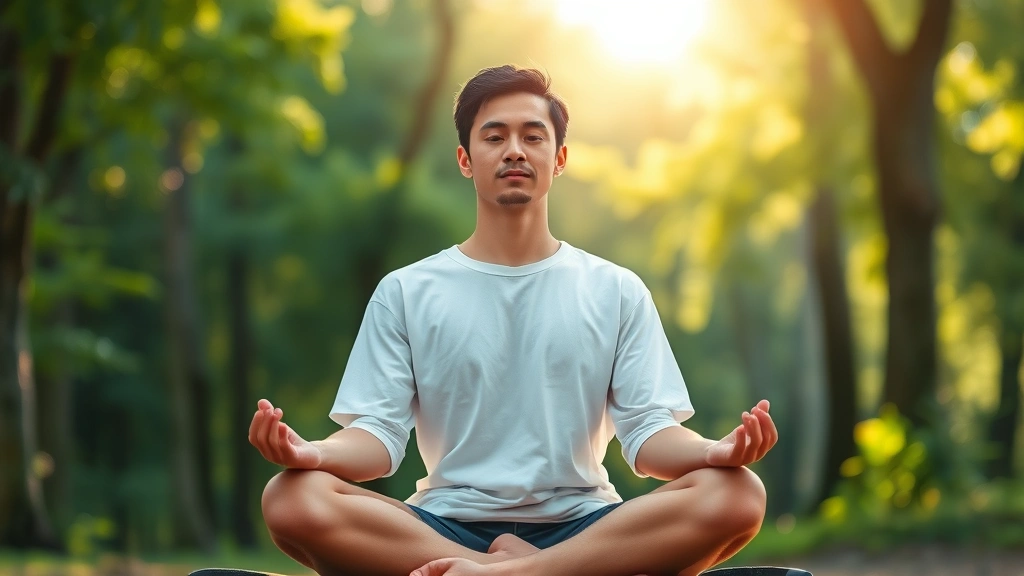
Boost Mental Health with Mindfulness: Expert Insights
Mental health has become increasingly important in our fast-paced world, where stress and anxiety affect millions of people daily. Mindfulness, an ancient practice rooted in meditation and present-moment awareness, has emerged as a scientifically-backed approach to improving psychological well-being. Unlike traditional talk therapy alone, mindfulness integrates mind-body practices that can be combined with physical wellness strategies like InMotion Physical Therapy for comprehensive health management.
The intersection of mental and physical health is undeniable. When we cultivate mindfulness, we develop greater emotional regulation, reduce rumination, and build resilience against life’s challenges. Research from leading institutions has demonstrated that consistent mindfulness practice can lower cortisol levels, decrease anxiety symptoms, and improve overall quality of life. This article explores expert insights on mindfulness, its mechanisms, practical applications, and how it complements physical wellness initiatives.

What is Mindfulness and How Does It Work
Mindfulness is the practice of maintaining moment-to-moment awareness of our thoughts, feelings, bodily sensations, and surrounding environment without judgment. Rather than dwelling on past regrets or future worries, mindfulness anchors us in the present. This simple yet profound shift in attention has transformative effects on mental health.
The mechanism behind mindfulness operates through several pathways. When we practice mindfulness, we activate the prefrontal cortex, the brain region responsible for rational thinking and emotional regulation. Simultaneously, we reduce activity in the amygdala, which processes fear and stress responses. This neurological shift creates a calmer mental state and enhances our ability to respond thoughtfully rather than react impulsively to challenges.
According to research published by the American Psychological Association, mindfulness works by helping individuals develop metacognitive awareness—the ability to observe thoughts without being controlled by them. This observational stance creates psychological distance from distressing thoughts, reducing their emotional impact.

Scientific Evidence Supporting Mindfulness
The scientific community has invested substantial research into understanding mindfulness benefits. Numerous peer-reviewed studies demonstrate that mindfulness-based interventions produce measurable improvements in mental health outcomes. A landmark study from the University of Massachusetts Medical School showed that eight weeks of mindfulness-based stress reduction (MBSR) significantly reduced anxiety and depression symptoms in participants.
Brain imaging studies reveal that regular mindfulness practitioners show increased gray matter density in areas associated with learning, memory, and emotion regulation. These structural changes suggest that mindfulness isn’t merely a temporary mental state but creates lasting neurological adaptations. The research indicates that consistent practice literally rewires the brain for greater emotional resilience.
Mental health professionals increasingly recommend mindfulness as a complementary or primary intervention for various conditions. When combined with other therapeutic approaches, such as physical therapy for pain management through physical therapy duration strategies, mindfulness creates a holistic wellness approach. Studies show that patients who integrate mindfulness with physical rehabilitation experience better outcomes and faster recovery times.
Mindfulness Techniques for Daily Practice
Implementing mindfulness doesn’t require extensive training or significant time commitments. Several evidence-based techniques can be integrated into daily routines:
- Body Scan Meditation: Systematically bringing attention to each body part, noticing sensations without judgment. This practice grounds awareness in physical experience and reduces disconnection from bodily signals.
- Breath Awareness: Focusing attention on natural breathing patterns, observing inhalations and exhalations. When the mind wanders, gently returning attention to breath. This foundational technique requires only five to ten minutes daily.
- Mindful Walking: Engaging full attention in the physical sensations of walking—foot contact with ground, muscle movements, environmental sounds. This integrates mindfulness into daily movement, complementing approaches like red light therapy for back pain in comprehensive wellness programs.
- Loving-Kindness Meditation: Cultivating compassion toward oneself and others through repeated phrases and visualizations. This technique particularly benefits individuals struggling with self-criticism or interpersonal conflicts.
- Mindful Eating: Bringing full awareness to eating experiences—textures, flavors, satiety cues. This practice reduces emotional eating and improves digestive health.
Research from the Greater Good Science Center at UC Berkeley demonstrates that even brief daily mindfulness practice produces measurable mental health improvements. Participants practicing for just 10-15 minutes daily showed reduced stress markers and improved emotional well-being within weeks.
Integrating Mindfulness with Physical Wellness
The mind-body connection is fundamental to holistic health. Mindfulness practices complement physical wellness initiatives remarkably well. When individuals practice mindfulness while engaging in physical activities, they experience enhanced benefits from both interventions. This integration is particularly valuable in therapeutic settings.
Practitioners at facilities offering infrared sauna with red light therapy often incorporate mindfulness techniques to maximize the therapeutic experience. Combining the physiological benefits of heat and light therapy with the psychological benefits of mindfulness creates synergistic wellness effects. Patients report improved relaxation, faster recovery, and better mental clarity.
Physical therapy programs increasingly recognize mindfulness as essential. The awareness developed through mindfulness helps patients better understand their body’s signals, improve movement quality, and maintain proper form during rehabilitation. Individuals concerned about physical therapy cost find that integrating mindfulness reduces overall treatment duration by improving compliance and accelerating healing.
Yoga, tai chi, and qigong represent practices that inherently blend mindfulness and physical movement. These disciplines have been practiced for thousands of years and now enjoy strong scientific validation. Regular practitioners demonstrate reduced anxiety, improved balance, enhanced flexibility, and better emotional regulation compared to sedentary populations.
Mindfulness for Anxiety and Depression
Anxiety and depression represent two of the most prevalent mental health challenges globally. Mindfulness-based cognitive therapy (MBCT) has proven particularly effective for these conditions. Unlike traditional cognitive-behavioral therapy that focuses on changing thought content, MBCT teaches individuals to change their relationship with thoughts.
For anxiety sufferers, mindfulness interrupts the rumination cycle that perpetuates worry. By observing anxious thoughts without engaging with them, individuals reduce the emotional charge these thoughts carry. The practice builds confidence that thoughts are temporary mental events, not absolute truths or predictions.
Depression often involves rumination about past events and feelings of hopelessness about the future. Mindfulness anchors awareness in present experience, where most situations are actually manageable. Individuals practicing mindfulness develop greater emotional flexibility and reduced emotional reactivity. Research shows mindfulness reduces relapse rates in depression, with benefits comparable to medication for some individuals.
Mental health professionals emphasize that mindfulness works best when combined with professional support when needed. For individuals experiencing severe mental health symptoms, integrating mindfulness with therapy provides comprehensive care. Exploring resources at the MindLift Daily Blog for therapy resources and information can help individuals find appropriate professional support alongside mindfulness practice.
Building a Sustainable Mindfulness Habit
Establishing a consistent mindfulness practice requires strategic approaches. Experts recommend starting small—even five minutes daily produces measurable benefits. Consistency matters more than duration. Daily practice, regardless of length, creates neurological changes more effectively than occasional longer sessions.
Environmental setup supports habit formation. Designating a specific quiet space for practice, using reminders or apps, and practicing at consistent times helps anchor mindfulness in daily routines. Many individuals find that practicing immediately after waking or before bed integrates mindfulness naturally into their schedule.
Community support enhances sustainability. Joining mindfulness groups, meditation classes, or online communities provides accountability and shared experiences. Knowing others practice mindfulness normalizes the activity and provides motivation during challenging periods.
Tracking progress motivates continued practice. Keeping simple records of daily practice, noting mood changes, stress levels, or sleep quality helps individuals recognize benefits. Tangible evidence of improvement reinforces commitment to the practice.
Patience with the learning process is essential. Mindfulness doesn’t produce instant results for most people. The brain requires time to develop new neural pathways. Experts recommend committing to at least eight weeks of consistent practice before evaluating effectiveness. Research indicates this timeframe allows measurable neurological and psychological changes to develop.
Overcoming common obstacles ensures long-term success. When practice feels difficult or benefits seem unclear, returning to foundational techniques and revisiting motivation helps. Many practitioners find that combining mindfulness with other wellness practices—whether physical therapy, exercise, or healthy nutrition—creates momentum and comprehensive well-being.
FAQ
How long does it take to experience mindfulness benefits?
Research suggests that measurable benefits typically emerge within 2-4 weeks of consistent daily practice. However, some individuals notice improvements in stress levels and emotional clarity within days. Eight weeks of practice produces more substantial neurological changes. Consistency matters more than duration—daily 10-minute sessions outperform sporadic longer practices.
Can mindfulness replace professional mental health treatment?
Mindfulness complements professional mental health treatment effectively but shouldn’t replace it for serious conditions. Individuals experiencing severe anxiety, depression, or other mental health disorders benefit most from combining mindfulness with therapy and, when appropriate, medication. Consulting with mental health professionals ensures comprehensive care addressing individual needs.
What’s the difference between mindfulness and meditation?
Meditation is a formal practice involving structured sitting and focused attention. Mindfulness is a broader approach to awareness that can be practiced formally through meditation or informally throughout daily activities. All meditation involves mindfulness, but mindfulness extends beyond formal meditation into everyday living.
Is mindfulness appropriate for children?
Yes, mindfulness benefits children significantly. Age-appropriate techniques help children manage emotions, improve focus, and reduce anxiety. Schools increasingly incorporate mindfulness into curricula with documented improvements in academic performance and behavioral outcomes. Parents can introduce simple practices like mindful breathing or body scans adapted for children’s developmental stages.
How does mindfulness improve physical health outcomes?
Mindfulness reduces stress hormones like cortisol, lowers blood pressure, and improves immune function. The practice enhances body awareness, helping individuals recognize and address physical health needs earlier. When combined with physical therapy or rehabilitation, mindfulness improves patient compliance and accelerates healing. The mind-body connection means psychological calm supports physiological healing.
What if I struggle with sitting meditation?
Sitting meditation isn’t required for mindfulness benefits. Walking meditation, mindful movement, yoga, tai chi, and informal mindfulness during daily activities all produce benefits. Experiment with different techniques to discover what resonates personally. Some individuals find movement-based practices more accessible and enjoyable than sitting meditation, making them more sustainable long-term.