Hyperbaric Oxygen Therapy: Benefits & Local Options Near Bradley Beach, NJ
Hyperbaric oxygen therapy (HBOT) has emerged as a compelling treatment modality that harnesses the healing power of pressurized oxygen to accelerate recovery and improve various medical conditions. Whether you’re seeking relief from chronic wounds, athletic injuries, or post-surgical complications, understanding how this therapy works and finding qualified providers near Bradley Beach, NJ, can be transformative for your health journey.
If you’re exploring hyperbaric oxygen therapy near Bradley Beach, NJ, you’re taking a proactive step toward evidence-based wellness. This comprehensive guide will walk you through the science behind HBOT, its documented benefits, and practical information about accessing treatment in your area.

What Is Hyperbaric Oxygen Therapy?
Hyperbaric oxygen therapy is a medical treatment in which a patient breathes 95-100% pure oxygen while inside a pressurized chamber. The chamber is gradually pressurized to 2-3 times normal atmospheric pressure, allowing oxygen to dissolve into the bloodstream at significantly higher concentrations than breathing oxygen at normal atmospheric pressure. This increased oxygen availability triggers physiological responses that promote healing and tissue repair.
The therapy has roots dating back to the 1600s, but modern HBOT gained prominence during the 20th century when it was used to treat decompression sickness in divers. Today, it’s recognized by the FDA for multiple approved indications and continues to be researched for emerging applications. Sessions typically last 60-120 minutes, and treatment courses generally involve 20-40 sessions depending on the condition being treated.
Understanding the fundamentals of HBOT is essential before exploring hyperbaric oxygen therapy options in your region. Many patients find that education about the mechanism of action increases confidence in the treatment and improves compliance with recommended protocols.

How Does HBOT Work?
The physiological mechanism of HBOT operates on fundamental principles of gas physics and human physiology. When you breathe pure oxygen at elevated pressure, oxygen dissolves into plasma—the liquid component of blood—rather than remaining bound only to hemoglobin molecules. This dissolved oxygen can reach tissues and areas with compromised blood flow that might otherwise remain oxygen-deprived.
At normal atmospheric pressure, hemoglobin carries oxygen to tissues, but in hypoxic or ischemic conditions, this delivery mechanism becomes insufficient. HBOT bypasses this limitation by forcing oxygen into solution in the blood itself. A patient breathing oxygen at 2.8 atmospheres of pressure can increase plasma oxygen levels from 0.3 to 6 volumes percent—a 20-fold increase.
This enhanced oxygen availability triggers several beneficial cascades: increased angiogenesis (new blood vessel formation), enhanced white blood cell function for fighting infection, promoted collagen synthesis for wound healing, and reduced inflammation. Research published in peer-reviewed journals demonstrates these mechanisms consistently across diverse patient populations.
The pressure itself also contributes therapeutic value through barotrauma reduction and improved oxygen diffusion gradients. These synergistic effects explain why HBOT produces results that oxygen therapy alone cannot achieve.
Proven Medical Benefits
Clinical research has established HBOT’s efficacy for numerous conditions. The most robust evidence supports its use for diabetic foot ulcers, where HBOT significantly improves healing rates and reduces amputation risk. Studies show that patients receiving HBOT experience faster wound closure and better long-term outcomes compared to standard care alone.
For chronic wounds of various etiologies, HBOT promotes epithelialization and granulation tissue formation. Patients with non-healing wounds from venous insufficiency, pressure injuries, or traumatic injury often show remarkable improvement after undergoing a complete course of therapy. Many individuals who have exhausted conventional treatments find success with hyperbaric oxygen.
Athletes and active individuals utilize HBOT for accelerated recovery from soft tissue injuries, ligament damage, and post-surgical healing. While some applications in sports medicine remain investigational, anecdotal reports and preliminary studies suggest meaningful benefits for reducing recovery time and improving functional outcomes.
Cancer patients undergoing radiation therapy sometimes experience radiation-induced tissue damage. HBOT helps mitigate these effects by improving oxygenation in compromised tissues and promoting healing of radiation-damaged areas. This application demonstrates the therapy’s potential in supportive oncology care.
Additionally, HBOT shows promise for carbon monoxide poisoning, gas gangrene, and osteomyelitis—infections of bone tissue. The elevated oxygen environment inhibits anaerobic bacteria growth while enhancing immune function, making HBOT a valuable adjunct to antibiotic therapy.
Conditions Treated with HBOT
FDA-Approved Indications: The FDA recognizes HBOT for 14 approved conditions, including:
- Diabetic lower extremity wounds
- Chronic osteomyelitis
- Decompression sickness (the bends)
- Gas gangrene
- Carbon monoxide poisoning
- Severe anemia
- Intracranial abscess
- Necrotizing soft tissue infections
- Compromised grafts and flaps
- Acute thermal burns
- Sudden sensorineural hearing loss
- Idiopathic sudden sensorineural hearing loss
- Radiation tissue damage (hypoxic)
- Chronic refractory osteomyelitis
Off-Label Applications: While not officially FDA-approved for these conditions, HBOT is used investigationally for traumatic brain injury, stroke recovery, autism spectrum disorder, fibromyalgia, and chronic fatigue syndrome. Research in these areas continues to expand, with promising preliminary results in several domains.
If you’re considering therapy resources and treatment information, discussing your specific condition with a qualified hyperbaric medicine physician will help determine whether HBOT is appropriate for your situation.
Finding Providers Near Bradley Beach
Bradley Beach, located in Monmouth County, New Jersey, has access to several hyperbaric oxygen therapy centers within reasonable driving distance. The Jersey Shore region, including nearby areas like Neptune City, Asbury Park, and Red Bank, hosts multiple facilities equipped with modern hyperbaric chambers.
When searching for hyperbaric oxygen therapy near Bradley Beach, NJ, consider these factors: the facility’s accreditation status (look for Undersea & Hyperbaric Medical Society certification), the qualifications of the attending physicians, chamber technology (monoplace vs. multiplace), and patient reviews or testimonials.
Several hospitals and specialized wellness centers in the region offer HBOT services. Many facilities provide free consultations where you can discuss your condition, ask questions about the treatment process, and receive personalized recommendations. Some centers offer flexible scheduling to accommodate working professionals and families.
Geographic proximity matters for treatment compliance, as courses typically involve multiple weekly sessions over several weeks. Choosing a conveniently located provider near Bradley Beach ensures you can maintain consistency with your treatment regimen, which directly impacts outcomes.
For comprehensive information about physical therapy and wellness services, many regional centers coordinate HBOT with complementary therapies, creating integrated treatment plans that address multiple aspects of your health.
What to Expect During Treatment
Your first HBOT session begins with a thorough medical evaluation. The hyperbaric medicine physician will review your medical history, current medications, and the condition being treated. This assessment ensures HBOT is appropriate and identifies any contraindications or necessary precautions.
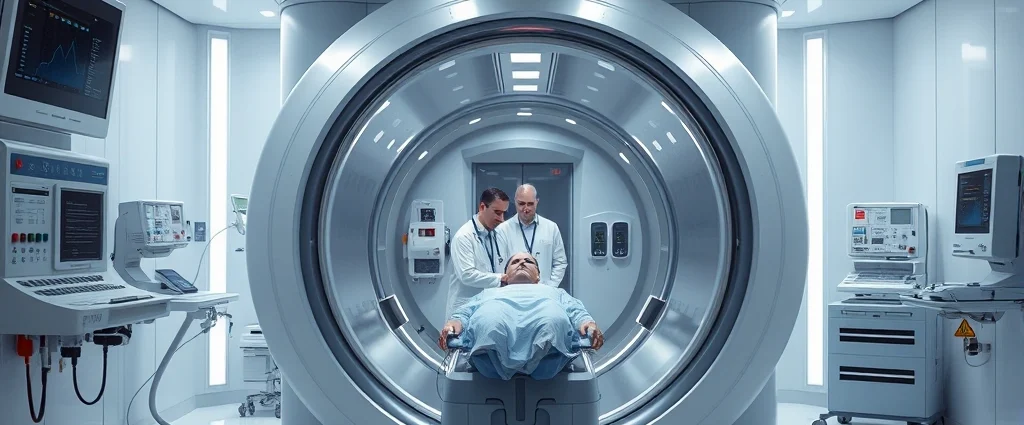
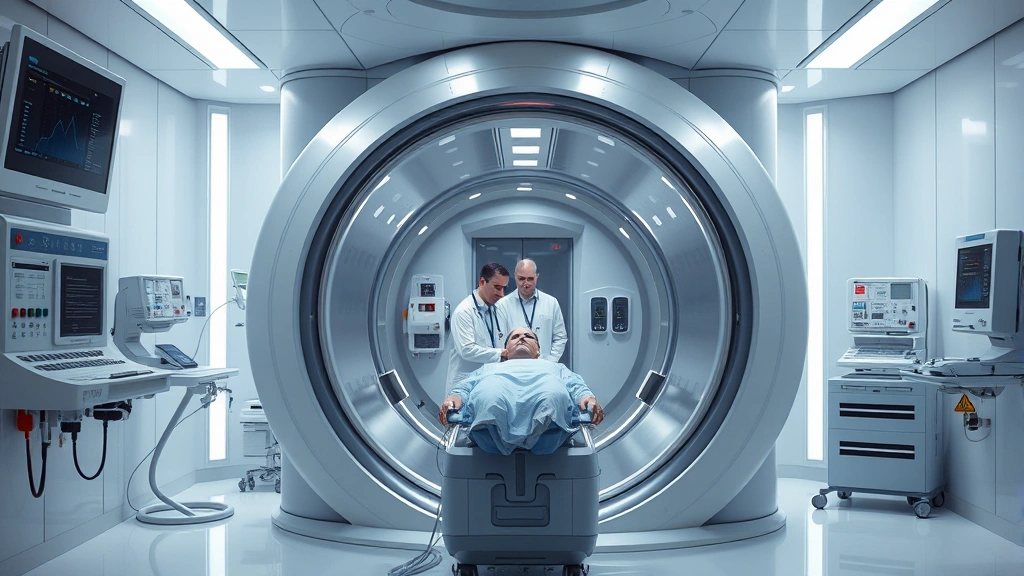
During the treatment itself, you’ll enter either a monoplace chamber (single-occupant, tube-like design) or a multiplace chamber (larger room accommodating multiple patients). The chamber is sealed, and the pressure gradually increases over several minutes. Most patients experience ear pressure similar to altitude changes or airplane descent—equalization techniques learned during orientation resolve this sensation.
You’ll breathe 100% oxygen through a mask or hood while the chamber maintains therapeutic pressure. Sessions last 90-120 minutes, during which you can relax, listen to music, or watch television. Many patients find the experience meditative and use the time for mental clarity and reflection.
Pressure is gradually reduced at the end of the session in a controlled decompression phase. You’ll exit the chamber feeling normal, though some patients report mild fatigue initially. Most resume regular activities immediately after treatment, making HBOT convenient for those with active lifestyles.
A typical treatment course involves 20-40 sessions, usually scheduled five days per week. Your hyperbaric medicine physician will monitor progress and adjust the treatment plan based on your response and healing trajectory.
Safety and Side Effects
HBOT is generally well-tolerated with an excellent safety profile when administered by qualified providers. However, like all medical interventions, it carries potential side effects that patients should understand.
Common Side Effects: Temporary myopia (nearsightedness), sinus or ear discomfort, fatigue, and mild headaches occur in some patients. These effects are typically transient and resolve after completing the treatment course. Proper equalization techniques prevent most ear-related complications.
Oxygen Toxicity: At very high pressures or with extended treatment durations, oxygen toxicity can theoretically develop. Qualified hyperbaric facilities maintain protocols that prevent this complication. Treatment parameters are carefully calibrated to maximize therapeutic benefit while remaining within safety margins.
Contraindications: Patients with untreated fever, uncontrolled diabetes, or certain medications require special consideration. Some chemotherapy drugs increase oxygen toxicity risk. A thorough pre-treatment evaluation identifies these factors, ensuring safe treatment protocols.
Barotrauma: The pressure changes can affect air-filled spaces in the body. Patients with upper respiratory infections, sinus congestion, or uncontrolled asthma may experience discomfort. Pre-treatment screening and patient education minimize these risks.
Overall, HBOT has been used safely for decades with millions of treatments administered worldwide. Serious adverse events are rare when treatment occurs at accredited facilities with experienced medical staff.
Insurance and Cost Considerations
Insurance coverage for HBOT varies significantly based on your policy, the indication being treated, and whether the use falls within FDA-approved parameters. Medicare and most private insurers cover HBOT for approved indications when supported by appropriate medical documentation.
For FDA-approved conditions, insurance authorization is typically straightforward. Your physician’s office will submit the necessary documentation, and most insurers approve coverage. Out-of-pocket costs for approved conditions are usually limited to standard copays or deductibles.
Off-label applications may face insurance resistance. Some policies exclude experimental or investigational treatments. However, many patients pursue off-label HBOT when they believe it addresses their condition, sometimes with partial insurance reimbursement or out-of-pocket payment.
Cost per session ranges from $300-$2,000 depending on facility location, chamber type, and local market factors. A 30-session course might cost $9,000-$60,000 before insurance. Many facilities offer payment plans or sliding scale fees for uninsured patients.
Before committing to treatment, request a detailed cost estimate and insurance pre-authorization. Transparent facilities provide clear pricing information and help navigate insurance processes. Don’t let cost concerns prevent you from exploring whether your insurance covers HBOT for your condition—many patients are pleasantly surprised by coverage availability.
Complementary Wellness Approaches
HBOT works synergistically with other therapeutic modalities. Many practitioners recommend combining hyperbaric oxygen therapy with wound care optimization, nutritional support, and physical rehabilitation. Red light therapy for tissue healing complements HBOT by addressing inflammation and promoting cellular repair through different mechanisms.
Patients recovering from traumatic injuries often benefit from combining HBOT with cognitive behavioral therapy for psychological resilience and mental health support. The comprehensive approach addresses both physical healing and emotional recovery.
Nutritional optimization enhances HBOT effectiveness. Adequate protein intake, vitamin C, zinc, and other nutrients support collagen synthesis and immune function. Many hyperbaric centers provide nutritional counseling as part of comprehensive care protocols.
Research and Future Directions
Ongoing research continues expanding HBOT applications. The National Center for Biotechnology Information maintains extensive databases of HBOT research studies. Recent investigations explore its potential for cognitive enhancement, neurological recovery, and chronic pain management.
Neuroplasticity research suggests HBOT may facilitate brain healing in ways previously underestimated. Studies examining HBOT for long COVID symptoms, post-concussion syndrome, and chronic neurological conditions show encouraging preliminary results.
Technological advances are improving chamber design and treatment protocols. Newer facilities feature enhanced comfort features, shorter treatment times with equivalent efficacy, and advanced monitoring systems that personalize treatment parameters to individual patient physiology.
The field of hyperbaric medicine continues evolving as researchers and clinicians document outcomes and refine treatment approaches. If you’re considering HBOT, staying informed about emerging research helps you make educated decisions about your healthcare.
Frequently Asked Questions
Is hyperbaric oxygen therapy painful?
HBOT is not painful, though patients may experience pressure sensations in the ears similar to airplane descent. Equalization techniques learned during orientation resolve this sensation. Most patients find the experience comfortable and relaxing.
How long does a typical HBOT course take?
Treatment courses typically span 20-40 sessions conducted five days per week, requiring 4-8 weeks of commitment. Some conditions require longer courses. Your physician will establish a specific timeline based on your diagnosis and response to treatment.
Can I bring someone with me to HBOT sessions?
Monoplace chambers accommodate only the patient. Multiplace chambers may allow a technician or support person. Family members can typically wait in comfortable facility areas. Ask your provider about their specific policies regarding accompaniment.
What should I eat before HBOT?
Eat a light meal 1-2 hours before treatment. Avoid heavy meals that might cause discomfort during the session. Stay well-hydrated throughout the day. Your facility will provide specific pre-treatment dietary guidelines.
Are there any medications I cannot take before HBOT?
Certain medications may increase oxygen toxicity risk. Disulfiram (Antabuse) and cisplatin chemotherapy require special consideration. Always inform your hyperbaric physician about all medications, supplements, and treatments you’re receiving.
Can children receive HBOT?
Yes, children can safely receive HBOT when medically indicated. Pediatric protocols account for developmental differences. Many facilities have experience treating children and use techniques to ensure comfort and cooperation.
What happens if I miss a treatment session?
Treatment efficacy depends on consistent protocol adherence. Missing sessions may prolong the overall course or reduce treatment effectiveness. Communicate with your facility about scheduling conflicts to maintain continuity.
Is HBOT covered by insurance?
Insurance coverage depends on your policy and the indication. FDA-approved conditions are usually covered. Your facility’s insurance specialists can verify coverage before beginning treatment, ensuring you understand financial obligations.