Is Hyperbaric Oxygen Therapy Effective? Expert Insights and Evidence-Based Analysis
Hyperbaric oxygen therapy (HBOT) has gained significant attention in recent years as a potential treatment for various medical conditions, from chronic wounds to neurological disorders. For residents of Mount Vernon, WA, and surrounding areas seeking advanced therapeutic options, understanding the effectiveness of this treatment is crucial. This comprehensive guide examines the scientific evidence, clinical applications, and expert perspectives on hyperbaric oxygen therapy to help you make informed healthcare decisions.
The therapy involves breathing pure oxygen in a pressurized chamber, increasing oxygen levels in the bloodstream and tissues. While some swear by its benefits, others remain skeptical about its efficacy. Our analysis explores both the validated uses and the ongoing debates within the medical community, providing you with a balanced perspective on whether HBOT might be right for your specific health needs.
How Hyperbaric Oxygen Therapy Works
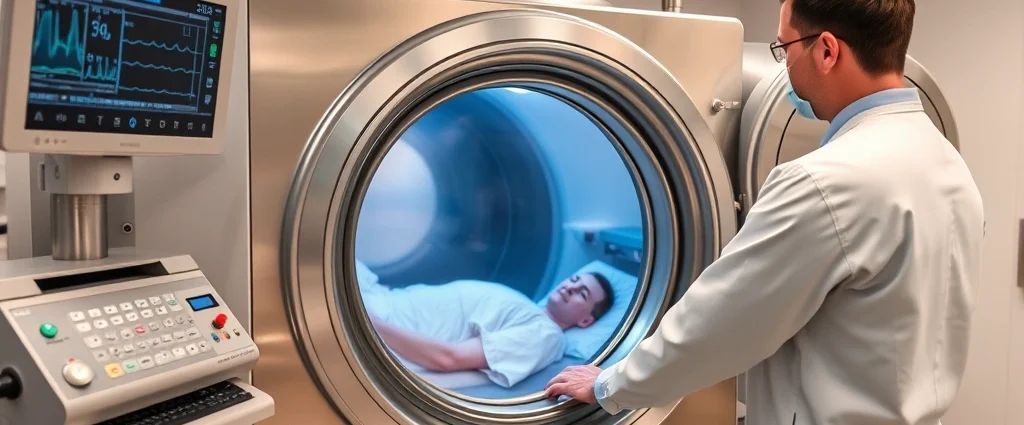
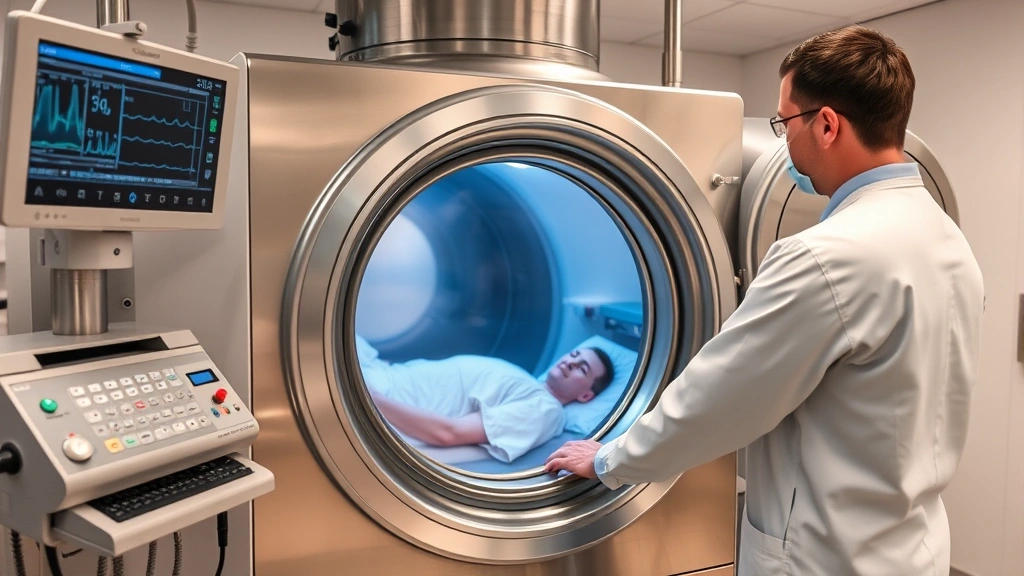
Hyperbaric oxygen therapy operates on a straightforward physiological principle: increased atmospheric pressure allows the lungs to absorb significantly more oxygen than would be possible under normal conditions. During a typical HBOT session, patients enter a pressurized chamber where the air pressure is increased to 2.0 to 3.0 atmospheres absolute (ATA), roughly equivalent to depths experienced in scuba diving.
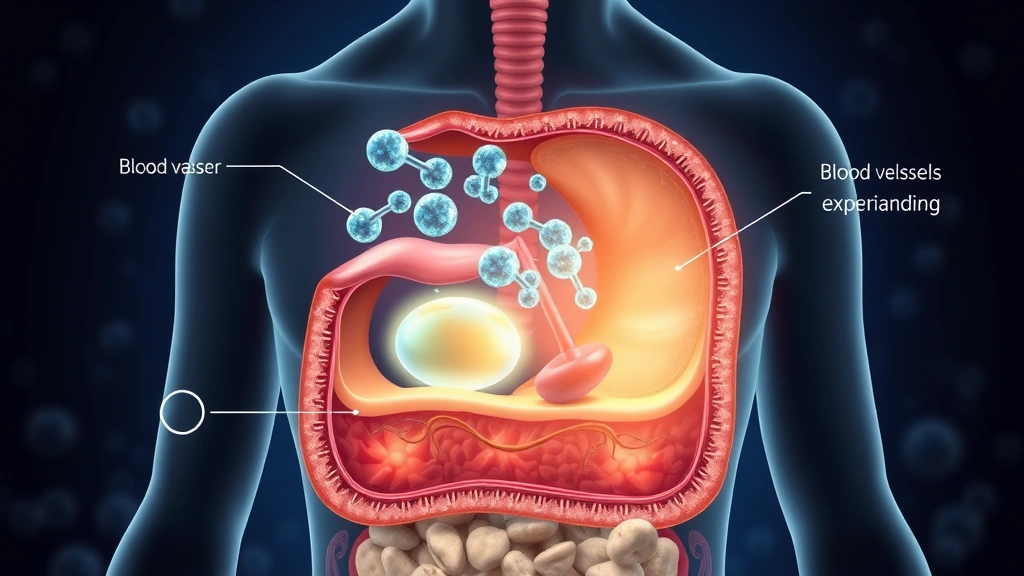
At these elevated pressures, oxygen dissolves directly into the plasma portion of blood, bypassing the normal hemoglobin-dependent oxygen transport mechanism. This increased oxygen availability enhances cellular metabolism, promotes angiogenesis (new blood vessel formation), and stimulates the release of growth factors essential for tissue repair and regeneration. The therapy typically involves sessions lasting 90 to 120 minutes, with patients usually undergoing 20 to 40 treatments depending on their condition.
The biological mechanisms underlying HBOT include enhanced oxygen delivery to hypoxic tissues, reduced inflammation, improved immune function, and accelerated collagen synthesis. When tissues become damaged or infected, oxygen supply often becomes compromised. By dramatically increasing oxygen availability, HBOT helps restore normal cellular function and accelerates the body’s natural healing processes. This is particularly valuable in conditions where blood vessel damage or chronic inflammation has impaired oxygen delivery.
FDA-Approved Medical Conditions
The U.S. Food and Drug Administration has approved hyperbaric oxygen therapy for a specific list of conditions, distinguishing between indications with strong scientific support and those still under investigation. Understanding which conditions have FDA approval is essential, as insurance coverage typically depends on this designation.
Approved indications include:
- Diabetic foot ulcers: Chronic wounds in diabetic patients represent one of HBOT’s most well-established applications, with multiple randomized controlled trials demonstrating improved healing rates
- Non-healing wounds: Severe pressure ulcers, venous stasis ulcers, and other chronic wounds resistant to conventional treatment
- Carbon monoxide poisoning: HBOT rapidly eliminates carbon monoxide from the body and prevents delayed neurological complications
- Necrotizing soft tissue infections: Gas gangrene and other rapidly progressive infections where HBOT complements surgical intervention
- Osteomyelitis: Chronic bone infections, particularly when combined with antibiotics and surgical debridement
- Radiation tissue damage: Osteoradionecrosis and soft tissue radionecrosis resulting from cancer treatment
- Compromised skin grafts and flaps: Surgical grafts at risk of failure due to inadequate oxygen supply
- Sudden sensorineural hearing loss: When administered within specific timeframes following hearing loss onset
These FDA-approved uses represent conditions where clinical evidence consistently demonstrates measurable benefit. However, the medical landscape extends beyond these established indications, with researchers investigating HBOT’s potential for numerous other conditions.
Clinical Evidence and Research Findings
The scientific evidence supporting hyperbaric oxygen therapy varies considerably depending on the condition being treated. For some indications, the evidence is robust and compelling; for others, findings remain preliminary or inconclusive.
Strong Evidence: Diabetic foot ulcers represent perhaps the strongest evidence base for HBOT. A landmark study published in peer-reviewed medical literature demonstrated that patients receiving HBOT alongside standard care experienced significantly higher healing rates compared to those receiving standard care alone. The Cochrane Collaboration, a highly respected source of evidence-based medicine reviews, has confirmed these findings across multiple analyses.
For necrotizing fasciitis and other severe infections, HBOT’s role as an adjunctive therapy (used alongside surgery and antibiotics) shows clear benefit. The increased oxygen levels inhibit bacterial growth and enhance white blood cell function, supporting the body’s infection-fighting capabilities. Research from institutions like the Undersea & Hyperbaric Medical Society provides comprehensive reviews of clinical outcomes.
Moderate Evidence: Conditions like chronic osteomyelitis and radiation-induced tissue damage show reasonable clinical support, though the evidence base is somewhat smaller than for diabetic ulcers. Multiple case series and observational studies demonstrate benefit, but larger randomized controlled trials remain limited.
Preliminary or Inconclusive Evidence: HBOT’s use for traumatic brain injury, autism spectrum disorder, cerebral palsy, and various neurological conditions remains controversial. While some studies suggest potential benefits, others show minimal improvement, and the FDA has not approved HBOT for these indications. This distinction is critical: lack of FDA approval doesn’t necessarily mean HBOT is ineffective, but rather that current evidence doesn’t meet the rigorous standards required for regulatory approval.
A 2023 review of hyperbaric oxygen therapy research highlighted that study quality varies significantly. Well-designed randomized controlled trials with adequate sample sizes and appropriate control groups provide the most reliable evidence. Some older studies used methodologies that wouldn’t meet current standards, which may explain discrepancies in findings across different research groups.
Off-Label Uses and Emerging Applications
Beyond FDA-approved indications, patients and practitioners explore HBOT for numerous other conditions. These off-label uses operate in a gray area: they may show promise in preliminary research or individual case reports, but they lack the extensive clinical validation required for official approval.
Conditions frequently treated off-label include:
- Sports injuries and athletic recovery: Some athletes use HBOT to accelerate recovery from sprains, strains, and other traumatic injuries, though evidence remains anecdotal
- Chronic pain syndromes: Complex regional pain syndrome and other chronic pain conditions occasionally show improvement, but controlled trials are limited
- Autoimmune disorders: Conditions like lupus and rheumatoid arthritis have been treated with HBOT in some clinics, though mainstream rheumatology has not embraced this approach
- Lyme disease: Some practitioners advocate HBOT for late-stage Lyme disease, despite lack of robust clinical evidence
- Autism spectrum disorder: HBOT gained attention in autism communities, but rigorous clinical trials have not demonstrated significant benefit
It’s important to note that evaluating therapy effectiveness requires understanding the difference between anecdotal reports and scientific evidence. Individual success stories, while compelling, don’t necessarily translate to broader efficacy.
Emerging research explores HBOT’s potential for conditions like fibromyalgia, long COVID, and various neuroinflammatory disorders. These investigations are valuable for expanding our understanding of oxygen’s therapeutic potential, but patients considering HBOT for off-label conditions should have realistic expectations and thorough discussions with their healthcare providers.
Safety Considerations and Side Effects
While generally considered safe when properly administered, hyperbaric oxygen therapy does carry potential risks and side effects that warrant careful consideration.
Common and usually temporary side effects include:
- Barotrauma: Pressure-related injuries to the middle ear and sinuses, preventable through proper equalization techniques
- Claustrophobia and anxiety: Spending 90+ minutes in an enclosed chamber triggers anxiety in some patients
- Myopia (nearsightedness): Temporary vision changes that typically resolve after completing treatment
- Oxygen toxicity: Rare but serious condition occurring when oxygen levels become excessively high, causing seizures or neurological symptoms
- Fatigue: Some patients experience tiredness following sessions
Serious but rare complications:
- Severe oxygen toxicity with seizures
- Barotrauma with permanent hearing loss
- Decompression sickness (though extremely rare in therapeutic HBOT)
- Pulmonary oxygen toxicity with chronic exposure
Certain conditions increase risk. Patients with uncontrolled fever, untreated pneumothorax, or those taking chemotherapy drugs like cisplatin require special precautions. Thorough pre-treatment screening and ongoing monitoring minimize these risks substantially.
Cost and Insurance Coverage
Understanding the financial aspects of hyperbaric oxygen therapy is essential for treatment planning. HBOT represents a significant healthcare expense, and coverage varies considerably.
Typical costs: Individual HBOT sessions range from $1,000 to $3,000 per treatment, with complete courses requiring 20-40 sessions. A full course can therefore cost $20,000 to $120,000, depending on condition severity and treatment protocol. Some facilities charge per session; others offer package pricing.
Insurance coverage: Most insurance plans, including Medicare and major commercial insurers, cover HBOT when used for FDA-approved indications. Coverage typically requires prior authorization and documentation of medical necessity. Understanding healthcare costs and insurance coverage helps patients navigate financial planning.
Out-of-pocket considerations: Patients pursuing off-label HBOT treatment should expect to pay out-of-pocket, as insurance rarely covers non-approved indications. Some patients combine insurance coverage for approved conditions with self-pay for additional sessions or off-label treatments.
Discussing cost and coverage options with your healthcare provider and the HBOT facility is essential before beginning treatment. Many facilities offer financial counseling to help patients understand their obligations.
Finding HBOT Services in Mount Vernon, WA
For Mount Vernon, Washington residents seeking hyperbaric oxygen therapy, several options exist in the surrounding region. The Pacific Northwest has several established HBOT centers serving patients from Mount Vernon and nearby communities.
Locating qualified facilities: The Undersea & Hyperbaric Medical Society maintains a directory of accredited facilities. Accreditation indicates adherence to strict safety and quality standards. When evaluating facilities, verify that physicians overseeing treatment are board-certified in hyperbaric medicine.
What to look for:
- Board-certified hyperbaric medicine physicians
- UHMS accreditation or equivalent quality certification
- Modern, well-maintained equipment
- Experienced nursing and technical staff
- Clear communication about treatment protocols and expected outcomes
- Comprehensive safety screening and monitoring
Many facilities in the Seattle-Tacoma metropolitan area serve Mount Vernon patients, offering monoplace chambers (single-patient units) or multiplace chambers (accommodating multiple patients simultaneously). Some offer telehealth consultations to facilitate initial evaluations for Mount Vernon residents.
Comparing HBOT to Other Therapies
When considering hyperbaric oxygen therapy, understanding how it compares to alternative treatments helps inform decision-making. Physical therapy and other rehabilitation approaches may complement or serve as alternatives to HBOT depending on your condition.
HBOT versus standard wound care: For chronic diabetic ulcers, HBOT significantly improves healing rates when combined with standard care. However, standard care alone—including proper wound cleaning, dressing, infection management, and pressure relief—remains foundational. HBOT enhances these approaches rather than replacing them.
HBOT versus other oxygen therapies: Topical oxygen therapy, hypoxic conditioning, and other oxygen-related treatments exist but work through different mechanisms. HBOT’s systemic oxygen delivery differs fundamentally from localized approaches.
HBOT versus emerging regenerative therapies: Stem cell therapy, platelet-rich plasma (PRP), and other regenerative medicine approaches are being researched for similar conditions. Some evidence suggests combining HBOT with these therapies may enhance results, though more research is needed.
HBOT versus red light therapy: Red light therapy and other photobiomodulation approaches work through different biological mechanisms than HBOT. Some conditions may benefit from either approach; others may benefit from combination therapy.
Your healthcare provider should help determine whether HBOT, alternative therapies, or combination approaches best suit your specific condition and health goals.
Frequently Asked Questions
How many hyperbaric oxygen therapy sessions do most patients need?
The number of sessions varies significantly based on condition and individual response. FDA-approved indications typically involve 20-40 sessions, with diabetic ulcers often requiring 30-40 treatments. Some conditions may resolve faster; others might need additional sessions. Your physician will establish a treatment protocol based on your specific situation and monitor progress to determine if continuing treatment remains beneficial.
Can I use hyperbaric oxygen therapy at home?
Home HBOT units exist but differ significantly from medical-grade chambers used in clinical settings. These portable chambers operate at lower pressures (typically 1.3-1.5 ATA) compared to clinical chambers (2.0-3.0 ATA). The FDA does not approve home chambers for most therapeutic purposes, and they cannot deliver the same physiological effects as clinical HBOT. Medical treatment should occur at accredited facilities with trained personnel.
Is hyperbaric oxygen therapy covered by Medicare?
Medicare covers HBOT for specific FDA-approved indications, including diabetic foot ulcers, chronic osteomyelitis, and radiation tissue damage. Coverage requires prior authorization, appropriate diagnosis coding, and documentation of medical necessity. Your healthcare provider must submit coverage requests following Medicare guidelines. Coverage for off-label uses is extremely unlikely.
What should I expect during my first HBOT session?
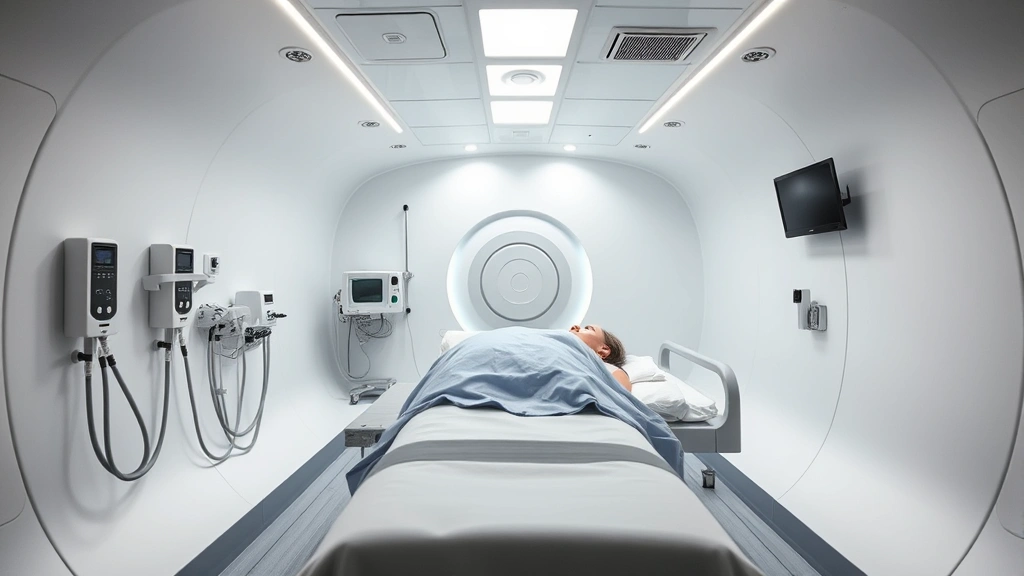
Your first session begins with pre-treatment screening, including ear pressure equalization instruction and safety briefing. You’ll change into provided clothing, enter the chamber, and lie on a comfortable surface. The chamber gradually pressurizes over 10-15 minutes while you breathe pure oxygen through a mask or hood. You’ll spend 90-120 minutes at therapeutic pressure, then the chamber slowly decompresses. Most patients tolerate sessions well, though some experience mild ear discomfort or temporary vision changes.
Can children receive hyperbaric oxygen therapy?
Yes, children can safely receive HBOT under appropriate medical supervision. Pediatric protocols may differ slightly from adult treatment, particularly regarding pressure levels and session duration. Children with diabetic ulcers, severe infections, or other FDA-approved indications can benefit from therapy. Facilities treating pediatric patients should have experience managing younger patients’ anxiety and ensuring compliance.
Does hyperbaric oxygen therapy work for autism?
This question generates significant controversy. While some preliminary studies suggested potential benefits for autism spectrum disorder, larger, well-controlled clinical trials have not demonstrated significant improvement. The FDA has not approved HBOT for autism, and major autism organizations do not recommend it as a standard treatment. Parents considering HBOT for autism should carefully review available evidence and discuss realistic expectations with healthcare providers.
How long after starting HBOT should I expect to see results?
Results timelines vary considerably. Some conditions show improvement within 5-10 sessions; others require 20-30 sessions before significant changes occur. Diabetic ulcer healing often accelerates noticeably after 10-15 sessions. However, some patients see minimal improvement despite completing full treatment courses. Your physician should establish realistic expectations and monitor progress regularly to determine if continuing therapy remains beneficial.
What conditions does your Mount Vernon facility treat?
This article provides general information about hyperbaric oxygen therapy but doesn’t represent a specific facility. Residents seeking HBOT in Mount Vernon should contact local and regional facilities directly to discuss their specific condition and treatment availability. Accredited facilities can answer detailed questions about their capabilities and experience with particular diagnoses.
Can I combine hyperbaric oxygen therapy with other treatments?
Yes, HBOT frequently combines with other treatments. For diabetic ulcers, it works alongside wound care, antibiotics, and blood sugar management. For infections, HBOT complements surgery and antibiotic therapy. Some patients combine HBOT with physical therapy or other rehabilitation approaches. Your healthcare team should coordinate all treatments to ensure they complement rather than conflict with each other.