Can Hyperbaric Oxygen Aid Mental Health? Expert Insights
Hyperbaric oxygen therapy (HBOT) has long been recognized for treating decompression sickness and chronic wounds, but emerging research suggests potential applications for mental health conditions. This innovative treatment involves breathing pure oxygen in a pressurized chamber, which increases oxygen saturation in the bloodstream and tissues. Mental health professionals and researchers are increasingly investigating whether this physiological intervention might complement traditional therapeutic approaches for depression, anxiety, and other psychiatric conditions.
The intersection of physical medicine and mental health represents a fascinating frontier in healthcare. While therapy resources continue to evolve, alternative and complementary treatments warrant scientific examination. Understanding the mechanisms behind hyperbaric oxygen therapy and its potential neurological effects could open new avenues for patients seeking comprehensive mental health solutions in Mount Vernon, WA, and beyond.
How Hyperbaric Oxygen Therapy Works
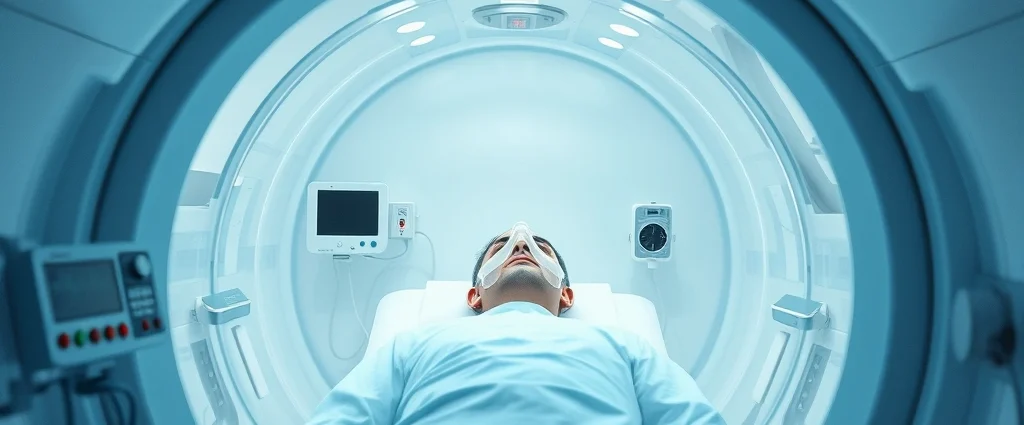
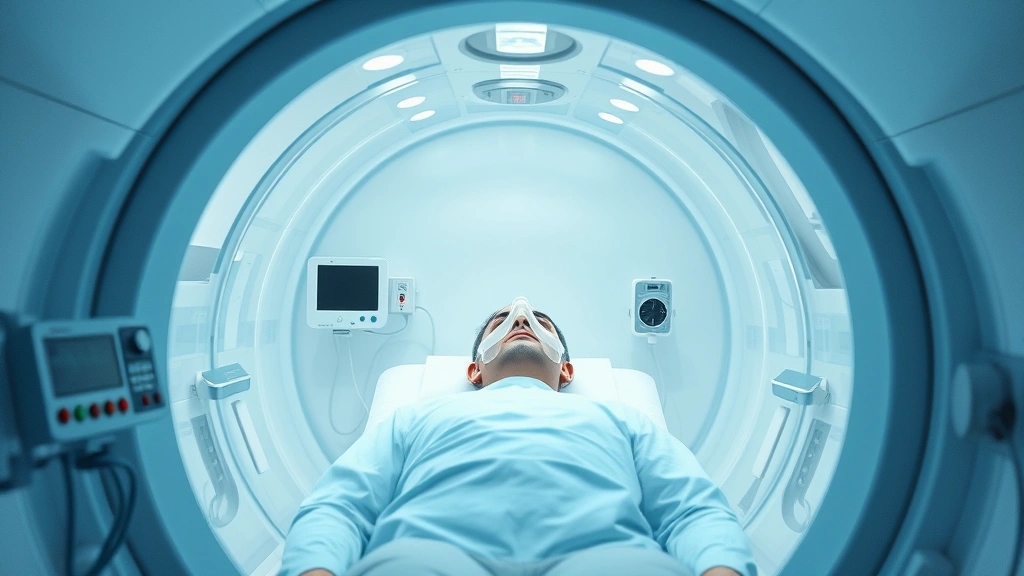
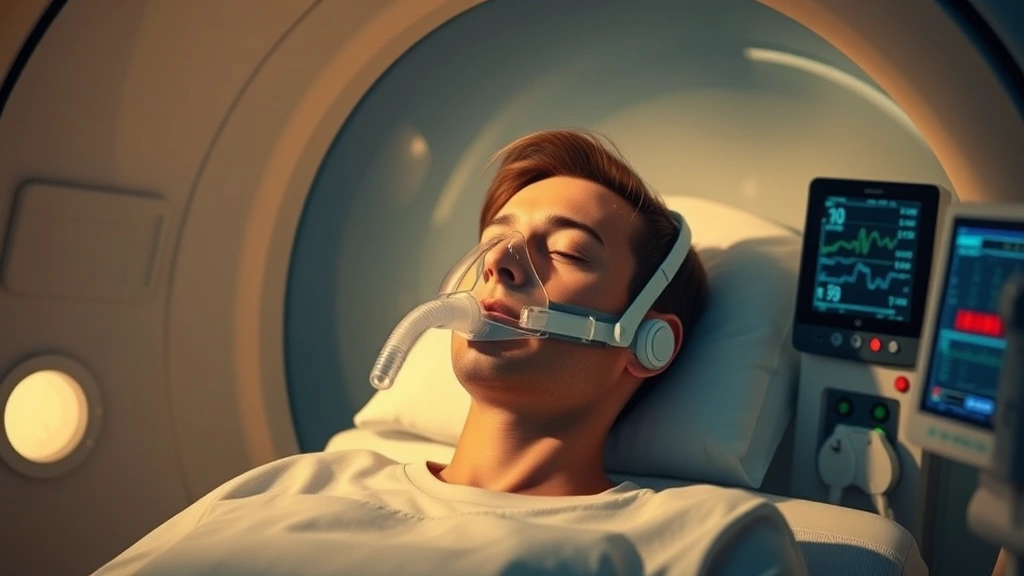
Hyperbaric oxygen therapy operates on a straightforward but powerful principle: increased atmospheric pressure combined with high oxygen concentrations enhances oxygen delivery to tissues throughout the body. During a typical HBOT session, patients enter a pressurized chamber where atmospheric pressure increases to 2-3 times normal sea level pressure while breathing 95-100% pure oxygen through a mask or hood.
This pressurization process dramatically increases the amount of oxygen dissolved in plasma—the liquid component of blood. Unlike hemoglobin-bound oxygen that reaches saturation at normal atmospheric pressure, dissolved oxygen in plasma can penetrate areas with compromised blood flow, including damaged tissues and regions affected by hypoxia. Sessions typically last 60-120 minutes, and treatment courses range from 20 to 40 sessions depending on the condition being treated.
The physiological cascade triggered by HBOT extends beyond simple oxygen delivery. Increased oxygen availability stimulates neovascularization (new blood vessel formation), reduces inflammation, promotes stem cell mobilization, and enhances mitochondrial function. These mechanisms explain why HBOT benefits wound healing and tissue repair—but they also suggest potential applications for neurological and psychiatric conditions characterized by inflammation or reduced cerebral blood flow.
The Neurobiology of Mental Health and Oxygen
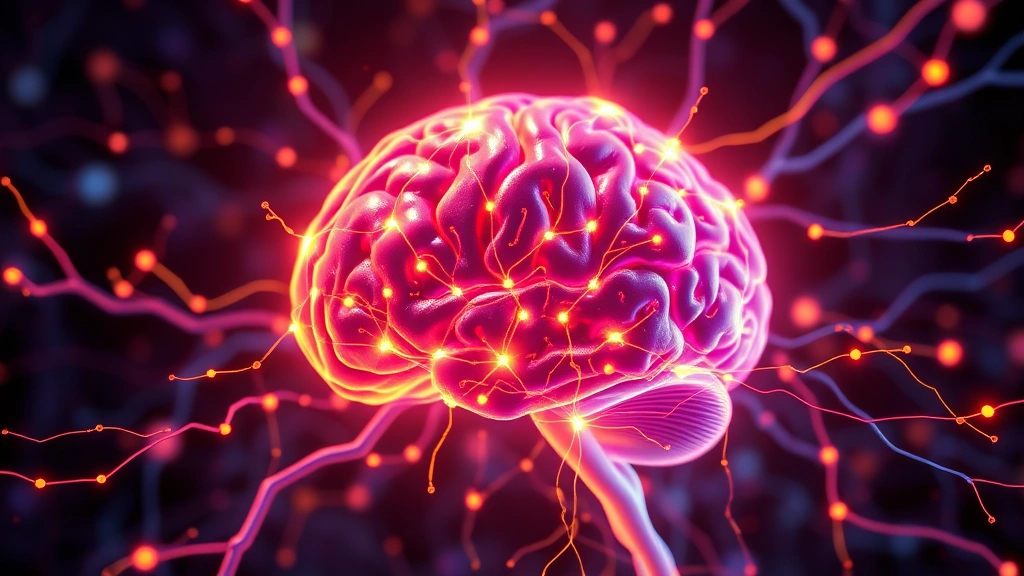
The brain consumes approximately 20% of the body’s oxygen supply despite comprising only 2% of body weight, making cerebral oxygen availability crucial for optimal mental function. Conditions like depression and anxiety have been associated with reduced cerebral blood flow, impaired mitochondrial function, and neuroinflammation—all factors theoretically addressable through increased oxygen availability.
Depression research has identified several biological markers including elevated inflammatory cytokines, reduced brain-derived neurotrophic factor (BDNF), and altered neural connectivity in regions responsible for mood regulation. Anxiety disorders involve hyperactivation in the amygdala and reduced prefrontal cortex function. Both conditions show associations with oxidative stress and mitochondrial dysfunction, creating a theoretical foundation for oxygen-based interventions.
The neuroplasticity literature demonstrates that the brain’s capacity for structural and functional change depends partly on metabolic resources and oxygenation. Cognitive behavioral therapy for anxiety disorders works through active neural remodeling, a process that requires adequate metabolic support. If HBOT enhances the neurochemical environment supporting neuroplasticity, it could theoretically enhance the efficacy of psychological interventions.
Research from prominent institutions has examined how hypoxia contributes to psychiatric symptoms. A study published in Molecular Psychiatry demonstrated that chronic mild hypoxia increases depression-like behavior in animal models, suggesting that reversing hypoxia might ameliorate depressive symptoms. While animal research doesn’t automatically translate to human applications, it provides mechanistic plausibility.
Research Evidence for Mental Health Applications
The scientific literature on HBOT and mental health remains limited compared to research on physical applications, but emerging studies show promising signals. Academic databases increasingly catalog HBOT research exploring psychiatric applications, though most studies remain preliminary or involve small sample sizes.
A 2022 review examining HBOT’s neurological applications identified several mechanisms potentially beneficial for mental health: enhanced cerebral blood flow, reduced neuroinflammation, improved mitochondrial function, and increased BDNF production. These mechanisms align with understanding of depression and anxiety pathophysiology, though direct evidence in human psychiatric populations remains sparse.
Researchers at leading medical institutions have begun investigating HBOT for treatment-resistant depression, post-traumatic stress disorder, and cognitive dysfunction. The National Institutes of Health has supported research examining oxygen therapy’s effects on brain function, including applications beyond traditional indications. However, most studies remain in early phases, emphasizing the need for rigorous clinical trials.
Depression and HBOT: What Studies Show
Depression involves complex neurobiological changes including reduced hippocampal volume, decreased monoamine neurotransmitter availability, and impaired neural connectivity. Some researchers hypothesize that HBOT’s oxygen-enhancing effects might address the metabolic insufficiency underlying these changes.
A small pilot study examining HBOT for treatment-resistant depression found improvements in depressive symptoms and cognitive function in some participants. The researchers proposed that enhanced cerebral oxygenation facilitated neuroplastic changes and reduced inflammatory markers implicated in depression. However, the study involved fewer than 20 participants and lacked a control group, limiting conclusions.
Additional research has examined HBOT for depression associated with traumatic brain injury, where oxygen therapy showed more robust effects. This distinction matters because depression following brain injury involves documented hypoxia and inflammation, making it mechanistically different from primary mood disorders. Understanding how long the effects of hyperbaric oxygen therapy last becomes particularly important when considering treatment planning for depression.
The heterogeneity of depression as a diagnostic category complicates research interpretation. Depression encompasses multiple biological subtypes with different neurochemical profiles, inflammatory markers, and vascular characteristics. HBOT might benefit specific depression subtypes characterized by hypoxia or inflammation while showing minimal benefit for others. Future research must stratify participants by biological markers rather than treating depression as a monolithic condition.
Anxiety, PTSD, and Oxygen Therapy
Post-traumatic stress disorder involves persistent hypervigilance, amygdala overactivation, and impaired prefrontal cortex function—essentially a dysregulated threat-detection system. Anxiety disorders share similar neurobiological features. Some researchers theorize that HBOT’s anti-inflammatory effects and enhancement of prefrontal function might help normalize this dysregulation.
A limited number of studies have examined HBOT for PTSD symptoms. One small case series reported subjective improvements in PTSD symptoms and sleep disturbance following HBOT courses, though the lack of control conditions prevents definitive conclusions. The proposed mechanism involved reduced neuroinflammation and enhanced parasympathetic nervous system function—both plausible targets for oxygen therapy.
Anxiety’s relationship with breathing patterns creates an interesting theoretical link to oxygen therapy. Anxiety disorders frequently involve hyperventilation, which paradoxically reduces blood CO2 and creates a sensation of breathlessness despite adequate oxygenation. While HBOT addresses oxygen availability rather than breathing patterns, the physiological normalization achieved through oxygen saturation might interrupt anxiety cycles. This remains speculative without direct empirical support.
The integration of HBOT with trauma-focused psychotherapy represents an underexplored area. If HBOT enhances neuroplasticity and reduces neuroinflammation, it might optimize the brain’s capacity for the neural remodeling essential to evidence-based trauma therapy. However, this remains theoretical speculation requiring experimental validation.
Integration with Traditional Mental Health Treatment
The most scientifically defensible approach positions HBOT as a potential adjunctive treatment rather than a primary intervention for mental health conditions. Understanding treatment timelines helps patients establish realistic expectations, whether pursuing conventional therapy or exploring complementary approaches.
Mental health treatment typically involves psychotherapy, psychiatric medications, lifestyle modifications, and social support. HBOT could theoretically enhance these established interventions by optimizing the neurobiological substrate upon which they operate. A patient receiving cognitive-behavioral therapy for anxiety might theoretically experience enhanced neuroplasticity if simultaneously undergoing HBOT, though this remains speculative.
Psychiatrists emphasize that HBOT should never replace evidence-based treatments like cognitive-behavioral therapy, interpersonal therapy, or psychiatric medications. Instead, patients interested in HBOT should view it as a potential complementary strategy used alongside conventional treatment. This integrative approach requires collaboration between mental health providers and physicians experienced with hyperbaric medicine.
The placebo effect deserves consideration in HBOT research. Patients investing time and money in novel treatments may experience psychological benefits independent of physiological mechanisms. Rigorous research designs with appropriate control conditions are essential for distinguishing true therapeutic effects from expectancy effects.
Finding HBOT Services in Mount Vernon, WA
Patients in Mount Vernon, Washington seeking hyperbaric oxygen therapy have several options. Specialized hyperbaric medicine centers operate throughout Washington state, with facilities in Bellingham, Everett, and Seattle providing accessible services for Mount Vernon residents. These centers employ certified hyperbaric technicians and physicians trained in HBOT protocols.
When selecting an HBOT facility, patients should verify physician credentials, chamber certification, and safety protocols. The Undersea and Hyperbaric Medical Society (UHMS) maintains directories of accredited facilities and certified providers. Facilities should demonstrate experience treating the specific condition being addressed and maintain current safety certifications.
Insurance coverage varies significantly based on the indication for treatment. Medicare and most insurance plans cover HBOT for FDA-approved indications including diabetic wounds, non-healing ulcers, and certain infections. Coverage for psychiatric applications remains limited and typically requires pre-authorization and medical necessity documentation. Patients should contact their insurance providers before commencing treatment to understand coverage parameters.
The cost of HBOT treatment ranges from $1,500 to $3,000 per session depending on facility location and equipment type. A typical treatment course of 30-40 sessions represents a significant financial investment. Understanding therapy cost considerations helps patients plan financially for mental health interventions, whether conventional or complementary.
Safety Considerations and Contraindications
Hyperbaric oxygen therapy carries potential risks that patients must understand before pursuing treatment. The most common side effect is barotrauma—pressure-related injury to air-filled spaces including the middle ear and sinuses. Most patients experience mild ear discomfort manageable through equalization techniques, but severe barotrauma can cause permanent hearing loss or vertigo.
Oxygen toxicity represents another concern with prolonged exposure to high oxygen concentrations. Symptoms include visual changes, nausea, muscle twitching, and in severe cases, seizures. Modern HBOT protocols minimize toxicity risk through careful pressure and duration parameters, but individual susceptibility varies.
Claustrophobia affects some patients undergoing chamber treatment. Monoplace chambers (single-occupant) can feel confining, though multiplace chambers accommodating multiple patients and staff may feel less restrictive. Patients with significant anxiety about enclosed spaces should discuss this concern with providers who can offer appropriate accommodations or alternative chamber types.
Certain medications and conditions contraindicate HBOT or require careful monitoring. Chemotherapy drugs, particularly doxorubicin, may increase oxygen toxicity risk. Uncontrolled diabetes, high fevers, and upper respiratory infections require treatment modification. Patients must provide comprehensive medical histories to HBOT physicians who can assess individual risk-benefit profiles.
Patients with untreated claustrophobia or panic disorder may experience significant distress during chamber treatment. Mental health providers should be involved in pre-treatment assessment to identify patients at risk for adverse psychological reactions and implement appropriate support strategies.
Cost and Insurance Coverage
The financial aspects of HBOT treatment significantly impact accessibility and treatment decisions. A comprehensive treatment course of 40 sessions costs $60,000-$120,000 depending on facility and equipment. This represents a substantial out-of-pocket expense for many patients, particularly when insurance denies coverage for psychiatric indications.
Medicare covers HBOT for 14 FDA-approved conditions, none of which include primary psychiatric disorders. However, HBOT for depression secondary to traumatic brain injury or another covered condition might receive coverage if medical necessity can be documented. Patients should work with their healthcare providers to submit appropriate documentation supporting medical necessity arguments.
Private insurance coverage varies by plan and insurer. Some plans cover HBOT for approved indications but exclude psychiatric applications. Others may cover experimental treatments if sufficient clinical evidence exists. Patients should contact their insurance companies before pursuing treatment to understand specific coverage policies.
Out-of-pocket treatment costs can be addressed through several strategies: negotiating facility payment plans, seeking providers offering reduced rates for uninsured patients, or exploring clinical trial participation where treatment may be provided free. Some facilities offer package discounts for patients committing to full treatment courses.
Frequently Asked Questions
Can hyperbaric oxygen therapy cure depression?
Current evidence does not support HBOT as a cure for depression. While some research suggests potential benefits for depressive symptoms, particularly in specific populations like those with traumatic brain injury, HBOT should not replace established depression treatments including psychotherapy and medication. Any potential benefits appear to be adjunctive rather than curative.
How many HBOT sessions are needed for mental health benefits?
Research examining mental health applications typically involves 20-40 treatment sessions, though optimal dosing remains undetermined. Patients pursuing HBOT for psychiatric symptoms should discuss expected session numbers with their providers, understanding that mental health applications represent off-label use with limited evidence.
Is hyperbaric oxygen therapy covered by insurance for mental health?
Most insurance plans do not cover HBOT for primary psychiatric conditions. Coverage exists only for FDA-approved indications, none of which include depression, anxiety, or PTSD. However, coverage might be possible if mental health symptoms result from a covered condition like traumatic brain injury. Patients should verify coverage with their specific insurers.
What are the main side effects of HBOT?
Common side effects include ear and sinus barotrauma, temporary vision changes, and fatigue. More serious risks include oxygen toxicity seizures and permanent hearing loss, though these are rare with modern protocols. Patients should discuss individual risk profiles with hyperbaric medicine physicians.
Can HBOT replace psychiatric medications?
No. HBOT should never replace psychiatric medications prescribed for mental health conditions. Any changes to psychiatric medication should occur only under psychiatrist supervision. HBOT, if pursued, should be viewed as a potential adjunctive strategy used alongside, not instead of, evidence-based psychiatric treatment.
How long do HBOT effects last for mental health?
The duration of any mental health benefits from HBOT remains poorly characterized in research. Some patients report symptom improvements persisting for months after treatment completion, while others experience symptom recurrence. Research examining how long the effects of hyperbaric oxygen therapy last provides more detailed information on this question.
Is HBOT appropriate for treatment-resistant depression?
Treatment-resistant depression—inadequate response to multiple medication trials—represents a challenging clinical problem. While HBOT might theoretically benefit some patients through enhanced cerebral oxygenation and neuroinflammation reduction, evidence remains limited. Patients with treatment-resistant depression should discuss HBOT as one option among several evidence-based alternatives including transcranial magnetic stimulation, ketamine therapy, and psychotherapy intensification.
Can children receive HBOT for mental health conditions?
Children can safely undergo HBOT for approved medical indications, though pediatric mental health applications remain entirely experimental. Any consideration of HBOT for childhood psychiatric conditions should involve pediatric psychiatrists, hyperbaric medicine specialists, and careful family discussion regarding limited evidence and potential risks.