Red Light Therapy Benefits: What Experts Recommend
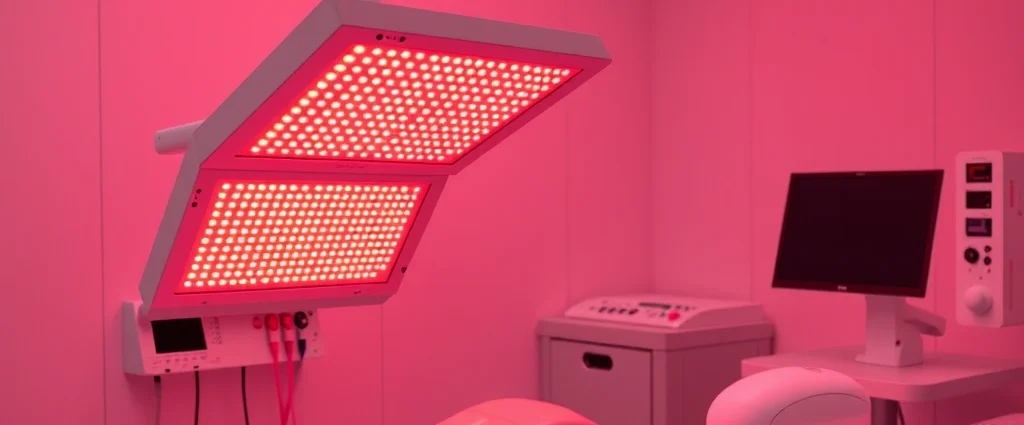
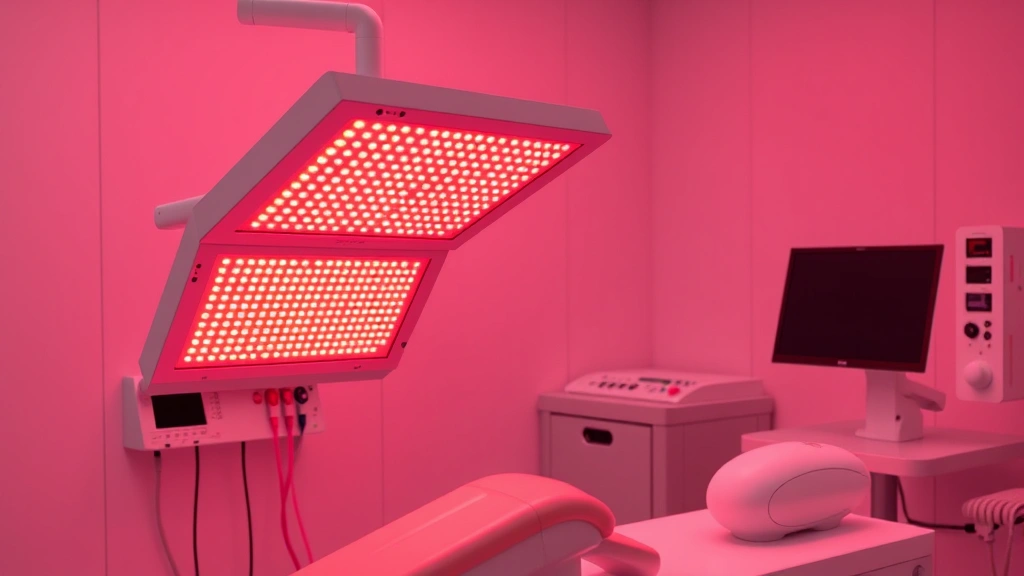
Red light therapy has emerged as one of the most researched and discussed wellness modalities in recent years, with dermatologists, wellness experts, and clinical researchers increasingly validating its effectiveness for facial skin health and beyond. This non-invasive treatment harnesses specific wavelengths of red and near-infrared light to stimulate cellular processes at the mitochondrial level, potentially offering benefits ranging from improved skin texture to reduced inflammation. Understanding how long to use red light therapy on face is crucial for maximizing results while avoiding potential adverse effects, making this comprehensive guide essential for anyone considering this treatment.
The science behind red light therapy rests on decades of photobiology research demonstrating that light wavelengths between 600-1000 nanometers can penetrate skin tissue and interact with cytochrome c oxidase in mitochondrial cells, enhancing ATP production. This fundamental cellular mechanism underpins the therapy’s purported benefits and explains why timing and consistency matter significantly in treatment protocols.
Understanding Red Light Therapy Wavelengths and Mechanisms
Red light therapy operates through a fascinating intersection of physics and biology. The therapeutic window typically spans 620-700 nanometers for red light and 700-1100 nanometers for near-infrared light, with research from peer-reviewed photomedicine studies confirming these ranges penetrate skin effectively without causing thermal damage. The mechanism involves photon absorption by chromophores—specifically cytochrome c oxidase in Complex IV of the electron transport chain—which catalyzes electron transfer and increases ATP synthesis.
This process triggers a cascade of cellular responses including increased collagen production, enhanced angiogenesis (new blood vessel formation), and modulation of inflammatory cytokines. The skin’s response depends heavily on light intensity (measured in milliwatts per square centimeter), wavelength precision, and exposure duration. Different wavelengths penetrate to varying depths: red light (630-700 nm) primarily affects the epidermis and upper dermis, while near-infrared (750-1100 nm) reaches deeper dermal and subcutaneous layers. Understanding this distinction becomes critical when determining appropriate treatment duration, as deeper penetration doesn’t necessarily require longer exposure times.
The biological response isn’t instantaneous; rather, cellular adaptations occur progressively over multiple treatment sessions. Research indicates that consistent stimulation of mitochondrial function leads to cumulative improvements in skin barrier function, elasticity, and pigmentation. This temporal dimension explains why experts emphasize consistency over individual session length.
Recommended Duration for Facial Red Light Therapy
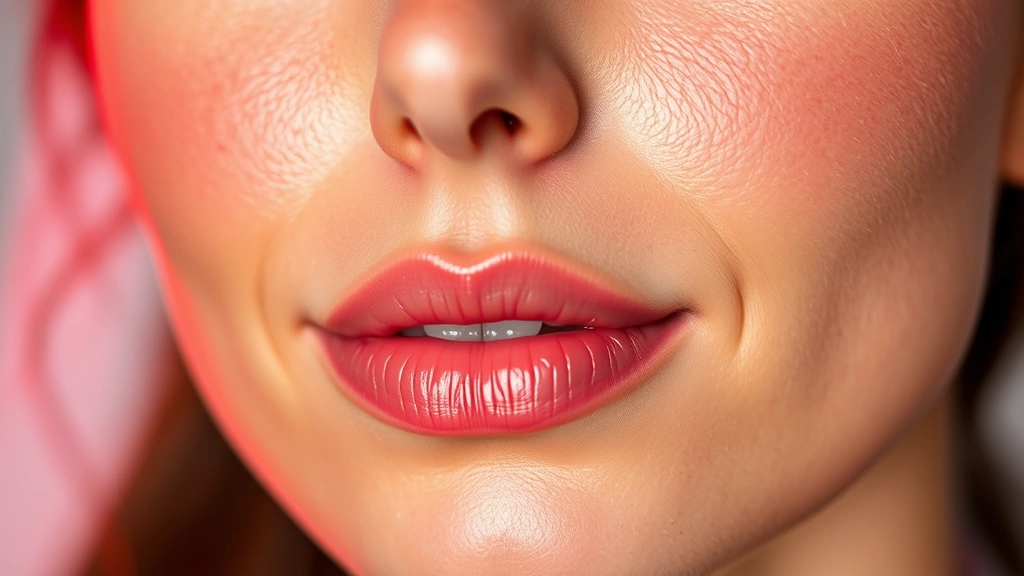
The optimal duration for facial red light therapy sessions represents one of the most frequently asked questions in dermatological practice and wellness medicine. Current expert consensus, informed by American Academy of Dermatology guidelines and clinical research, suggests that facial treatments should range from 10 to 20 minutes per session for most individuals using commercial-grade devices. This recommendation assumes devices delivering 20-40 mW/cm² of power, which represents the therapeutic sweet spot balancing efficacy with safety.
For lower-powered devices (under 20 mW/cm²), extending sessions to 20-30 minutes may be necessary to achieve therapeutic photon doses. Conversely, professional-grade clinical devices (40+ mW/cm²) may produce results with 5-10 minute sessions, though practitioners often recommend 10-15 minutes to ensure adequate cellular stimulation across facial tissue. The critical variable isn’t duration alone but rather the total photon dose (measured in joules per square centimeter), calculated by multiplying intensity by time.
Most dermatologists recommend starting conservatively at 10 minutes per session, particularly for individuals new to red light therapy or with sensitive facial skin. This approach allows the skin to acclimate to increased cellular activity and ATP production without overwhelming detoxification pathways. After one to two weeks of baseline tolerance assessment, individuals can gradually extend sessions to 15-20 minutes if desired. This progressive approach mirrors established protocols in photobiology and aligns with the principle of hormesis—the concept that mild stressors trigger adaptive responses superior to those from no stress or excessive stress.
The distinction between maintenance and therapeutic protocols is important. Maintenance protocols—designed to preserve skin health and appearance—typically involve 10-15 minute sessions, while therapeutic protocols addressing specific concerns like acne, rosacea, or significant photoaging might extend to 20 minutes or combine red light with other wavelengths. Understanding your treatment goals helps determine appropriate duration.
” alt=”Professional red light therapy panel emitting warm red wavelengths in clinical setting with modern equipment”>
Optimal Frequency and Treatment Schedules
Duration and frequency work synergistically in red light therapy protocols. Most research supporting facial benefits employed 3-5 sessions weekly, with studies examining acne and photoaging consistently showing superior results with this frequency compared to weekly-only protocols. However, frequency recommendations vary based on treatment objectives and individual skin sensitivity.
For general skin health and anti-aging maintenance, 3-4 sessions weekly appears optimal, allowing adequate recovery time between sessions while maintaining consistent mitochondrial stimulation. This frequency ensures that cellular adaptations accumulate without reaching saturation, where additional stimulation yields diminishing returns. Most practitioners recommend spacing sessions 24-48 hours apart for facial treatments, giving skin time to process the photonic stimulus and initiate repair cascades.
More intensive protocols addressing specific conditions follow different timelines. Acne treatment studies typically employed 2-3 sessions weekly for 4-8 weeks, suggesting that bacterial suppression and sebaceous regulation require consistent but not daily stimulation. Rosacea and inflammatory conditions similarly benefit from 2-3 weekly sessions rather than daily use. Daily facial red light therapy, while not necessarily harmful, offers no demonstrated advantage over properly-spaced sessions and may reduce the therapeutic stimulus intensity through adaptation.
Seasonal adjustments make sense for individuals in northern climates or those with seasonal skin concerns. Winter months might warrant increased frequency (4-5 sessions weekly) to compensate for reduced natural light exposure, while summer might decrease to 2-3 sessions weekly. This aligns with circadian biology and seasonal variations in skin barrier function.
Skin Type Considerations and Personalization
Optimal red light therapy duration varies considerably based on individual skin characteristics, which underscores the importance of personalized protocols. Fair-skinned individuals typically tolerate longer sessions than those with darker skin tones, not because the therapy is less effective for darker skin, but because increased melanin content can cause greater heat accumulation and photostress. Starting with 10-minute sessions becomes particularly important for individuals with Fitzpatrick skin types IV-VI.
Sensitivity considerations significantly influence duration recommendations. Individuals with rosacea, active acne, or compromised skin barriers should begin with conservative 8-10 minute sessions, potentially extending gradually over 4-6 weeks. Those with extremely sensitive skin might benefit from alternating days of shorter sessions (8 minutes) with rest days, allowing cellular recovery. This measured approach prevents triggering excessive inflammatory responses that could temporarily worsen conditions before improvement occurs.
Conversely, individuals with resilient, non-reactive skin and no active inflammatory conditions often tolerate 15-20 minute sessions immediately. Previous experience with light-based therapies (laser treatments, photofacials) provides useful context—those who tolerated such treatments well typically handle red light therapy similarly, though the gentler nature of red light means even those with previous sensitivity might respond positively.
Age-related considerations deserve mention as well. Mature skin often benefits from slightly longer sessions (15-20 minutes) for collagen stimulation, while younger individuals using red light for acne or skin texture might achieve results with 10-12 minute sessions. However, these represent generalizations; individual response varies considerably.
When determining your personalized protocol, consulting with a qualified healthcare provider familiar with photobiology ensures recommendations align with your specific skin status and health history. This professional guidance complements self-directed optimization.
” alt=”Close-up of healthy glowing facial skin showing improved texture and radiance from consistent light therapy treatment”>
Potential Side Effects and Safety Guidelines
While red light therapy enjoys an excellent safety profile compared to many dermatological interventions, understanding potential adverse effects and prevention strategies remains essential. The most common side effect involves temporary skin irritation or sensitivity, particularly in individuals with reactive skin conditions or those exceeding recommended durations. This typically manifests as mild redness, warmth, or slight dryness resolving within 24-48 hours of session completion.
Excessive session duration represents the primary modifiable risk factor for adverse effects. Extending facial sessions beyond 30 minutes or using extremely high-intensity devices without proper training can cause phototoxic responses, temporary pigmentation changes, or exacerbation of existing conditions. The principle of “more is better” fundamentally misapplies to photobiology; therapeutic benefits follow a dose-response curve where benefits plateau and potentially reverse with excessive exposure.
Individuals taking photosensitizing medications (certain antibiotics, NSAIDs, or retinoids) should exercise caution and preferably consult healthcare providers before initiating red light therapy. Similarly, those with untreated thyroid conditions, epilepsy triggered by light, or recent chemotherapy should seek professional guidance. Pregnancy doesn’t contraindicate red light therapy based on available evidence, though conservative approaches seem prudent during this sensitive period.
Heat accumulation represents another consideration, particularly for individuals with heat-sensitive skin conditions. Ensuring proper device ventilation, avoiding sessions immediately after intense exercise or in overheated environments, and starting with shorter durations minimizes this risk. Some practitioners recommend applying a cool compress before and after sessions for heat-sensitive individuals.
Eye safety deserves emphasis. While red and near-infrared wavelengths don’t damage retinas like blue or UV light, staring directly into intense red light sources remains inadvisable. Most quality facial devices incorporate eye protection or are designed to avoid direct ocular exposure, but reviewing device specifications and following manufacturer guidelines prevents unnecessary risks.
Combining Red Light Therapy with Other Treatments
Strategic combination of red light therapy with complementary treatments often produces superior results compared to monotherapy, provided proper timing and sequencing are observed. Understanding how red light therapy integrates with other modalities helps optimize overall treatment protocols. When considering duration-based treatment planning, incorporating multiple modalities requires thoughtful scheduling.
Red light therapy combines effectively with microneedling, with most protocols suggesting red light sessions 24-48 hours post-microneedling to enhance healing and collagen remodeling without overwhelming skin during the acute inflammatory phase. Combining immediately post-procedure may accelerate healing but risks excessive inflammatory stimulation. Similarly, chemical peels benefit from red light therapy support during the healing phase, typically beginning 48-72 hours post-peel when the acute irritation subsides.
Retinoid users often wonder about compatibility with red light therapy. Current evidence suggests no contraindication, though some practitioners recommend slight timing separation (using retinoids at night and red light therapy in morning) to minimize potential irritation during the adaptation phase. Once skin tolerates retinoids well, simultaneous use presents no documented risks and may enhance results.
Topical antioxidants, hyaluronic acid serums, and moisturizers can be applied either before or after red light sessions without interference. Some evidence suggests applying these products post-therapy, while skin remains slightly more permeable from increased microcirculation, may enhance penetration. Sunscreen should always follow daytime red light sessions, as light therapy increases photosensitivity slightly.
Combining different wavelengths—such as red light with amber or near-infrared—represents another strategy some practitioners employ. However, this typically extends overall session duration; rather than adding wavelengths sequentially, many experts recommend alternating wavelength protocols across different sessions (red light Monday/Wednesday/Friday, near-infrared Tuesday/Thursday) to provide varied cellular stimulation.
Clinical Evidence and Research Findings
The scientific foundation supporting red light therapy’s facial benefits has strengthened considerably over the past decade, with peer-reviewed research demonstrating consistent improvements across multiple skin concerns. A landmark 2014 review examining 40 randomized controlled trials found strong evidence for red light therapy improving skin texture, reducing fine lines, and enhancing collagen density when protocols employed 10-30 minute sessions 2-5 times weekly.
Acne research specifically shows that 415-nm blue light combined with red light outperforms either wavelength alone, but pure red light therapy (630-700 nm) still demonstrates efficacy, particularly for inflammatory acne. Studies examining 12-week protocols with 20-minute sessions 3 times weekly reported 50-70% improvement in inflammatory lesion counts. The mechanism involves modulation of sebaceous gland function and Propionibacterium acnes suppression.
Photoaging reversal studies consistently document improvements in skin elasticity, collagen organization, and pigmentation uniformity. Research published by Photomedicine and Laser Surgery tracked individuals using 633-nm red light for 15 minutes daily, documenting significant improvements in skin roughness and elasticity after 12 weeks. These findings validate the common expert recommendation of 15-minute daily or 20-minute sessions 3-4 times weekly for photoaging concerns.
Rosacea management through red light therapy shows promise, with studies suggesting that 590-1100 nm light (spanning red through near-infrared) reduces erythema and inflammatory episodes. However, protocols employed relatively conservative durations (10-15 minutes) to avoid triggering heat-related flushing. This underscores the importance of individualized duration recommendations based on condition severity.
Wound healing acceleration represents another well-documented benefit, with surgical and dermatological wound studies consistently showing faster epithelialization and reduced scarring when red light therapy supplements standard care. These protocols typically employed 5-10 minute sessions beginning 24-48 hours post-procedure, suggesting that acute wound sites require shorter durations than chronically aged skin.
It’s important to note that while evidence strongly supports red light therapy benefits, quality varies considerably across studies. Heterogeneity in device specifications, wavelengths, intensities, durations, and frequencies makes meta-analysis challenging. This variability partly explains why expert recommendations emphasize ranges (10-20 minutes) rather than precise prescriptions. The emerging consensus suggests that within reasonable parameters, individual optimization matters more than strict adherence to published protocols.
FAQ
How long should I use red light therapy on my face daily?
For daily facial red light therapy, 10-15 minutes represents the standard recommendation for most individuals. If using a device 3-4 times weekly instead, extending to 15-20 minutes per session is appropriate. Start conservatively at 10 minutes and gradually extend duration as your skin adapts over 2-4 weeks.
Can I use red light therapy on my face every day?
Yes, daily red light therapy is safe for most individuals, though not necessarily superior to well-spaced sessions. Daily protocols work best when sessions remain relatively brief (10-12 minutes) to avoid cumulative photostress. Many experts prefer 3-4 sessions weekly at 15-20 minutes, allowing recovery time while maintaining consistent stimulation.
What happens if I use red light therapy too long?
Excessive red light therapy duration (beyond 30 minutes regularly) may cause phototoxic responses including temporary skin irritation, redness, dryness, or exacerbation of existing inflammatory conditions. Heat accumulation in sensitive individuals represents another risk. However, these effects resolve quickly with duration reduction and don’t cause permanent damage.
How many weeks until I see results from red light therapy?
Initial improvements in skin hydration and radiance often appear within 2-3 weeks of consistent use. More substantial changes in fine lines, elasticity, and skin texture typically require 8-12 weeks of regular sessions. Acne improvement may occur within 4-6 weeks, while significant collagen remodeling and photoaging reversal require 12-16 weeks of consistent protocol adherence.
Is red light therapy better morning or evening?
Red light therapy can be effective at any time, though some practitioners suggest morning sessions to align with circadian rhythms and enhance daytime skin vitality. Evening sessions work equally well from a biological perspective. Consistency matters more than timing; choose a schedule you’ll maintain reliably.
Can I combine red light therapy with retinol?
Yes, red light therapy and retinol complement each other. Some dermatologists recommend separating applications (retinol at night, red light in morning) during the initial adaptation phase, then using simultaneously once skin tolerates retinol well. No documented contraindications exist between these modalities.
What wavelength is best for facial skin?
Red light (630-700 nm) addresses epidermal concerns like fine lines and skin texture, while near-infrared (750-1000 nm) penetrates deeper for collagen stimulation and anti-inflammatory effects. Many experts recommend combining both wavelengths or alternating them across sessions for comprehensive facial benefits. Device specifications determine optimal selection.
Do I need professional red light therapy or can home devices work?
Quality home devices produce clinically meaningful results when used consistently with appropriate duration and frequency. Professional-grade clinical devices deliver higher intensities, potentially reducing necessary session duration, but well-manufactured home devices with 20-40 mW/cm² intensity output demonstrate efficacy. Device quality matters more than treatment location.