Hyperbaric Oxygen Therapy: Benefits Duration? Expert Insights
Hyperbaric oxygen therapy (HBOT) has emerged as a compelling therapeutic intervention for various medical conditions, from chronic wounds to decompression sickness. Yet one question persistently challenges patients and healthcare providers alike: how long do the effects of hyperbaric oxygen therapy actually last? Understanding the duration and sustainability of HBOT’s benefits requires examining clinical evidence, individual factors, and the physiological mechanisms underlying this treatment modality.
The duration of HBOT effects varies significantly depending on the condition being treated, the number of sessions completed, and individual patient factors. While some patients experience immediate improvements that persist for months or even years, others may require maintenance sessions to sustain therapeutic gains. This comprehensive guide explores the evidence-based timeline for HBOT effectiveness and provides expert insights into maximizing long-term outcomes.
Understanding Hyperbaric Oxygen Therapy Mechanisms
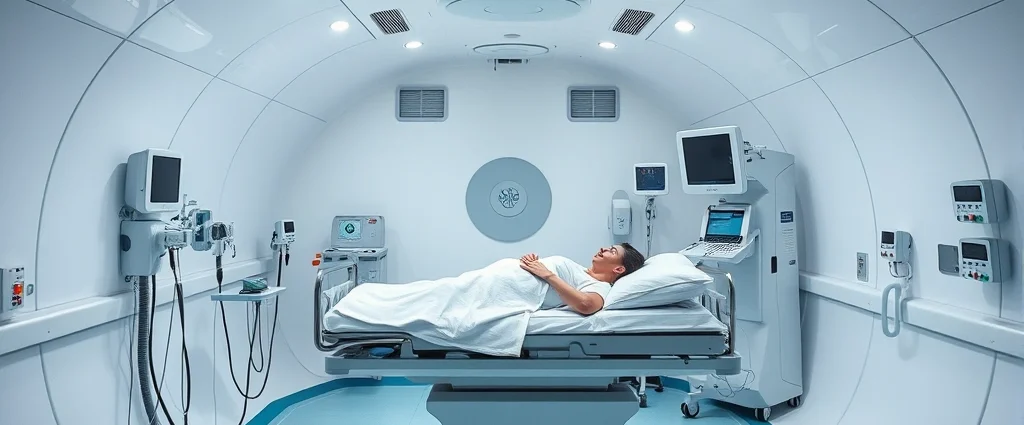
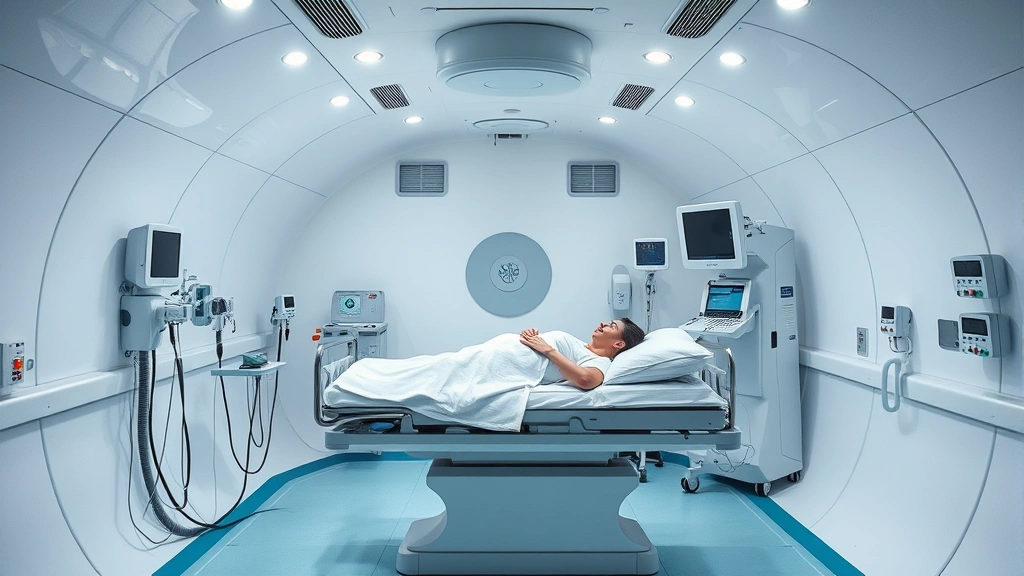
Hyperbaric oxygen therapy operates on a fundamental principle: increasing atmospheric pressure while patients breathe pure oxygen enhances the amount of oxygen dissolved in blood plasma. This hyperoxic state triggers a cascade of physiological responses that extend far beyond the treatment session itself. The therapy typically involves patients entering a pressurized chamber where they breathe 95-100% oxygen at pressures between 2.0 and 3.0 atmospheres absolute (ATA) for 60-120 minutes per session.
The mechanisms responsible for HBOT’s therapeutic effects are multifaceted. Enhanced oxygen availability promotes angiogenesis—the formation of new blood vessels—which can persist long after treatment concludes. Additionally, HBOT stimulates fibroblast activity, accelerating collagen deposition and tissue remodeling. These biological processes don’t simply cease when patients exit the chamber; rather, they continue unfolding over subsequent days and weeks, contributing to sustained improvements in wound healing and tissue repair.
Research published in peer-reviewed medical journals demonstrates that HBOT also modulates inflammatory responses and enhances mitochondrial function. These cellular-level changes create a therapeutic window that extends considerably beyond individual sessions. Understanding these mechanisms helps explain why some HBOT benefits appear to accumulate and persist, while others may gradually diminish without continued treatment.

Duration of HBOT Effects by Condition
The longevity of HBOT effects depends critically on the specific condition being treated. Chronic wounds, diabetic foot ulcers, and radiation tissue injuries demonstrate some of the most durable responses to hyperbaric oxygen therapy.
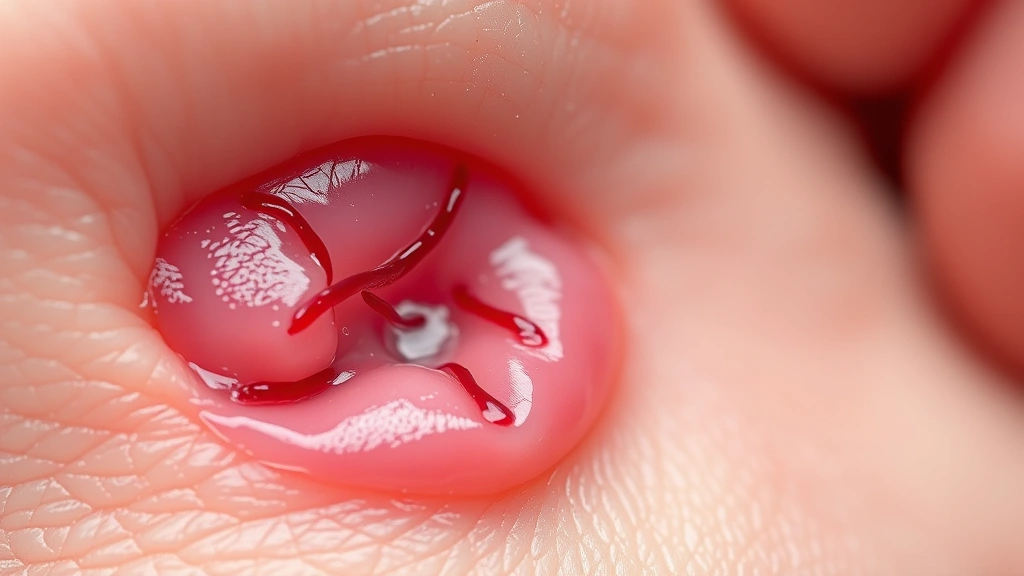
Chronic Wounds and Diabetic Foot Ulcers: Patients with chronic wounds often experience healing improvements that persist indefinitely following a complete HBOT protocol. Clinical studies indicate that approximately 70-80% of diabetic foot ulcers show sustained healing benefits 6-12 months after completing a standard 40-session treatment course. The angiogenic response initiated during therapy continues supporting tissue perfusion long-term, provided patients maintain appropriate wound care and diabetes management.
Radiation Tissue Injury: Osteoradionecrosis and soft tissue radiation injuries frequently demonstrate durable responses lasting years. Patients treated with HBOT for radiation-induced complications often maintain improved bone and soft tissue integrity indefinitely, as the neovascularization process permanently enhances tissue oxygenation in previously compromised areas.
Decompression Sickness: Acute decompression sickness typically responds dramatically to HBOT, with neurological and physiological improvements often permanent after appropriate treatment. However, some patients with persistent symptoms may require additional sessions weeks or months later.
Carbon Monoxide Poisoning: Acute carbon monoxide poisoning treatment with HBOT produces lasting cognitive and neurological improvements in most cases. The duration of effects typically remains stable, though some patients experience delayed neurological complications requiring additional therapy weeks after the acute poisoning event.
Bone Infections and Osteomyelitis: Chronic osteomyelitis treatment with HBOT combined with surgical intervention often produces durable remission lasting years or indefinitely. The enhanced oxygenation supports antibiotic efficacy and immune function, creating conditions for sustained infection control.
Factors Influencing Treatment Longevity
Multiple interconnected factors determine how long HBOT effects persist in individual patients. Age represents a significant variable; younger patients typically demonstrate more robust and durable angiogenic responses compared to elderly individuals. Comorbid conditions including diabetes, peripheral vascular disease, and immunosuppression substantially impact treatment outcomes and durability.
Smoking status critically influences HBOT effectiveness and longevity. Active smokers demonstrate significantly shorter-lasting benefits due to nicotine’s vasoconstrictive effects counteracting therapy-induced neovascularization. Patients who quit smoking during or before HBOT protocols experience markedly improved and more durable treatment responses.
Nutritional status profoundly affects tissue healing capacity and HBOT outcomes. Patients with adequate protein intake, micronutrient levels, and overall nutritional support demonstrate superior treatment responses with longer-lasting benefits. Conversely, malnutrition substantially compromises HBOT efficacy and durability.
Wound care quality following HBOT completion determines whether initial therapeutic gains persist. Comprehensive wound management, infection prevention, pressure relief, and appropriate dressing protocols significantly extend treatment benefits. Patients receiving suboptimal wound care may experience benefit erosion despite successful HBOT completion.
Treatment protocol adherence and session completeness influence outcome durability. Patients completing full prescribed treatment courses (typically 30-40 sessions) demonstrate superior long-term results compared to those completing abbreviated protocols. The cumulative effect of multiple sessions creates more robust physiological adaptations.
Clinical Evidence and Research Findings
Extensive clinical research provides compelling evidence regarding HBOT treatment duration. The Cochrane Database of Systematic Reviews includes multiple meta-analyses documenting HBOT’s effectiveness across various conditions. A comprehensive systematic review examining diabetic foot ulcers found that HBOT significantly improved healing rates, with 71% of treated patients achieving complete ulcer healing compared to 56% receiving standard care alone.
Longitudinal studies tracking patients 12-24 months post-HBOT reveal sustained improvements in most conditions. Research from hyperbaric medicine specialists demonstrates that angiogenic changes induced by HBOT persist substantially longer than the initial treatment period. Vascular imaging studies show that new vessel formation established during therapy remains evident years after treatment completion.
A landmark study published in the New England Journal of Medicine examining radiation injury treatment documented sustained tissue improvement and symptom resolution lasting 5+ years following HBOT completion. These findings suggest that permanent physiological changes occur during therapy, not merely temporary oxygenation enhancement.
Research examining the molecular mechanisms reveals that HBOT-induced gene expression changes persist beyond the acute treatment period. Enhanced expression of angiogenic factors, growth hormones, and anti-inflammatory cytokines continues for weeks following treatment cessation, explaining the sustained therapeutic effects observed clinically.
Maintenance Protocols and Long-Term Management
While many patients experience durable HBOT benefits without additional treatment, certain conditions benefit from maintenance protocols. Patients with chronic wounds at high recurrence risk may benefit from periodic “booster” sessions—typically 5-10 sessions annually—to reinforce angiogenic responses and maintain optimal tissue oxygenation.
Maintenance HBOT protocols are particularly relevant for patients with recurrent diabetic foot ulcers despite excellent glycemic control, chronic radiation tissue complications, or refractory osteomyelitis. These maintenance sessions cost substantially less than initial treatment courses while potentially preventing expensive complications and hospitalizations.
The decision to implement maintenance protocols should reflect individual risk factors, condition severity, and treatment response patterns. Some patients never require additional sessions after completing initial protocols, while others benefit significantly from periodic reinforcement. Healthcare providers specializing in physical therapy and rehabilitation can help coordinate comprehensive management strategies incorporating HBOT with other therapeutic modalities.
Complementary approaches enhance HBOT durability. Combining hyperbaric oxygen therapy with appropriate conventional wound care, vascular interventions, surgical debridement, and infection management optimizes outcomes and extends treatment benefits. Patients receiving integrated, multidisciplinary care demonstrate superior long-term results compared to those receiving HBOT alone.
Comparing HBOT to Other Therapies
Understanding HBOT’s duration relative to alternative therapies provides valuable perspective. Compared to red light therapy benefits which typically require ongoing sessions for sustained effects, HBOT often produces more durable improvements requiring less frequent maintenance. However, HBOT involves greater time commitment and expense initially.
Conventional wound care alone, while essential, typically produces slower healing with higher recurrence rates compared to HBOT-augmented protocols. Topical growth factors and advanced dressings provide temporary benefits but lack HBOT’s systemic physiological effects supporting sustained healing.
Pharmacological interventions for conditions like radiation injury or chronic wounds typically require indefinite continuation, whereas HBOT often produces time-limited treatment needs. This distinction carries significant implications for long-term patient burden and healthcare costs.
Surgical interventions including vascular reconstruction procedures may produce durable results similar to HBOT but involve substantial operative risks and recovery periods. Combining surgical approaches with HBOT often optimizes outcomes while reducing revision surgery requirements.
Patient Outcomes and Real-World Data
Real-world patient experiences generally align with clinical research findings. Patient registries tracking thousands of HBOT recipients document sustained functional improvements, reduced symptom burden, and maintained healing across extended follow-up periods. Satisfaction surveys consistently show that patients value HBOT’s durable benefits and reduced long-term medication requirements.
Quality of life improvements following HBOT often persist indefinitely. Patients with chronic wounds achieving complete healing maintain functional mobility and independence years after treatment completion. Individuals treated for radiation injuries report sustained symptom relief and tissue integrity preservation across decades.
Economic analyses demonstrate that HBOT’s durable benefits justify initial treatment investment. Reduced complication rates, decreased hospitalizations, and avoided amputations generate substantial healthcare cost savings that compound over years. A patient who avoids lower extremity amputation through successful HBOT saves hundreds of thousands of healthcare dollars over their lifetime.
Occupational and functional outcomes reflect HBOT’s lasting impact. Patients returning to work following successful HBOT treatment for chronic wounds or radiation injuries typically maintain employment sustainability. This contrasts with conditions requiring ongoing pharmacological or procedural management, where persistent symptomatology may limit vocational capacity.
Professional careers in occupational therapy assistant jobs and speech therapy positions increasingly incorporate HBOT coordination and patient education as healthcare systems recognize therapy’s value in comprehensive rehabilitation programs.
FAQ
How long does it take to see HBOT results?
Most patients begin experiencing noticeable improvements within 10-20 sessions, though optimal results typically require 30-40 sessions. Some conditions show immediate response, while others require several weeks of treatment before significant changes become apparent. Chronic wounds often demonstrate progressive improvement throughout treatment, with accelerating healing rates as sessions accumulate.
Do HBOT effects fade over time?
HBOT effects demonstrate variable persistence depending on condition and individual factors. Acute conditions like decompression sickness typically show permanent improvement. Chronic conditions may show gradual benefit erosion if underlying disease processes continue unchecked, though many patients maintain substantial improvements indefinitely. Maintenance protocols can prevent benefit diminishment in high-risk patients.
Can HBOT benefits be extended with maintenance therapy?
Yes, periodic maintenance sessions can extend and reinforce HBOT benefits, particularly for chronic conditions at recurrence risk. Maintenance protocols typically involve 5-10 sessions annually, substantially less than initial treatment courses. The decision to pursue maintenance therapy should reflect individual risk factors and treatment response patterns.
What conditions show the longest-lasting HBOT benefits?
Radiation tissue injuries, chronic osteomyelitis, and diabetic foot ulcers demonstrate the most durable HBOT responses, often lasting years or indefinitely. Acute decompression sickness and carbon monoxide poisoning typically show permanent neurological improvement. Conditions with ongoing underlying disease processes may show more gradual benefit erosion without continued treatment and disease management.
How do lifestyle factors affect HBOT outcome duration?
Smoking cessation, optimal glycemic control, appropriate wound care, adequate nutrition, and infection prevention substantially extend HBOT benefits. Conversely, continued smoking, poor disease control, and inadequate self-care accelerate benefit erosion. Patient adherence to post-treatment lifestyle modifications critically determines long-term treatment success.
Should I pursue HBOT if benefits might not be permanent?
HBOT’s value extends beyond permanent cure; the therapy often prevents serious complications, accelerates healing, and improves function substantially. Even time-limited benefits justify treatment when alternatives involve greater morbidity or expense. Many patients experience life-changing improvements from HBOT despite potential long-term benefit variation, making treatment worthwhile despite uncertain permanence.