How Long Does HBOT Last? Expert Insights on Hyperbaric Oxygen Therapy Duration
Hyperbaric oxygen therapy (HBOT) has gained significant attention in recent years as a potential treatment for various medical conditions, from wound healing to neurological recovery. However, one of the most common questions patients ask is: how long do the effects of hyperbaric oxygen therapy actually last? Understanding the duration and longevity of HBOT benefits requires examining the science behind the treatment, individual patient factors, and the specific conditions being treated.
The answer isn’t straightforward because HBOT’s effectiveness and duration depend on multiple variables including the condition being treated, the number of sessions completed, individual physiology, and post-treatment care. Some patients experience lasting benefits that extend months or even years, while others may require periodic maintenance sessions. This comprehensive guide explores the evidence-based timeline of HBOT effects and what you can expect from this specialized therapy.
Understanding Hyperbaric Oxygen Therapy Basics
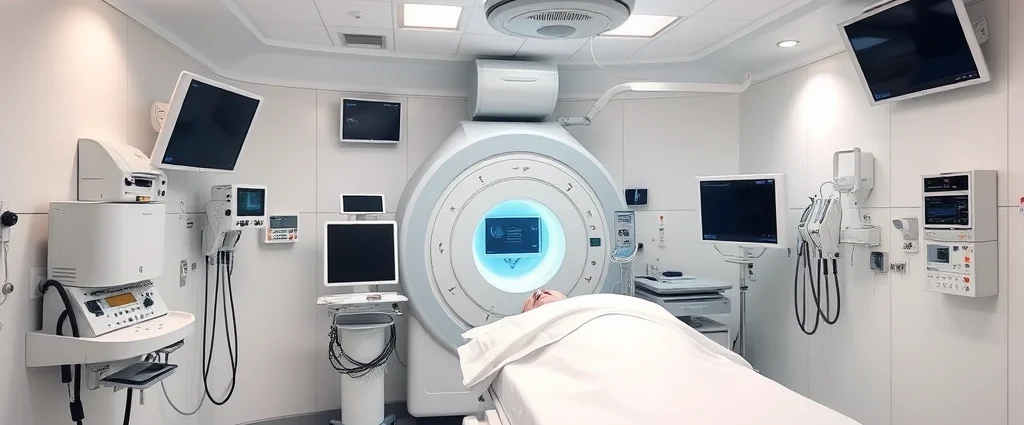
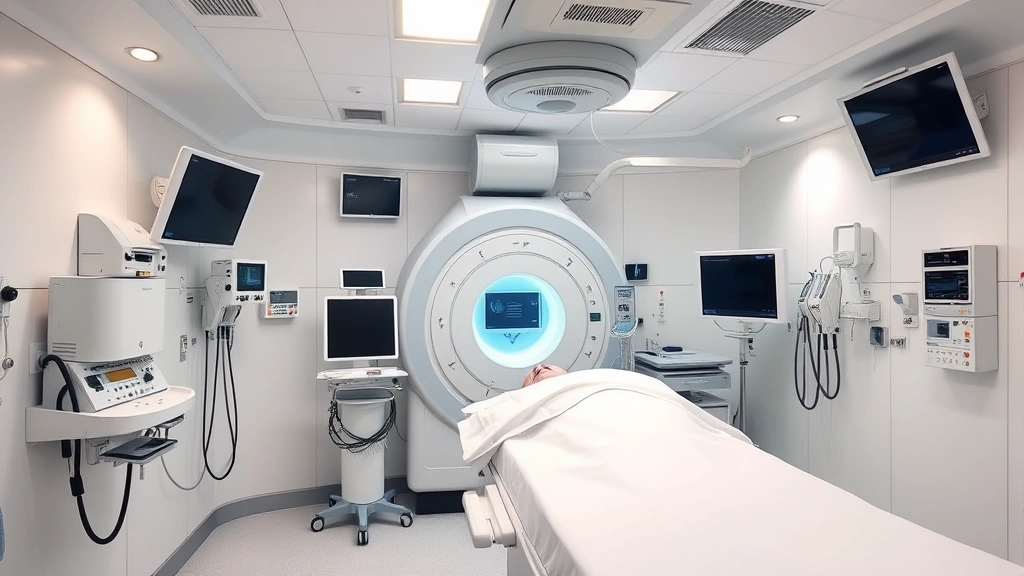
Hyperbaric oxygen therapy involves breathing pure oxygen in a pressurized chamber, typically at 2.4 to 3.0 atmospheres absolute (ATA). This increased pressure allows your lungs to gather more oxygen than would be possible when breathing pure oxygen at normal atmospheric pressure. The oxygen then dissolves into your blood plasma, reaching tissues that may be oxygen-deprived due to injury, infection, or disease.
The mechanism works through several biological pathways. First, the increased oxygen availability promotes angiogenesis (the formation of new blood vessels), which improves circulation to damaged tissues. Second, HBOT stimulates the production of growth factors and stem cells that facilitate tissue repair and regeneration. Third, the therapy enhances the immune system’s ability to fight infections by improving white blood cell function. Understanding these mechanisms helps explain why HBOT effects can persist beyond the actual treatment sessions.
According to research from the National Center for Biotechnology Information, HBOT’s effects involve complex biochemical changes that continue after treatment ends, contributing to its lasting benefits.

Timeline of HBOT Effects
The timeline for experiencing and sustaining HBOT benefits follows a predictable pattern for most patients, though individual variation is common.
Immediate Effects (During and Immediately After Sessions): Patients often report feeling energized or experiencing improved clarity during their first sessions. Oxygen saturation increases immediately, and some people notice reduced pain or improved wound appearance within the first few sessions.
Short-Term Benefits (Weeks 1-4): As you complete your initial course of therapy—typically 20-40 sessions depending on your condition—cumulative benefits become apparent. Wounds may show visible healing progress, inflammation typically decreases, and patients often report improved energy levels. This is when the angiogenesis process becomes most active, with new blood vessels forming in treated areas.
Medium-Term Benefits (Months 2-6): The most significant improvements often occur during this window. Tissue repair accelerates as new blood vessels become fully functional. Neurological improvements in stroke or traumatic brain injury patients frequently become evident during this period. Many patients experience their peak benefits around the 3-4 month mark following treatment completion.
Long-Term Effects (6+ Months): For many conditions, benefits plateau and remain stable for months or even years. The structural improvements in tissue—including new blood vessel networks and enhanced cellular function—tend to persist as long as you maintain good overall health and follow post-treatment recommendations.
Factors Affecting Duration of Benefits
Several critical factors determine how long HBOT effects last for individual patients:
Age and Overall Health: Younger patients with fewer comorbidities typically experience longer-lasting benefits. Patients in poor general health may see benefits fade more quickly as their bodies struggle to maintain the improvements. Age-related cellular changes can affect how long the therapy’s benefits persist, though age alone doesn’t preclude positive long-term outcomes.
Severity and Duration of the Original Condition: Chronic conditions that have persisted for years may require more sessions and take longer to show lasting improvement than acute injuries. A patient with a chronic non-healing wound may need 40-60 sessions with benefits potentially lasting 1-2 years, while someone with an acute wound might achieve lasting results with 20-30 sessions.
Compliance with Treatment Protocol: Completing the full recommended course of HBOT is crucial. Patients who miss sessions or discontinue treatment prematurely often experience shorter-lasting benefits. Research indicates that treatment adherence directly correlates with outcome duration.
Post-Treatment Lifestyle and Care: How you care for yourself after HBOT significantly impacts benefit duration. Maintaining good wound care, staying active, managing stress, and following medical recommendations all extend the therapy’s effects. This connects to broader concepts discussed in our article on does therapy work and effectiveness, where comprehensive lifestyle integration matters.
Underlying Metabolic Factors: Patients with diabetes, poor circulation, or immune system disorders may see benefits fade faster. Conversely, patients who optimize their metabolic health through diet, exercise, and stress management often maintain benefits longer.
Concurrent Medications and Treatments: Certain medications can interfere with HBOT’s effects, while others enhance them. Chemotherapy, steroids, and some antibiotics can affect oxygen utilization at the cellular level. Coordinating HBOT with other treatments optimizes results and duration.
Condition-Specific Duration Outcomes
Different medical conditions show varying timelines for HBOT benefit duration:
Chronic Wounds and Diabetic Ulcers: For non-healing wounds, HBOT effects often last 6-24 months after treatment completion. Studies show that approximately 60-80% of patients who achieve wound closure maintain that closure for at least one year. However, patients with diabetes may require periodic maintenance sessions every 6-12 months.
Radiation Tissue Damage: HBOT benefits for radiation-induced injuries tend to be among the most durable. Patients often experience lasting improvement for 2-5 years or longer. The regenerated blood vessel networks in irradiated tissue remain functional long-term, making this one of HBOT’s most evidence-supported applications.
Traumatic Brain Injury and Stroke: Neurological improvements from HBOT can persist for years, though the timeline varies significantly. Some patients experience continuous improvement for 12-18 months post-treatment, while others plateau after 3-6 months. Brain plasticity and neurological reorganization continue long after treatment ends, potentially extending benefits indefinitely.
Carbon Monoxide Poisoning: HBOT effects for acute carbon monoxide poisoning are typically immediate and permanent if treatment occurs within the critical window. However, delayed neurological symptoms can emerge months later, sometimes requiring additional sessions.
Bone Infections (Osteomyelitis): For chronic bone infections, HBOT benefits often last indefinitely when combined with appropriate antibiotics and surgical intervention. The improved oxygen delivery prevents infection recurrence, with success rates exceeding 80% at 5-year follow-up.
Maintenance and Sustaining Results
For many patients, maintaining HBOT benefits doesn’t require ongoing treatment. However, certain situations warrant maintenance HBOT sessions:
Periodic Booster Sessions: Some patients benefit from 5-10 booster sessions every 6-12 months, particularly those with chronic conditions or recurrent problems. These sessions help sustain the biological improvements achieved during the initial course.
Lifestyle Optimization: The most effective way to sustain HBOT benefits involves comprehensive lifestyle management. This includes maintaining healthy weight, controlling blood sugar if diabetic, staying physically active, managing stress, and avoiding smoking. These factors are discussed extensively in our resource on therapy resources and information.
Nutritional Support: Adequate protein, micronutrients (especially zinc, vitamin C, and B vitamins), and hydration support ongoing tissue healing. Patients who maintain excellent nutrition often see benefits persist longer than those with poor dietary habits.
Wound Care Protocols: For patients treated for wounds, meticulous ongoing care prevents recurrence. Regular monitoring, appropriate dressing changes, and early intervention for any signs of deterioration help maintain the improvements HBOT achieved.
Cardiovascular Health: Since HBOT’s benefits depend on vascular function, maintaining cardiovascular health through exercise and appropriate medications extends the therapy’s effects. Poor cardiovascular health can gradually diminish the improvements gained from HBOT.
Scientific Evidence on Long-Term Effects
Substantial clinical evidence supports HBOT’s lasting benefits for specific conditions. The Journal of the American Osteopathic Association published comprehensive reviews documenting long-term outcomes across multiple conditions.
Research from PubMed Central reveals that HBOT’s cellular effects—including angiogenesis, fibroblast activation, and immune enhancement—persist long after treatment concludes. The newly formed blood vessels don’t simply disappear; they become integrated into the tissue’s vascular network.
A landmark study examining patients five years post-HBOT found that 70-75% of those who achieved initial improvement maintained significant benefit. The most important predictor of long-term success was whether patients had achieved complete resolution of their primary problem by the end of treatment.
The durability of benefits relates to how thoroughly HBOT addresses the underlying pathology. For conditions where HBOT removes the primary obstacle to healing (like improving oxygen delivery to hypoxic tissue), benefits tend to be permanent. For conditions where HBOT provides temporary enhancement that other factors can reverse, benefits may fade without maintenance.
Comparing HBOT with Other Therapies
Understanding HBOT’s duration requires comparison with alternative treatments. Unlike medications that must be taken continuously, HBOT provides time-limited treatment with potentially indefinite benefits. This differs markedly from red light therapy for back pain, which often requires ongoing sessions, or pharmaceutical interventions requiring continuous use.
HBOT vs. Physical Therapy: Physical therapy typically requires ongoing sessions to maintain benefits, while HBOT provides a defined treatment course with lasting results. However, combining both approaches optimizes outcomes. Understanding physical therapy cost and insurance coverage helps patients plan comprehensive treatment strategies that integrate HBOT with complementary therapies.
HBOT vs. Surgical Intervention: Surgery provides permanent structural changes but carries risks. HBOT stimulates the body’s natural healing mechanisms, often eliminating the need for surgery. When surgery is necessary, HBOT can enhance post-operative healing and reduce complications.
HBOT vs. Pharmaceutical Treatments: Many medications provide temporary symptom relief requiring continuous use. HBOT addresses underlying tissue pathology, potentially providing permanent improvement without ongoing medication dependence. This represents a fundamental difference in therapeutic approach.
For patients considering CBT for generalized anxiety disorder or other psychological treatments, HBOT may complement these approaches when physical health limitations contribute to psychological distress.
Frequently Asked Questions
How long does HBOT take to show results?
Most patients notice initial improvements within 10-20 sessions, though significant changes often require 30-40 sessions. Some conditions show immediate benefits, while neurological conditions may take 60+ sessions to demonstrate meaningful improvement.
Can HBOT effects be permanent?
Yes, for many conditions, HBOT effects can be permanent. Once tissues are adequately healed and new blood vessel networks are established, benefits often persist indefinitely. However, this depends on maintaining good overall health and avoiding conditions that could reverse the improvements.
Do I need maintenance HBOT sessions indefinitely?
Most patients don’t require ongoing HBOT after completing their initial course. However, some individuals with chronic conditions benefit from periodic booster sessions every 6-12 months. Your physician can recommend whether maintenance treatment is appropriate for your specific situation.
What happens if I stop HBOT treatment early?
Stopping treatment prematurely typically results in incomplete benefits that may fade over weeks to months. The biological improvements require a minimum threshold of treatment sessions to become stable and lasting. Discontinuing early often means the improvements don’t persist long-term.
How can I extend the benefits of HBOT?
Maintain excellent overall health through proper nutrition, regular exercise, stress management, and adherence to medical recommendations. Avoid smoking and excessive alcohol, manage chronic diseases effectively, and follow any specific post-treatment protocols recommended by your healthcare provider.
Does age affect how long HBOT benefits last?
Age can influence benefit duration, with younger patients typically experiencing longer-lasting improvements. However, older patients can still achieve durable benefits, especially if they maintain good overall health and follow post-treatment recommendations diligently.
Can HBOT benefits return after fading?
In some cases, yes. If benefits fade due to new injury or deteriorating health rather than HBOT failure, additional treatment courses can restore improvement. However, if the original condition recurs due to ongoing pathology, additional HBOT may be necessary.
What conditions have the most lasting HBOT benefits?
Radiation tissue injury, chronic bone infections, and acute wounds typically show the most durable benefits. Neurological conditions also often provide lasting improvement, though the timeline may be longer than for other conditions.