Does Horse Massage Improve Mental Health? Expert Insights
The intersection of equine therapy and mental wellness has emerged as a compelling area of therapeutic practice, with horse massage therapy gaining recognition among mental health professionals. While most people associate massage with physical relaxation, the psychological benefits of interacting with horses during massage sessions extend far beyond simple muscle tension relief. This article explores the scientific evidence, expert perspectives, and practical applications of horse massage therapy as a tool for improving mental health outcomes.
Horse massage therapy represents a unique therapeutic modality that combines the physiological benefits of massage with the emotional and psychological rewards of human-animal interaction. The practice has roots in both traditional equine care and modern therapeutic psychology, creating a bridge between veterinary medicine and mental health treatment. Understanding how this specialized form of therapy works requires examining the biological mechanisms, psychological principles, and real-world applications that make it effective for many individuals seeking alternative or complementary mental health interventions.
What Is Horse Massage Therapy?
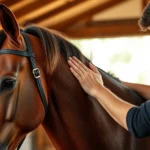
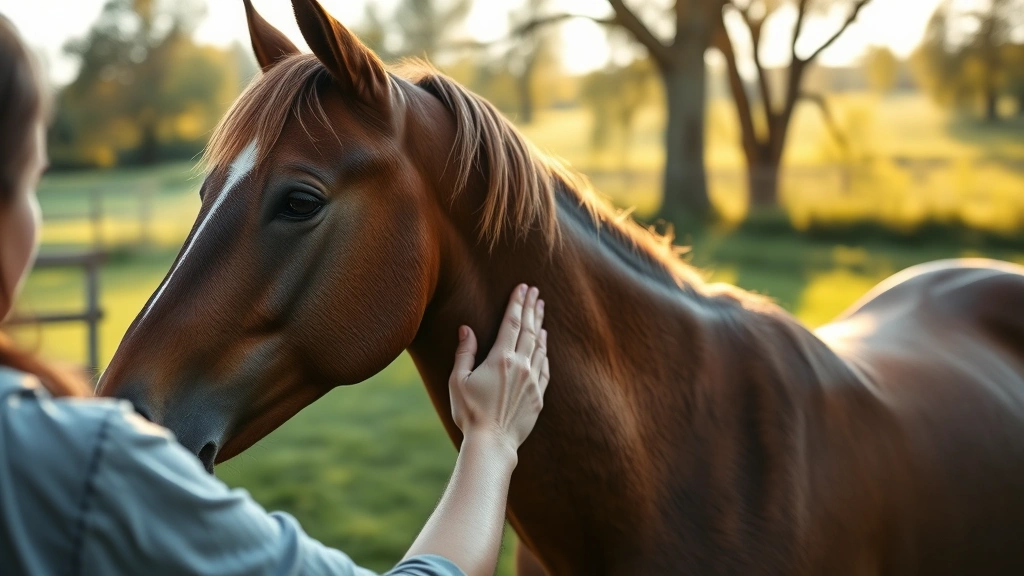
Horse massage therapy is a specialized therapeutic practice that involves massage techniques applied to horses while clients participate in or observe the process. Unlike traditional equine massage, which focuses primarily on the horse’s physical health and athletic performance, therapeutic horse massage emphasizes the psychological and emotional benefits for human participants. The practice typically occurs in a calm, structured environment where individuals can interact with trained therapy horses while learning about equine anatomy, physiology, and the massage process itself.
The therapeutic protocol generally includes several key components: pre-session consultation to understand the client’s mental health goals, education about horse behavior and body language, hands-on experience with massage techniques under professional guidance, and post-session reflection and processing. This multifaceted approach distinguishes horse massage therapy from casual horse interaction or standard massage therapy. Practitioners often incorporate principles from evidence-based therapy approaches to maximize the psychological benefits clients receive.
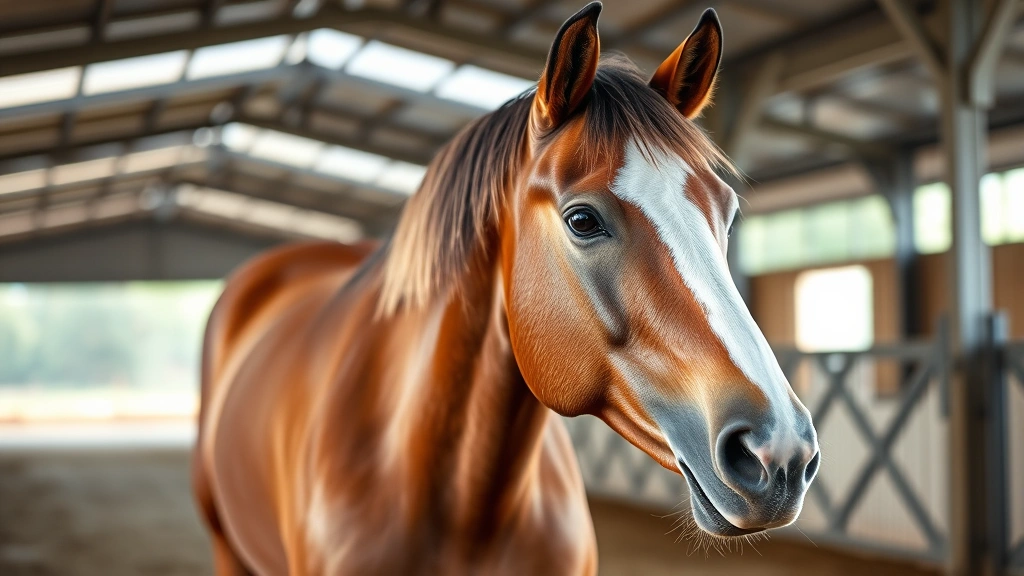
The horses used in therapeutic settings are specifically selected for their temperament, training, and ability to remain calm during extended human interaction. These animals are not performing tricks or following rigid protocols; instead, they provide genuine companionship and serve as mirrors for human emotional states. The sensory experience of touching a horse’s warm coat, feeling its breathing, and observing its responses creates a grounding, present-moment awareness that has profound implications for mental health.
The Science Behind Animal-Assisted Therapy
Animal-assisted therapy has garnered substantial scientific support over the past two decades, with numerous peer-reviewed studies documenting measurable improvements in mental health outcomes. The mechanisms underlying these benefits operate at multiple biological and psychological levels. When humans interact with animals, particularly in structured therapeutic contexts, several neurochemical and physiological changes occur simultaneously.
Research from the American Psychological Association has demonstrated that animal interaction increases oxytocin levels, often called the “bonding hormone.” This neurochemical plays a crucial role in stress reduction, anxiety management, and fostering feelings of trust and connection. Simultaneously, cortisol levels—the primary stress hormone—decrease during positive animal interactions. These biochemical shifts create a measurable physiological state conducive to emotional healing and psychological growth.
The vagus nerve, a critical component of the parasympathetic nervous system, responds positively to animal contact. Activation of the vagus nerve promotes what researchers term the “rest and digest” response, countering the sympathetic nervous system’s “fight or flight” activation that characterizes anxiety and trauma responses. Horse massage therapy, by combining gentle touch with animal presence, creates optimal conditions for vagal activation and nervous system regulation. Studies published in PubMed Central have consistently shown these physiological markers improve during animal-assisted interventions.
Beyond neurochemistry, the psychological mechanisms are equally important. Horses are highly perceptive animals that respond authentically to human emotional states. This genuine responsiveness creates what therapists call “immediate feedback,” allowing clients to observe how their emotional presence affects another living being. This feedback loop facilitates greater self-awareness and can catalyze significant psychological insights during therapeutic work.
Mental Health Benefits of Horse Massage
The mental health benefits documented in individuals participating in horse massage therapy span multiple diagnostic categories and symptom presentations. Anxiety reduction represents one of the most frequently reported and measurable benefits. The combination of rhythmic massage movements, equine warmth, and the calming presence of the horse creates a multisensory experience that naturally reduces physiological arousal markers associated with anxiety disorders.
Depression symptom reduction has also been documented in research examining animal-assisted therapeutic interventions. The social engagement inherent in horse massage sessions—whether interacting with the therapist, the horse, or other group participants—addresses the social withdrawal and isolation that often characterize depressive episodes. Additionally, the sense of purpose and competence gained from learning to perform massage techniques and successfully interact with a large animal can significantly boost self-efficacy and mood.
Trauma processing represents another area where horse massage therapy shows particular promise. Individuals with post-traumatic stress disorder often experience hypervigilance and difficulty trusting others. The non-threatening, predictable nature of horses, combined with the grounding effects of massage, creates a safe context for trauma processing. Horses’ inability to judge or shame humans makes them particularly valuable for trauma survivors who may experience shame or fear of judgment in traditional therapy settings.
Stress management improvements extend beyond acute anxiety to encompass overall stress resilience. Regular participation in horse massage therapy sessions helps individuals develop coping strategies and builds what researchers call “psychological flexibility”—the ability to navigate life challenges while maintaining emotional equilibrium. The mindfulness naturally cultivated during hands-on massage work with horses translates into improved stress management across all life domains.
Emotional regulation—the ability to identify, understand, and manage emotions effectively—improves through horse massage therapy participation. Horses mirror emotional states and respond to subtle shifts in human energy and intention. This creates a powerful learning environment where clients develop enhanced emotional awareness and greater capacity to modulate their own emotional responses.
How Horse Massage Sessions Work
A typical horse massage therapy session follows a structured format designed to maximize therapeutic benefit. Sessions usually last between 60 to 90 minutes and begin with a grounding exercise or brief meditation to help participants transition from their daily stress into a therapeutic mindset. The facilitator explains the session’s structure and establishes safety protocols for working with the therapy horse.
Participants then receive education about the specific horse they’ll be working with, including its history, personality, and any behavioral quirks. This educational component builds confidence and creates a sense of relationship before direct interaction begins. Understanding the horse as an individual rather than simply as a therapeutic tool enhances the authenticity of the connection and deepens the therapeutic impact.
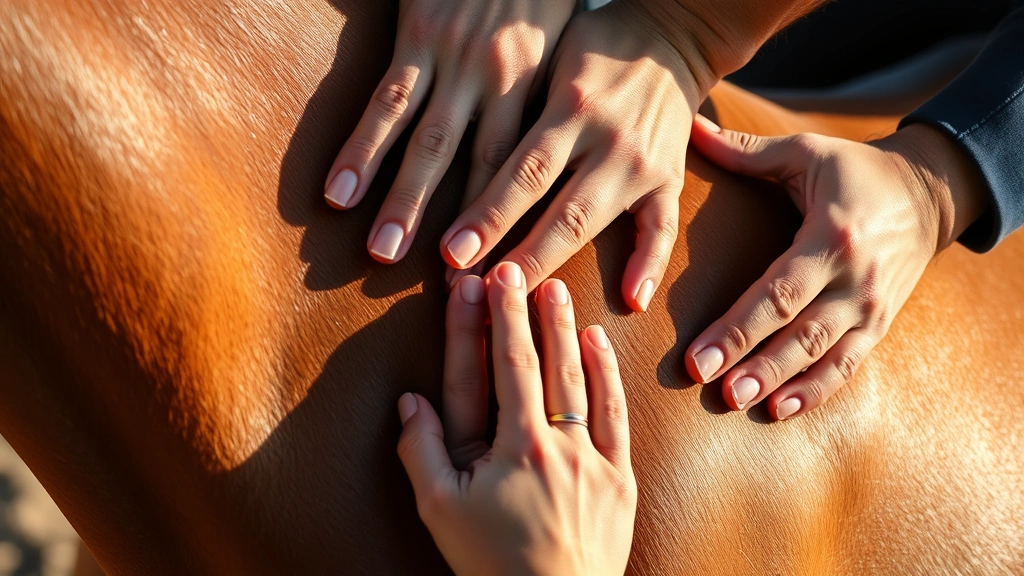
The hands-on massage portion typically involves learning specific techniques applicable to equine anatomy. Participants learn about different muscle groups, pressure points, and massage strokes while applying these techniques to the horse under professional guidance. This educational component serves multiple functions: it provides structure and focus for attention, builds competence and confidence, and creates a legitimate reason for extended physical contact with the animal.
Throughout the session, the therapist guides reflection and processing, helping participants notice their emotional and physical responses to the experience. Observations about how the horse responds to touch, how the participant feels during the massage, and what emotions or thoughts arise during the session become material for psychological exploration. This guided reflection transforms the experience from simple animal interaction into genuine psychotherapy.
Sessions typically conclude with integration time, where participants discuss their experience, insights gained, and connections to their broader mental health goals. This closing component ensures that the benefits of the session extend beyond the immediate experience into lasting psychological change. Many participants find that insights gained during horse massage sessions continue to unfold in the days and weeks following treatment.
Evidence-Based Research Findings
Scientific research examining horse massage therapy and related equine-assisted interventions has produced increasingly robust evidence supporting mental health benefits. A comprehensive review of animal-assisted therapy research published in the journal Anthrozoös found consistent improvements in anxiety, depression, and stress measures across diverse populations. These findings hold particular weight because they represent aggregate data from multiple independent research teams using varied methodologies.
Research conducted at the University of Denver examining equine-assisted therapy for trauma survivors found significant reductions in PTSD symptoms following structured equine interaction protocols. Participants demonstrated improved emotional regulation, decreased hypervigilance, and enhanced interpersonal trust following treatment. These findings suggest that horse-based interventions address core trauma symptoms through mechanisms distinct from traditional talk therapy alone.
Studies examining the physiological mechanisms underlying animal-assisted therapy have documented significant decreases in cortisol levels, blood pressure, and heart rate variability during and following animal interaction sessions. These objective biological markers provide compelling evidence that the mental health benefits aren’t merely subjective or placebo-based, but reflect genuine physiological changes conducive to healing.
Research from the American Psychological Association has increasingly recognized animal-assisted therapy as an evidence-based complementary treatment approach. While not positioned as a replacement for traditional mental health treatment, the research consistently demonstrates additive benefits when animal-assisted interventions complement standard therapeutic protocols. This recognition has led to increased integration of animal-assisted approaches within mainstream mental health settings.
Long-term follow-up studies tracking participants months after completing horse massage therapy programs show sustained improvements in mental health outcomes, suggesting that the benefits extend beyond temporary relief during sessions. This persistence of benefit indicates that genuine psychological and neurobiological changes occur through participation in these programs, rather than temporary distraction or novelty effects.
Comparing Horse Massage to Traditional Therapy
While horse massage therapy offers unique benefits, understanding how it compares to traditional therapeutic approaches helps clarify its appropriate role in comprehensive mental health treatment. Traditional talk therapy approaches excel at cognitive processing, insight development, and skill-building in verbal domains. Therapists trained in evidence-based modalities like cognitive-behavioral therapy provide structured frameworks for addressing specific mental health conditions.
Horse massage therapy, by contrast, operates primarily through non-verbal, somatic, and relational channels. It excels at nervous system regulation, building emotional awareness through body-based experience, and creating safe relational contexts. Rather than competing with traditional therapy, horse massage therapy complements it by addressing dimensions of mental health that talk-based approaches may not fully access.
Many mental health professionals now recommend integrated treatment approaches combining traditional therapy with complementary modalities like horse massage. This integrative stance recognizes that human psychology operates through multiple channels—cognitive, emotional, somatic, relational, and spiritual. Comprehensive mental health treatment addresses all these dimensions. For individuals who find traditional talk therapy insufficient or inaccessible, horse massage therapy offers a valuable alternative pathway to healing.
Cost considerations also differentiate these approaches. While therapy costs vary widely depending on provider credentials and location, horse massage therapy typically falls within similar price ranges as specialized therapeutic services. However, insurance coverage patterns differ, with traditional therapy more likely to be covered by health insurance plans. This financial reality influences accessibility for different populations.
Who Can Benefit Most?
While horse massage therapy can benefit diverse populations, certain groups appear to experience particularly significant benefits. Individuals with anxiety disorders, particularly social anxiety or generalized anxiety disorder, often respond exceptionally well to the grounding and calming effects of equine interaction. The non-judgmental presence of horses addresses core anxiety about social evaluation.
Trauma survivors, including those with PTSD, frequently find horse massage therapy transformative. The safety provided by a predictable, non-threatening animal partner creates conditions for trauma processing that some individuals cannot access in traditional therapeutic settings. The horse’s inability to harm or judge makes it particularly valuable for survivors of interpersonal trauma.
Individuals with depression, particularly those experiencing social withdrawal and anhedonia, benefit from the engagement and purpose inherent in horse massage sessions. The structured activity, social connection, and sense of competence built through learning massage techniques directly counter depressive symptomatology.
Adolescents and young adults often respond enthusiastically to horse massage therapy, particularly those who find traditional therapy alienating or stigmatizing. The novelty and appeal of working with horses engages this population in therapeutic work they might otherwise resist. Adolescents struggling with identity development, peer relationships, or emotional regulation frequently gain valuable insights through equine-assisted work.
Individuals in high-stress professions—healthcare workers, military personnel, first responders—increasingly utilize horse massage therapy for stress management and burnout prevention. The efficiency with which equine interaction produces nervous system regulation makes it particularly valuable for individuals with limited time for self-care.
Importantly, horse massage therapy can benefit individuals across the lifespan, from children with behavioral or emotional challenges to elderly individuals seeking meaningful social engagement and stress reduction. The adaptability of equine-assisted interventions allows customization to diverse populations and needs.
Getting Started with Horse Massage Therapy
For individuals interested in exploring horse massage therapy, several practical considerations influence successful engagement. First, locate qualified practitioners in your area. Look for therapists with credentials in both mental health (licensed counselor, social worker, psychologist, or psychiatrist) and equine-assisted therapy certification. Organizations like the Professional Association of Therapeutic Horsemanship International maintain directories of certified practitioners.
Before committing to a full program, schedule a consultation with potential practitioners. Discuss your specific mental health goals, any concerns about working with horses, and the practitioner’s approach to treatment. A good therapeutic fit significantly influences outcomes, so take time to find a provider whose philosophy and style resonate with you.
Inquire about the specific horses used in the program and their history. Reputable practitioners maintain detailed information about each animal’s temperament, training, and suitability for therapeutic work. The relationship between client and horse matters significantly, so ask whether you’ll work with the same horse consistently or rotate among different animals.
Discuss financial considerations, including session costs, program length, and whether insurance might cover treatment. While some insurance plans cover equine-assisted therapy when provided by licensed mental health professionals, coverage varies widely. Understanding costs upfront prevents surprises and allows for informed decision-making.
Consider whether you prefer individual sessions or group formats. Both offer distinct advantages: individual sessions provide personalized attention and can address specific mental health concerns, while group formats build community and reduce per-session costs. Many programs offer both options.
Start with a trial period, perhaps 4-6 sessions, before committing to longer-term treatment. This allows you to experience the benefits firsthand and assess whether this modality aligns with your therapeutic needs and preferences. Many practitioners offer introductory packages at reduced rates specifically to facilitate this exploration.
Maintain open communication with your primary mental health provider about participation in horse massage therapy. Integrating this complementary approach with your existing mental health treatment maximizes benefits and ensures comprehensive, coordinated care. Share insights and progress from equine-assisted sessions with your therapist or counselor to deepen overall therapeutic work.
FAQ
Is horse massage therapy scientifically proven?
Yes, research supporting animal-assisted therapy and equine-assisted interventions continues to accumulate. Studies consistently document measurable improvements in anxiety, depression, stress, and trauma symptoms. However, research specifically examining horse massage therapy as a distinct modality remains limited compared to broader equine-assisted therapy research. Most evidence comes from related animal-assisted therapy studies, though emerging research directly examines horse massage benefits.
Can horse massage therapy replace traditional mental health treatment?
Horse massage therapy works best as a complement to traditional mental health treatment rather than a replacement. While it offers unique benefits, particularly for nervous system regulation and somatic awareness, it doesn’t provide the cognitive skill-building and structured intervention protocols that evidence-based psychotherapy offers. Integrating both approaches typically produces better outcomes than either alone.
What if I’m allergic to horses?
Individuals with horse allergies can still potentially benefit from equine-assisted therapy by managing allergies through antihistamines or working with practitioners who can minimize allergen exposure. However, the physical contact inherent in massage therapy may be problematic. Discuss allergies thoroughly with practitioners before beginning treatment.
How many sessions are typically needed to see benefits?
Most individuals notice some benefit within 2-4 sessions, though more substantial and lasting improvements typically emerge after 8-12 sessions. The optimal frequency and duration varies based on individual needs, specific mental health concerns, and treatment goals. Discuss expected timelines during your consultation.
Are there any risks or contraindications to horse massage therapy?
Horse massage therapy is generally safe for most individuals. However, those with severe phobias of large animals, uncontrolled behavioral issues that might endanger the horse, or certain physical limitations may need to discuss concerns with practitioners. Always disclose relevant medical and psychological history to ensure safe participation.
How does horse massage differ from just spending time with horses?
While casual horse interaction offers benefits, therapeutic horse massage combines several elements: professional guidance from trained mental health practitioners, structured learning about equine anatomy and behavior, intentional therapeutic framing, guided reflection and processing, and integration of insights into broader mental health goals. These elements transform simple animal interaction into genuine psychotherapy.