Horse Massage Therapy: Benefits Backed by Experts
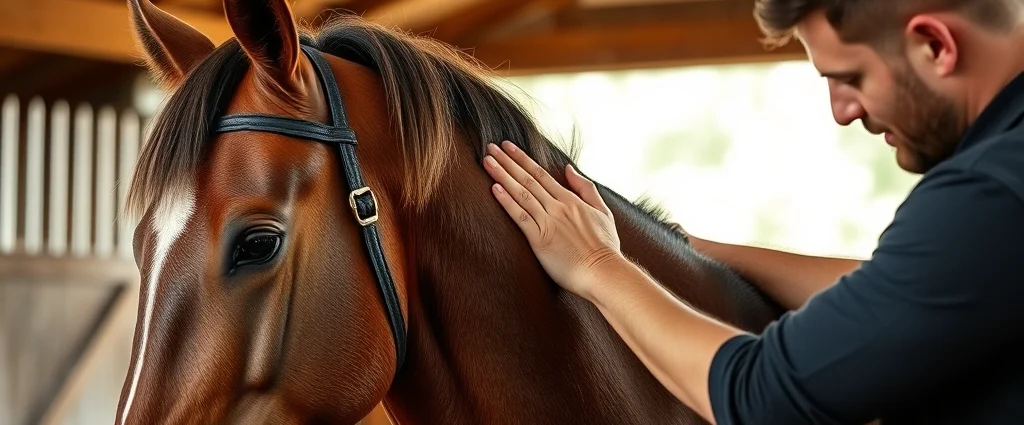
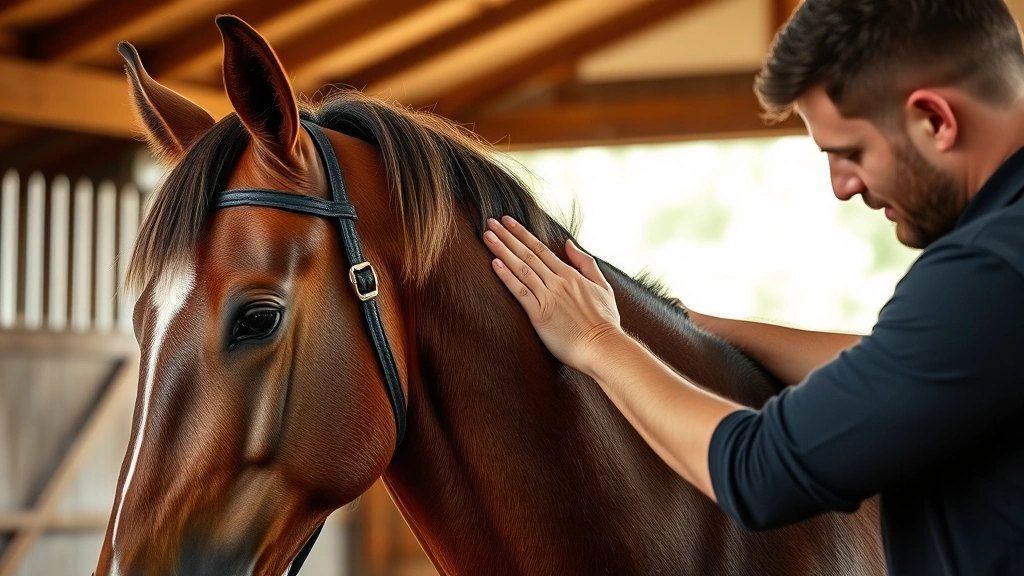
Horse massage therapy has emerged as a scientifically-supported practice that enhances the physical and mental well-being of equines. Whether you own a competitive athlete, a leisure horse, or a therapeutic partner, understanding the benefits of massage can transform your horse’s health and performance. This ancient practice, refined through modern veterinary science, offers measurable improvements in muscle function, circulation, and overall quality of life.
The equine industry has increasingly recognized massage therapy as an essential component of comprehensive horse care. From professional trainers to veterinarians, experts acknowledge that regular massage sessions can prevent injuries, accelerate recovery, and maintain optimal musculoskeletal health. As you explore this comprehensive guide, you’ll discover why equine massage therapy has become standard practice in barns and racing facilities worldwide.
What Is Horse Massage Therapy
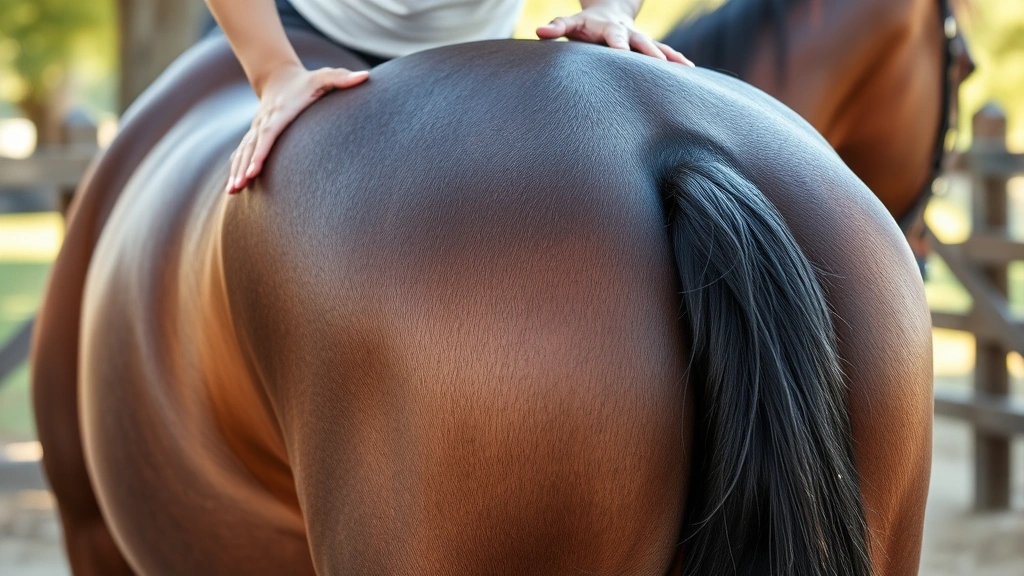
Horse massage therapy involves the systematic manipulation of soft tissues, muscles, and connective structures to improve equine health and function. Unlike human massage, equine massage must account for the unique anatomy and physiology of horses, including their powerful musculature, sensitive nervous system, and behavioral responses to touch. Professional equine massage therapists undergo rigorous training to understand equine anatomy, biomechanics, and the specific pressure points that yield therapeutic benefits.
The practice draws from both traditional knowledge and contemporary sports medicine principles. The American Horse Council recognizes massage therapy as a legitimate complementary treatment alongside veterinary care. When integrated into a comprehensive wellness program that includes physical therapy approaches, equine massage creates synergistic benefits for musculoskeletal health.
Modern equine massage incorporates various methodologies including Swedish massage techniques, deep tissue work, myofascial release, and acupressure. Each approach targets different tissue layers and physiological systems, making massage a versatile tool for addressing diverse equine health challenges. The therapeutic application of pressure, movement, and manipulation stimulates the body’s natural healing mechanisms.
Physical Health Benefits
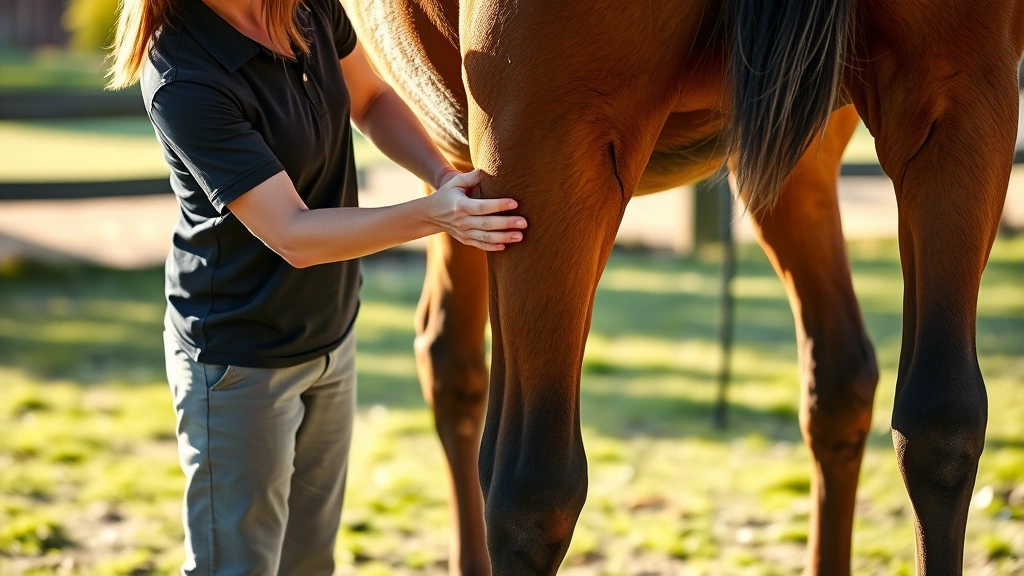
The physical benefits of horse massage therapy extend across multiple body systems. Research demonstrates that regular massage sessions improve circulation, enhance muscle flexibility, and promote faster recovery from strenuous activity. These physiological changes translate directly into better performance, reduced lameness, and improved overall health metrics.
- Enhanced Blood Circulation: Massage increases blood flow to muscles and tissues, delivering oxygen and nutrients while removing metabolic waste products. This improved circulation accelerates healing and reduces inflammation in stressed tissues.
- Muscle Tension Relief: Targeted massage techniques break up muscle knots and adhesions that develop from training, competition, or injury. Releasing this tension restores normal range of motion and prevents compensatory movement patterns.
- Improved Lymphatic Drainage: The lymphatic system removes toxins and excess fluid from tissues. Massage stimulates lymphatic movement, reducing swelling and supporting immune function.
- Joint Mobility Enhancement: By releasing tension in muscles surrounding joints, massage therapy improves flexibility and range of motion. This benefit proves particularly valuable for aging horses or those recovering from joint injuries.
- Faster Recovery: Horses subjected to intense training or competition benefit significantly from post-activity massage. The therapy reduces muscle soreness, accelerates tissue repair, and shortens recovery time between performances.
Studies published in equine veterinary journals confirm that massage therapy produces measurable improvements in muscle flexibility and reduces markers of inflammation. These evidence-based results support the integration of massage into athletic horse programs.
Mental and Behavioral Improvements
Beyond physical benefits, horse massage therapy profoundly impacts equine mental health and behavior. Horses experience stress, anxiety, and emotional tension similar to humans, and massage provides a natural mechanism for tension release and relaxation. Understanding these psychological benefits reveals why massage therapy complements behavioral training and general horse care.
When you apply therapeutic touch, your horse’s nervous system shifts from sympathetic (fight-or-flight) to parasympathetic (rest-and-digest) activation. This shift reduces cortisol levels, lowers heart rate, and promotes deep relaxation. Many horse owners report that their animals become calmer, more responsive, and less reactive after regular massage sessions. Similar to how therapy benefits humans, equine massage creates measurable psychological improvements.
- Stress Reduction: Regular massage sessions lower baseline stress levels, making horses less reactive to environmental stimuli and more confident during training and competition.
- Improved Trust and Bonding: The hands-on nature of massage deepens the human-horse relationship, building trust and improving responsiveness to handling.
- Enhanced Focus: Relaxed horses demonstrate better concentration during training sessions, leading to faster learning and improved performance.
- Reduced Behavioral Issues: Tension-related behavioral problems often improve with regular massage therapy, as physical discomfort frequently underlies unwanted behaviors.
The connection between physical tension and behavioral problems cannot be overstated. A horse experiencing muscle pain or restriction may exhibit behavioral changes that disappear once the underlying physical issue is addressed through massage therapy.
Techniques Used by Professionals
Professional equine massage therapists employ diverse techniques, each serving specific therapeutic purposes. Understanding these methods helps you appreciate the complexity of the practice and recognize qualified practitioners who apply evidence-based approaches.
Swedish Massage Techniques: These foundational methods include effleurage (long, gliding strokes), petrissage (kneading and compression), and friction work. Swedish techniques improve circulation, warm tissues, and prepare muscles for deeper therapeutic work.
Deep Tissue Massage: Therapists apply sustained pressure to address muscle tension deep within the tissue layers. This technique proves particularly effective for chronic tension, muscular knots, and areas of restricted movement. The pressure must be carefully calibrated to therapeutic levels without causing pain or defensive responses.
Myofascial Release: This technique targets the fascia, the connective tissue surrounding muscles and organs. By releasing fascial restrictions, therapists restore normal movement patterns and reduce compensatory tension throughout the body. Myofascial release often produces dramatic improvements in mobility and performance.
Acupressure and Trigger Point Therapy: Based on principles from traditional Chinese medicine and modern neuroscience, acupressure targets specific points that release tension and improve function. Trigger points, when properly identified and treated, provide rapid relief from pain and dysfunction.
Stretching and Range of Motion Work: Skilled practitioners incorporate passive stretching to improve flexibility and joint mobility. This work complements active stretching and strengthening performed during regular training.
Injury Prevention and Recovery
One of the most compelling reasons to implement regular horse massage therapy involves injury prevention and accelerated recovery. By maintaining optimal muscle function and identifying problem areas before they become serious injuries, massage therapy reduces downtime and medical expenses.
Prevention occurs through several mechanisms. Regular massage maintains muscle elasticity and prevents the buildup of tension that predisposes tissues to injury. Therapists can identify subtle changes in muscle quality and tissue texture that indicate emerging problems, allowing early intervention before significant damage occurs. This proactive approach parallels preventive healthcare strategies discussed in comprehensive therapy cost analysis.
For horses recovering from injury or surgery, massage accelerates rehabilitation by promoting blood flow, reducing inflammation, and preventing the development of scar tissue adhesions. Veterinarians increasingly recommend massage as part of structured rehabilitation programs. The therapy improves outcomes and reduces recovery time compared to rest alone.
Specific injury scenarios where massage proves particularly valuable include:
- Strained muscles or tendons
- Ligament injuries and sprains
- Post-surgical rehabilitation
- Chronic lameness with soft tissue components
- Performance-related muscle soreness
- Age-related stiffness and reduced mobility
Research presented at veterinary conferences demonstrates that horses receiving regular massage as part of injury prevention programs experience fewer training-related injuries and faster return to performance compared to control groups.
Finding Qualified Practitioners
Not all individuals offering equine massage possess adequate training and credentials. Finding a qualified practitioner requires understanding certification standards and asking appropriate questions about training and experience.
Certification and Training: Legitimate equine massage therapists complete comprehensive training programs, typically 500-1000 hours of instruction covering anatomy, physiology, pathology, and practical skills. Look for practitioners certified by recognized organizations such as the National Board of Certification for Animal Acupressure and Massage.
Veterinary Collaboration: The best practitioners work closely with veterinarians, understanding that massage complements rather than replaces veterinary care. A qualified therapist will request veterinary clearance before treating horses with significant health issues and will communicate findings to your veterinarian.
Experience and Specialization: Ask about the practitioner’s experience with your horse’s specific breed, discipline, and any existing health conditions. A therapist experienced with dressage horses may have different expertise than one specializing in racing or jumping.
Assessment and Communication: Qualified practitioners perform thorough assessments, discussing your horse’s history, current issues, and goals. They explain findings and recommendations clearly, allowing you to make informed decisions about your horse’s care.
Professional Boundaries: Reputable practitioners understand the scope of massage therapy and don’t claim to diagnose conditions or treat diseases. They recognize when veterinary consultation is necessary and recommend professional evaluation for concerning findings.
When evaluating practitioners, consider their commitment to continuing education, professional memberships, and reputation within the equine community. Ask for references from other horse owners and veterinarians who can attest to their competence and professionalism. Similar to how you would evaluate any healthcare provider, thoroughness in selecting an equine massage therapist ensures your horse receives quality care.
FAQ
How often should horses receive massage therapy?
The frequency depends on your horse’s age, activity level, and health status. Performance horses often benefit from monthly sessions, while pleasure horses might receive massage quarterly. Horses recovering from injury may require weekly sessions. Consult with your veterinarian and massage therapist to develop an appropriate schedule for your specific horse.
Can massage therapy replace veterinary care?
No. Massage therapy complements veterinary care but never replaces professional medical evaluation and treatment. Always consult your veterinarian for lameness, injury, or health concerns. Massage works best as part of a comprehensive care program that includes veterinary oversight.
Is horse massage therapy painful for the horse?
Properly administered massage should not cause pain. Horses may experience mild discomfort during deep tissue work on severely restricted muscles, but skilled therapists adjust pressure to therapeutic levels. Any significant pain indicates improper technique or an underlying condition requiring veterinary attention.
What should I expect during my horse’s first massage session?
The therapist will perform an assessment, discussing your horse’s history and observing movement. The actual massage typically lasts 45-60 minutes. Your horse may appear relaxed or sleepy, and some horses become very still while others shift position. Most horses become increasingly calm with regular sessions.
Can young or senior horses benefit from massage therapy?
Yes. Young horses benefit from massage as part of early training and conditioning programs, promoting proper development and preventing compensatory movement patterns. Senior horses experience significant benefits from improved circulation, reduced stiffness, and enhanced mobility. Age is not a contraindication; rather, massage becomes increasingly valuable throughout a horse’s life.
How does massage therapy relate to other wellness approaches?
Massage integrates well with various therapies and training methods. Similar to how structured therapeutic approaches enhance overall wellness, equine massage complements chiropractic care, acupuncture, proper nutrition, and appropriate exercise programs. The combination creates synergistic benefits exceeding any single intervention.
What conditions specifically benefit from horse massage therapy?
Conditions showing excellent response to massage include muscle tension, reduced flexibility, performance-related soreness, behavioral problems related to physical discomfort, and post-injury rehabilitation. Chronic lameness with soft tissue components often improves significantly with regular massage combined with veterinary treatment.
How can I learn basic massage techniques for my own horse?
Many equine massage practitioners offer workshops teaching basic techniques for horse owners. While professional-level massage requires extensive training, learning fundamental techniques allows you to provide beneficial care between professional sessions. Resources available through equine wellness information sources can guide your learning journey.