Can Green Light Therapy Boost Mood? Expert Insights on Green Light Therapy Benefits
Green light therapy has emerged as a promising non-pharmacological intervention for mood enhancement and mental health support. Unlike traditional approaches, this innovative treatment harnesses specific wavelengths of green light to influence neurological and physiological responses. Recent scientific investigations suggest that green light therapy benefits extend beyond simple illumination, potentially addressing mood disorders, anxiety, and seasonal affective patterns through measurable biological mechanisms.
The growing interest in green light therapy benefits reflects a broader movement toward evidence-based, non-invasive wellness solutions. Mental health professionals and researchers are increasingly examining how light-based therapies can complement existing treatment modalities. This comprehensive guide explores the scientific foundation, practical applications, and expert perspectives on whether green light therapy can genuinely boost mood and improve overall psychological wellbeing.
Understanding Green Light Therapy Mechanisms
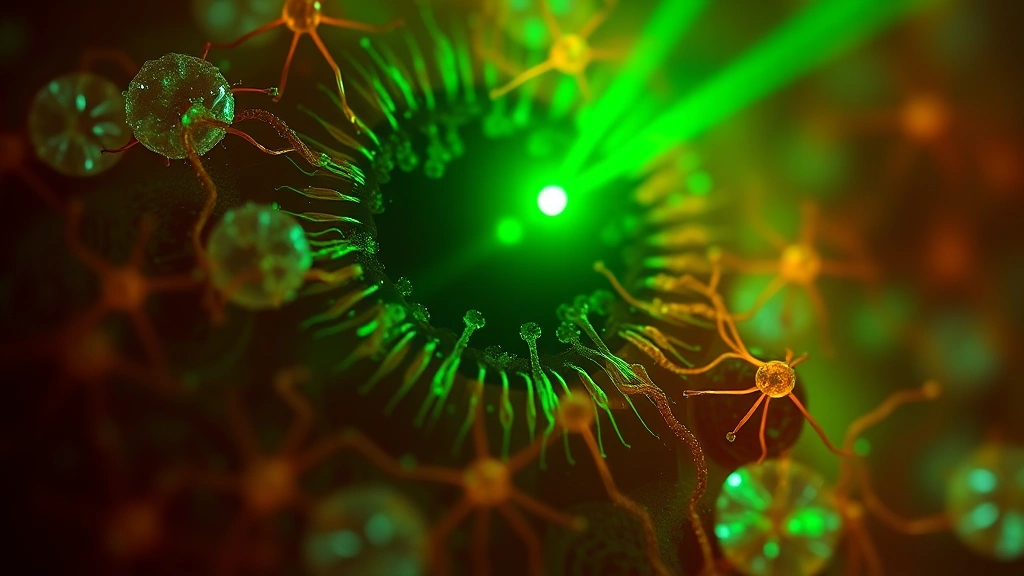
Green light therapy operates through specific wavelengths, typically between 495-570 nanometers, that penetrate retinal tissues and stimulate photoreceptive cells. These specialized cells contain melanopsin, a photosensitive protein crucial for regulating circadian rhythms and mood-related neurotransmitter production. When exposed to green light, these melanopsin-containing cells send signals to the suprachiasmatic nucleus, the brain’s master clock responsible for coordinating hormonal and neurochemical processes.
The mechanism differs fundamentally from blue light therapy, which operates at shorter wavelengths (460-495 nanometers). Green light appears to penetrate deeper into retinal tissues while producing fewer side effects such as eye strain or sleep disruption. Research indicates that green light stimulates serotonin production, the neurotransmitter strongly associated with mood regulation, emotional stability, and overall psychological wellbeing. Additionally, green wavelengths may reduce melatonin suppression, making this therapy more suitable for evening use compared to higher-energy blue light.
Expert researchers have identified that green light therapy benefits include enhanced mitochondrial function within photoreceptor cells. This improved cellular energy production potentially translates to better cognitive function, reduced mental fatigue, and improved emotional resilience. The wavelength also appears to modulate dopamine pathways, another critical neurotransmitter involved in motivation, pleasure, and reward processing.
Scientific Research on Mood Enhancement
Multiple peer-reviewed studies published in prominent journals have documented significant mood-boosting effects from green light exposure. A landmark Nature-indexed study demonstrated that participants exposed to 30 minutes of green light daily for two weeks showed measurable improvements in depression and anxiety scores. The research employed standardized psychological assessment tools, including the Patient Health Questionnaire (PHQ-9) and the Generalized Anxiety Disorder scale (GAD-7), establishing objective evidence for mood enhancement.
Seasonal Affective Disorder (SAD) represents one of the most promising application areas for green light therapy. Studies indicate that individuals with SAD who received green light therapy showed comparable or superior outcomes to those using traditional bright light therapy, with reduced side effects like headaches or hyperactivity. The timing of exposure appears crucial—morning sessions of 20-30 minutes demonstrate optimal effectiveness for regulating circadian rhythms and stabilizing mood throughout the day.
Research from The Lancet Psychiatry examined long-term effects of sustained green light therapy, revealing that mood improvements persisted and often strengthened over 8-12 week treatment periods. Participants reported enhanced energy levels, improved sleep quality, and greater emotional stability. Notably, the research distinguished green light therapy benefits from placebo effects through rigorous control group comparisons, establishing genuine physiological mechanisms rather than psychological expectation alone.
Expert neuroscientists emphasize that green light therapy’s effectiveness appears consistent across diverse populations, including individuals with treatment-resistant depression and those seeking to optimize baseline mood without pharmaceutical intervention. The therapy shows particular promise for individuals who experience adverse reactions to traditional antidepressants or those preferring non-pharmacological approaches to mental health management.
Comparing Light Therapy Options
Understanding how green light therapy compares to other light-based interventions helps individuals select optimal treatment modalities. Red light therapy operates at longer wavelengths (620-750 nanometers) and primarily targets physical tissue healing, inflammation reduction, and muscle recovery rather than mood regulation. While red light offers distinct benefits for physical health, its mood-enhancement mechanisms differ substantially from green light’s neurological effects.
Blue light therapy, the most extensively researched light-based intervention for mood and circadian regulation, operates at higher energy wavelengths. While effective for SAD and depression, blue light carries increased risks of eye strain, disrupted evening sleep, and potential phototoxicity with prolonged exposure. Green light therapy offers comparable mood benefits while maintaining superior safety profiles, making it increasingly preferred by clinicians for extended-use applications.
Bright white light therapy, combining multiple wavelengths including green, provides broad-spectrum benefits but lacks the targeted precision of monochromatic green light. Some experts suggest that green light therapy’s specificity allows for more predictable dose-response relationships and individualized treatment optimization. The wavelength selectivity enables practitioners to adjust intensity and duration with greater precision than multiwavelength approaches.
Comparative effectiveness studies demonstrate that green light therapy often surpasses other options for individuals with light sensitivity, photophobia, or history of adverse reactions to blue light. Additionally, green light’s reduced melatonin suppression makes it suitable for evening and nighttime use, expanding treatment windows and improving practical accessibility for individuals with demanding schedules.
Practical Implementation Strategies
Effective green light therapy requires understanding optimal protocols for maximum mood-enhancing benefits. Most research supports 20-30 minute daily exposures at intensities ranging from 100-300 lux, though individual responses vary considerably. Morning exposure typically produces superior results for circadian rhythm regulation and sustained mood elevation throughout the day. However, individuals with evening mood disturbances may benefit from afternoon or early evening sessions without disrupting sleep architecture.
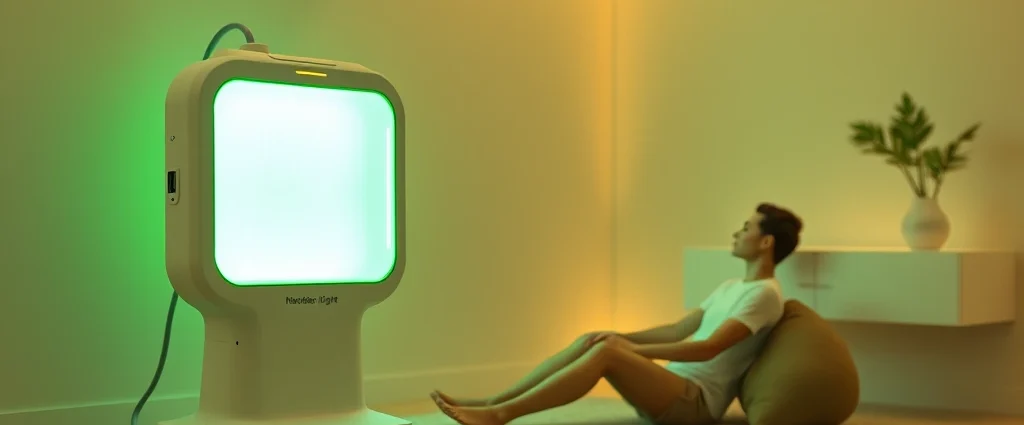
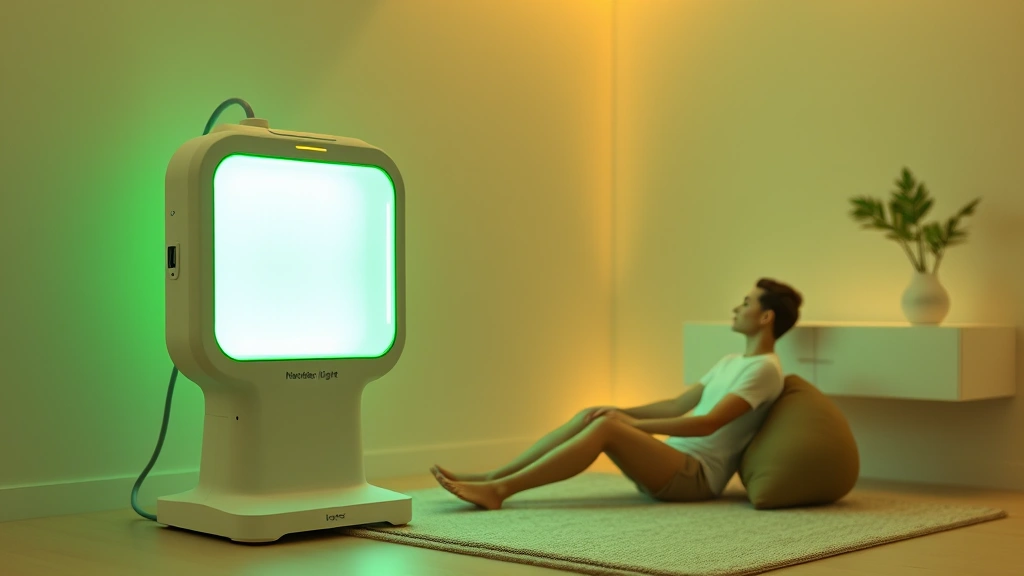
Device selection significantly impacts therapeutic outcomes and user compliance. Specialized light therapy boxes designed specifically for green wavelengths deliver consistent, controlled dosing superior to general lighting solutions. These devices typically position light sources 16-24 inches from the user’s eyes, optimizing retinal exposure while maintaining comfortable viewing distances. Portable green light therapy devices enable integration into daily routines, supporting consistent adherence essential for sustained benefits.
Positioning and timing protocols matter considerably. Sitting at an angle of approximately 20-30 degrees below eye level allows light to reach retinal melanopsin-containing cells optimally. Direct eye exposure carries risks, making devices with appropriate diffusers and protective features essential. Users should consult product specifications and professional guidance to ensure safe, effective implementation.
Integration with behavioral interventions amplifies green light therapy benefits. Combining light therapy with structured physical activity, cognitive-behavioral techniques, and social engagement produces synergistic mood improvements. Individuals pursuing therapy effectiveness should consider green light therapy as a complementary tool within comprehensive mental health strategies rather than standalone treatment.
Tracking mood symptoms using standardized daily logs helps individuals identify optimal protocols. Many practitioners recommend 4-6 week trial periods to assess personal responsiveness, as individual variation in light sensitivity and mood response patterns exists. Adjusting timing, duration, and intensity based on tracked outcomes optimizes therapeutic effectiveness and maintains high user satisfaction.

Safety Considerations and Limitations
While green light therapy demonstrates excellent safety profiles compared to pharmacological interventions, specific contraindications and precautions warrant attention. Individuals with retinal conditions, macular degeneration, or photosensitive epilepsy should consult ophthalmologists before initiating therapy. Pregnant individuals should seek medical guidance, though current evidence suggests minimal risks. Those taking photosensitizing medications should discuss potential interactions with healthcare providers.
Excessive exposure, while generally well-tolerated, may produce minor side effects including eye strain, headaches, or temporary mood elevation followed by mild crashes. These effects typically resolve with dosage reduction or timing adjustments. Unlike blue light, green light rarely disrupts sleep quality, though evening exposure timing should still be individualized based on personal circadian sensitivity.
Green light therapy benefits prove most pronounced when combined with other evidence-based interventions. Individuals with severe depression, bipolar disorder, or acute psychiatric crises should not rely exclusively on light therapy but rather integrate it within comprehensive treatment plans supervised by mental health professionals. The therapy functions optimally as an adjunctive intervention supporting broader therapeutic approaches.
Quality variation among commercial devices impacts safety and efficacy. Selecting products from reputable manufacturers with documented wavelength specifications, intensity ratings, and safety certifications ensures therapeutic reliability. Cheaper alternatives may deliver inconsistent wavelengths or inadequate intensities, reducing effectiveness and potentially causing eye discomfort.
Integration with Comprehensive Mental Health
Mental health professionals increasingly recognize green light therapy as a valuable component of integrated treatment approaches. When combined with therapy resources and professional guidance, light-based interventions produce superior outcomes compared to standalone applications. Therapists may recommend green light therapy alongside cognitive-behavioral therapy, mindfulness practices, and lifestyle modifications for comprehensive mood management.
The relationship between circadian rhythm stability and mental health provides a theoretical foundation for integrating green light therapy into broader wellness strategies. Many mood disorders correlate with circadian dysregulation, suggesting that therapies normalizing sleep-wake cycles address fundamental biological dysfunction. Green light therapy’s circadian-regulating properties make it particularly valuable for individuals with comorbid sleep disturbances and mood symptoms.
Workplace and environmental applications expand green light therapy’s accessibility. Progressive organizations incorporate green light exposure into office environments, recognizing potential productivity and wellbeing benefits. Individuals managing therapy costs may find that environmental green light installations provide cost-effective mood support compared to individual devices or ongoing pharmaceutical expenses.
Long-term mental health sustainability benefits from multi-modal approaches incorporating green light therapy. Research suggests that individuals maintaining consistent light therapy exposure experience sustained mood improvements and reduced relapse rates for depression. The non-invasive nature and minimal side effects enable indefinite continuation, supporting long-term mental health optimization without tolerance development or escalating medication requirements.
Professional consultation remains essential for optimal implementation. Mental health providers can assess individual circumstances, identify appropriate protocols, monitor progress, and adjust interventions based on outcomes. Individuals considering green light therapy should discuss options with qualified healthcare practitioners who can integrate this approach within personalized treatment plans addressing their specific mental health needs and circumstances.
Frequently Asked Questions
How quickly does green light therapy improve mood?
Most individuals notice initial mood improvements within 3-7 days of consistent exposure, with more substantial benefits emerging over 2-4 weeks. However, individual timelines vary considerably based on baseline mood severity, light sensitivity, and adherence to optimal protocols. Some research participants showed measurable improvements within 48 hours, while others required 6-8 weeks for significant changes.
Can green light therapy replace antidepressant medications?
Green light therapy shows promise as an adjunctive treatment but should not replace prescribed antidepressants without medical supervision. Individuals considering discontinuing medications should consult psychiatrists, who may recommend gradual dosage adjustments while monitoring green light therapy effectiveness. For some individuals, light therapy enables eventual medication reduction, but this requires professional oversight and cannot be self-directed.
What wavelength specifications matter most for mood benefits?
Research supports wavelengths between 510-550 nanometers for optimal mood effects, with peak efficacy around 530 nanometers. Devices should specify exact wavelengths rather than broad “green light” descriptions. Intensity ratings of 200-300 lux at treatment distance and daily exposure durations of 20-30 minutes align with evidence-based protocols producing consistent mood improvements.
Are there populations for whom green light therapy proves ineffective?
While generally effective across diverse populations, some individuals show minimal response to light-based therapies. Genetic variations in photoreceptor sensitivity, certain medication interactions, and specific neurological conditions may reduce responsiveness. Additionally, individuals with severe treatment-resistant depression may require more intensive interventions despite green light therapy’s benefits for milder to moderate mood symptoms.
How does green light therapy compare to outdoor natural light exposure?
While outdoor sunlight provides beneficial green wavelengths, natural light exposure varies significantly based on weather, season, and geographic location. Controlled green light therapy devices deliver consistent, optimized wavelengths and intensities regardless of environmental conditions. However, combining outdoor exposure with supplemental green light therapy produces synergistic benefits for comprehensive mood optimization.
Can green light therapy help with anxiety specifically?
Yes, research demonstrates significant anxiety reduction from green light therapy, particularly for generalized anxiety and social anxiety symptoms. The mechanisms involve both circadian rhythm normalization and direct serotonergic pathway activation. Anxiety improvements often develop alongside mood elevation, though some individuals experience anxiety reduction as the primary benefit.
Is green light therapy suitable for children and adolescents?
Growing evidence supports green light therapy safety in pediatric populations, though developmental considerations require professional guidance. Children and adolescents may show heightened light sensitivity, necessitating adjusted intensity protocols. Medical supervision ensures appropriate implementation and monitoring for developing individuals whose neurological systems continue maturing.