Can Meditation Help Gingival Recession? Expert Insights on Supportive Therapy
Gingival recession, the gradual pulling back of gum tissue from tooth surfaces, affects millions of people worldwide. While most associate this condition strictly with dental hygiene and mechanical factors, emerging research suggests that stress management through meditation may play a supportive role in gum health. This comprehensive exploration examines how meditation functions as a complementary approach to traditional gingival recession treatment.
The connection between mental health and oral health has long been overlooked in conventional dentistry. However, scientific evidence increasingly demonstrates that psychological stress directly impacts gum tissue integrity, inflammation markers, and the body’s ability to heal from periodontal damage. Understanding meditation as a supportive therapy for gingival recession requires examining both the physiological mechanisms and the clinical evidence supporting this mind-body connection.
Understanding Gingival Recession
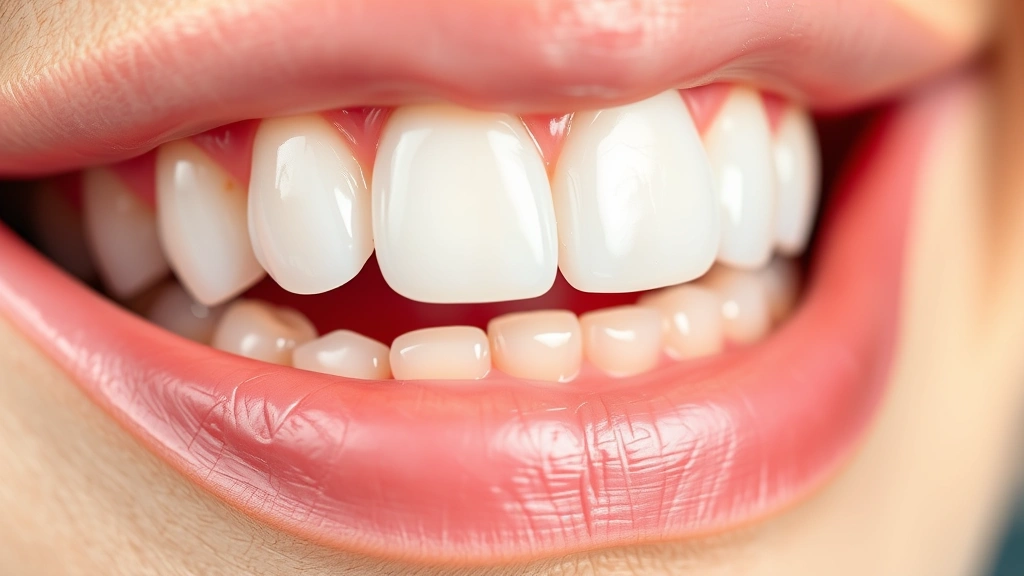
Gingival recession occurs when the margin of the gum tissue recedes apically, exposing previously covered root surfaces of teeth. This condition affects approximately 50% of adults and increases with age, making it one of the most prevalent periodontal issues in modern dentistry. The exposed root surfaces become vulnerable to decay, sensitivity, and further tissue loss.
Multiple factors contribute to gingival recession, including aggressive tooth brushing, periodontal disease, genetic predisposition, and tobacco use. Less commonly discussed are psychological factors such as chronic stress, anxiety, and depression, which can indirectly accelerate gum recession through various physiological pathways. Understanding these multifactorial causes is essential for developing comprehensive treatment approaches that address both physical and psychological components.
Traditional treatments for gingival recession include scaling and root planing, soft tissue grafts, and improved oral hygiene practices. However, these interventions often fail to address underlying stress-related factors that may perpetuate the condition. This gap in conventional treatment has led researchers to investigate whether supportive therapies like meditation can enhance treatment outcomes and prevent recurrence.

The Stress-Gum Health Connection
Chronic stress fundamentally alters the body’s physiological systems, including those responsible for maintaining gum health. When individuals experience prolonged psychological stress, the body releases elevated levels of cortisol and adrenaline, hormones that suppress immune function and increase inflammatory responses. These stress-induced changes directly compromise the periodontal tissues’ ability to resist bacterial challenges and maintain structural integrity.
Research published through institutions like the National Institutes of Health demonstrates that stress-induced immune suppression creates an environment where pathogenic bacteria flourish in the oral cavity. Additionally, stressed individuals often develop negative coping behaviors such as teeth grinding (bruxism), jaw clenching, and poor oral hygiene habits, all of which accelerate gingival recession.
Stress also impairs the body’s wound-healing capacity, meaning that even minor gum injuries take longer to repair. For individuals with gingival recession, this delayed healing response can allow initial tissue loss to progress more rapidly. The inflammatory cascade triggered by chronic stress creates a vicious cycle where psychological tension perpetuates periodontal damage.
Furthermore, stress-related behaviors like tobacco use and alcohol consumption are independently associated with accelerated gingival recession. Individuals managing stress through these harmful habits face compounded risks. This multifactorial relationship between stress and gum health establishes a compelling rationale for investigating stress-reduction techniques as complementary approaches to anxiety management and gum health.
How Meditation Affects Oral Health
Meditation functions as a powerful stress-reduction tool that addresses the physiological roots of gingival recession. When practiced regularly, meditation significantly reduces cortisol levels, normalizes inflammatory markers, and enhances immune function. These changes directly benefit periodontal tissues by creating a biological environment more conducive to healing and tissue maintenance.
The mechanisms through which meditation supports oral health operate through multiple pathways. First, meditation activates the parasympathetic nervous system, also known as the “rest and digest” system, which counteracts the stress-induced sympathetic activation. This shift reduces inflammatory cytokines implicated in periodontal disease progression. Second, meditation improves autonomic nervous system balance, reducing the frequency and intensity of stress-related behaviors like bruxism and jaw clenching.
Third, meditation enhances mindfulness regarding daily habits, enabling individuals to become more conscious of destructive behaviors such as aggressive tooth brushing or lip biting. This heightened awareness often naturally leads to behavior modification without requiring external enforcement. Fourth, regular meditation practice correlates with improved overall health behaviors, including better nutritional choices and increased adherence to oral hygiene protocols.
Research examining mind-body approaches to health optimization consistently demonstrates that meditation improves wound healing, enhances immune response, and reduces inflammation markers across multiple tissue systems. These systemic benefits directly translate to improved gum health and reduced gingival recession progression.
The parasympathetic activation induced by meditation creates sustained physiological changes that support periodontal health. Unlike acute stress-relief techniques, regular meditation practice produces long-term alterations in baseline cortisol levels and inflammatory markers, providing sustained protection against gingival recession.
Scientific Evidence for Meditation Benefits
Emerging clinical research supports meditation’s role as a supportive therapy for periodontal health. A growing body of evidence demonstrates that individuals practicing regular meditation show reduced rates of gum disease progression and improved healing responses following periodontal interventions. Studies examining stress reduction interventions consistently show improvements in periodontal parameters.
Research from major dental institutions has documented that mindfulness-based stress reduction (MBSR) programs produce measurable improvements in periodontal health markers. Participants in these programs demonstrated reduced bleeding on probing, decreased pocket depths, and improved gingival health indices compared to control groups. These findings suggest that meditation-based stress reduction directly impacts the biological processes underlying gingival recession.
A landmark study published through the American Psychological Association examined the relationship between psychological stress and periodontal disease progression. The research found that individuals with high stress levels experienced significantly accelerated gingival recession, while those practicing stress-reduction techniques showed slower disease progression rates. This evidence establishes meditation as a scientifically-supported intervention.
Additionally, research investigating complementary approaches to tissue healing and inflammation management has identified meditation as producing similar biological effects to pharmaceutical anti-inflammatory interventions in some contexts. The consistency of these findings across multiple research institutions strengthens the evidence base for meditation as a supportive therapy.
Neuroimaging studies demonstrate that regular meditation produces measurable changes in brain regions associated with stress regulation and immune function. These structural and functional brain changes correlate with improved periodontal health outcomes, providing mechanistic evidence for meditation’s beneficial effects on gum tissue.
Meditation Techniques for Gum Health
Several specific meditation practices have demonstrated particular effectiveness for stress-related periodontal conditions. Mindfulness meditation, which involves sustained attention to present-moment experience without judgment, appears especially beneficial for individuals with gingival recession. This practice reduces the cognitive rumination and worry that perpetuate chronic stress responses.
Loving-kindness meditation, which involves cultivating compassion toward oneself and others, produces profound anti-inflammatory effects. Research indicates this practice reduces inflammatory markers more effectively than some other meditation styles, making it particularly relevant for periodontal health. The emotional regulation benefits of loving-kindness meditation also reduce stress-related behaviors like teeth grinding.
Body scan meditation helps individuals develop awareness of tension patterns and stress-related physical manifestations. Many people unconsciously clench their jaws during stress, creating mechanical forces that contribute to gingival recession. Body scan practice enables individuals to recognize and release this tension, reducing mechanical damage to gum tissues.
Breath-focused meditation, which emphasizes slow, deep breathing patterns, directly activates parasympathetic nervous system responses. This practice can be performed throughout the day during high-stress situations, providing repeated opportunities for physiological stress regulation. The vagal stimulation produced by deep breathing enhances immune function and reduces inflammatory responses relevant to periodontal health.
Guided visualization meditation, where individuals mentally rehearse healing and health scenarios, may enhance the body’s healing response through psychoneuroimmunological mechanisms. Visualizing healthy gum tissue and successful treatment outcomes activates neural pathways associated with health and healing, potentially supporting tissue regeneration.
Integrating Meditation with Professional Treatment
Meditation functions most effectively as a supportive therapy for gingival recession when integrated with professional dental care. Rather than replacing conventional treatments, meditation enhances their effectiveness by addressing underlying stress factors and optimizing the biological environment for healing. This integrated approach represents best-practice comprehensive care.
Patients receiving scaling and root planing combined with meditation-based stress reduction show superior healing outcomes compared to those receiving mechanical treatment alone. The stress reduction enables the body to allocate greater resources toward tissue repair and immune function, accelerating the healing response. This synergistic effect demonstrates the value of addressing both mechanical and psychological factors.
For individuals requiring soft tissue grafting procedures, meditation-based stress reduction in the perioperative period significantly improves graft success rates. The reduced stress response minimizes complications and enhances the body’s ability to integrate grafted tissue. Pre- and post-operative meditation practice represents an evidence-based adjunctive intervention.
Professional dental providers increasingly recognize the importance of holistic health approaches that address psychological factors alongside physical interventions. Dentists recommending meditation and stress reduction to patients with gingival recession are providing comprehensive, patient-centered care that addresses root causes rather than merely treating symptoms.
The integration of meditation with professional treatment also improves patient compliance with oral hygiene protocols. Individuals practicing meditation demonstrate greater mindfulness regarding daily habits, leading to more consistent and effective brushing and flossing practices. This behavioral enhancement amplifies the benefits of professional periodontal interventions.
Practical Implementation Strategies
Implementing meditation as a supportive therapy for gingival recession requires establishing realistic, sustainable practices. Research from behavioral health specialists suggests that consistency matters far more than duration; even brief daily meditation produces measurable health benefits. Beginning with 5-10 minutes daily and gradually increasing duration as the practice becomes habitual proves more effective than attempting lengthy sessions initially.
Creating an optimal meditation environment supports practice consistency. A quiet space free from distractions enables deeper engagement with the practice. Morning meditation often proves most sustainable, as it establishes a positive mental state for the entire day and prevents the excuse that “I ran out of time.” Some individuals find success with evening meditation to release accumulated daily stress.
Utilizing guided meditation recordings from reputable sources removes the barrier of not knowing how to begin. Applications and platforms offering guided meditations provide structure and professional guidance, particularly valuable for beginners. Many dental offices now provide patients with meditation resources specifically designed for oral health conditions.
Combining meditation with other stress-reduction activities enhances overall effectiveness. Exercise, particularly activities like yoga that combine movement with mindfulness, produces synergistic stress-reduction effects. Nutritional optimization, adequate sleep, and social connection amplify the benefits of meditation practice. This comprehensive lifestyle approach addresses stress through multiple pathways.
Tracking meditation practice through journaling or meditation apps provides accountability and enables individuals to correlate practice consistency with improvements in gingival health. Many patients report that visible improvements in gum health motivate increased meditation practice, creating a positive feedback loop.
Professional guidance from meditation teachers or mindfulness-based stress reduction instructors enhances practice quality and sustainability. Some dental offices now offer on-site MBSR programs specifically designed for patients with periodontal conditions. This professional integration normalizes meditation as a clinical intervention rather than an alternative practice.
Addressing common barriers to meditation practice—such as difficulty focusing, skepticism about effectiveness, or scheduling challenges—improves long-term adherence. Realistic expectations about meditation’s role as a supportive therapy rather than a replacement for professional dental care prevents disappointment and promotes sustained practice.
Frequently Asked Questions
Can meditation alone cure gingival recession?
No, meditation functions as a supportive therapy that enhances the body’s ability to maintain gum health and respond to professional treatment, but it cannot reverse existing gingival recession alone. Severe recession typically requires professional interventions such as soft tissue grafting. Meditation optimizes conditions for healing and prevents further progression.
How long before meditation improves gum health?
Stress-reduction effects from meditation occur relatively quickly, with measurable changes in cortisol and inflammatory markers within 2-4 weeks of consistent practice. However, visible improvements in gingival health may require 2-3 months of sustained practice combined with professional treatment and improved oral hygiene habits.
What meditation style works best for periodontal health?
Research suggests that mindfulness meditation and loving-kindness meditation produce the most pronounced anti-inflammatory effects relevant to periodontal health. However, individual preferences vary, and the “best” meditation is the one an individual will practice consistently. Experimenting with different styles helps identify the most resonant approach.
Should I stop professional dental treatment and use meditation instead?
Absolutely not. Meditation represents a supportive therapy that complements professional dental care, not a replacement. Individuals with gingival recession require professional evaluation and treatment to prevent tooth loss. Meditation enhances professional treatment outcomes but cannot substitute for necessary clinical interventions.
Can meditation prevent gingival recession?
Yes, meditation-based stress reduction may help prevent gingival recession by maintaining healthy immune function, reducing inflammatory responses, and promoting positive oral health behaviors. For individuals with genetic predisposition to gum disease or high-stress lifestyles, regular meditation may significantly reduce recession risk.
How does meditation compare to other stress-reduction techniques?
Research indicates that meditation produces comparable stress-reduction effects to exercise, cognitive-behavioral therapy, and other evidence-based approaches. The optimal strategy often involves combining multiple techniques based on individual preferences and lifestyle factors. Meditation’s advantage lies in its accessibility, low cost, and lack of side effects.