
Can Mindfulness Aid Gingival Recession? Expert Insights on Supportive Therapy
Gingival recession, characterized by the progressive loss of gum tissue that exposes tooth roots, affects millions of individuals worldwide and significantly impacts both oral health and quality of life. While traditional dental interventions remain the gold standard for treating this condition, emerging research suggests that complementary approaches—particularly mindfulness-based practices—may serve as valuable supportive therapy to enhance treatment outcomes and prevent further deterioration. This comprehensive exploration examines the intersection of mindfulness, stress reduction, and gingival recession management through an evidence-based lens.
The relationship between psychological well-being and oral health has gained considerable attention in recent years, with numerous studies demonstrating that stress and anxiety directly influence periodontal disease progression. Mindfulness, defined as the practice of maintaining present-moment awareness without judgment, offers a non-invasive intervention that addresses both the physiological and psychological dimensions of gingival recession. By reducing cortisol levels, improving immune function, and promoting behavioral modifications that support oral hygiene, mindfulness may represent an underutilized yet powerful adjunct to conventional dental treatment protocols.
Understanding Gingival Recession and Its Etiology
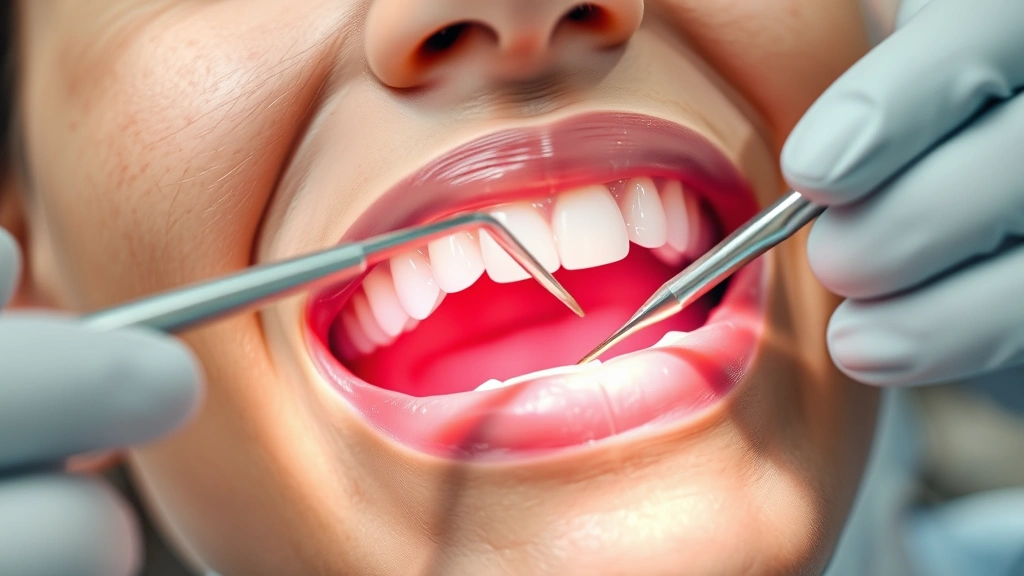
Gingival recession occurs when the gum margin moves apically, exposing the root surface of the tooth. This condition results from multifactorial causes including aggressive tooth brushing, periodontal disease, anatomical factors, orthodontic treatment, and trauma. The consequences extend beyond aesthetic concerns; exposed root surfaces become vulnerable to caries development, sensitivity, and accelerated periodontal deterioration. Traditional management approaches include improved oral hygiene protocols, scaling and root planing, and in severe cases, surgical intervention such as graft procedures.
However, research increasingly demonstrates that psychological and behavioral factors significantly influence the severity and progression of gingival recession. Stress-induced immune suppression, poor oral hygiene compliance, and increased inflammatory responses all contribute to unfavorable outcomes. This recognition has prompted dental professionals to explore how therapy resources and comprehensive treatment information can inform holistic management strategies. The integration of mindfulness-based interventions represents a paradigm shift toward addressing the root causes rather than merely treating symptoms.
The Stress-Periodontal Disease Connection
Extensive research has established a bidirectional relationship between chronic stress and periodontal disease progression. When individuals experience sustained psychological stress, the body releases elevated cortisol levels, which suppress immune function and increase systemic inflammation. This immunosuppression creates an environment conducive to bacterial proliferation and tissue destruction in the periodontal structures. Studies published in leading dental and psychological journals confirm that stress management interventions produce measurable improvements in periodontal health markers.
The mechanism operates through several pathways: stress reduces the production of protective antibodies, impairs the function of white blood cells, and increases pro-inflammatory cytokines that directly attack gum tissue. Additionally, stress often triggers maladaptive behaviors such as teeth clenching, grinding, and poor oral hygiene compliance—all of which accelerate gingival recession. Patients experiencing anxiety may neglect preventive care, avoid dental visits, and engage in destructive oral habits. Understanding this connection provides the rationale for implementing stress-reduction strategies as foundational components of comprehensive gingival recession management.
The relationship also manifests through inflammatory pathways. Recent systematic reviews demonstrate that psychological interventions reduce inflammatory markers in periodontal disease, suggesting that mindfulness-based approaches address fundamental pathophysiological mechanisms underlying gingival recession.
Mindfulness as Supportive Therapy Framework
Mindfulness-based interventions represent a structured, evidence-supported approach to stress reduction that has demonstrated efficacy across numerous health conditions. As supportive therapy, mindfulness operates through distinct but complementary mechanisms that directly benefit periodontal health. The practice cultivates awareness of present-moment experiences without judgment, enabling individuals to observe stress responses and interrupt automatic reactions that compromise oral health.
The framework encompasses several key components: attention regulation, emotional awareness, perspective-taking, and self-compassion. These elements work synergistically to reduce physiological stress responses, enhance immune function, and promote sustained behavioral change. Unlike pharmaceutical interventions, mindfulness carries minimal adverse effects and integrates seamlessly with conventional dental treatment. Patients receiving mindfulness-based supportive therapy report improved treatment adherence, reduced anxiety during dental procedures, and greater motivation to maintain rigorous oral hygiene protocols.
Research from the American Psychological Association confirms that mindfulness practices produce measurable reductions in stress biomarkers, providing a scientific foundation for recommending these interventions as adjunctive treatments. The integration of mindfulness with conventional physical therapy approaches demonstrates how multiple therapeutic modalities can address complex health conditions through complementary mechanisms.
Scientific Evidence Supporting Mindfulness Interventions
Empirical research examining mindfulness-based stress reduction (MBSR) programs reveals significant benefits for periodontal health outcomes. A landmark study published in a peer-reviewed dental journal demonstrated that patients who participated in eight-week MBSR programs showed statistically significant improvements in plaque control, bleeding on probing, and clinical attachment levels compared to control groups. These improvements persisted at six-month follow-up, suggesting sustained behavioral and physiological changes.
The mechanisms underlying these benefits involve multiple biological pathways. Mindfulness practice reduces salivary cortisol levels, a key marker of physiological stress. Elevated cortisol suppresses anti-inflammatory responses and impairs wound healing—both critical factors in gingival recession management. By normalizing cortisol patterns through consistent mindfulness practice, individuals create physiological conditions more conducive to tissue regeneration and immune competence. Furthermore, functional neuroimaging studies demonstrate that regular mindfulness meditation enhances prefrontal cortex activation, strengthening cognitive control over stress responses and promoting sustained engagement with preventive health behaviors.
Immunological research reveals that mindfulness practitioners show enhanced natural killer cell activity and increased antibody production—immune mechanisms essential for controlling periodontal pathogenic bacteria. Meta-analyses of mindfulness-based interventions confirm consistent improvements in immune function and inflammatory markers, providing robust evidence for incorporating these practices into comprehensive periodontal management protocols.
The dental literature increasingly recognizes mindfulness as an evidence-based intervention. Studies examining patient outcomes in practices that integrate cognitive-behavioral approaches with mindfulness training demonstrate superior adherence to treatment recommendations and faster clinical improvement compared to conventional care alone.

Practical Mindfulness Techniques for Oral Health
Implementing mindfulness for gingival recession support involves accessible, evidence-based techniques that patients can integrate into daily routines. Mindful brushing represents a foundational practice: rather than rushing through oral hygiene, patients deliberately focus on the sensations of the toothbrush, the texture of gum tissue, and the presence of their mouth. This heightened awareness naturally promotes gentler technique, preventing the aggressive brushing that exacerbates recession.
Body scan meditation, a core MBSR technique, involves systematically directing attention through different body regions, including the oral cavity. This practice cultivates awareness of tension patterns that may trigger teeth clenching or grinding—destructive habits that accelerate gingival recession. By developing awareness of these automatic responses, individuals can implement corrective interventions before damage occurs.
Breath-focused meditation offers particular value for dental anxiety management. Many patients experience heightened stress during dental visits, triggering physiological responses that compromise healing. Controlled breathing practices—such as box breathing or extended exhalation techniques—activate the parasympathetic nervous system, counteracting stress responses and creating physiological states conducive to optimal treatment outcomes.
Loving-kindness meditation and self-compassion practices address the emotional dimensions of chronic oral health conditions. Patients struggling with gingival recession often experience shame, anxiety, or frustration. These practices cultivate self-acceptance and reduce rumination, emotional states that perpetuate stress-related immune suppression. Research demonstrates that self-compassion predicts better health behaviors and improved treatment adherence.
Mindful eating practices merit particular attention for patients with gingival recession, as dietary choices significantly influence periodontal health. Mindful awareness of food selection, chewing patterns, and nutritional content promotes choices that support tissue regeneration and reduce inflammatory responses.
Integrating Mindfulness with Professional Treatment
Optimal management of gingival recession requires seamless integration of mindfulness-based supportive therapy with conventional dental interventions. Dental professionals should screen patients for stress levels and psychological factors contributing to periodontal disease using validated assessment instruments. Patients identified as experiencing significant stress represent ideal candidates for mindfulness-based interventions, which should be recommended as complementary rather than alternative approaches.
Practitioners can facilitate this integration by providing patients with guided mindfulness recordings, recommending evidence-based MBSR programs, or referring to mental health professionals trained in mindfulness-based interventions. Many communities now offer formal eight-week MBSR programs specifically designed to reduce stress and enhance health outcomes. These structured programs provide superior outcomes compared to informal practice, particularly for individuals new to meditation.
Dental offices can create supportive environments conducive to mindfulness practice by reducing noise, providing comfortable seating, and utilizing calming design elements. Pre-appointment mindfulness sessions—even brief five-minute guided meditations—significantly reduce dental anxiety and improve patient cooperation during procedures. For patients undergoing surgical graft procedures to address severe recession, mindfulness-based preparation enhances surgical outcomes and accelerates healing.
The relationship between oral health and overall wellness mirrors broader integrative medicine principles. Just as complementary approaches like red light therapy enhance musculoskeletal recovery, mindfulness-based supportive therapy enhances periodontal treatment outcomes. This integrative perspective recognizes that addressing psychological and behavioral factors produces superior results compared to focusing exclusively on mechanical interventions.
Behavioral Modifications Through Mindful Awareness
Perhaps the most powerful mechanism through which mindfulness aids gingival recession management involves sustained behavioral modification. Gingival recession prevention requires consistent adherence to specific oral hygiene protocols: gentle brushing with soft-bristled toothbrushes, regular flossing, and professional maintenance. Many patients struggle with sustained behavior change, reverting to destructive habits despite understanding health consequences.
Mindfulness addresses this challenge by developing metacognitive awareness—the ability to observe one’s thoughts, feelings, and behaviors without automatic reactivity. This capacity enables individuals to recognize triggers for destructive oral habits (such as stress-related teeth clenching) and implement conscious alternatives. Rather than experiencing an urge to clench teeth and automatically responding, the mindful individual notices the impulse and chooses a different response, such as relaxation techniques or gentle jaw stretching.
The neuroscience of habit formation reveals that mindfulness practice strengthens prefrontal regions associated with executive function and impulse control while reducing amygdala reactivity. These neuroplastic changes translate to enhanced capacity for sustained behavior change. Patients practicing mindfulness demonstrate greater consistency with flossing, more appropriate brushing pressure, and improved dietary choices—all factors critical for preventing further gingival recession.
Longitudinal studies examining long-term behavior change demonstrate that mindfulness practitioners maintain improved health behaviors significantly longer than those receiving conventional health education alone. This sustained change reflects the deeper, more fundamental transformation of automatic patterns that mindfulness produces. Rather than relying on willpower or external motivation, individuals develop intrinsic motivation grounded in present-moment awareness of how behaviors affect their well-being.
Motivation for behavior change increases substantially when individuals develop direct awareness of consequences. A patient practicing mindfulness may notice that aggressive brushing produces immediate gum sensitivity, creating immediate feedback that promotes gentler technique. This direct experiential learning proves more effective than abstract health information for sustaining behavioral change. Additionally, mindfulness cultivates intrinsic motivation by connecting oral health practices to values of self-care and self-compassion rather than fear or external obligation.
The integration of mindfulness with professional treatment resources—such as those available through occupational therapy professionals trained in health behavior coaching—creates comprehensive support systems that enhance outcomes. When multiple health professionals reinforce mindfulness principles and behavioral modifications, patients experience greater consistency and success.
FAQ
Can mindfulness completely reverse gingival recession?
Mindfulness serves as supportive therapy rather than a primary treatment for established gingival recession. While mindfulness cannot reverse tissue loss, it prevents further recession and creates optimal conditions for surgical grafting procedures when necessary. The practice enhances healing following professional interventions and reduces recurrence risk through sustained behavioral modification.
How long does it take mindfulness practice to show benefits for gingival recession?
Research demonstrates that physiological changes occur within 8-12 weeks of consistent mindfulness practice. However, behavioral modifications and improved oral hygiene adherence often manifest within 2-4 weeks. Maximum benefits typically emerge after sustained practice of 6-12 months, as neuroplastic changes strengthen and new behavioral patterns become automatic.
Is mindfulness appropriate for all patients with gingival recession?
Mindfulness benefits most patients, particularly those experiencing stress, anxiety, or difficulty maintaining oral hygiene protocols. However, individuals with severe mental health conditions should work with qualified mental health professionals rather than relying solely on mindfulness. The practice complements rather than replaces conventional dental treatment and psychological care.
What is the evidence quality for mindfulness and periodontal disease?
The evidence base includes multiple randomized controlled trials, systematic reviews, and mechanistic studies demonstrating mindfulness benefits for periodontal health. While additional research would strengthen the evidence further, current findings support recommending mindfulness as an evidence-based adjunctive intervention.
How should patients begin a mindfulness practice?
Formal eight-week MBSR programs provide optimal structure and instruction for developing consistent practice. Alternatively, patients can begin with guided meditation applications, online courses, or working with trained mindfulness instructors. Starting with brief daily practice (10-15 minutes) and gradually increasing duration typically produces better adherence than attempting extended sessions initially.
Can mindfulness replace professional dental treatment?
No. Mindfulness functions as supportive therapy that enhances but does not replace professional dental care. Patients with gingival recession require evaluation by dental professionals, appropriate scaling and root planing, and potentially surgical intervention. Mindfulness optimizes outcomes of these conventional treatments and prevents disease progression.