
Family Therapy Impact: Expert Insights & Video Resources
Family therapy has emerged as one of the most effective psychological interventions for addressing relational conflicts, communication breakdowns, and systemic issues within households. Unlike individual therapy, which focuses on one person’s mental health, family therapy treats the entire family unit as an interconnected system where each member’s behavior influences and is influenced by others. This holistic approach has demonstrated remarkable success in resolving long-standing tensions, improving emotional intimacy, and creating lasting behavioral change across all family members.
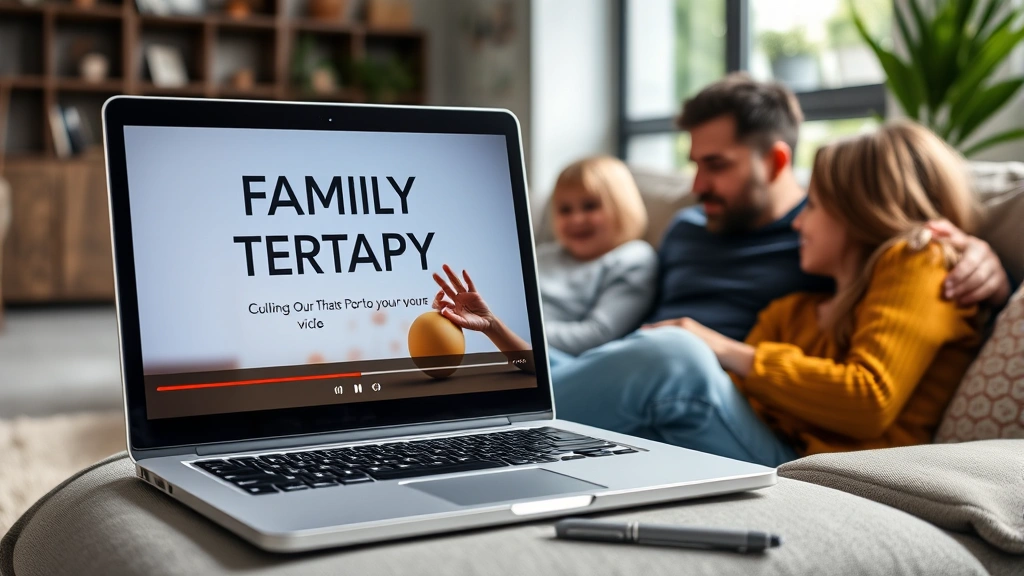
In today’s digital age, accessing family therapy full videos has become increasingly valuable for families seeking guidance, education, and therapeutic insights from the comfort of their homes. These video resources provide unprecedented access to expert-led sessions, evidence-based techniques, and real-world examples that illustrate how trained professionals navigate complex family dynamics. Whether you’re dealing with adolescent rebellion, marital discord, parent-adult child conflicts, or multigenerational trauma, comprehensive video resources offer practical strategies and psychological frameworks that can transform family relationships.

Understanding Family Therapy: Core Principles and Approaches
Family therapy operates on several fundamental principles that distinguish it from traditional individual mental health treatment. The systems theory approach, pioneered by pioneers like the American Association for Marriage and Family Therapy, conceptualizes families as dynamic systems where patterns of interaction, communication styles, and emotional boundaries directly impact individual wellbeing. Rather than viewing one family member as “the problem,” therapists recognize that problematic behaviors often serve a function within the family system and that meaningful change requires adjusting relational patterns.
The structural family therapy model emphasizes understanding family hierarchies, subsystems, and boundaries. In this framework, a healthy family maintains clear generational boundaries where parents lead and children follow appropriate developmental guidelines. When these structures become rigid or diffused, family dysfunction emerges. Emotionally focused family therapy concentrates on creating secure attachments and fostering emotional responsiveness among family members. Narrative family therapy helps families rewrite their stories and challenge limiting beliefs about their identity and potential.
Bowen family systems theory introduces concepts like differentiation of self, emotional triangulation, and multigenerational transmission of patterns. This approach helps families understand how unresolved issues from previous generations continue influencing current relationship dynamics. Strategic family therapy focuses on problem-solving and behavioral change through specific interventions and reframing techniques. Each modality offers distinct advantages, and skilled therapists often integrate multiple approaches based on the specific needs and presenting concerns of individual families.
When exploring therapy resources and information through various channels, you’ll discover that modern family therapy increasingly incorporates neuroscience findings about how stress, trauma, and emotional regulation affect family relationships. Understanding these biological underpinnings helps family members recognize that destructive patterns aren’t character flaws but rather adaptive responses to perceived threats or unmet needs.
Evidence-Based Benefits of Family Therapy Interventions
Research consistently demonstrates that family therapy produces measurable improvements across multiple domains of family functioning. A comprehensive meta-analysis published in the Journal of Family Psychology found that family therapy interventions show effect sizes comparable to or exceeding individual therapy for many presenting problems. Families who participate in therapy report significant improvements in communication quality, conflict resolution skills, emotional intimacy, and overall relationship satisfaction.
For adolescents struggling with behavioral issues, depression, or substance abuse, family therapy produces superior outcomes compared to individual treatment alone. The inclusion of parents and siblings addresses environmental factors that perpetuate problematic behaviors and creates accountability for change. Families report that therapy helps them move beyond blame and defensiveness toward collaborative problem-solving and mutual understanding. Parents develop more effective parenting strategies that balance nurturing with appropriate limit-setting, while adolescents gain insight into how family patterns influence their choices and emotional states.
In couples and marital contexts, family therapy (often called couples therapy) significantly reduces divorce risk and increases relationship satisfaction when implemented early. Therapists help partners develop secure attachment patterns, manage conflict constructively, and rebuild emotional connection. The therapeutic environment provides a safe space for vulnerable conversations that couples often cannot facilitate alone. Research from the Gottman Institute demonstrates that specific communication techniques taught in therapy—like softened startup, repair attempts, and taking breaks during heated discussions—directly correlate with relationship longevity.
For families dealing with chronic illness, disability, or major life transitions, therapy facilitates adjustment and prevents secondary mental health problems. Family members learn to support one another while maintaining individual wellbeing. Parents of children with ADHD, autism spectrum disorder, or other developmental challenges benefit tremendously from family therapy that reduces parental stress, improves behavior management, and strengthens parent-child relationships. The ripple effects extend throughout the family system as reduced parental stress improves the home environment for all members.
Expert Video Resources and Learning Opportunities
The proliferation of high-quality video content has democratized access to family therapy expertise. Family therapy full videos now provide families with direct access to demonstrations of therapeutic techniques, real session footage (with appropriate consent and confidentiality protections), and educational content from leading practitioners. These resources serve multiple purposes: they help families understand what to expect in therapy, provide psychoeducation about family dynamics and mental health, and offer practical tools that complement professional treatment.
Many leading therapy organizations and individual practitioners now offer comprehensive video libraries covering specific family issues. You’ll find content addressing parental anxiety, sibling rivalry, blended family adjustment, empty nest transitions, and intergenerational conflict. Educational platforms feature therapists demonstrating specific interventions like active listening, validation techniques, and problem-solving frameworks that families can implement at home. These videos often include real examples or dramatizations showing before-and-after scenarios that illustrate transformation possibilities.
Professional organizations like the American Association for Marriage and Family Therapy maintain directories of certified therapists and offer educational webinars. Academic institutions increasingly publish research-based content explaining family therapy concepts in accessible language. Therapy platforms and mental health apps now integrate video content with interactive tools, allowing families to learn at their own pace and reinforce therapeutic concepts between sessions.
When selecting video resources, prioritize content created or reviewed by licensed mental health professionals with relevant credentials and experience. High-quality resources clearly explain the theoretical foundations underlying interventions, acknowledge limitations and contraindications, and encourage professional consultation for complex situations. The best video resources complement rather than replace professional therapy, providing supplementary education and support.
Common Family Dynamics and How Therapy Addresses Them
Families frequently present with overlapping concerns that require systemic intervention. Parent-adolescent conflict often masks deeper issues including parental anxiety, unresolved trauma, or ineffective communication patterns. A teenager’s oppositional behavior may represent an attempt to establish autonomy, respond to perceived injustice, or communicate emotional pain. Family therapy helps parents recognize these underlying drivers and adjust their responses accordingly. Rather than escalating punitive measures, parents learn to maintain firm boundaries while demonstrating empathy and curiosity about their teen’s inner experience.
Marital conflict significantly impacts children’s emotional wellbeing and behavioral adjustment. When couples therapy in Chicago or other locations addresses relationship distress, children often show spontaneous improvements in academic performance, peer relationships, and emotional regulation. The mechanism is straightforward: reducing parental conflict decreases children’s anxiety and creates a more stable home environment. Couples therapy teaches partners to disagree respectfully, shield children from adult conflicts, and present a united parenting front even when their romantic relationship is stressed.
Blended families navigate complex loyalty conflicts, boundary ambiguities, and identity questions. Step-parents and step-siblings often struggle with unrealistic expectations about instant bonding and family cohesion. Family therapy helps blended families establish clear roles, develop realistic timelines for relationship building, and address grief about family structure changes. These conversations prevent resentment accumulation and allow family members to forge authentic connections based on their actual circumstances rather than Hollywood fantasies.
Families managing chronic illness, disability, or trauma benefit from therapy that addresses not just the primary challenge but also secondary effects on relationships and individual mental health. A child’s serious illness can strain marriages, create sibling resentment, and trigger parental anxiety and depression. Family therapy simultaneously addresses the medical crisis, relationship impacts, and individual wellbeing. Similarly, families dealing with addiction, grief, or intergenerational trauma require interventions that honor the systemic nature of healing.
Integrating Video Learning with Professional Treatment
The most effective use of video resources occurs when families integrate them with active therapy engagement. Before beginning therapy, educational videos help families understand what to expect and identify specific concerns to address. During therapy, therapists sometimes recommend particular video content that reinforces concepts introduced in sessions. Families might watch demonstrations of communication techniques and then practice those skills during sessions with professional feedback. Between sessions, videos serve as refreshers and motivation boosters as families implement new patterns.
Therapists increasingly use video in sessions to provide feedback and psychoeducation. Some record brief clips of family interactions during sessions and review them with the family, helping members see their own patterns from an external perspective. This technique, called video feedback, produces powerful insights as family members observe themselves engaging in destructive cycles and recognize opportunities for change. The non-judgmental format of observing one’s own behavior often reduces defensiveness and increases motivation for change.
For families unable to access consistent in-person therapy due to geography, financial constraints, or scheduling limitations, video resources provide valuable supplementation. Combined with teletherapy or periodic in-person sessions, comprehensive video libraries offer ongoing support and education. However, video resources should not be viewed as complete replacements for professional therapy in cases involving safety concerns, severe mental illness, or complex family trauma. A skilled therapist provides personalized assessment, treatment planning, and real-time adaptation that generic video content cannot replicate.
When integrating video learning with professional treatment, discuss your video consumption with your therapist. Mention specific resources you’ve found helpful or confusing. Therapists can recommend particular content aligned with your family’s needs and therapeutic goals. They can also help you critically evaluate information, distinguish evidence-based content from opinion, and apply concepts appropriately to your unique situation. This collaborative approach maximizes the benefits of both professional expertise and educational resources.
Specialized Family Therapy Modalities and Techniques
Emotionally Focused Family Therapy (EFFT) explicitly targets emotional bonding and secure attachment across family relationships. This approach recognizes that behavioral problems often stem from emotional disconnection and unmet attachment needs. Therapists help family members express vulnerable emotions, respond with empathy, and create moments of emotional attunement. Research from the American Psychological Association confirms that EFFT produces significant improvements in family relationships and individual mental health outcomes.
Multisystemic Therapy (MST) addresses adolescent behavioral problems by intervening across multiple life domains: family relationships, peer influences, school engagement, and community involvement. Therapists work intensively with families, often in home settings, to address the interconnected factors maintaining problematic behavior. MST has demonstrated exceptional effectiveness with juvenile delinquency, substance abuse, and serious behavioral disturbance.
Functional Family Therapy (FFT) focuses on understanding the function that problematic behaviors serve within the family system. Aggressive outbursts might function to avoid shame, control others, or communicate pain. Rather than simply eliminating behavior, FFT helps families identify what needs the behavior meets and develop healthier ways to satisfy those needs. This approach produces lasting change because it addresses root causes rather than surface symptoms.
Internal Family Systems (IFS) therapy, while originally developed for individual work, increasingly applies family principles by helping family members understand their own internal multiplicity and extend compassion to family members’ parts or subpersonalities. This approach reduces polarization and judgment, helping families understand that everyone contains protective parts, vulnerable parts, and resourced parts that can lead and heal.
Art therapy and play therapy modalities offer non-verbal pathways for family members to express and process experiences. These approaches prove particularly valuable with children who lack verbal sophistication and families where words trigger defensiveness. Creative expression allows access to emotions and insights that talking alone cannot reach. For families seeking physical therapy in Las Vegas or other locations for medical concerns, integrating family therapy with physical rehabilitation addresses both body and relationship healing.
Solution-Focused Brief Family Therapy concentrates on identifying exceptions to problems and building on existing strengths rather than extensively analyzing dysfunction. This strengths-based approach proves particularly motivating for families who feel hopeless or overwhelmed. By identifying times when the problem is less intense and analyzing what differs during those times, families discover their own resources for change. This modality often produces results in fewer sessions than longer-term approaches.
Frequently Asked Questions
What is the primary difference between family therapy and individual therapy?
Family therapy treats the family unit as an interconnected system, addressing relational patterns and communication dynamics that individual therapy cannot access. While individual therapy focuses on one person’s thoughts, feelings, and behaviors, family therapy recognizes that individual problems often reflect or are maintained by family system dysfunction. Both approaches offer value, and many people benefit from concurrent individual and family therapy.
How long does family therapy typically take?
Duration varies significantly based on presenting concerns, family readiness for change, and therapy modality. Some solution-focused approaches produce results in 5-10 sessions, while structural or emotionally focused work might require 20-30 sessions. Families dealing with trauma, addiction, or longstanding patterns may benefit from longer-term engagement. Therapists typically provide progress assessments and discuss timeline expectations during initial sessions.
Can family therapy help with specific problems like adolescent substance abuse?
Yes, family therapy has strong evidence for effectiveness with adolescent substance abuse, particularly when combined with individual treatment. Family therapy addresses environmental factors maintaining substance use, improves parental monitoring and limit-setting, reduces family conflict, and strengthens relationships that support recovery. Research demonstrates that family engagement significantly improves treatment outcomes and reduces relapse risk.
What should I look for when selecting a family therapist?
Seek therapists with specific training in family systems and credentials from recognized organizations like the American Association for Marriage and Family Therapy. Verify licensing status in your state and inquire about experience with your specific concerns. Many therapists offer initial consultations allowing you to assess compatibility. Consider therapists’ theoretical orientation, whether they integrate evidence-based modalities, and whether their approach aligns with your family’s values and preferences.
Can family therapy address intergenerational trauma and patterns?
Absolutely. Therapists trained in Bowen family systems theory and intergenerational trauma explicitly address how unresolved issues from previous generations continue influencing current family relationships. Through genograms and family history exploration, therapists help families understand inherited patterns and create new possibilities for healing. This work often proves transformative, breaking cycles that previously seemed inevitable.
How do video resources complement professional family therapy?
Video resources provide psychoeducation, demonstrate therapeutic techniques, and offer inspiration and hope. They help families understand concepts discussed in therapy, practice skills between sessions, and maintain motivation during challenging periods. However, videos cannot replace professional assessment, personalized treatment planning, or real-time therapeutic intervention. The combination of professional therapy and supplementary video learning offers optimal benefits.
Are there specialized family therapy approaches for blended families?
Yes, therapists increasingly specialize in blended family dynamics, addressing unique challenges including step-parent role development, loyalty conflicts, and grief about family structure changes. Specialized approaches help blended families establish realistic expectations, develop clear boundaries, and create authentic relationships. These interventions prevent common pitfalls and accelerate family cohesion.
What makes family therapy effective for addressing anxiety and depression in family members?
Individual anxiety and depression often reflect or are maintained by family system dysfunction, including poor emotional support, high criticism, enmeshment, or unresolved conflict. Family therapy addresses these environmental factors while helping members develop secure attachment and effective coping. As family relationships improve, individual members typically experience reduced anxiety and improved mood. The bidirectional relationship between individual mental health and family functioning makes family therapy particularly effective.