Art Therapy Benefits: What Experts Say
Art therapy has emerged as a powerful therapeutic modality that combines creative expression with psychological healing. Unlike traditional talk therapy, art therapy leverages the human capacity for visual and tactile creation to process emotions, trauma, and psychological challenges. Mental health professionals increasingly recognize that the act of creating art—whether through painting, sculpture, drawing, or mixed media—can unlock insights and facilitate healing that verbal communication alone may not achieve.
The scientific community has begun validating what artists and therapists have long intuited: engaging in creative activities produces measurable improvements in mental health outcomes. Research institutions and clinical practices worldwide now integrate art therapy into comprehensive treatment plans for conditions ranging from anxiety and depression to PTSD and developmental disorders. This article explores the evidence-based benefits of art therapy, examining what leading experts and research reveal about this transformative practice.
Understanding Art Therapy and Its Core Principles
Art therapy is a mental health profession that uses the creative process of making art to improve and enhance physical, mental, and emotional well-being. The American Art Therapy Association defines it as a healthcare profession that applies evidence-based practices to treat psychological, emotional, behavioral, and social problems. Art therapists are licensed mental health professionals with specialized training in both psychology and art, enabling them to interpret and facilitate healing through creative work.
The fundamental principle underlying art therapy is that the creative process itself—not the artistic skill or final product—holds therapeutic value. Individuals need not possess artistic talent to benefit from art therapy. Whether someone creates a realistic portrait, abstract shapes, or simple marks on paper, the engagement in creative expression activates psychological and neurological processes that promote healing. This democratization of art therapy makes it accessible to diverse populations and age groups.
Art therapy operates on several theoretical foundations. Psychodynamic approaches view art as a window into unconscious processes, similar to dream analysis. Cognitive-behavioral art therapy focuses on changing thought patterns through creative problem-solving. Humanistic approaches emphasize personal growth and self-actualization through artistic expression. Understanding these theoretical frameworks helps explain why therapy effectiveness varies among individuals and why art therapy complements other treatment modalities.
Neurobiological Effects of Creative Expression
Neuroscience research has illuminated the remarkable ways that creating art affects brain function and structure. When individuals engage in artistic activities, multiple brain regions activate simultaneously, including those responsible for emotional regulation, memory processing, and self-reflection. Functional MRI studies demonstrate that art-making increases activity in the prefrontal cortex, the brain region associated with executive function and decision-making.
One significant neurobiological benefit involves the production of dopamine and serotonin—neurotransmitters crucial for mood regulation and motivation. The creative process stimulates reward pathways in the brain, producing natural mood elevation and stress reduction. Research published by the American Psychological Association indicates that even brief periods of creative engagement can lower cortisol levels, the primary stress hormone, suggesting that art therapy provides measurable physiological benefits.
Additionally, art-making activates the default mode network, a brain system associated with introspection and self-referential thinking. This network activation allows individuals to access deeper emotional material and process experiences in ways that differ from ordinary conversation. The integration of sensory, motor, and emotional processing during artistic creation strengthens neural connections and promotes neuroplasticity—the brain’s ability to form new neural pathways. This neurological flexibility can help individuals break unhelpful thought patterns and develop new coping mechanisms.
The right hemisphere of the brain, which processes visual-spatial information and emotional content, becomes particularly engaged during art creation. This contrasts with traditional talk therapy, which primarily activates the left hemisphere’s language centers. By engaging both hemispheres, art therapy provides a more comprehensive neural activation pattern, potentially explaining why some individuals respond better to creative interventions than verbal therapy alone.
Art Therapy for Mental Health Conditions
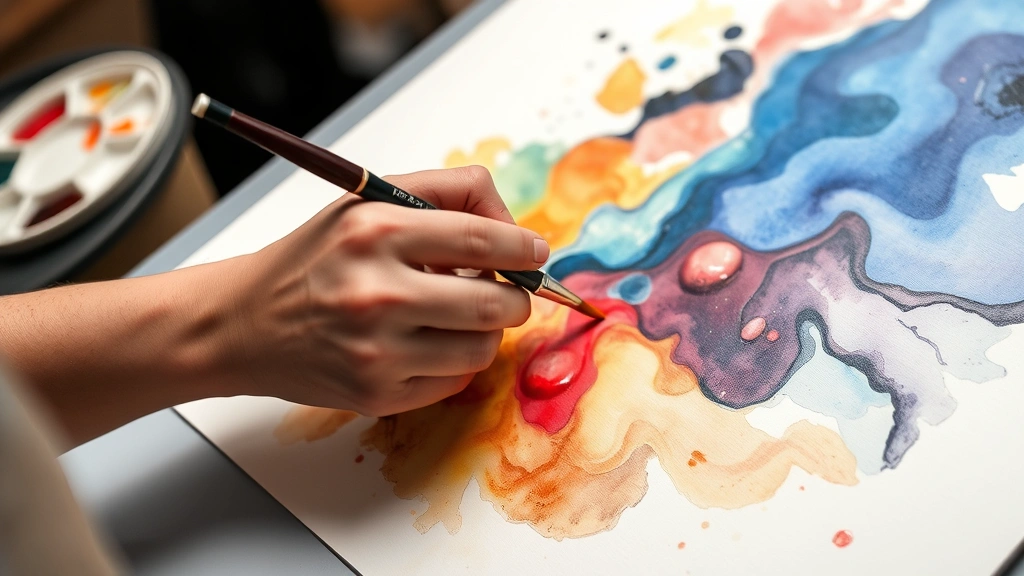
Clinical evidence demonstrates that art therapy effectively addresses numerous mental health conditions. For individuals experiencing anxiety disorders, art therapy provides a non-threatening avenue for expressing worried thoughts and exploring underlying fears. The physical act of creating—moving a brush, molding clay, or arranging colors—engages the body in ways that activate the parasympathetic nervous system, counteracting the fight-or-flight response characteristic of anxiety states.
Depression treatment through art therapy involves externalization of internal emotional states. By transforming depressive thoughts into visual form, individuals gain psychological distance from their symptoms, enabling observation and analysis rather than immersion in negative emotions. This process parallels the cognitive-behavioral principle of cognitive defusion, where individuals learn to view thoughts as mental events rather than absolute truths. Art therapists working with depressed clients often report increased motivation, improved sleep, and enhanced social engagement following consistent participation in creative activities.
For trauma survivors, art therapy offers particular advantages. Traditional verbal processing of traumatic memories can sometimes retraumatize individuals by forcing them to articulate experiences that remain partially encoded in sensory and emotional memory rather than linguistic memory. Art-making allows trauma processing through multiple modalities simultaneously. Individuals can express traumatic experiences through color, form, and symbolism without necessarily verbalizing details. Research on cognitive-behavioral approaches demonstrates that multimodal processing enhances treatment outcomes.
Children and adolescents with developmental disorders, autism spectrum disorder, and attention-deficit/hyperactivity disorder benefit significantly from art therapy. The non-judgmental creative environment accommodates diverse communication styles and learning preferences. Many young individuals who struggle with traditional verbal expression find that art provides an accessible means of communicating internal experiences. Art therapy facilitates emotional regulation, social skills development, and improved self-esteem in pediatric populations.
Substance use disorder treatment increasingly incorporates art therapy as an adjunctive intervention. Creative expression helps individuals process the emotional pain that often underlies addictive behaviors. Art therapy supports the development of healthy coping mechanisms and identity reconstruction—essential components of recovery that extend beyond symptom reduction.
Emotional Processing and Self-Discovery
One of the most profound benefits of art therapy involves emotional processing and the development of self-awareness. Emotions that feel overwhelming or ineffable in conversation often become manageable when translated into visual form. An individual might struggle to describe the sensation of grief, yet through painting, sculpting, or collage, that grief becomes externalized and observable.
This externalization process serves multiple therapeutic functions. First, it creates psychological distance between the individual and the emotion, reducing the sense of being overwhelmed. Second, it facilitates communication with the therapist, who can help the individual explore what the artwork represents and what insights emerge from the creative process. Third, the artwork becomes a tangible record of emotional evolution, allowing individuals to track progress and recognize changes over time.
Self-discovery through art therapy often involves uncovering unconscious material and exploring identity questions. Adolescents navigating identity development, individuals questioning life purpose, and people experiencing major life transitions find that artistic exploration facilitates deeper self-understanding. The creative process becomes a mirror, reflecting back aspects of oneself that might otherwise remain hidden or unexamined. Understanding therapy goals and objectives helps individuals focus their self-discovery efforts.
Art therapy also supports the development of self-compassion and acceptance. As individuals witness their own creative expression without judgment, they often develop greater acceptance of themselves. The non-evaluative stance of art therapy—where there are no “right” or “wrong” artworks—directly counters the perfectionism and self-criticism that characterize many mental health conditions. This unconditional positive regard, combined with creative expression, cultivates self-acceptance and psychological flexibility.
Art Therapy in Clinical Settings
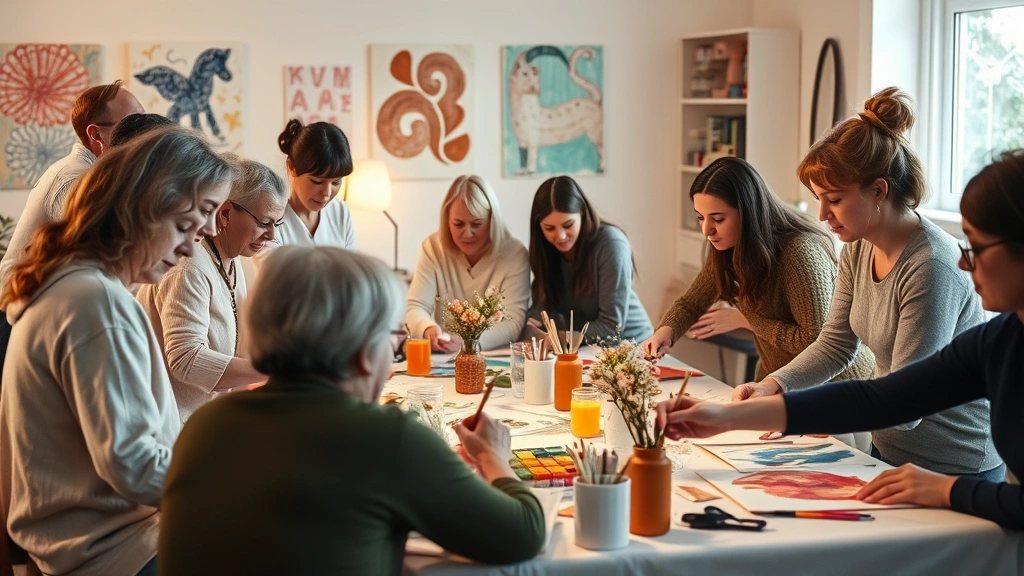
Art therapy has established itself as an evidence-based practice in hospitals, mental health clinics, rehabilitation centers, and private practice settings. In psychiatric hospitals, art therapy programs help stabilize acute symptoms and facilitate discharge planning. Therapists working with hospitalized individuals use art-making to assess psychological functioning, facilitate group cohesion, and provide therapeutic containment during crises.
Oncology and pain management programs increasingly employ art therapists to address the psychological distress accompanying serious illness. Creating art provides cancer patients and individuals with chronic pain a sense of agency and control in situations where medical circumstances feel overwhelming. The focus on creative process rather than disease symptoms offers psychological respite and dignity during challenging treatments.
School-based art therapy programs support students with emotional and behavioral challenges, learning disabilities, and social difficulties. Art therapists in educational settings collaborate with teachers and counselors to create supportive environments where struggling students can process emotions and develop coping skills. Research demonstrates that school-based art therapy improves academic engagement and reduces behavioral problems.
Correctional facilities employ art therapists to support rehabilitation and reduce recidivism. Incarcerated individuals often experienced trauma, abuse, and limited opportunities for emotional expression. Art therapy in correctional settings facilitates emotional processing, develops empathy, and supports identity reconstruction—factors research associates with reduced reoffending rates. The creative environment provides a powerful alternative to the dehumanizing aspects of incarceration.
Private practice art therapists work with clients seeking personal growth, creative exploration, and therapeutic support for various mental health conditions. The therapeutic relationship between art therapist and client, combined with the creative process, provides a unique healing modality that many individuals prefer to or combine with traditional talk therapy.
Comparing Effectiveness with Traditional Therapy
Research comparing art therapy with traditional talk therapy reveals that both modalities produce significant mental health improvements, with different advantages for different individuals. Meta-analyses examining art therapy outcomes demonstrate effect sizes comparable to established psychotherapies, indicating that art therapy produces clinically meaningful change.
Some individuals respond more readily to art therapy than verbal therapy. This variation may relate to cognitive style, personality preferences, or the nature of the psychological issue. Individuals with alexithymia—difficulty identifying and describing emotions—often benefit more from art therapy than therapies requiring sophisticated emotional vocabulary. Similarly, individuals with trauma histories, particularly those with fragmented or dissociated memories, may find art-making more accessible than verbal narrative.
The complementary nature of art therapy and traditional therapy suggests that combined approaches may optimize outcomes. An individual might engage in weekly talk therapy with a licensed counselor while attending art therapy groups, leveraging the strengths of both modalities. Understanding therapy costs helps individuals make informed decisions about treatment combinations.
Art therapy demonstrates particular effectiveness for conditions that involve sensory and motor memory components. Trauma, anxiety, and somatic symptoms often involve the body in ways that verbal processing doesn’t fully address. The embodied nature of art-making—engaging muscles, senses, and motor planning—provides therapeutic benefits that extend beyond cognitive processing. Research from the National Institute of Mental Health supports multimodal treatment approaches that engage multiple brain systems.
Furthermore, art therapy’s non-threatening nature often facilitates engagement from individuals resistant to traditional therapy. The focus on creative expression rather than psychological analysis can feel less intimidating, enabling individuals to develop trust and therapeutic alliance more readily. This accessibility to resistant populations represents a significant clinical advantage.
Accessibility and Cost Considerations
Accessibility represents both a strength and challenge in art therapy. The practice requires minimal materials—paper, basic art supplies, and a safe space—making it theoretically accessible to diverse populations and economic circumstances. Community art centers, public health clinics, and non-profit organizations increasingly offer art therapy services at reduced costs or sliding scale fees, expanding access beyond private practice.
However, insurance coverage for art therapy varies significantly by region and insurance provider. Many insurance plans now recognize art therapy as a legitimate therapeutic intervention and provide coverage, particularly when provided by licensed art therapists. Understanding therapy cost structures and insurance coverage helps individuals access services. Individuals should verify coverage with their specific insurance provider and ask therapists about payment options.
The training and credentialing of art therapists varies by location. In many states and countries, Art Therapy Credential Board (ATCB) certification indicates that a practitioner has met rigorous educational and clinical training standards. Seeking certified or licensed art therapists ensures access to qualified professionals with appropriate training in both art and mental health.
Digital art therapy platforms have emerged, increasing accessibility for individuals with mobility limitations, transportation barriers, or geographic isolation. While in-person art therapy offers advantages related to the tangible creative process and direct therapeutic relationship, virtual platforms enable individuals to access qualified therapists regardless of location. Hybrid approaches combining in-person and virtual sessions optimize accessibility while maintaining therapeutic effectiveness.
Community-based art programs, while not necessarily providing clinical art therapy, offer creative engagement opportunities with documented mental health benefits. Recognizing that informal creative participation also supports psychological well-being, communities increasingly support accessible art programming as a public health initiative. Whether through clinical art therapy or community creative programs, increasing opportunities for artistic engagement represents an important mental health strategy.
Frequently Asked Questions
What qualifications should I look for in an art therapist?
Seek art therapists with credentials from the Art Therapy Credentials Board (ATCB), state licensure as a Licensed Professional Counselor (LPC) or Licensed Marriage and Family Therapist (LMFT) with art therapy specialization, and graduate training in both art and mental health. Verify credentials through state licensing boards and professional organizations. The American Art Therapy Association provides resources for locating qualified practitioners.
How long does it take to see benefits from art therapy?
Some individuals report feeling calmer and more emotionally regulated after a single session. However, meaningful psychological change typically requires consistent engagement over weeks or months. Most therapists recommend weekly sessions for 8-12 weeks as a minimum duration to assess effectiveness. Individual response varies based on the presenting issue, therapeutic relationship, and personal factors.
Is art therapy only for people with artistic talent?
Absolutely not. Art therapy explicitly does not require artistic skill or talent. The therapeutic value derives from the creative process itself, not the product quality. Individuals without any art experience often benefit most significantly, as they lack preconceived notions about “correct” artistic expression and can engage more freely in the creative process.
Can art therapy treat severe mental illness?
Art therapy effectively complements treatment for severe mental illnesses including schizophrenia, bipolar disorder, and severe depression. However, art therapy typically serves as an adjunctive treatment alongside medication management and other therapeutic interventions rather than as a standalone treatment. Individuals with acute psychiatric symptoms should engage with comprehensive treatment teams rather than relying solely on art therapy.
How does art therapy differ from art classes?
Art classes focus on developing artistic skills and technique. Art therapy prioritizes the therapeutic process and psychological benefits of creative expression, with a trained mental health professional facilitating exploration of emotional and psychological material. While both involve creating art, the therapeutic intention and professional framework differ significantly.
Is art therapy covered by insurance?
Many insurance plans now cover art therapy when provided by licensed, credentialed art therapists. Coverage varies significantly by insurance provider, state regulations, and specific plan. Contact your insurance provider directly to verify coverage, and ask potential art therapists about their insurance billing practices and payment options.