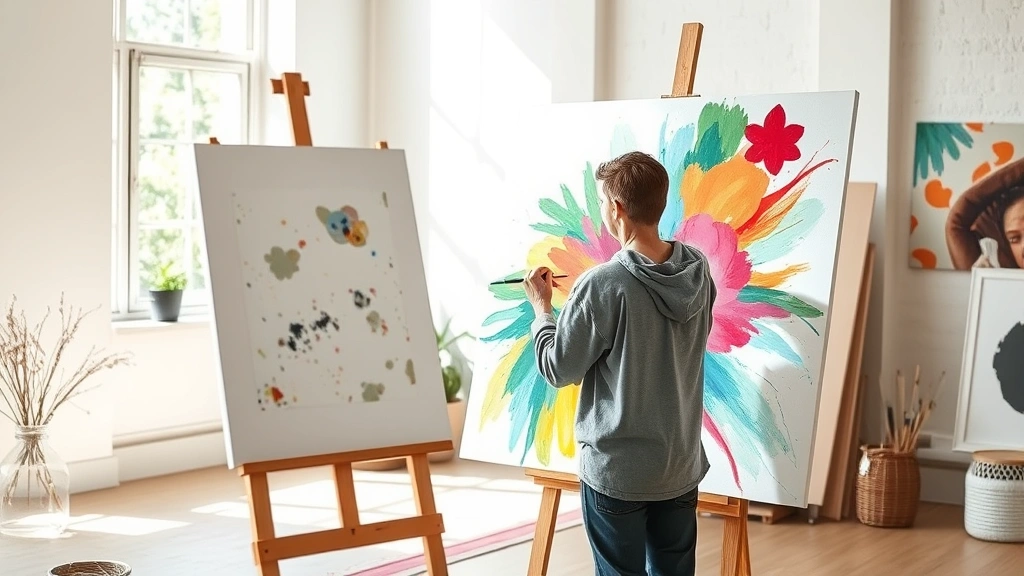
Can Art Therapy Improve Mental Health? Expert Insights
Art therapy has emerged as a compelling therapeutic approach that combines creative expression with mental health treatment. Unlike traditional talk therapy, art therapy harnesses the power of visual arts—painting, drawing, sculpture, and mixed media—to help individuals process emotions, trauma, and psychological challenges. The practice operates on the principle that creative expression can bypass verbal limitations and access deeper emotional truths that words alone cannot reach.
Mental health professionals worldwide are increasingly recognizing art therapy as a legitimate and effective intervention. Research from the American Art Therapy Association and numerous peer-reviewed studies demonstrate measurable improvements in anxiety, depression, PTSD, and other mental health conditions. This comprehensive guide explores the scientific evidence, mechanisms of action, and practical applications of art therapy in mental health treatment.
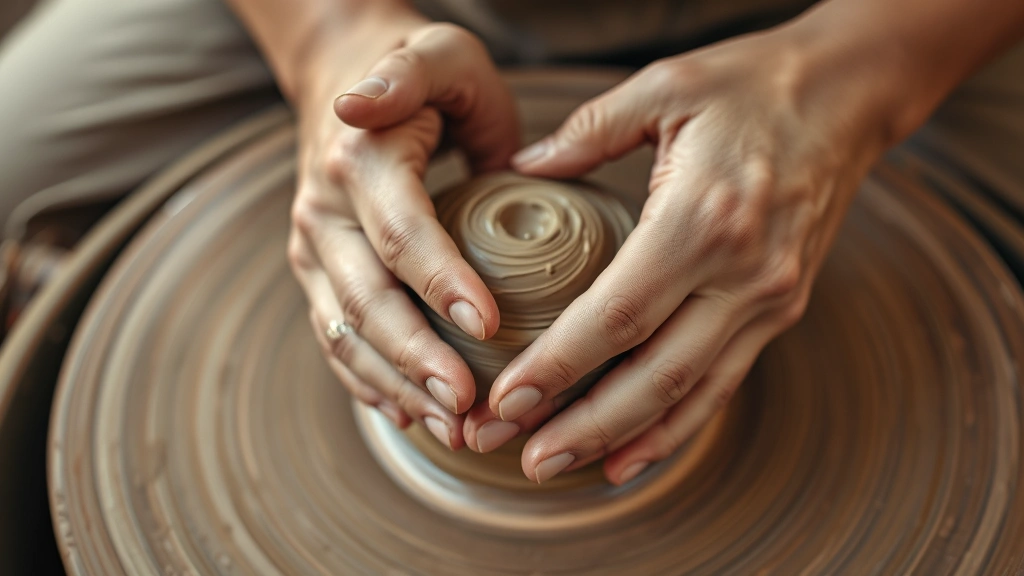
What is Art Therapy and How Does It Work
Art therapy is a mental health profession that uses the creative process of making art to improve and enhance physical, mental, and emotional well-being. Certified art therapists hold master’s degrees and complete extensive clinical training, distinguishing them from artists or general art instructors. The therapeutic relationship between client and art therapist creates a safe container for exploration, where the artwork itself becomes a vehicle for communication and healing.
The fundamental mechanism of art therapy operates through several interconnected processes. When individuals engage in creative expression, they externalize internal experiences—thoughts, feelings, and memories that may be difficult to articulate verbally. This externalization creates psychological distance, allowing clients to observe and reflect on their experiences more objectively. The non-judgmental nature of the creative process encourages risk-taking and authentic self-expression without fear of evaluation.
Art therapy differs fundamentally from recreational art or art classes. While those activities offer enjoyment and skill development, art therapy specifically integrates psychological theory, understanding of human development, and evidence-based interventions. The art therapist guides clients through the creative process, helping them identify patterns, develop insights, and implement behavioral changes. This could involve exploring cognitive behavioral therapy techniques through artistic metaphor or using mindfulness-based approaches during the creative process.
Scientific Evidence Supporting Art Therapy
Extensive research demonstrates the efficacy of art therapy across diverse populations and mental health conditions. A systematic review published in PLOS ONE examined 67 studies and found strong evidence that art therapy produces significant improvements in psychological distress, anxiety, and depression symptoms. The effect sizes were comparable to other established psychotherapeutic interventions.
Neuroimaging studies reveal that art-making activates multiple brain regions associated with emotional regulation, memory processing, and self-reflection. Research from the University of Florida demonstrated that just 45 minutes of creative art-making significantly reduced cortisol levels—the primary stress hormone—regardless of artistic skill or experience. This physiological change correlates with subjective reports of reduced anxiety and improved mood.
A landmark study published in the Journal of the American Art Therapy Association tracked 100 trauma survivors receiving art therapy and found that 80% showed clinically significant reductions in PTSD symptoms after 12 weeks of treatment. These results remained stable at six-month and one-year follow-ups, suggesting lasting behavioral change rather than temporary relief.
The evidence base continues expanding. Meta-analyses conducted by Cochrane Reviews have examined art therapy’s effectiveness for specific populations, including children with behavioral disorders, elderly individuals with dementia, and cancer patients experiencing treatment-related anxiety. Results consistently show positive outcomes, though researchers note that effect sizes vary depending on the quality of the therapeutic relationship and the expertise of the art therapist.
Art Therapy for Specific Mental Health Conditions
Art therapy demonstrates particular effectiveness for trauma and PTSD. The creative process allows trauma survivors to gradually process overwhelming experiences without becoming re-traumatized through verbal exposure. Clients can control the pace and intensity of their work, revisiting traumatic material at their own rhythm. Many therapists use directive art prompts—such as drawing the trauma, creating a safe place, or visualizing resilience—to structure the therapeutic work.
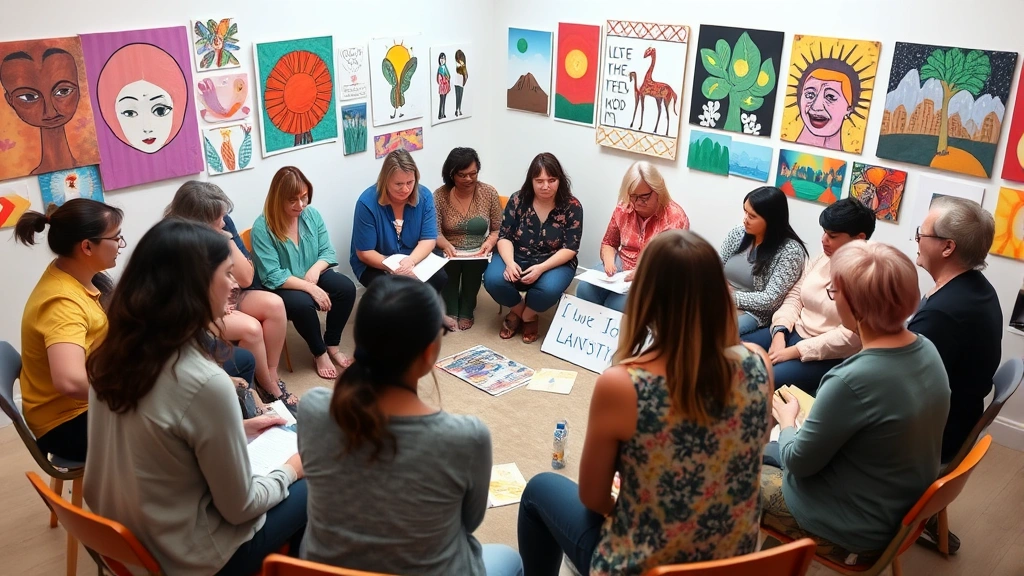
For depression, art therapy provides multiple benefits. The act of creating something tangible offers a sense of accomplishment and agency, counteracting the helplessness and hopelessness characteristic of depressive episodes. Engaging with color, texture, and form stimulates sensory awareness and present-moment focus, breaking the rumination cycles that perpetuate depression. Group art therapy sessions add social connection, addressing the isolation that often accompanies mood disorders.
Anxiety disorders respond well to art therapy’s combination of relaxation and expression. The rhythmic, meditative quality of certain art activities—such as mandala drawing or clay work—activates the parasympathetic nervous system, naturally reducing physiological arousal. Simultaneously, clients can externalize worry and fear through their artwork, gaining perspective on anxious thoughts. This integrates principles from cognitive behavioral therapy for anxiety disorders with somatic benefits.
Adolescents with behavioral challenges and self-harm behaviors benefit significantly from art therapy. The non-verbal nature of creative expression appeals to teenagers who resist traditional talk therapy. Art provides an alternative channel for intense emotions, offering healthier expression than destructive behaviors. The concrete products of art-making serve as tangible records of progress, motivating continued engagement in treatment.
Art therapy also addresses eating disorders, body image issues, and chronic illness adjustment. Clients can explore their relationship with their bodies through art, processing shame and reclaiming agency. For individuals managing chronic conditions, art therapy reduces anxiety, improves coping skills, and enhances quality of life. Some medical facilities now integrate art therapy into complementary health approaches alongside conventional medical treatment.
The Creative Process and Brain Function
The neurobiology underlying art therapy’s effectiveness involves multiple brain systems. The prefrontal cortex, responsible for executive function and emotional regulation, shows increased activation during art-making. The limbic system, which processes emotions and memories, becomes more integrated with the prefrontal cortex, facilitating emotional processing and regulation. This neurological integration represents the foundation of psychological healing.
The default mode network—a collection of brain regions active during self-referential thinking and mind-wandering—shows altered patterns during creative expression. This shift helps interrupt rumination and negative thought spirals. Simultaneously, the dorsal attention network, associated with focused attention, engages during intentional creative work, creating a balanced state of relaxed focus that many describe as “flow.”
Mirror neuron systems activate when observing or creating art, facilitating empathy and interpersonal connection. During group art therapy, participants’ mirror neuron systems resonate with others’ emotional expressions, creating shared understanding and social bonding. This neurobiological mechanism explains why witnessing others’ creative work in therapeutic settings promotes healing and connection.
The right hemisphere, typically associated with holistic processing, emotional awareness, and non-verbal communication, becomes particularly engaged during art-making. For individuals with trauma or anxiety, this right-hemisphere activation provides access to emotional material that logical, left-hemisphere processing might suppress. Art therapy thus creates conditions for integrated, whole-brain processing of psychological material.
Art Therapy vs Traditional Psychotherapy
Art therapy and traditional talk therapy each offer distinct advantages, and many clients benefit from integrated treatment combining both approaches. Talk therapy excels at developing insight through verbal analysis, exploring cognitive patterns, and building narrative understanding. The therapist’s interpretations and Socratic questioning help clients understand their psychology intellectually.
Art therapy accesses psychological material through different pathways. Some individuals struggle to articulate their experiences verbally, particularly those with trauma histories or neurodevelopmental differences. Art bypasses language limitations, allowing direct emotional expression. The concrete nature of artwork provides material for discussion, creating a shared focus that can reduce the intensity of direct eye contact or verbal intimacy that some clients find threatening.
Research comparing outcomes suggests that integrated treatment—combining art therapy with cognitive behavioral therapy or other modalities—often produces superior results to either approach alone. Art therapy softens psychological defenses and opens emotional channels, making clients more receptive to cognitive work. Conversely, cognitive insights help clients contextualize and consolidate the emotional learning from their artwork.
The therapeutic relationship differs subtly between modalities. In talk therapy, the therapist’s primary tool is their presence and verbal responses. In art therapy, the artwork itself becomes a third presence in the room—a transitional object that mediates the relationship. This triangular dynamic can feel less confrontational for clients with relationship trauma or interpersonal anxiety. The focus on the artwork rather than the person can paradoxically deepen authentic self-disclosure.
Getting Started with Art Therapy
Finding a qualified art therapist requires verification of credentials. The Art Therapy Credentials Board (ATCB) certifies art therapists who have completed master’s-level education, supervised clinical practice, and passed rigorous examinations. Look for credentials including “Art Therapist-Board Certified” (ABTC) or “Registered Art Therapist” (ARATH). These designations ensure the professional has substantial training in both psychology and therapeutic applications of art.
When seeking art therapy, consider your specific mental health goals and treatment preferences. Some therapists specialize in trauma, others in child development or geriatric populations. Individual therapy provides intensive, personalized work, while group art therapy offers community connection and peer support. Many insurance plans cover art therapy when provided by credentialed professionals with proper diagnoses, though coverage varies by region and plan.
Preparing for your first session involves releasing expectations about artistic ability or product quality. Art therapy prioritizes process over product; your artwork need not be beautiful, representational, or skillfully executed. The therapist’s role is facilitating your creative expression and helping you explore what emerges, not critiquing your artistic merit. Come with openness to the unexpected and willingness to experiment.
If you’re exploring complementary approaches to mental health, consider how art therapy might integrate with other treatments you’re receiving. Discuss your art therapy with your primary therapist or psychiatrist to ensure coordinated care. Some individuals combine art therapy with various therapy modalities or explore resources through therapy resource websites for comprehensive treatment planning.
Many communities offer art therapy in clinical settings, hospitals, community mental health centers, and private practices. Some universities with art therapy programs offer reduced-cost services through training clinics. Online art therapy has also emerged as an option, though in-person work allows for more nuanced observation of creative materials and processes. Explore therapy-related resources to understand the broader mental health landscape and your treatment options.
FAQ
Is art therapy effective for severe mental illness?
Art therapy can be beneficial as part of comprehensive treatment for serious mental illness including schizophrenia, bipolar disorder, and major depression. It works best integrated with medication management, psychiatric care, and other evidence-based treatments rather than as a standalone intervention. Art therapy helps manage symptoms, improve coping, and enhance quality of life alongside other necessary treatments.
Do I need to be artistic to benefit from art therapy?
No. Artistic skill is entirely irrelevant to art therapy’s effectiveness. The therapeutic value comes from the creative process and emotional expression, not artistic achievement. Many clients report that their lack of artistic training actually helps them approach art-making without self-consciousness or perfectionism, allowing more authentic expression.
How long does art therapy take to show results?
Some clients report feeling calmer and more emotionally aware after a single session. However, meaningful psychological change typically requires consistent engagement over weeks or months. Most research studies showing significant symptom reduction involved 8-16 weekly sessions. The timeline depends on your specific condition, treatment goals, and consistency of participation.
Can children benefit from art therapy?
Yes, children often benefit more readily from art therapy than talk therapy, as they may lack the verbal sophistication to discuss complex emotions. Art therapy helps children process trauma, manage anxiety, develop emotional regulation skills, and improve behavioral functioning. Play-based and art-based approaches align well with how children naturally process experience.
Is art therapy covered by insurance?
Many insurance plans cover art therapy when provided by credentialed professionals and when treatment addresses a diagnosed mental health condition. However, coverage varies significantly by insurance company, plan type, and geographic location. Contact your insurance provider to verify benefits and inquire about any requirements for referrals or pre-authorization.
What materials are used in art therapy?
Art therapists use diverse materials including paints, markers, colored pencils, clay, collage materials, pastels, and mixed media. The therapist selects materials based on treatment goals and client needs. Some materials promote emotional expression, others encourage fine motor control and focus. Clients also have choice in materials, which itself becomes part of the therapeutic process.