Art Therapy Benefits: Insights from Experts
Art therapy represents one of the most innovative and evidence-based approaches to mental health treatment available today. By combining creative expression with psychological principles, art therapy enables individuals to process emotions, trauma, and life challenges in ways that traditional talk therapy sometimes cannot access. Unlike conventional cognitive behavioral therapy for generalized anxiety disorder, art therapy engages the brain’s visual and motor systems, creating multiple pathways for healing and self-discovery.
The practice has gained substantial recognition from mental health professionals worldwide, with research demonstrating measurable improvements in anxiety, depression, PTSD, and behavioral disorders. Experts in the field emphasize that art therapy is not about creating beautiful artwork—instead, it focuses on the therapeutic process itself. Whether you’re exploring therapy resources and information or seeking specialized treatment options, understanding art therapy’s benefits can open new possibilities for emotional wellness.
What Is Art Therapy and How It Works
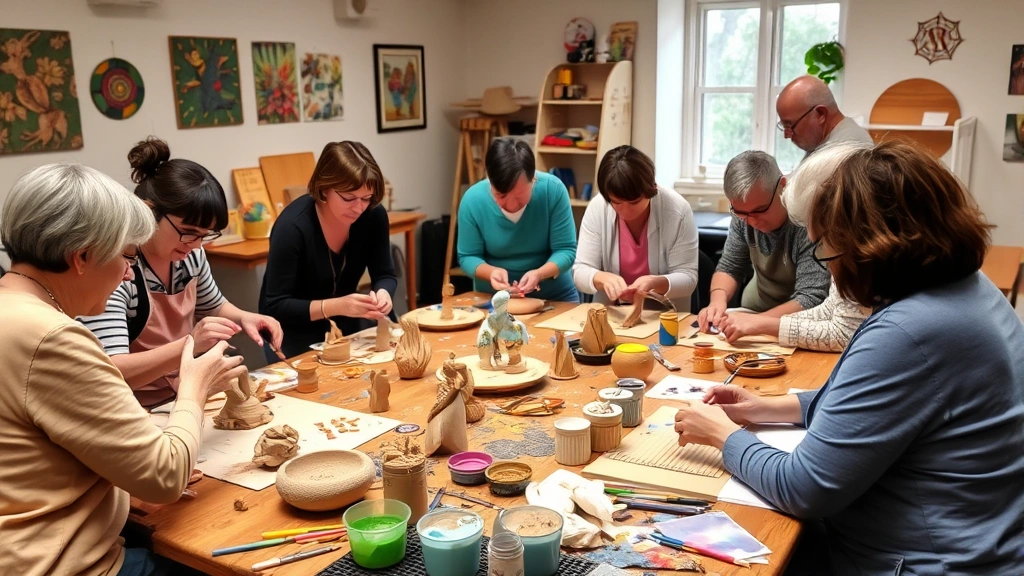
Art therapy is a mental health profession that uses the creative process of making art to improve and enhance physical, mental, and emotional well-being. Certified art therapists combine knowledge from psychology, human development, and artistic techniques to facilitate therapeutic change. The process involves creating visual art—paintings, drawings, sculpture, collage, or mixed media—under the guidance of a trained professional who interprets the creative work within a psychological framework.
The fundamental principle behind art therapy rests on the understanding that the creative process itself is healing. When individuals engage in artistic expression, they bypass the analytical mind and access the limbic system, which processes emotions and memories. This direct access to emotional centers allows people to express feelings that may be difficult or impossible to articulate verbally. Research from the American Psychological Association confirms that art-making activates reward pathways in the brain, releasing dopamine and reducing cortisol levels.
Art therapists work across diverse settings, from private practice to hospitals, schools, and rehabilitation centers. Professionals in occupational therapy jobs and art therapy positions utilize similar holistic approaches to promote client wellness. The therapeutic relationship between therapist and client remains central—the art becomes a bridge for communication and understanding rather than a product to be judged or critiqued.
Neurobiological Benefits of Creative Expression
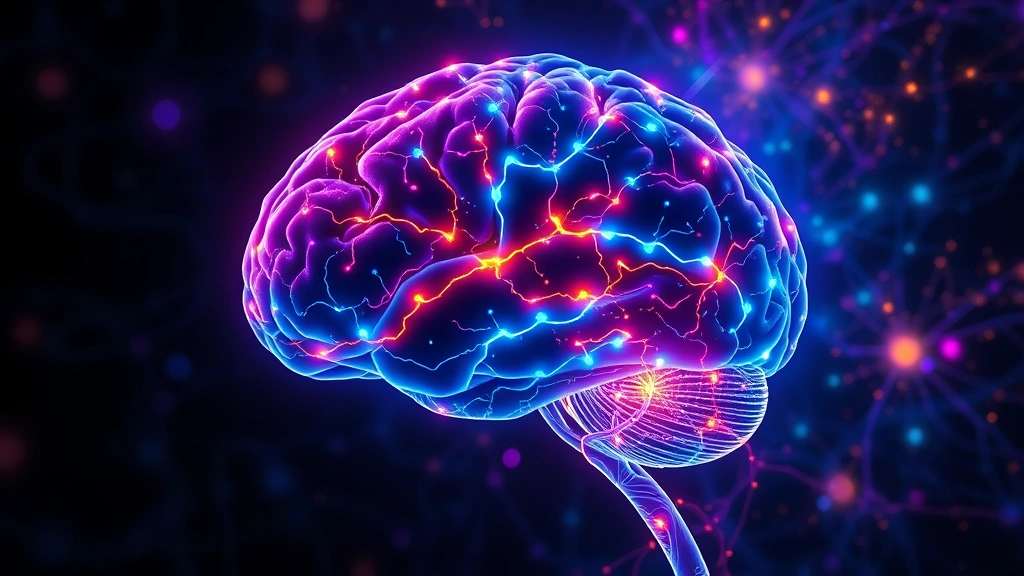
When you engage in art-making, your brain undergoes significant neurochemical and structural changes. Neuroscientific research demonstrates that creative activities stimulate multiple brain regions simultaneously, including the prefrontal cortex (responsible for planning and decision-making), the limbic system (emotional processing), and the motor cortex (physical expression). This simultaneous activation creates neural pathways that strengthen cognitive flexibility and emotional regulation.
One of the most profound benefits involves the reduction of the stress hormone cortisol. Studies published in peer-reviewed journals show that just 45 minutes of creative activity can significantly lower cortisol levels, regardless of artistic skill or experience. This physiological shift has cascading effects on immune function, sleep quality, and overall health resilience. The parasympathetic nervous system—your body’s relaxation response—becomes activated during art-making, essentially putting your system into a state conducive to healing.
Additionally, art therapy promotes neuroplasticity, the brain’s ability to reorganize and form new neural connections. This capacity proves particularly valuable for individuals recovering from trauma, stroke, or neurodegenerative conditions. The creative process encourages the brain to develop alternative pathways for processing information and emotions, which explains why art therapy often produces results when other interventions have plateaued. Research from Frontiers in Human Neuroscience documents how creative engagement strengthens connections between brain hemispheres, enhancing integrated thinking and emotional processing.
The embodied nature of art-making—the physical act of creating—also triggers proprioceptive and vestibular feedback, which helps regulate the nervous system. This explains why art therapy proves particularly effective for individuals with trauma histories, whose nervous systems may be dysregulated. Professionals specializing in red light therapy for back pain and other somatic therapies recognize similar principles about how physical engagement facilitates psychological healing.
Art Therapy for Mental Health Conditions
Clinical evidence supports art therapy’s effectiveness across a comprehensive range of mental health diagnoses. For individuals struggling with depression, art therapy provides a non-verbal outlet for expressing the numbness, hopelessness, and emotional pain that often resist verbal articulation. The creative process itself becomes an act of agency and hope—the physical evidence of creating something tangible counteracts depressive narratives of worthlessness.
In anxiety disorders, art therapy helps clients externalize worries and fears onto paper or canvas, creating psychological distance from overwhelming emotions. This externalization allows individuals to observe their anxiety patterns more objectively and develop coping strategies. The meditative aspects of repetitive artistic activities—such as drawing, painting, or sculpting—activate the relaxation response and reduce hyperarousal symptoms.
For individuals with post-traumatic stress disorder (PTSD), art therapy offers a powerful avenue for processing traumatic memories without requiring extensive verbal recounting. Trauma becomes encoded in the brain’s visual and sensory systems; therefore, visual expression can access and transform these memories more directly than talk therapy alone. Art therapists help clients gradually process traumatic imagery in controlled, manageable ways, allowing the nervous system to complete interrupted protective responses.
Art therapy also demonstrates significant efficacy for substance abuse recovery. The creative process provides healthy dopamine stimulation, reducing cravings and withdrawal symptoms. Additionally, art-making builds self-esteem and provides meaningful engagement during early recovery when individuals are vulnerable to relapse. Many rehabilitation facilities now integrate art therapy as a core component of their treatment protocols.
Eating disorders, self-harm behaviors, and behavioral problems respond well to art therapy because it channels destructive impulses into creative outlets. Adolescents and children particularly benefit, as they often lack the verbal sophistication to discuss psychological pain but can readily express themselves through visual media. The non-judgmental, creative container allows individuals to explore their relationships with their bodies and emotions safely.
Populations That Benefit Most from Art Therapy
Children and adolescents represent primary beneficiaries of art therapy. Developmental psychology recognizes that children process experience through play and creative expression before developing abstract verbal reasoning. Art therapy meets children where they are developmentally, allowing them to address behavioral issues, trauma, learning disabilities, and social-emotional challenges through natural creative play.
Older adults experiencing cognitive decline, dementia, or grief find significant value in art therapy. Creative engagement stimulates memory, maintains cognitive function, and provides meaningful activity that combats isolation and depression common in aging populations. The non-verbal nature of art-making proves particularly valuable for individuals with aphasia or advanced dementia who have lost verbal communication abilities.
Individuals with autism spectrum disorder and other neurodivergent conditions often excel in art therapy. The structured yet creative nature of artistic expression accommodates different sensory processing styles and communication preferences. Many autistic individuals find visual and kinesthetic expression more accessible than verbal communication, making art therapy an ideal therapeutic modality.
Medical patients undergoing cancer treatment, chronic illness management, or physical rehabilitation benefit from art therapy’s capacity to restore agency and control. Hospital-based art therapy programs have documented improvements in pain perception, medication efficacy, and emotional adjustment to medical conditions. Professionals in physical therapy in Las Vegas and other rehabilitation settings increasingly collaborate with art therapists to address the emotional dimensions of recovery.
Incarcerated individuals demonstrate remarkable therapeutic gains through art therapy programs. The creative process provides constructive behavioral outlets, reduces institutional violence, and facilitates emotional processing that supports rehabilitation and successful reentry. Art therapy in correctional settings has documented measurable reductions in recidivism rates.
Art Therapy in Clinical Settings
Art therapy has become increasingly integrated into mainstream healthcare and mental health treatment systems. Hospitals now employ art therapists in oncology departments, psychiatric units, pediatric wards, and rehabilitation centers. These professionals collaborate with physicians, psychologists, social workers, and other specialists to provide comprehensive, integrated care that addresses the whole person rather than isolated symptoms.
In psychiatric hospitals, art therapy serves multiple functions: diagnostic assessment (art can reveal unconscious content and emotional states), symptom management (creative engagement reduces acute distress), and skill-building (art-making develops coping strategies and emotional regulation). Group art therapy sessions in inpatient settings build community, reduce isolation, and normalize mental health challenges through shared creative experience.
School-based art therapy addresses behavioral problems, trauma, learning disabilities, and social-emotional development. School art therapists work with individual students, small groups, and whole classrooms to create emotionally safe learning environments. They collaborate with teachers, school psychologists, and special education professionals to support student success. Similarly, professionals pursuing speech therapy jobs and other school-based therapeutic roles understand the importance of integrated mental health support in educational settings.
Private practice art therapists provide individual and family therapy, often specializing in particular populations or conditions. These practitioners may combine art therapy with other modalities, creating integrative treatment approaches tailored to individual client needs. Insurance increasingly covers art therapy when provided by licensed, credentialed professionals, making treatment more accessible.
Expert Perspectives on Art Therapy Effectiveness
Leading art therapy researchers and practitioners emphasize that effectiveness depends on several critical factors. First, the therapist’s training and credentials matter significantly. Certified art therapists (ATR-BC or AATA credentials) possess specialized knowledge integrating psychology, human development, and artistic technique in ways that untrained facilitators cannot replicate. These professionals understand how to interpret visual content therapeutically, maintain appropriate boundaries, and adapt interventions to individual needs.
Dr. Edith Kramer, a pioneering art therapist, emphasized that the creative process itself—not the finished product—constitutes the therapeutic agent. This principle remains central to contemporary practice. Expert art therapists focus on the experience of making art, the choices individuals make during creation, and the meanings they attribute to their work, rather than evaluating aesthetic quality or technical skill.
Contemporary research from the National Institute of Health demonstrates that art therapy produces measurable neurobiological changes, quantifiable symptom reduction, and improved functional outcomes across diverse populations. Meta-analyses confirm effect sizes comparable to or exceeding many pharmaceutical interventions for anxiety and depression, without adverse side effects.
Experts note that art therapy works synergistically with other treatments. Combined with medication management, talk therapy, and lifestyle interventions, art therapy accelerates recovery and enhances overall outcomes. The creative engagement provides unique benefits that complement rather than replace other evidence-based approaches. Mental health professionals increasingly recommend art therapy as part of comprehensive treatment plans because research validates its efficacy.
Getting Started with Art Therapy
If you’re interested in exploring art therapy, several pathways exist. First, seek a credentialed art therapist. Look for professionals with AATA (Art Therapy Credentials Board) certification or state licensure. These credentials indicate completion of rigorous training, supervised practice, and demonstrated competence. Your primary care physician, mental health provider, or local mental health association can provide referrals to qualified art therapists in your area.
Second, understand what to expect in sessions. Art therapy sessions typically last 50-60 minutes and occur weekly, though frequency varies based on individual needs and treatment goals. You’ll work in a non-judgmental environment where the focus remains on your creative process rather than artistic skill. The therapist may provide prompts or open-ended invitations to create, allowing you to choose materials and directions that feel meaningful.
Third, consider your specific needs. Are you processing trauma, managing anxiety, recovering from addiction, or seeking personal growth? Different art therapists specialize in particular populations and conditions. Finding a practitioner whose expertise aligns with your needs optimizes outcomes. Many therapists offer consultation calls to discuss whether art therapy suits your situation.
Fourth, explore insurance coverage. Increasingly, insurance plans cover art therapy when provided by credentialed professionals with appropriate licensure. Contact your insurance provider to understand coverage, required documentation, and authorization processes. Some therapists work on sliding scale fees for uninsured individuals.
You can also explore art therapy through workshops, community centers, or online resources while seeking individual therapy. Many organizations offer introductory art therapy experiences that help you determine whether this modality resonates with you. The key involves finding qualified professionals and approaching the process with openness and curiosity about what creative expression might reveal and heal.
Frequently Asked Questions
What’s the difference between art therapy and art classes?
Art classes focus on teaching artistic technique and skill development, with emphasis on creating aesthetically pleasing products. Art therapy, by contrast, prioritizes the psychological and emotional benefits of the creative process itself. An art therapist interprets the work within a psychological framework, helping clients understand connections between their creative choices and emotional states. The therapeutic relationship and psychological expertise distinguish art therapy from artistic instruction.
Do I need artistic talent or experience for art therapy?
Absolutely not. Art therapy explicitly does not require artistic ability, training, or experience. In fact, people often benefit most when they release concerns about skill or product quality and focus purely on the creative process. Art therapists work with individuals of all abilities, from those who’ve never picked up a paintbrush to experienced artists seeking psychological benefit from their creative work.
Is art therapy appropriate for children?
Yes, art therapy proves particularly effective for children. Young children naturally express themselves through play and creative media before developing sophisticated verbal language. Art therapy meets children developmentally appropriate, allowing them to process emotions, address behavioral concerns, and build coping skills through creative expression. Many child psychologists and pediatricians recommend art therapy as a primary intervention for childhood mental health concerns.
Can art therapy replace medication or other treatments?
Art therapy works best as part of comprehensive treatment plans. For many conditions, combining art therapy with medication, cognitive-behavioral therapy, and lifestyle changes produces optimal outcomes. Your mental health provider can help determine whether art therapy should be your primary intervention or one component of integrated treatment. Never discontinue prescribed medications without professional guidance.
How long does it take to see results from art therapy?
Some people experience immediate relief and insights from their first session, while others require weeks or months of consistent engagement to notice significant changes. Results depend on the condition being treated, the individual’s openness to the process, the therapist’s skill, and frequency of sessions. Most people benefit from weekly sessions for at least 8-12 weeks before evaluating effectiveness, though some conditions require longer-term engagement.
Is art therapy covered by insurance?
Many insurance plans cover art therapy when provided by credentialed, licensed professionals. Coverage varies by plan, provider, and state regulations. Contact your insurance company to inquire about coverage, required documentation, and authorization processes. If insurance doesn’t cover art therapy, many practitioners offer sliding scale fees or payment plans to increase accessibility.