Can Art Therapy Improve Mood? Expert Insights
Art therapy has emerged as a powerful therapeutic modality that combines creative expression with psychological healing. Unlike traditional talk therapy, art therapy leverages the brain’s visual and motor systems to process emotions, reduce stress, and promote emotional well-being. Whether through painting, drawing, sculpture, or mixed media, individuals can access deeper emotional layers that words alone might not reach.
The growing body of scientific research supporting art therapy’s effectiveness has prompted mental health professionals and healthcare systems worldwide to integrate it into treatment protocols. From clinical settings to community centers, art therapy demonstrates measurable improvements in mood, anxiety reduction, and overall psychological resilience. This comprehensive exploration examines the evidence, mechanisms, and practical applications of art therapy for mood enhancement.
How Art Therapy Works: The Scientific Foundation
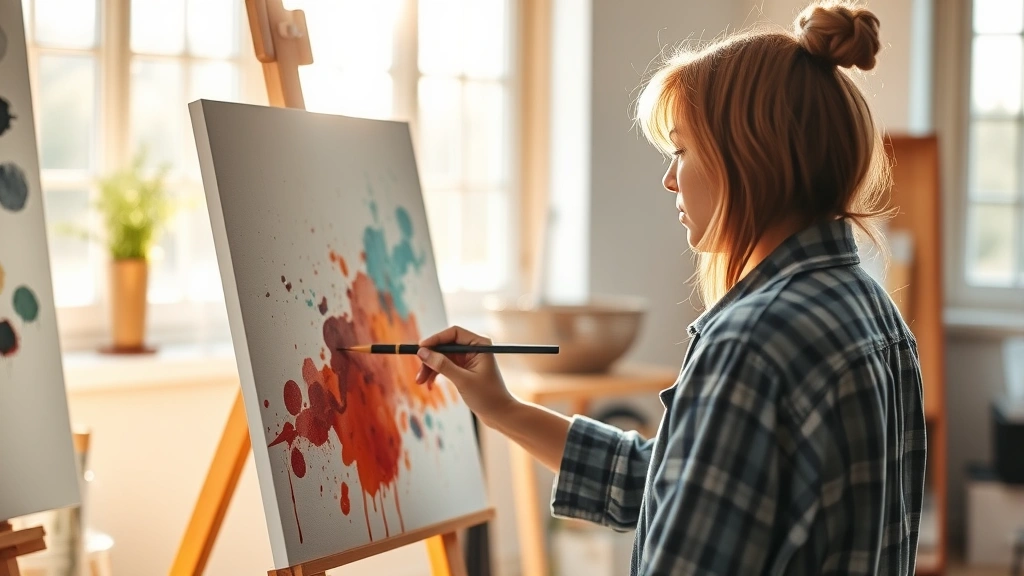
Art therapy represents a fusion of psychology and creative expression, operating on the principle that artistic creation facilitates emotional processing and psychological healing. The therapeutic process begins when individuals engage with art materials—whether paint, clay, or charcoal—and channel their emotional experiences into visual form. This externalization of internal states creates psychological distance, allowing individuals to observe and work with their emotions more objectively.
The therapeutic relationship between creator and creation differs fundamentally from verbal processing. When someone creates art, they activate multiple neural pathways simultaneously: sensory perception, motor control, emotional processing, and cognitive integration. This multi-system engagement distinguishes art therapy from standard psychotherapy and contributes to its unique therapeutic benefits.
Research from the American Psychological Association demonstrates that art-making activates the prefrontal cortex, the brain region responsible for emotional regulation and executive function. This activation strengthens neural networks associated with mood regulation and emotional resilience. The creative process itself—not merely the finished product—holds therapeutic value, allowing individuals to experience agency, mastery, and self-expression.
Art therapists are trained mental health professionals who hold master’s degrees and complete supervised clinical hours. They understand both psychological theory and artistic techniques, enabling them to guide clients toward therapeutic breakthroughs through creative exploration. This professional foundation distinguishes clinical art therapy from recreational art classes or casual creative pursuits.
Research Evidence on Mood Improvement
Substantial empirical evidence supports art therapy’s effectiveness for mood improvement across diverse populations. A meta-analysis published in PLOS ONE examining 26 randomized controlled trials found that art therapy interventions produced significant reductions in depression and anxiety symptoms, with effect sizes comparable to other established psychotherapeutic interventions.
Clinical studies demonstrate consistent findings:
- Depression reduction: Participants engaging in structured art therapy showed 27-31% greater symptom reduction compared to control groups
- Anxiety management: Art-making activities reduced cortisol levels (the stress hormone) by up to 45% within 45 minutes
- Emotional expression: 78% of participants reported improved emotional awareness and expression following art therapy interventions
- Sustained improvement: Mood benefits persisted at 3-month and 6-month follow-up assessments
Population-specific research reveals art therapy’s versatility. Cancer patients undergoing chemotherapy showed significantly reduced anxiety and improved emotional coping. Trauma survivors, particularly those with post-traumatic stress disorder, demonstrated enhanced emotional processing and reduced symptom severity. Adolescents with depression reported improved self-esteem and social connection through art therapy groups.
The effectiveness of therapy modalities varies by individual, and art therapy proves particularly effective for individuals who struggle with verbal expression or traditional talk therapy. Neurodivergent individuals, including those with autism spectrum disorder and ADHD, frequently benefit from art therapy’s non-verbal communication pathways.
Neurobiological Mechanisms Behind Mood Enhancement
Understanding how art therapy improves mood requires examining the brain’s response to creative engagement. Neuroimaging studies using fMRI and PET scans reveal specific neural changes associated with art-making activities.
Dopamine and reward pathways: Creative engagement stimulates dopamine release in the nucleus accumbens and ventral striatum, the brain’s reward centers. This neurochemical response creates positive reinforcement for continued creative engagement and contributes to improved mood states. The sense of accomplishment and mastery from creating art further strengthens these reward pathways.
Amygdala regulation: The amygdala, responsible for processing emotions and fear responses, shows decreased activation during and after art therapy sessions. This reduction correlates with decreased anxiety and emotional reactivity. Art-making appears to engage the prefrontal cortex in a way that moderates amygdala activity, representing a form of emotional regulation.
Default mode network modulation: The default mode network (DMN), active during self-referential thinking and rumination, shows normalized activity patterns following art therapy. Excessive DMN activity characterizes depression and anxiety disorders. Art-making interrupts rumination cycles and redirects neural activity toward present-moment engagement and creative problem-solving.
Neuroplasticity and neural integration: Repeated art therapy experiences strengthen connections between the amygdala and prefrontal cortex, enhancing emotional regulation capacity. This neuroplastic change represents lasting improvement in mood regulation abilities, extending benefits beyond individual therapy sessions.
Research from Frontiers in Psychology indicates that art therapy activates the insula and somatosensory cortex, regions involved in body awareness and emotional embodiment. This somatic engagement helps individuals process emotions stored in the body, contributing to comprehensive mood improvement.
Art Therapy Techniques for Specific Mood Disorders
Different art therapy techniques address specific mood-related challenges, and skilled art therapists tailor interventions to individual needs and presenting concerns.
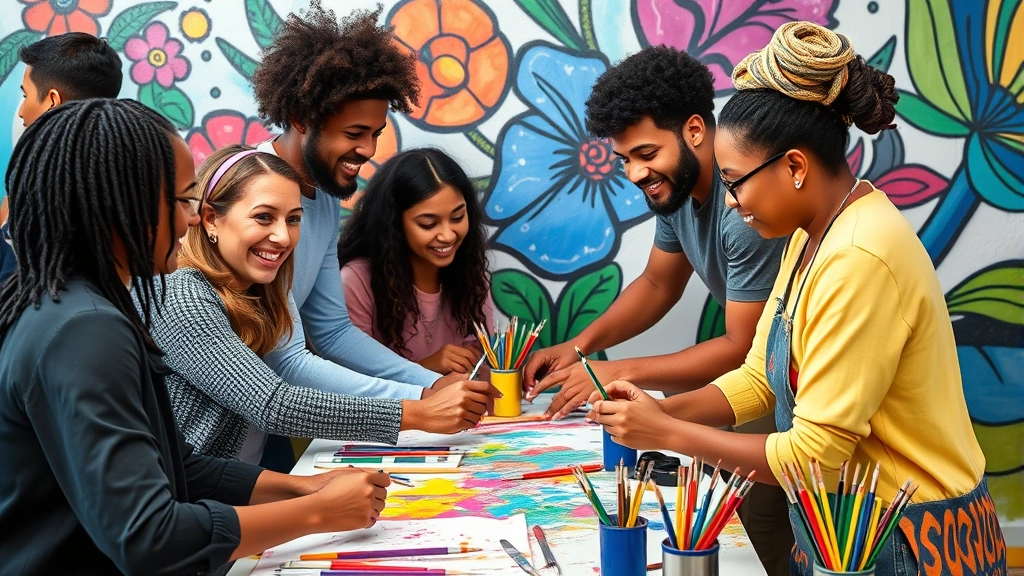
Depression and anhedonia: For individuals experiencing depression and loss of pleasure (anhedonia), art therapists often employ color-focused interventions and collaborative art projects. Creating with vibrant colors activates visual processing and reward pathways. Group art-making provides social connection and shared accomplishment, addressing isolation commonly experienced in depression. The therapeutic resources available guide individuals toward activities that rebuild motivation and positive affect.
Anxiety and overwhelm: Structured art therapy techniques help regulate anxiety. Mandala creation (symmetrical, meditative designs) promotes focused attention and reduces racing thoughts. Progressive art techniques starting with simple marks and gradually building complexity help individuals tolerate increasing challenge without overwhelm. The tactile engagement with art materials provides grounding and sensory regulation.
Trauma and PTSD: Art therapy offers particular advantages for trauma survivors who may struggle to verbalize traumatic experiences. Non-directive art-making allows safe exploration of trauma-related emotions without requiring explicit verbal disclosure. Therapist-guided interpretation helps survivors integrate traumatic memories within a coherent narrative framework. Gradual exposure through art-making supports trauma processing at tolerable paces.
Grief and loss: Art therapy provides a container for grief expression. Creating memorial art, exploring emotions through abstract forms, or developing visual narratives about loss help individuals process complicated grief responses. The permanence of art objects allows individuals to revisit and renegotiate their relationship with loss over time.
Integration with Traditional Therapy Approaches
Art therapy functions most effectively when integrated with established psychotherapeutic modalities. Cognitive-behavioral therapy (CBT) combined with art therapy enhances outcomes for depression and anxiety. Individuals identify unhelpful thought patterns through verbal discussion, then explore and challenge these patterns through artistic representation. Visualizing distorted thoughts often facilitates recognition and modification more effectively than cognitive discussion alone.
Psychodynamic approaches integrate art therapy to access unconscious material. Free association to artistic imagery reveals repressed emotions and unresolved conflicts. The metaphorical nature of art allows exploration of sensitive psychological material in less threatening ways.
Dialectical behavior therapy (DBT) incorporates art-based emotion regulation skills. Clients develop personalized art practices that serve as emotion regulation tools. Creating art during emotional crises provides alternative coping mechanisms to maladaptive behaviors.
The evidence supporting therapy effectiveness strengthens when multiple modalities address individual needs comprehensively. Art therapy enhances traditional approaches rather than replacing them, particularly for individuals with complex presentations or treatment-resistant symptoms.
Mindfulness-based approaches pair naturally with art therapy. Mindful art-making—attending fully to sensory experience, color, form, and movement—develops present-moment awareness and reduces rumination. This integration supports sustained mood improvement and builds psychological resilience.
Practical Implementation and Accessibility
Art therapy occurs in diverse settings: mental health clinics, hospitals, schools, community centers, correctional facilities, and private practice. This accessibility means individuals seeking mood improvement have multiple entry points to art therapy services.
Clinical settings: Mental health centers and psychiatric hospitals employ art therapists as core treatment team members. Inpatient art therapy programs provide daily creative engagement for individuals experiencing acute mood disturbances. Outpatient art therapy complements individual and group psychotherapy.
Medical settings: Hospitals integrate art therapy into oncology, cardiology, and pain management units. The mood-enhancing benefits extend physical recovery and reduce pain perception. Medical art therapy addresses the psychological dimensions of physical illness.
Educational settings: School-based art therapists support students experiencing depression, anxiety, and adjustment difficulties. Art therapy groups provide stigma-free mood support and social connection for adolescents.
Community and accessibility: Community art centers, libraries, and parks departments increasingly offer art therapy-informed programming. These accessible options serve individuals who cannot afford private therapy or prefer community-based support. While not equivalent to clinical art therapy, community art programs provide evidence-based mood benefits.
Cost considerations matter significantly. Individual art therapy sessions typically range from $75-150 per hour, often covered by insurance when provided by licensed therapists. Group art therapy costs $20-40 per session, making it more accessible. Some communities offer sliding-scale or free art therapy through nonprofit organizations.
Digital art therapy has expanded accessibility, particularly following pandemic-related disruptions. Online platforms connect individuals with art therapists, though tactile engagement with physical materials remains therapeutically distinct from digital creation.
Limitations and Considerations
While art therapy demonstrates substantial benefits, important limitations and considerations warrant acknowledgment.
Individual variability: Not all individuals respond equally to art therapy. Some find creative expression anxiety-provoking rather than therapeutic. Individuals with severe psychosis or acute suicidality require stabilization through other modalities before art therapy becomes appropriate. Proper assessment ensures art therapy matches individual needs and readiness.
Therapist training quality: Art therapy effectiveness depends substantially on therapist training and competence. Licensed art therapists (ATR-BC credential) complete master’s-level education and supervised clinical hours. Unlicensed art instructors or untrained facilitators may not provide therapeutic benefits equivalent to credentialed professionals.
Complementary, not replacement: Art therapy enhances mood improvement but does not replace psychiatric medication for individuals requiring pharmacological intervention. Individuals with bipolar disorder or psychotic disorders require integrated treatment combining medication, psychotherapy, and art therapy.
Research gaps: While evidence supporting art therapy is growing, some questions remain. Long-term outcome studies beyond 6-12 months are limited. Identifying which specific techniques work best for particular presentations requires additional research. Mechanisms explaining individual variability in response need further investigation.
The National Center for Biotechnology Information emphasizes the importance of rigorous research methodology in establishing art therapy’s evidence base. Continued research using randomized controlled designs strengthens confidence in art therapy’s mood-improving effects.
Cultural considerations: Art therapy practices must remain culturally sensitive. Different cultural backgrounds hold varying beliefs about emotional expression, artistic creation, and healing. Effective art therapists adapt interventions to honor cultural values and incorporate culturally meaningful artistic traditions.
Frequently Asked Questions
Does art therapy require artistic talent or prior experience?
No artistic talent is necessary for art therapy to be effective. The therapeutic value resides in the process of creation, not the product’s aesthetic quality. Art therapists explicitly normalize non-representational, abstract, or unconventional art-making. Individuals without prior art experience often report that freedom from artistic expectations enhances therapeutic engagement.
How often should someone engage in art therapy for mood improvement?
Research supports weekly art therapy sessions for measurable mood improvement. Individual factors including symptom severity, concurrent treatments, and personal circumstances influence optimal frequency. Some individuals benefit from intensive programs (multiple sessions weekly), while others achieve improvement with bi-weekly sessions. Therapists assess progress and adjust frequency accordingly.
Can art therapy be combined with medication?
Yes, art therapy integrates effectively with psychiatric medications. In fact, research suggests combined treatment (medication plus therapy) produces superior outcomes compared to either modality alone. Art therapy supports medication effectiveness by enhancing coping skills and emotional processing. Individuals should discuss art therapy with prescribing physicians to ensure coordinated care.
What types of art materials work best for mood improvement?
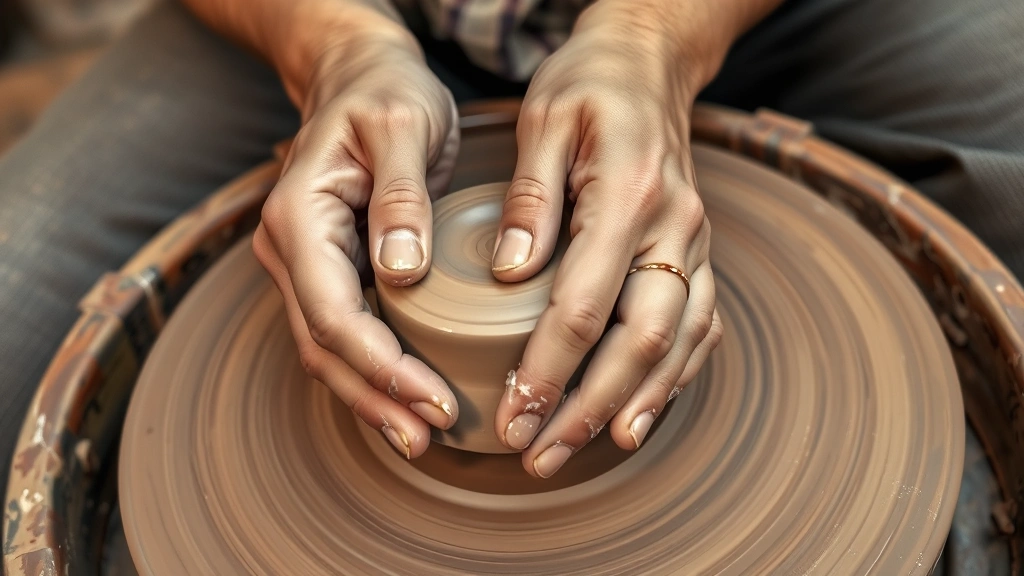
Different materials offer distinct therapeutic properties. Painting and large-scale drawing provide expansive emotional expression. Clay and sculpting offer tactile engagement and physical tension release. Collage allows non-linear exploration and metaphorical meaning-making. Art therapists select materials based on individual needs, preferences, and therapeutic goals. Experimentation with varied materials often reveals personal preferences and optimal therapeutic engagement.
How does art therapy differ from simply creating art at home?
While personal art-making offers benefits, clinical art therapy involves trained professionals who guide therapeutic exploration, interpret symbolic content, and facilitate psychological integration. Art therapists recognize when individuals become stuck or defensive and skillfully redirect toward growth. The therapeutic relationship and professional guidance distinguish clinical art therapy from self-directed creative activities. However, home art-making practices developed with therapist guidance can extend therapy benefits.
Is art therapy effective for all mood disorders?
Art therapy demonstrates effectiveness across depression, anxiety, PTSD, grief, and adjustment disorders. However, individuals with severe psychosis, acute mania, or active suicidality may require stabilization through other interventions first. The evidence on therapy effectiveness confirms art therapy’s broad applicability while acknowledging that individual assessment ensures appropriate treatment matching.
Can children and adolescents benefit from art therapy?
Children and adolescents often benefit particularly from art therapy, as developmental stages frequently involve limited verbal emotional expression capacity. Art therapy provides age-appropriate mood support and facilitates healthy emotional development. School-based and community art therapy programs serve youth effectively.