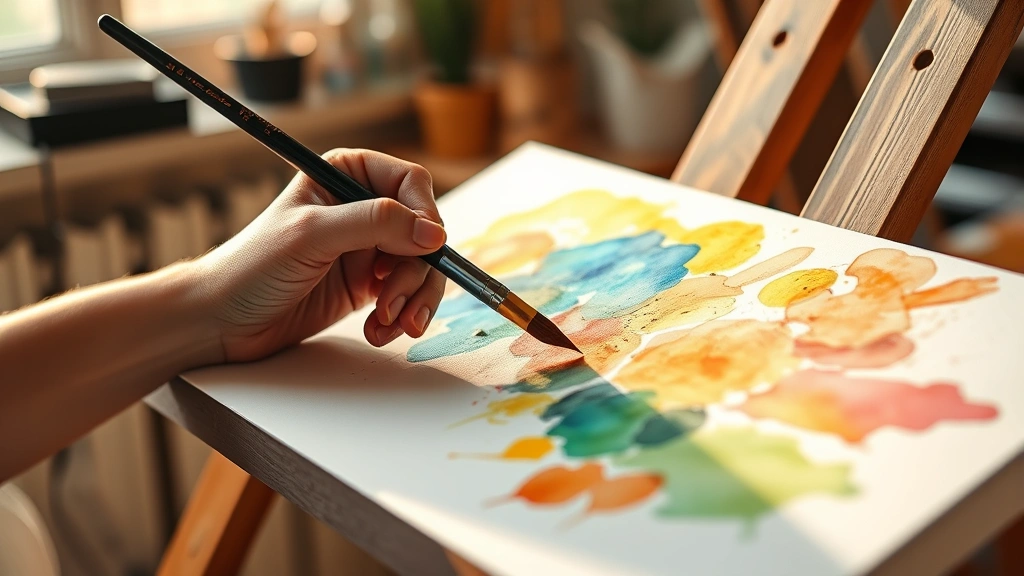
Art Therapy Benefits: A Therapist’s Perspective
Art therapy represents one of the most transformative and accessible therapeutic modalities available to mental health professionals today. As a practice that bridges creative expression with psychological healing, art therapy enables individuals to process complex emotions, trauma, and life challenges through visual and tactile mediums rather than words alone. This comprehensive guide explores art therapy benefits from a clinical perspective, examining how trained therapists leverage artistic processes to facilitate profound personal growth and emotional regulation.
The integration of art therapy into mainstream mental health treatment has grown exponentially over the past two decades. Unlike traditional talk therapy, art therapy engages the brain’s visual and motor systems, creating neural pathways that support healing in ways that conversation sometimes cannot reach. Whether working with children, adolescents, adults, or elderly populations, art therapists witness daily how creative expression unlocks emotional barriers and catalyzes meaningful change.
Understanding Art Therapy as a Clinical Practice
Art therapy is a mental health profession that uses the creative process of making art to improve and enhance physical, mental, and emotional well-being. Credentialed art therapists complete extensive graduate-level training, typically requiring 60 graduate credit hours and 1,000-2,000 supervised clinical hours. This rigorous preparation ensures practitioners understand both artistic processes and psychological theory, distinguishing art therapy from recreational art classes or informal creative activities.
The therapeutic power of art therapy operates on several levels simultaneously. At the most basic level, the act of creating provides sensory engagement that grounds individuals in the present moment, reducing anxiety and rumination about past or future concerns. The creative process itself becomes the focus of treatment rather than solely the finished product. This distinction proves crucial—therapists rarely judge artistic ability or aesthetic quality. Instead, the emphasis remains on what the creative process reveals about the individual’s inner world, coping mechanisms, and emotional patterns.
When considering whether therapy works effectively, research consistently demonstrates that art therapy produces measurable outcomes across diverse populations and presenting problems. The non-verbal nature of art-making allows individuals to bypass cognitive defenses and access deeper emotional material. This proves particularly valuable for clients who struggle with verbal expression, have experienced trauma affecting language processing, or simply find traditional talk therapy insufficient.
Neurobiological Benefits of Creative Expression
Contemporary neuroscience research reveals compelling mechanisms explaining why art therapy produces therapeutic benefits. When individuals engage in creative activities, multiple brain regions activate simultaneously, including the prefrontal cortex (executive function), amygdala (emotional processing), and insula (interoception and body awareness). This coordinated neural activation facilitates integration between cognitive and emotional processing systems.
Studies published in Frontiers in Psychology demonstrate that art-making reduces cortisol levels, the primary stress hormone, within just 45 minutes of creative engagement. This physiological response occurs regardless of artistic skill or experience level. The repetitive, rhythmic motions involved in drawing, painting, or sculpting activate the parasympathetic nervous system, triggering the body’s relaxation response and counteracting chronic stress activation.
The creative process also stimulates neuroplasticity—the brain’s remarkable ability to form new neural connections throughout life. This neuroplasticity proves essential for individuals recovering from trauma or managing chronic mental health conditions. By repeatedly engaging neural pathways associated with problem-solving, emotion regulation, and self-expression, art therapy literally rewires brain functioning over time. Therapists witness clients developing enhanced emotional regulation capacity, improved impulse control, and greater cognitive flexibility as direct results of sustained art therapy engagement.
Additionally, art-making engages the default mode network, a brain system associated with self-reflection and autobiographical memory integration. This neural engagement supports clients in developing coherent narratives about their experiences, transforming fragmented traumatic memories into integrated life stories. The visual representation of internal experience through art provides external validation of internal states, often producing profound relief and insight.
Art Therapy for Trauma and PTSD
Trauma profoundly disrupts normal memory processing and emotional regulation. Traditional talk therapy, while valuable, sometimes retraumatizes individuals by requiring detailed verbal recounting of traumatic events. Art therapy offers an alternative approach that honors the client’s nervous system while facilitating healing.
Art therapists working with trauma survivors recognize that traumatic memories often exist outside the language centers of the brain, stored as fragmented sensory experiences, emotional states, and bodily sensations. Creating visual representations of these experiences allows clients to externalize internal chaos, literally placing disturbing internal states onto paper or canvas. This externalization creates psychological distance and safety—the trauma becomes something to observe and work with rather than something overwhelming the internal landscape.
Research from Psychological Trauma: Theory, Research, Practice, and Policy indicates that art therapy produces significant reductions in PTSD symptoms, including intrusive thoughts, hyperarousal, and emotional numbing. The combination of sensory engagement, emotional expression, and gradual processing of traumatic material creates conditions for nervous system healing and symptom resolution.
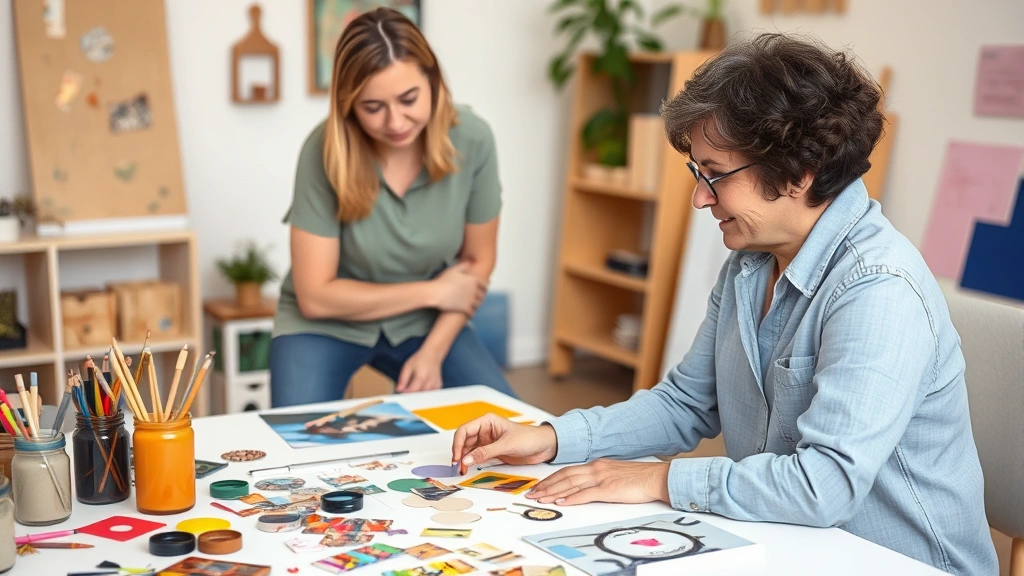
Therapists often employ specific art therapy techniques tailored to trauma treatment. Mandala creation provides structured, contained expression within circular boundaries, offering clients a sense of safety while exploring difficult emotions. Color work allows expression of emotional intensity without requiring explicit verbal disclosure. Collage techniques enable clients to construct new narratives and identities separate from trauma definitions.
Supporting Mental Health Conditions
Art therapy demonstrates efficacy across the spectrum of mental health diagnoses. For individuals managing depression, the creative process provides structure, purpose, and accomplishment—essential elements often depleted by depressive symptoms. The sensory engagement inherent in art-making counteracts the numbness and anhedonia characteristic of depression, gradually restoring capacity for pleasure and meaning.
Anxiety disorders respond remarkably well to art therapy approaches. The focused attention required during art creation naturally interrupts anxious thought patterns and rumination cycles. As clients become absorbed in creative processes, the amygdala’s threat detection system quiets, allowing nervous system downregulation. Cognitive behavioral approaches combined with art therapy provide particularly robust treatment for generalized anxiety, offering both cognitive restructuring and somatic regulation.
Individuals with autism spectrum disorder or developmental disabilities often thrive in art therapy, which accommodates diverse communication styles and sensory processing patterns. Art provides alternative communication channels when verbal expression proves challenging or overwhelming. The concrete, visual nature of artistic work aligns with many neurodivergent individuals’ cognitive strengths.
Substance use disorders benefit from art therapy’s capacity to address underlying emotional pain and develop alternative coping mechanisms. Creative expression replaces maladaptive coping strategies, offering healthier means of emotional regulation. The sense of accomplishment and self-efficacy generated through artistic creation supports long-term recovery motivation.
Eating disorders present particular opportunities for art therapy intervention. Visual exploration of body image, identity, and control through artistic creation facilitates awareness and processing of underlying psychological factors driving disordered eating. Art therapy supports development of healthier relationships with body and self.
Art Therapy in Different Populations
The versatility of art therapy extends across the lifespan and diverse populations. Therapy for teens incorporates art-based approaches to address developmental challenges, identity formation, and peer relationship conflicts. Adolescents often respond more openly to art-based exploration than traditional talk therapy, which may feel intrusive or judgmental during sensitive developmental periods.
Children particularly benefit from art therapy, which honors their developmental stage and natural inclination toward play and creative expression. Art provides children with vocabulary for emotional experiences they lack words to describe. Therapists working with children observe remarkable emotional growth and behavioral improvements as young clients develop artistic means of processing experiences and emotions.
Elderly populations experiencing dementia, grief, or life transitions find profound meaning and connection through art therapy. Creative engagement provides cognitive stimulation, social connection, and continued sense of purpose and identity. Art therapy in geriatric settings often produces improvements in mood, social engagement, and quality of life.
Incarcerated individuals benefit tremendously from art therapy, which supports rehabilitation, emotional processing, and development of prosocial identity. Creative expression within correctional environments reduces institutional violence, supports mental health, and facilitates genuine personal transformation. Therapeutic careers in correctional settings increasingly recognize art therapy’s essential role.
Individuals experiencing chronic illness or pain management find art therapy reduces suffering and improves quality of life. The mind-body connection facilitated through art-making supports pain reduction, improved coping, and enhanced emotional well-being despite physical limitations.
Integration with Other Therapeutic Approaches
Art therapy achieves maximum effectiveness when integrated with other evidence-based therapeutic modalities. Combining therapy resources and information from multiple treatment approaches creates comprehensive, personalized interventions addressing clients’ multifaceted needs.
Cognitive behavioral therapy (CBT) combined with art therapy proves particularly effective. Clients can visually represent cognitive distortions, track behavioral patterns through artistic journaling, and develop new thought patterns while engaging creative expression. The dual engagement of cognitive and creative processes strengthens treatment outcomes.
Dialectical behavior therapy (DBT) incorporates art-based emotion regulation skills, distress tolerance techniques, and mindfulness practices. Art therapy provides concrete, accessible means of practicing DBT skills and developing emotional awareness essential to DBT work.
Psychodynamic therapy deepens through art therapy exploration of unconscious material, defense mechanisms, and relational patterns. Artistic expression accesses material beyond conscious awareness, facilitating insight and integration. The therapist-client relationship strengthens as therapists witness and validate clients’ creative expressions of inner experience.
Somatic therapy integrates beautifully with art therapy’s inherent body awareness and sensorimotor engagement. Creating art requires proprioceptive awareness, fine motor control, and present-moment embodiment—all core elements of somatic healing. Clients develop enhanced interoceptive awareness and capacity to sense and respond to bodily signals.
Mindfulness and acceptance-based approaches find natural partners in art therapy. The focused attention required during creative work cultivates present-moment awareness. Art therapy supports acceptance and commitment therapy goals by engaging clients in valued creative activity while developing psychological flexibility.
Measuring Therapeutic Outcomes
Rigorous outcome measurement distinguishes professional art therapy from recreational art activities. Art therapists employ validated assessment tools measuring symptom reduction, functional improvement, and well-being enhancement. Pre- and post-treatment measures document therapeutic progress objectively.
Standardized instruments including the Positive and Negative Affect Schedule (PANAS), Beck Depression Inventory (BDI), and State-Trait Anxiety Inventory (STAI) quantify symptom changes. Therapists also develop individualized outcome measures aligned with each client’s specific treatment goals. Progress toward these personalized goals demonstrates art therapy’s concrete, measurable benefits.
Qualitative outcome assessment captures changes in clients’ lived experience and subjective well-being. Client feedback, narrative descriptions of improvements, and testimonials document art therapy’s impact beyond standardized measures. Many clients report feeling genuinely understood, experiencing profound relief, and developing genuine hope through art therapy engagement.
Research examining art therapy effectiveness across diverse populations demonstrates consistent improvements in mental health symptoms, coping capacity, and overall functioning. Meta-analyses support art therapy’s efficacy as both standalone treatment and complementary approach within comprehensive care.
Neuroimaging studies provide objective evidence of brain changes resulting from art therapy engagement. Functional MRI and PET scan research reveal normalized amygdala activation, enhanced prefrontal cortex functioning, and improved interhemispheric communication following art therapy treatment. These neurobiological changes correspond with symptom improvement and functional gains.
FAQ
What qualifications should I look for in a professional art therapist?
Seek art therapists credentialed through the Art Therapy Credentials Board (ATCB), holding either the Registered (ATR) or Board-Certified (ATR-BC) credential. These designations require completion of graduate training, supervised clinical hours, and demonstrated competency. Licensed art therapists in regulated states hold licensure in addition to ATCB credentials. Verify credentials through official registries and confirm therapist specialization matches your needs.
Is art therapy appropriate for individuals with no artistic ability or experience?
Absolutely. Art therapy requires no artistic skill, talent, or prior experience. The therapeutic value derives from the creative process, not artistic quality or aesthetic achievement. Therapists explicitly emphasize that artistic ability irrelevant—all individuals benefit from art-making regardless of skill level. Many individuals report that freedom from performance pressure enables deeper therapeutic engagement.
How long does art therapy treatment typically last?
Treatment duration varies tremendously depending on presenting problems, severity, individual factors, and treatment goals. Some individuals benefit from brief art therapy interventions (8-12 sessions), while others engage long-term treatment (6+ months or years). Therapists develop individualized treatment plans establishing realistic timelines and measurable goals. Progress is reviewed regularly with adjustments made as needed.
Can art therapy be conducted virtually or online?
While in-person art therapy offers optimal sensory engagement and therapist observation of creative process, teletherapy art therapy has emerged as viable option, particularly for individuals with access barriers. Virtual sessions typically involve clients creating at home using provided materials, with therapist guidance and observation. Some therapeutic benefits transfer to virtual format, though hands-on engagement and sensory richness differ from in-person work.
How does art therapy differ from art classes or recreational art activities?
Professional art therapy specifically targets therapeutic goals within clinical relationship with trained mental health provider. Therapists assess, diagnose, plan treatment, and monitor progress toward psychological health objectives. Art therapy integrates psychological theory, clinical skill, and artistic process intentionally. Recreational art, while valuable, lacks clinical framework, therapeutic goals, and trained therapist guidance. Art therapy is mental health treatment; art classes are educational or recreational activities.
What materials and mediums are used in art therapy?
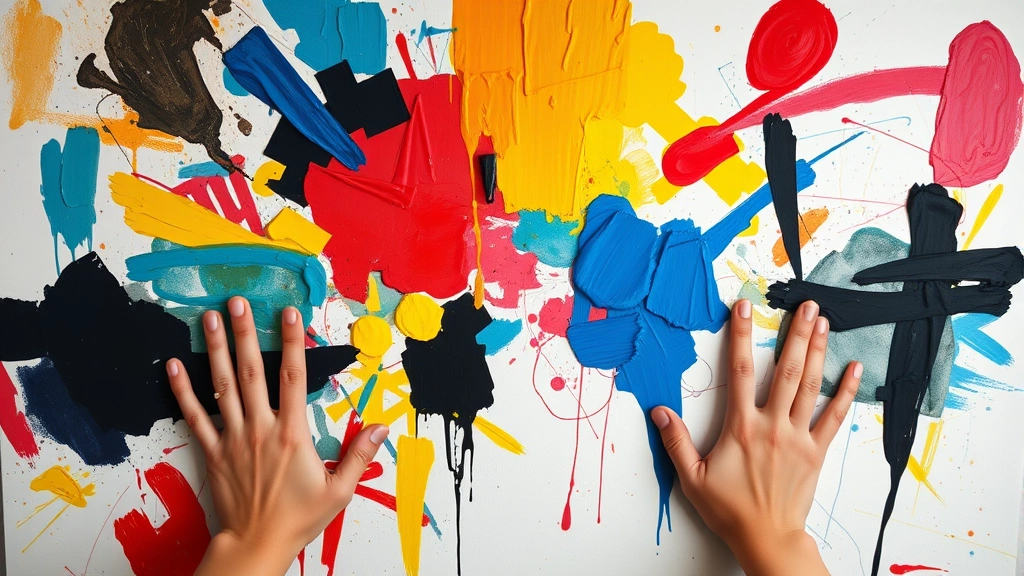
Art therapists employ diverse materials including paints, markers, colored pencils, collage materials, clay, pastels, and mixed media. Material selection considers therapeutic goals, client preferences, sensory needs, and accessibility. Some clients respond better to fluid, expressive materials like paint or watercolor; others prefer contained, controlled media like pencils. Therapists introduce varied materials supporting exploration and growth.