Can Art Therapy Improve Mental Health? Expert Insights
Art therapy has emerged as a compelling complementary approach to traditional mental health treatment, combining the therapeutic power of creative expression with evidence-based psychological principles. This specialized form of therapy harnesses the inherent human need to create, allowing individuals to process emotions, trauma, and psychological challenges through visual and artistic mediums rather than words alone. Mental health professionals increasingly recognize that art therapy addresses dimensions of human experience that talk therapy sometimes cannot fully access.
The question of whether art therapy genuinely improves mental health extends beyond anecdotal success stories. Mounting research from academic institutions and clinical settings demonstrates measurable improvements in anxiety, depression, PTSD, and emotional regulation among participants. This article explores the scientific evidence, mechanisms of action, and practical applications of art therapy while examining its role within the broader landscape of mental health treatment options.
What Is Art Therapy and How Does It Work
Art therapy represents a distinct mental health discipline that integrates psychological theory with creative practice. Unlike recreational art classes, art therapy is facilitated by credentialed professionals trained in both artistic techniques and mental health intervention. The process does not prioritize artistic skill or aesthetic outcome; instead, it emphasizes the therapeutic value of the creative process itself.
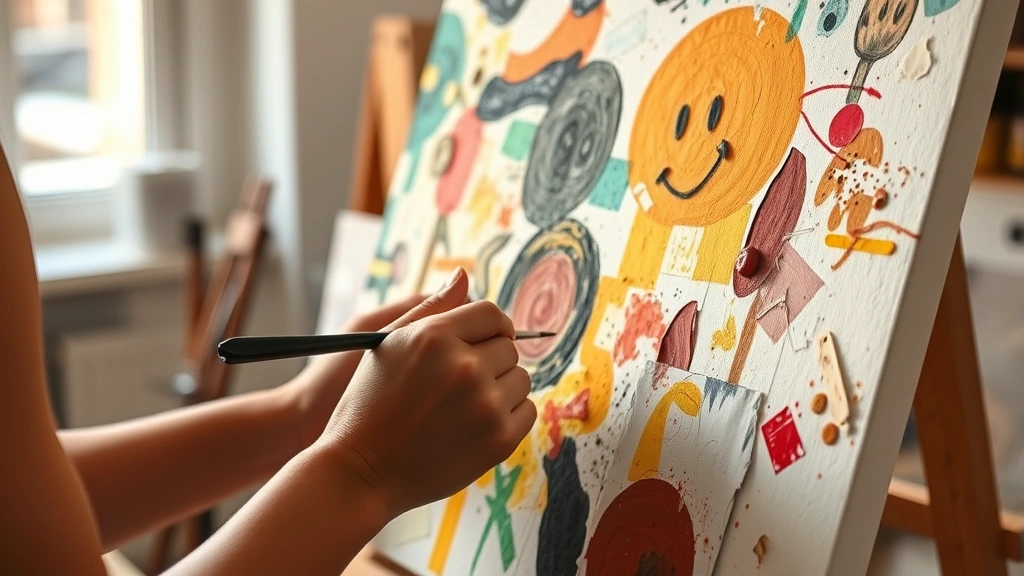
During art therapy sessions, clients engage with various materials—painting, drawing, sculpture, collage, or mixed media—to externalize internal experiences. A trained art therapist guides this process, helping clients explore their creations and extract psychological insights. The American Art Therapy Association defines the discipline as a mental health profession using the creative process of making art to improve and enhance physical, mental, and emotional well-being.
The fundamental premise rests on the idea that visual expression bypasses some of the cognitive filters that language imposes. When individuals struggle to articulate their feelings verbally, artistic expression provides an alternative pathway to processing and understanding emotional content. This is particularly valuable for trauma survivors, children with developmental challenges, or individuals with language-based processing difficulties.
Scientific Evidence Supporting Art Therapy
The scientific community has increasingly validated art therapy through rigorous empirical research. A comprehensive meta-analysis published in PLOS ONE examined 15 randomized controlled trials and found statistically significant improvements in anxiety symptoms among art therapy participants. The research demonstrated effect sizes comparable to other established therapeutic interventions.
Neuroimaging studies reveal that art-making activates reward centers in the brain, triggering dopamine release and promoting neuroplasticity. Research from the University of Florida found that just 45 minutes of creative activity significantly reduced cortisol levels, the primary stress hormone, regardless of artistic ability or prior experience. This physiological response suggests mechanisms through which art therapy produces measurable mental health improvements.
A 2022 study published in Frontiers in Psychology demonstrated that art therapy participants showed greater reductions in depression scores compared to control groups receiving standard treatment alone. The research involved over 300 participants across multiple clinical settings, providing robust evidence for art therapy’s efficacy as an adjunctive treatment modality.
Therapy resources and mental health information increasingly highlight art therapy alongside traditional approaches. Many practitioners now recognize that combining therapy for breakups with creative modalities can enhance outcomes, particularly when processing relationship trauma and emotional transitions.
Mental Health Conditions Art Therapy Addresses
Art therapy demonstrates particular effectiveness for specific mental health conditions, supported by clinical evidence and practitioner experience. Post-traumatic stress disorder represents one area where art therapy shows exceptional promise. Trauma survivors often experience fragmented memories and difficulty organizing traumatic experiences into coherent narratives. Art-making provides a non-verbal pathway to process these experiences, often facilitating integration and emotional regulation more effectively than talk therapy alone.
Anxiety disorders respond well to art therapy interventions. The repetitive, meditative aspects of certain artistic activities—such as mandala creation or abstract drawing—activate the parasympathetic nervous system, inducing relaxation responses. Participants report decreased physiological anxiety markers and improved emotional regulation following regular art therapy engagement.
Depression treatment frequently incorporates art therapy, particularly when depressed individuals experience difficulty articulating their internal experience or lack motivation for traditional talk therapy. The concrete, tangible nature of creating artwork provides external validation and a sense of accomplishment that can interrupt depressive thought patterns.
Additional conditions benefiting from art therapy include:
- Autism spectrum disorders and developmental disabilities
- Substance use disorder recovery and relapse prevention
- Grief and bereavement processing
- Chronic pain management and adjustment
- Attention-deficit/hyperactivity disorder symptom management
- Self-harm and suicidal ideation intervention
For individuals seeking occupational therapy jobs, understanding art therapy integration represents an emerging specialization. Similarly, those interested in speech therapy near me may discover that multimodal approaches combining speech and art-based interventions benefit clients with complex communication and emotional needs.
The Neurobiological Mechanisms Behind Creative Healing
Understanding how art therapy produces mental health improvements requires examining the neurobiological processes activated during creative engagement. When individuals engage in artistic activity, multiple brain regions activate simultaneously, including those governing motor control, sensory perception, emotional processing, and executive function.
The default mode network—a collection of brain regions active during self-referential thinking and introspection—shows altered activity during art-making. This neurological shift may explain why art therapy facilitates insight and emotional processing. Rather than ruminating on problems, the brain engages in active creative problem-solving, naturally interrupting maladaptive thought patterns.
Neurochemical changes accompany creative activity. Beyond dopamine’s reward-associated release, art-making triggers serotonin production, contributing to mood elevation and emotional stability. These neurochemical shifts occur through the same biological pathways as pharmacological interventions, suggesting art therapy produces genuine physiological changes rather than merely psychological placebo effects.
The American Psychological Association recognizes creative expression as activating the parasympathetic nervous system, facilitating the body’s natural relaxation response. This autonomic nervous system shift explains why art therapy produces sustained reductions in anxiety and stress-related symptoms.
Neuroplasticity—the brain’s capacity to form new neural connections—strengthens through repeated creative engagement. Over time, consistent art therapy participation literally rewires neural pathways associated with emotional regulation, stress response, and self-perception. This biological foundation explains why art therapy effects often persist and strengthen with continued practice.
Art Therapy vs Traditional Talk Therapy
Comparing art therapy to traditional talk therapy reveals complementary rather than competitive modalities. Talk therapy, particularly cognitive-behavioral and psychodynamic approaches, excels at cognitive restructuring, insight development, and narrative construction. Therapists help clients identify thought patterns, challenge distortions, and develop coping strategies through dialogue.
Art therapy operates through different mechanisms. Rather than primarily cognitive, art therapy is fundamentally somatic and affective—engaging the body and emotions directly. This distinction proves crucial for individuals whose difficulties stem from or are maintained by non-verbal, embodied trauma or emotional dysregulation.
Research increasingly supports integrative approaches combining modalities. A client might benefit from talk therapy addressing cognitive patterns while simultaneously engaging in art therapy to process emotional and somatic dimensions of their experience. Many contemporary mental health professionals recommend multimodal treatment plans incorporating both approaches.
The choice between modalities depends on individual factors: presenting problem, learning style, cultural background, and treatment goals. Some individuals respond better to verbal processing, while others find creative expression more accessible and effective. Optimal outcomes often emerge when clients work with providers trained to integrate multiple therapeutic modalities.
For those exploring various therapeutic options, understanding physical therapy Las Vegas and other modalities alongside mental health interventions reveals the broader wellness landscape. Similarly, emerging modalities like red light therapy blanket represent the growing integration of diverse healing approaches.
Implementing Art Therapy in Your Wellness Journey
Individuals interested in exploring art therapy have multiple pathways. Working with a credentialed art therapist—ideally one holding credentials from the American Art Therapy Association—ensures professional guidance and clinical expertise. Art therapists hold master’s degrees in art therapy and complete supervised clinical hours, distinguishing them from art teachers or recreational facilitators.
Finding appropriate art therapy services requires research. Look for therapists licensed in your state, trained in evidence-based interventions, and experienced with your specific presenting concerns. Many insurance plans now cover art therapy when provided by credentialed practitioners, particularly when integrated into comprehensive mental health treatment.
For those unable to access professional art therapy, self-directed creative practice offers benefits, though with important caveats. Research supports therapeutic benefits from personal artistic engagement, but individuals with trauma or serious mental illness should pursue professional guidance rather than relying solely on self-directed art-making. A trained therapist helps individuals process their creations therapeutically, extracting psychological insights and facilitating healing.
Practical implementation strategies include:
- Scheduling regular creative sessions, ideally weekly or twice-weekly
- Selecting materials that appeal personally—no specific medium is required
- Creating without judgment or pressure for aesthetic quality
- Maintaining openness to unexpected emotional responses during creative work
- Discussing creations with a trained therapist for psychological integration
- Documenting progress through dated artwork collections
- Combining art therapy with other wellness practices like meditation or exercise
The accessibility of art therapy represents a significant advantage. Unlike some specialized therapies requiring expensive equipment or medications, art supplies are inexpensive and widely available. This democratization of therapeutic tools makes creative healing accessible across socioeconomic backgrounds and geographic locations.
FAQ
Does art therapy actually work for anxiety?
Yes, multiple peer-reviewed studies demonstrate art therapy’s effectiveness for anxiety reduction. Research shows measurable decreases in anxiety symptoms, particularly when art therapy combines with standard treatment. The mechanism involves both neurochemical changes and cognitive-emotional processing through creative expression.
Is art therapy covered by insurance?
Many insurance plans cover art therapy when provided by credentialed art therapists and deemed medically necessary. Coverage varies significantly by plan and location. Verify coverage with your specific insurance provider and confirm your therapist holds appropriate credentials and licensing.
How many art therapy sessions are needed for improvement?
Individual response varies, but research suggests measurable improvements typically emerge within 8-12 sessions. Some individuals experience benefits sooner, while others require longer-term engagement. Consistency matters more than frequency—regular weekly sessions typically produce better outcomes than sporadic participation.
Can art therapy replace psychiatric medication?
Art therapy works best as a complementary rather than replacement treatment. While research supports art therapy’s efficacy, individuals with serious mental illness, psychosis, or moderate-to-severe depression typically require medication in addition to psychological interventions. Always consult psychiatrists regarding medication decisions rather than discontinuing prescribed treatment.
What if I have no artistic ability or experience?
Artistic skill is irrelevant in art therapy. The therapeutic value comes from the creative process itself, not the product’s quality. Many individuals without prior art experience report that this lack of expectation actually facilitates greater therapeutic benefit, as they feel less self-conscious about their creations.
How does art therapy differ from recreational art classes?
Art therapy is a clinical intervention facilitated by mental health professionals trained in psychological theory and therapeutic techniques. Recreational art classes focus on skill development and artistic technique. Art therapy prioritizes emotional processing and psychological insight over artistic outcomes.