Can Equine-Assisted Therapy Heal Trauma? Expert Insights on EPAT Therapy
Equine-assisted psychotherapy (EPAT) represents a growing frontier in trauma treatment, combining traditional therapeutic principles with the unique healing potential of human-horse interactions. Over the past two decades, mental health professionals have increasingly recognized that working with horses can facilitate profound emotional breakthroughs in individuals struggling with post-traumatic stress disorder (PTSD), anxiety, depression, and complex trauma. Unlike conventional talk therapy conducted in clinical offices, EPAT therapy takes place in natural settings where clients engage in meaningful activities with horses under the guidance of trained mental health professionals.
The therapeutic relationship between humans and horses creates a distinctive healing environment. Horses are highly sensitive prey animals that respond authentically to human emotional states, body language, and intentions. This genuine responsiveness makes horses exceptional mirrors for emotional processing and self-awareness. Research from Frontiers in Veterinary Science demonstrates that equine-assisted interventions activate parasympathetic nervous system responses, directly countering the hypervigilance and dysregulation characteristic of trauma survivors. When individuals engage with horses, their cortisol levels decrease while oxytocin increases, creating biochemical conditions favorable for emotional healing.
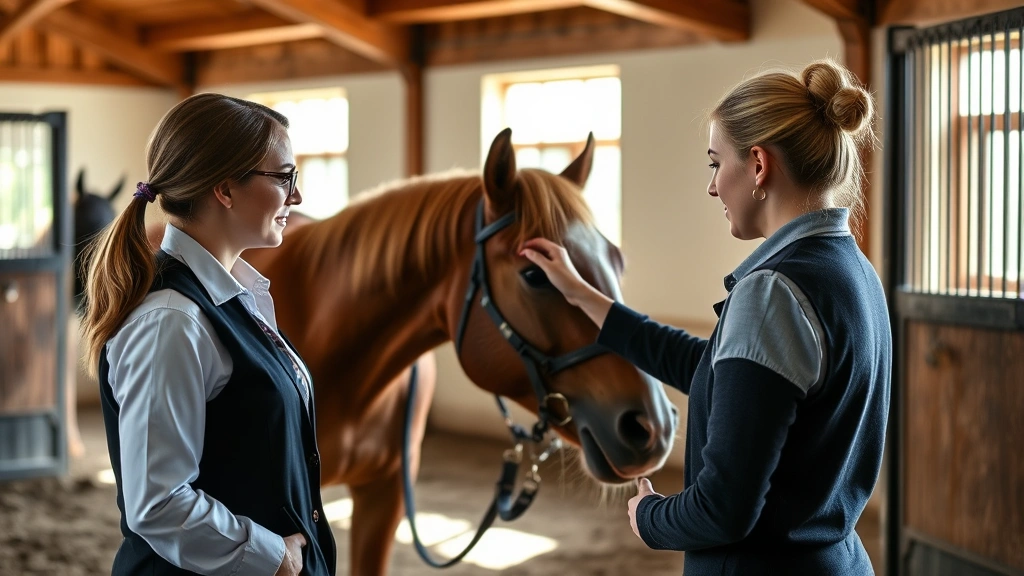
Understanding Equine-Assisted Psychotherapy
Equine-assisted psychotherapy operates on principles fundamentally different from conventional therapeutic modalities. The process involves structured interactions between clients and horses, facilitated by licensed mental health professionals trained in equine therapy protocols. Unlike equine-assisted activities for recreational purposes, EPAT therapy integrates clinical assessment, treatment planning, and measurable therapeutic outcomes aligned with DSM-5 diagnostic criteria.
The activities in EPAT therapy range from grooming and leading horses to more complex ground exercises that metaphorically represent life challenges. A client might work with a horse to navigate obstacles, which becomes a powerful metaphor for overcoming personal barriers. Another client might practice boundary-setting with a horse, directly transferring these skills to human relationships. The non-judgmental presence of horses creates psychological safety essential for trauma processing.
EPAT therapy differs significantly from physical therapy approaches and other therapy modalities. While physical rehabilitation focuses on motor function, EPAT targets emotional regulation, attachment patterns, and nervous system healing. The equine environment itself—open spaces, natural surroundings, and freedom of movement—contrasts sharply with the confined office settings where much traditional therapy and mental health treatment occurs.

The Neurobiology of Trauma and Horse Healing
Understanding how EPAT therapy works requires examining the neurobiological changes occurring in trauma survivors. Psychological trauma fundamentally alters brain structure and function, particularly in regions responsible for emotional regulation, memory processing, and threat assessment. The amygdala becomes hyperactive, constantly scanning for danger, while the prefrontal cortex—responsible for rational thought and emotional control—becomes underactive. This neurobiological dysregulation perpetuates symptoms of hypervigilance, intrusive memories, and emotional reactivity.
Horses interact with humans through authentic, moment-to-moment responses. When a traumatized individual approaches a horse with tension and fear, the horse mirrors this state through tension in its body and movement. Conversely, when the person achieves emotional regulation and calm presence, the horse responds with relaxation and openness. This immediate biofeedback creates a powerful learning mechanism that words alone cannot achieve. Research from PubMed Central indicates that this interactive feedback activates neuroplasticity—the brain’s ability to reorganize and form new neural connections—potentially reversing some trauma-related neurobiological changes.
The oxytocin released during positive human-horse interactions plays a crucial role in trauma recovery. Oxytocin, often called the bonding hormone, counteracts the stress hormone cortisol and facilitates social connection and trust. For trauma survivors who have experienced betrayal or violation, rebuilding the capacity for safe connection is essential. Horses provide this opportunity without the complexity of human relational dynamics that may trigger additional trauma responses. The presence of horses also stimulates the release of endorphins, creating natural analgesia that can reduce physical pain commonly associated with trauma.
Specific Applications for PTSD and Complex Trauma
Post-traumatic stress disorder affects millions of individuals exposed to combat, sexual assault, serious accidents, interpersonal violence, or other life-threatening events. Traditional treatments including cognitive-behavioral therapy, prolonged exposure therapy, and pharmacological interventions help many individuals, but approximately 30-40% of PTSD patients show treatment resistance. For these individuals, EPAT therapy offers a complementary or alternative approach. The sensorimotor engagement with horses bypasses some cognitive defenses that individuals use to avoid trauma processing in traditional talk therapy.
Complex trauma, resulting from prolonged exposure to interpersonal violence or adverse childhood experiences, presents unique treatment challenges. Survivors of complex trauma frequently struggle with attachment difficulties, emotional dysregulation, and fragmented identity. EPAT therapy addresses these core issues through the development of a genuine relationship with a horse. The horse does not judge, does not require verbal articulation of trauma, and does not impose timelines for healing. This unconditional acceptance creates conditions where individuals can gradually expand their window of tolerance and rebuild trust in relationships.
Combat veterans represent a significant population benefiting from EPAT therapy. The hypervigilance, emotional numbness, and aggressive reactions characteristic of military-related PTSD respond well to equine-assisted interventions. Several Veterans Affairs programs now incorporate equine therapy into comprehensive PTSD treatment protocols. Veterans report that working with horses provides grounding in the present moment, reduces nightmares, and facilitates emotional expression that traditional therapy and medication alone could not achieve.
Research Evidence Supporting EPAT Therapy
The scientific evidence base for EPAT therapy continues expanding, though it remains smaller than for conventional psychotherapies. A landmark systematic review published in American Psychological Association journals examined 23 peer-reviewed studies on equine-assisted interventions for mental health. The review found moderate to strong evidence for improvements in PTSD symptoms, anxiety, depression, and emotional regulation across diverse populations including military personnel, trauma survivors, and adolescents with behavioral health challenges.
Neuroimaging studies provide compelling mechanistic evidence. Functional MRI scans of individuals before and after EPAT therapy show increased activation in the ventromedial prefrontal cortex, the brain region responsible for emotional regulation and fear extinction. Simultaneously, amygdala hyperactivity decreases, indicating reduced threat sensitivity. These neurobiological changes correlate with clinical improvements in PTSD symptom severity measured by standardized instruments like the PTSD Checklist (PCL-5).
A randomized controlled trial comparing EPAT therapy with standard trauma-focused cognitive behavioral therapy found equivalent outcomes on primary PTSD measures, with EPAT participants showing superior improvements in emotional regulation and interpersonal relationship quality. The effect sizes for EPAT therapy on trauma-related symptoms range from moderate to large, comparable to or exceeding outcomes reported for other evidence-based trauma treatments. Additionally, qualitative research reveals that participants value the experiential, embodied nature of EPAT therapy and report greater insight into their trauma patterns compared to verbal therapies alone.
The Role of Certified Professionals
Effective EPAT therapy requires specialized training combining mental health expertise with equine knowledge. Certified equine-assisted psychotherapy practitioners hold licenses as clinical social workers, professional counselors, psychologists, or marriage and family therapists, with additional certification in equine therapy through organizations like the International Association of Equine-Assisted Psychotherapy or the Professional Association of Therapeutic Horsemanship. This dual expertise ensures appropriate clinical assessment, ethical treatment planning, and integration of equine interactions with psychological principles.
The therapist’s role differs fundamentally from traditional therapy. Rather than sitting in an office, the therapist works alongside the client in the barn environment, observing interactions with horses and facilitating meaning-making. The therapist must understand equine behavior, recognize signs of stress or distress in horses, and ensure safety for both clients and animals. Professional boundaries remain essential, though the therapeutic relationship develops in a more naturalistic setting. Therapists must also maintain detailed clinical documentation and integrate EPAT work with other treatment modalities, whether that includes occupational therapy professionals or other healthcare providers.
Finding qualified EPAT practitioners requires careful vetting. Reputable programs employ credentialed mental health professionals with recognized equine therapy certification. Practitioners should clearly explain their credentials, treatment approach, expected outcomes, and how EPAT integrates with the client’s overall treatment plan. Red flags include practitioners lacking mental health licensure, making unrealistic promises of cure, or failing to discuss potential risks or contraindications.
Integrating EPAT with Traditional Treatment
Most trauma specialists recommend integrating EPAT therapy with other evidence-based treatments rather than using it as a sole intervention. For individuals with severe PTSD, psychopharmacology remains important. Medications targeting anxiety, depression, and sleep disturbance can create the neurobiological stability necessary for clients to engage meaningfully in EPAT therapy. Cognitive-behavioral approaches help clients develop coping skills and process trauma narratives. EMDR (Eye Movement Desensitization and Reprocessing) and other trauma-specific therapies address conditioned fear responses. EPAT therapy complements these approaches by engaging the body and nervous system directly.
Comprehensive trauma treatment often involves multiple modalities. A client might attend weekly individual psychotherapy, participate in EPAT sessions twice monthly, take medications prescribed by a psychiatrist, and engage in group therapy with other trauma survivors. Some programs incorporate equine-assisted group therapy, where multiple clients work with horses simultaneously under professional supervision. This group format reduces stigma and helps individuals recognize commonalities in trauma responses. The variety of available therapy approaches means individuals can find combinations optimized for their specific needs and preferences.
Integration also requires clear communication between providers. If a client is simultaneously engaged in EPAT therapy and individual psychotherapy with different practitioners, those providers should coordinate care, share relevant clinical information (with appropriate consent), and ensure consistent treatment goals. This integrated approach maximizes therapeutic benefit and prevents conflicting interventions.
Cost considerations influence access to EPAT therapy. Sessions typically cost $75-200 per hour, often exceeding standard psychotherapy rates due to facility and equine care expenses. Insurance coverage remains limited, though some plans cover EPAT when delivered by licensed mental health professionals with appropriate coding. Exploring therapy cost options and insurance coverage helps individuals understand financial feasibility. Some programs offer sliding scale fees or scholarships, particularly those serving military veterans or underserved populations.
FAQ
Is equine-assisted therapy safe for individuals with no horse experience?
Yes, EPAT therapy requires no prior horse experience. Certified practitioners design sessions for complete beginners, teaching basic horse handling skills while addressing therapeutic goals. Safety protocols protect both clients and horses. Individuals with specific phobias or medical contraindications should discuss concerns with their therapist before beginning treatment.
How long does EPAT therapy typically take to show results?
Most individuals report noticeable improvements in anxiety and emotional regulation within 4-8 sessions. However, trauma recovery is gradual, and optimal benefits typically emerge over 3-6 months of consistent participation. Treatment duration depends on trauma severity, individual responsiveness, and concurrent treatment engagement.
Can EPAT therapy work for children and adolescents?
Absolutely. Children and adolescents respond particularly well to equine-assisted interventions. The non-verbal communication with horses helps young people process trauma that they struggle to articulate. EPAT is especially effective for children who have experienced abuse or neglect, as the horse relationship rebuilds trust and secure attachment.
Are there contraindications or situations where EPAT is not appropriate?
EPAT may not be suitable for individuals with active psychosis, severe substance intoxication, or uncontrolled aggression that poses safety risks. Severe allergies to horses or specific animal phobias require careful assessment. Individuals with certain medical conditions affecting balance or mobility should consult with their physician and the EPAT practitioner.
How does EPAT differ from equine therapy for physical rehabilitation?
Equine-assisted physical therapy focuses on improving motor function, strength, and coordination through riding and ground exercises. EPAT is a psychological treatment using non-riding interactions to address emotional trauma and mental health conditions. While both utilize horses, the clinical goals and practitioner qualifications differ significantly.
Can EPAT replace medication for PTSD?
EPAT therapy is most effective as part of comprehensive treatment including psychotherapy and, when appropriate, medication. While some individuals achieve symptom remission through psychotherapy and EPAT alone, others require pharmacological support. Treatment decisions should be made collaboratively with qualified mental health professionals and physicians.