
Endovascular Therapy: A Mental Health Revolution?
The intersection of cutting-edge medical technology and mental health treatment represents one of the most promising frontiers in contemporary healthcare. While endovascular therapy has traditionally been recognized as a vascular intervention technique used to treat physical circulatory conditions, emerging research suggests potential applications that could reshape how we approach certain mental health challenges. This exploration examines the scientific basis, current applications, and future possibilities of endovascular approaches in psychiatric and neurological contexts.
Mental health disorders affect millions globally, yet traditional pharmaceutical and psychotherapeutic interventions don’t work equally well for everyone. As researchers continue investigating the neurobiological underpinnings of conditions like treatment-resistant depression, anxiety disorders, and other psychiatric illnesses, they’re discovering that vascular and hemodynamic factors may play more significant roles than previously understood. Understanding endovascular therapy’s mechanisms and potential applications requires examining both its established medical uses and emerging psychiatric research.
Understanding Endovascular Therapy Fundamentals
Endovascular therapy encompasses minimally invasive procedures performed within blood vessels to diagnose and treat vascular conditions. These interventions utilize catheter-based technology, allowing physicians to access and treat targeted vascular regions without extensive surgical incisions. Common endovascular procedures include angioplasty, stent placement, embolization, and thrombectomy, each serving distinct therapeutic purposes.
The fundamental principle underlying endovascular therapy involves accessing the vascular system through peripheral arteries or veins, typically via the femoral or radial approach. Once vascular access is established, specialized catheters and guidewires enable precise navigation through the body’s vasculature. Advanced imaging technologies, including digital subtraction angiography and intravascular ultrasound, provide real-time visualization, allowing interventionalists to identify pathological vascular anatomy and deliver targeted treatments.
Unlike traditional open surgical approaches, endovascular methods offer significant advantages: reduced tissue trauma, shorter recovery periods, lower infection risks, and decreased overall morbidity. These benefits have made endovascular techniques the standard of care for numerous cardiovascular and cerebrovascular conditions. Understanding these fundamental principles becomes essential when considering potential applications beyond traditional vascular disease.
The technical expertise required for endovascular procedures involves specialized training in vascular anatomy, imaging interpretation, catheter manipulation, and complication management. Interventional radiologists and vascular surgeons typically perform these procedures in dedicated catheterization laboratories equipped with sophisticated imaging and monitoring systems. This specialized infrastructure and expertise form the foundation for any potential psychiatric applications.
Vascular Contributions to Mental Health Disorders
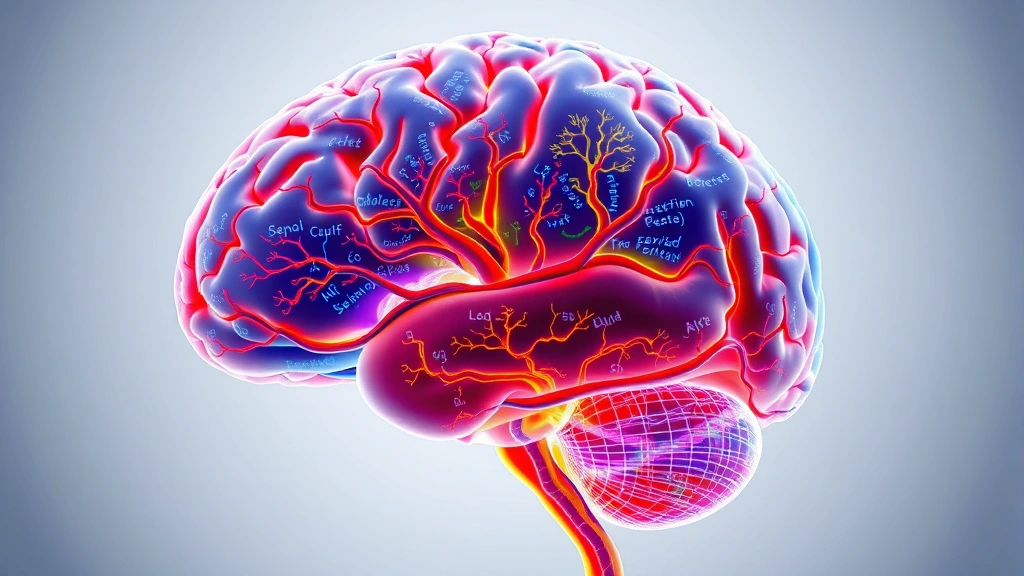
Emerging neuroscience research increasingly demonstrates that cerebral blood flow abnormalities may contribute to various psychiatric conditions. Conditions including major depressive disorder, bipolar disorder, schizophrenia, and anxiety disorders show measurable alterations in regional cerebral perfusion patterns. These hemodynamic abnormalities suggest that vascular dysfunction could represent either a primary pathophysiological mechanism or a significant contributing factor in psychiatric illness development.
Cerebral hypoperfusion—reduced blood flow to specific brain regions—has been documented in treatment-resistant depression, particularly in prefrontal cortical areas responsible for emotional regulation and executive function. Similarly, anxiety disorders demonstrate altered perfusion patterns in the amygdala and anterior cingulate cortex, regions critical for threat detection and emotional processing. These findings raise intriguing questions about whether restoring normal cerebral perfusion could ameliorate psychiatric symptoms.
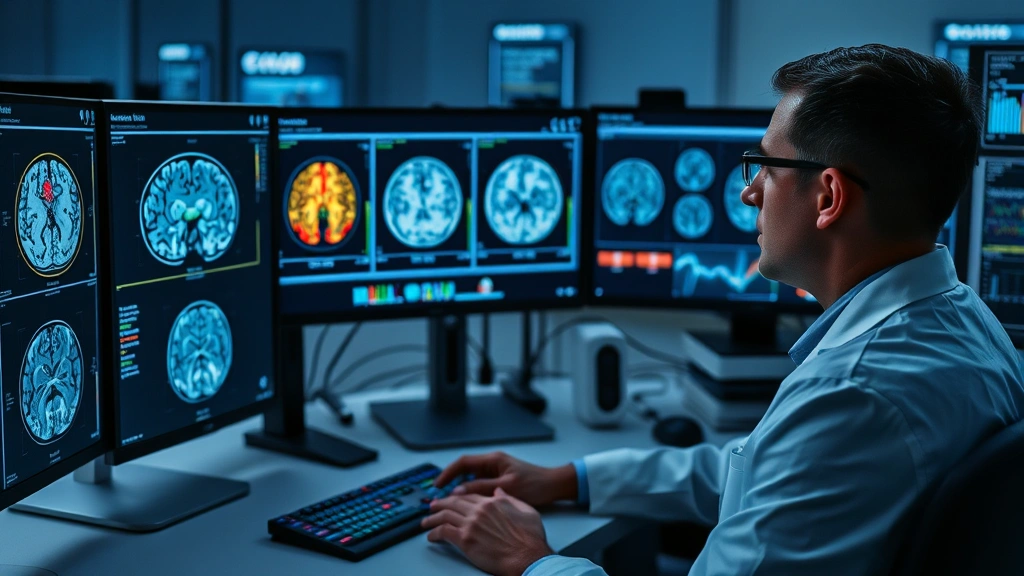
Research utilizing positron emission tomography (PET) and single-photon emission computed tomography (SPECT) imaging reveals that psychiatric medications often work, in part, by normalizing regional cerebral blood flow patterns. This observation suggests that improving vascular function and cerebral perfusion might represent a viable therapeutic target. However, distinguishing between vascular dysfunction as a cause versus consequence of psychiatric illness remains an ongoing research challenge.
The blood-brain barrier (BBB), a highly selective membrane controlling substance passage between blood and brain tissue, plays crucial roles in maintaining neuronal health and regulating inflammatory responses. Vascular endothelial dysfunction can compromise BBB integrity, potentially contributing to neuroinflammation and psychiatric symptomatology. This mechanism suggests that endovascular approaches targeting vascular function could theoretically improve psychiatric outcomes through multiple pathways.
When exploring therapy resources and comprehensive mental health information, understanding these biological mechanisms provides important context for evaluating emerging treatment approaches. The integration of vascular physiology with psychiatric neurobiology represents a paradigm shift in how we conceptualize mental illness etiology.
Current Clinical Applications and Research
While endovascular therapy for primary psychiatric disorders remains largely investigational, several clinical applications have emerged in related neurological and psychiatric contexts. Cerebral venous sinus thrombosis (CVST), a rare condition causing thrombotic obstruction of cerebral venous drainage, can present with psychiatric symptoms including depression, psychosis, and cognitive dysfunction. Endovascular thrombectomy and thrombolysis represent evidence-based treatments for acute CVST, sometimes resulting in dramatic psychiatric symptom resolution.
Treatment-resistant depression (TRD) has become a focus of endovascular research, with preliminary studies examining whether improving cerebral perfusion to specific regions might enhance treatment outcomes. Some researchers hypothesize that selective endovascular interventions targeting hypoperfused brain regions could potentiate responses to pharmacotherapy or neuromodulation techniques. However, rigorous clinical trials validating this approach remain limited.
Stroke and cerebrovascular accidents frequently cause secondary psychiatric complications including post-stroke depression, anxiety, and cognitive impairment. Endovascular thrombectomy, the standard acute stroke treatment, can prevent or mitigate these psychiatric sequelae by restoring cerebral perfusion and preventing neuronal death. This application demonstrates how endovascular therapy indirectly benefits mental health outcomes.
Research examining cerebral autoregulation—the brain’s ability to maintain constant blood flow despite blood pressure fluctuations—suggests potential endovascular applications in psychiatric populations. Patients with certain psychiatric conditions demonstrate impaired autoregulation, potentially contributing to intermittent cerebral hypoperfusion. Theoretical endovascular approaches might address these hemodynamic abnormalities, though clinical applications remain speculative.
Neuroinflammatory conditions including autoimmune encephalitis frequently present with psychiatric manifestations. Some cases involve vascular inflammation amenable to endovascular intervention. For instance, vasculitis affecting cerebral vessels can cause depression, psychosis, and behavioral changes; endovascular angioplasty or anti-inflammatory interventions might address underlying vascular pathology contributing to psychiatric symptoms.
Neurobiological Mechanisms and Brain Perfusion
The relationship between cerebral perfusion and neuropsychiatric function involves complex interactions between vascular physiology, neuronal metabolism, and neurotransmitter systems. Brain tissue requires constant oxygen and glucose delivery to maintain neuronal function, synaptic transmission, and cellular metabolism. Any compromise in cerebral perfusion rapidly impairs these critical functions, potentially manifesting as psychiatric symptoms.
Neurovascular coupling—the process linking neuronal activity to regional blood flow increases—represents a fundamental mechanism ensuring metabolic demands are met. Endothelial dysfunction or vascular pathology can impair this coupling, creating mismatches between neuronal activity and blood supply. In psychiatric conditions, such neurovascular uncoupling might perpetuate symptomatology by creating metabolic stress in already-compromised neural circuits.
The glymphatic system, recently discovered as the brain’s waste clearance mechanism, depends critically on proper cerebral perfusion and vascular function. This system utilizes cerebrospinal fluid circulation to clear metabolic waste products, including amyloid-beta and tau proteins. Impaired cerebral blood flow compromises glymphatic function, potentially allowing toxic protein accumulation. Given emerging evidence linking protein aggregation to psychiatric symptoms in some conditions, optimizing cerebral perfusion might support glymphatic clearance.
Neuroinflammation—brain tissue inflammation involving microglia and astrocyte activation—increasingly appears implicated in various psychiatric disorders. Vascular endothelial dysfunction promotes neuroinflammatory cascades by increasing blood-brain barrier permeability and facilitating leukocyte infiltration. Endovascular approaches that restore endothelial integrity and reduce vascular inflammation could theoretically mitigate neuroinflammatory contributions to psychiatric illness.
Comparing these mechanisms to complementary therapeutic approaches like therapy for anxious-avoidant attachment styles illustrates how multifaceted mental health treatment approaches address different pathophysiological mechanisms. While attachment-focused psychotherapy addresses relational and psychological factors, endovascular approaches would theoretically target underlying vascular physiology.
Comparing Endovascular Approaches to Traditional Treatments
Traditional psychiatric treatment relies primarily on pharmacotherapy, psychotherapy, and neuromodulation techniques. Selective serotonin reuptake inhibitors (SSRIs), serotonin-norepinephrine reuptake inhibitors (SNRIs), and other medications form the pharmacological backbone of psychiatric care. While effective for many patients, approximately 30-40% of individuals with major depression fail to achieve adequate symptom remission with standard pharmacotherapy, defining treatment-resistant depression.
Psychotherapeutic approaches including cognitive-behavioral therapy (CBT), EMDR therapy in NYC and other locations, and interpersonal therapy address psychological and behavioral factors maintaining psychiatric symptoms. These evidence-based approaches produce meaningful benefits for many patients, though response rates vary. Combining pharmacotherapy with psychotherapy typically yields superior outcomes compared to monotherapy.
Neuromodulation techniques including transcranial magnetic stimulation (TMS), deep brain stimulation (DBS), and electroconvulsive therapy (ECT) offer alternatives for treatment-resistant cases. These approaches directly modulate neural activity through electromagnetic or electrical means, bypassing reliance on neurotransmitter systems. DBS demonstrates particular promise for severe treatment-resistant depression, though its invasive nature limits applicability.
Endovascular approaches would theoretically differ fundamentally by targeting vascular physiology and cerebral perfusion rather than neurotransmitter systems, neural activity, or psychological processes. Rather than competing with existing treatments, endovascular therapy might function complementarily, addressing vascular contributions to psychiatric illness while other modalities address neurochemical and psychological factors. This multi-targeted approach could potentially enhance overall treatment efficacy.
The invasiveness spectrum ranges from non-invasive psychotherapy and TMS, through moderately invasive pharmacotherapy and ECT, to highly invasive DBS and hypothetical endovascular procedures. Patient preferences, symptom severity, previous treatment responses, and individual risk tolerances significantly influence treatment selection. Endovascular approaches would require careful consideration of these factors given procedural risks.
Future psychiatric treatment likely involves personalized medicine approaches integrating neuroimaging, genetic testing, and biomarker analysis to predict individual treatment responses. In this context, endovascular therapy might specifically benefit patients with documented vascular dysfunction contributing to their psychiatric illness, rather than serving as a universal treatment.
Safety Considerations and Risks
Any discussion of endovascular therapy for psychiatric applications must thoroughly address procedural risks and safety considerations. Endovascular interventions, while less invasive than open surgery, involve inherent complications including arterial dissection, thromboembolism, hemorrhage, and contrast-induced nephropathy. In established medical applications treating life-threatening vascular conditions, these risks are justified by significant morbidity and mortality reduction.
However, applying endovascular procedures to psychiatric conditions—where alternative, less invasive treatments exist—raises ethical and safety questions. The risk-benefit calculation differs fundamentally when treating depression or anxiety compared to acute stroke or ruptured aneurysm. Psychiatric patients, particularly those experiencing suicidality or severe impairment, require extremely careful risk stratification before considering any invasive procedure.
Procedural complications including stroke, vessel perforation, infection, and access site complications occur in small percentages of endovascular procedures, varying by procedure type and operator experience. For psychiatric applications, even low complication rates might be unacceptable given the availability of safer alternatives. Additionally, long-term effects of endovascular interventions on cerebral vasculature remain incompletely understood, raising questions about delayed complications.
Informed consent becomes particularly crucial with psychiatric populations, some of whom may have impaired decision-making capacity during acute illness episodes. Ensuring genuinely voluntary, informed participation in investigational endovascular trials requires robust ethical oversight and careful patient selection. Psychiatric patients deserve protection from experimental procedures that might exploit their vulnerability.
Contrast agents used in endovascular imaging procedures carry allergic reaction risks and potential nephrotoxicity, particularly in patients with renal impairment. Radiation exposure from fluoroscopic imaging during endovascular procedures adds cumulative radiation burden. These considerations, while manageable in urgent medical situations, require careful evaluation for elective psychiatric applications.
Vascular complications including restenosis—re-narrowing of previously treated vessels—might necessitate repeat interventions, creating escalating procedural risks. Long-term durability of endovascular psychiatric interventions remains unknown, potentially requiring repeated procedures. This prospect further complicates the risk-benefit analysis for psychiatric applications.
Future Directions in Psychiatric Endovascular Intervention
The future of endovascular approaches in psychiatry likely involves several parallel developments. Advanced neuroimaging technologies including functional MRI (fMRI) and arterial spin labeling (ASL) increasingly enable precise mapping of cerebral perfusion abnormalities in psychiatric populations. As our ability to identify vascular dysfunction improves, endovascular interventions might become more precisely targeted to patients most likely to benefit.
Technological innovations in catheter design, imaging resolution, and navigation systems continuously improve endovascular procedure precision while reducing procedural trauma. Robotic-assisted endovascular interventions offer potential advantages in accuracy and reproducibility. These technological advances could eventually enable safer, more effective psychiatric endovascular applications.
Research examining minimally invasive alternatives to traditional catheter-based endovascular therapy might yield psychiatric applications with improved safety profiles. Transcatheter interventions, intra-arterial drug delivery systems, and novel endovascular devices could potentially achieve cerebral perfusion improvements with reduced procedural risks compared to conventional approaches.
Biomarker research identifying which psychiatric patients have vascular dysfunction contributing to their illness could enable precision medicine approaches. Patients with documented perfusion abnormalities, neuroinflammation, or endothelial dysfunction might represent appropriate candidates for endovascular trials, while others would benefit more from traditional treatments.
Integration of endovascular approaches with other emerging psychiatric treatments including psychedelic-assisted therapy, novel pharmacological agents, and advanced neuromodulation techniques might produce synergistic benefits. Multi-modal treatment approaches addressing vascular, neurochemical, and psychological factors simultaneously could potentially achieve superior outcomes.
Establishing rigorous clinical trial infrastructure represents a critical priority. Well-designed, adequately powered randomized controlled trials comparing endovascular interventions to established treatments would provide essential evidence regarding efficacy and safety. Such trials require substantial funding, infrastructure, and multi-institutional collaboration.
International collaboration among interventional radiologists, psychiatrists, neuroscientists, and ethicists will prove essential for developing responsible endovascular psychiatric applications. Sharing expertise across disciplines ensures that technological capabilities are applied thoughtfully, with appropriate consideration of psychiatric patients’ unique vulnerabilities and needs.
Complementary approaches including red light therapy for wellness and recovery and other emerging biomodulation techniques might eventually integrate with endovascular approaches in comprehensive treatment protocols. The future likely involves multi-targeted interventions simultaneously addressing vascular, neurochemical, neuroinflammatory, and psychological factors.
Research examining how endovascular interventions might enhance outcomes when combined with physical therapy approaches for neurological conditions could yield insights applicable to psychiatric populations. Understanding how vascular health, physical function, and mental health interconnect provides valuable context for developing integrated treatment approaches.
Patient advocacy and involvement in research design and implementation will ensure that endovascular psychiatric research remains responsive to patient needs and preferences. Patients living with treatment-resistant psychiatric conditions bring invaluable perspectives regarding acceptable risk levels and desired outcomes.
Frequently Asked Questions
What exactly is endovascular therapy?
Endovascular therapy encompasses minimally invasive procedures performed within blood vessels using catheter-based technology. These procedures treat vascular conditions without requiring large surgical incisions, utilizing specialized imaging for guidance and precise treatment delivery.
How could endovascular therapy affect mental health?
Emerging research suggests that abnormal cerebral blood flow patterns contribute to certain psychiatric conditions. Theoretically, endovascular interventions improving cerebral perfusion could address vascular dysfunction underlying some psychiatric symptoms, though clinical evidence remains limited.
Are endovascular procedures currently used for psychiatric conditions?
Endovascular therapy is not currently standard psychiatric treatment. Clinical applications remain investigational, limited primarily to psychiatric presentations of underlying vascular conditions like cerebral venous sinus thrombosis or cerebral vasculitis.
What are the main risks of endovascular procedures?
Endovascular procedures carry risks including arterial dissection, blood clots, hemorrhage, kidney damage from contrast agents, and infection. While generally lower-risk than open surgery, these complications require careful consideration, especially for psychiatric applications where safer alternatives exist.
How does endovascular therapy compare to traditional psychiatric treatments?
Traditional treatments target neurotransmitter systems, psychological processes, or neural activity. Endovascular approaches would theoretically target vascular physiology and cerebral perfusion, representing a different mechanistic approach that might complement rather than replace existing treatments.
Who might benefit most from endovascular psychiatric interventions?
Hypothetically, patients with documented vascular dysfunction contributing to treatment-resistant psychiatric symptoms would be candidates. However, no established patient selection criteria currently exist, as endovascular psychiatric applications remain investigational.
What future developments might improve endovascular psychiatric applications?
Advances in neuroimaging, catheter technology, biomarker identification, and clinical trial design could eventually enable safer, more effective endovascular psychiatric interventions. Responsible development requires rigorous research, international collaboration, and careful ethical consideration.