How Does Dynamometer Aid Rehab? OT Experts Explain
Occupational therapists have long sought precise, objective measurement tools to track patient progress and guide treatment decisions. A dynamometer—a device that measures grip strength and pinch force—has become an indispensable instrument in rehabilitation settings. Unlike subjective assessments, dynamometers provide quantifiable data that helps therapists establish baselines, monitor improvements, and tailor interventions to individual patient needs. This scientific approach to measuring hand and finger strength has revolutionized how occupational therapy professionals approach recovery planning and outcomes documentation.
The importance of accurate strength assessment cannot be overstated in rehabilitation medicine. Patients recovering from stroke, hand surgery, arthritis, or other conditions require objective feedback about their functional capacity. A dynamometer bridges the gap between clinical observation and measurable evidence, enabling therapists to make data-driven decisions about progression, discharge planning, and long-term care strategies. Understanding how these devices work and their applications in occupational therapy provides insight into modern rehabilitation best practices.

What Is a Dynamometer and How Does It Work?
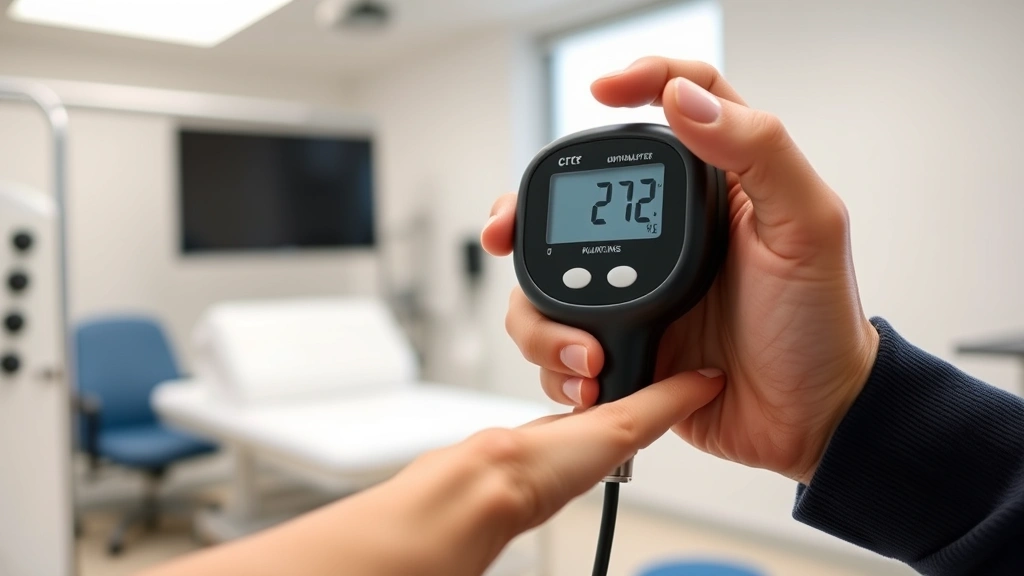
A dynamometer is a specialized instrument designed to measure force exertion with precision and reliability. In occupational therapy contexts, hand dynamometers measure grip strength—the maximum force a person can apply with their hand when gripping an object. The device consists of a handle that adjusts to accommodate different hand sizes, a force-sensing mechanism, and a digital or analog display that records measurements in pounds or kilograms.
The mechanics are straightforward: when a patient squeezes the handle with maximum effort, internal sensors detect the force applied and convert it into numerical values. Most modern dynamometers use load cells—electronic sensors that translate physical pressure into digital readings. This technology ensures consistency and eliminates the subjective interpretation that characterizes manual muscle testing. Therapists can compare measurements across sessions, identify trends, and provide patients with concrete evidence of their progress.
The reliability of dynamometer readings depends on proper calibration, standardized testing protocols, and patient effort. Occupational therapy experts emphasize that consistent positioning, verbal encouragement, and multiple trials are essential for obtaining valid measurements. Research from the American Society of Hand Therapists has established normative values for different age groups and populations, allowing therapists to benchmark individual patient performance against established standards.
Types of Dynamometers Used in Occupational Therapy
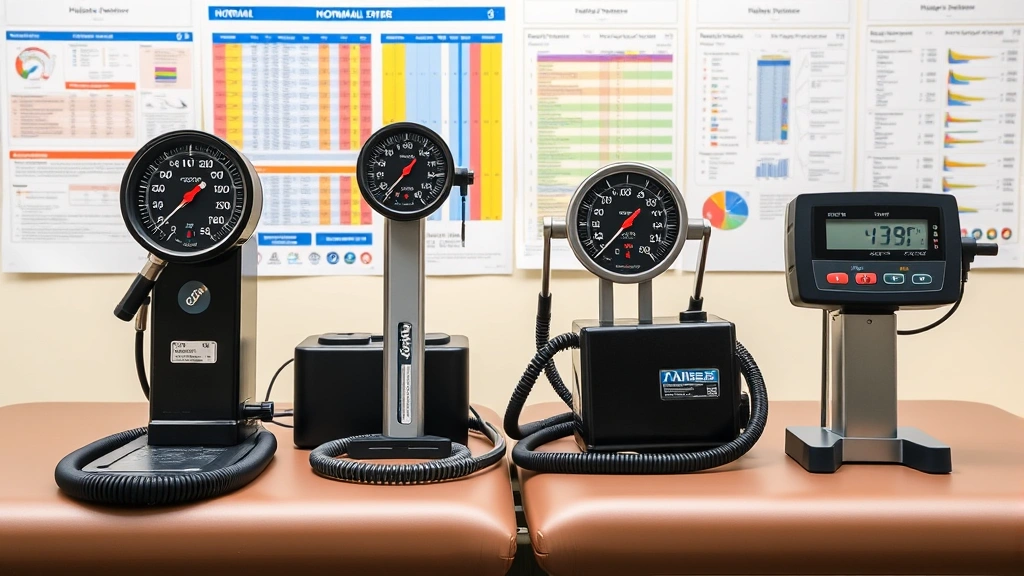
Several dynamometer variants serve different assessment purposes in rehabilitation settings. The hydraulic hand dynamometer remains popular in clinical environments due to its durability, affordability, and lack of battery dependency. These devices use fluid resistance to measure grip force and have been validated extensively in research literature. Hydraulic models provide immediate visual feedback and require minimal maintenance.
The digital electronic dynamometer offers enhanced precision and data recording capabilities. Many digital models feature memory functions that store multiple measurements, calculate averages, and track trends over time. Some devices connect to computers or tablets, enabling therapists to maintain detailed records and generate progress reports automatically. Electronic dynamometers often include adjustable handle widths—critical for accurate assessment since grip strength varies based on hand size and span.
Pinch gauges represent another essential tool in the occupational therapist’s assessment arsenal. These specialized dynamometers measure tip pinch (thumb and index finger), key pinch (thumb and lateral finger), and three-jaw chuck pinch (thumb, index, and middle finger). Pinch strength is particularly important for fine motor tasks and functional independence in activities of daily living. Patients recovering from hand surgery or nerve injuries often show differential recovery patterns across different pinch types, making individual assessment crucial.
The computerized hand dynamometer systems represent the cutting edge of strength assessment technology. These sophisticated devices provide real-time visual feedback, adjustable resistance curves, and detailed biomechanical analysis. Some systems can detect compensatory patterns or inconsistent effort, helping therapists identify patients with non-organic weakness or psychological overlay. These advanced instruments are often found in research settings and specialized rehabilitation centers.
Assessment and Baseline Measurement
Establishing an accurate baseline measurement forms the foundation for effective rehabilitation planning. During the initial occupational therapy evaluation, therapists use dynamometers to quantify current functional capacity. This baseline serves as the reference point against which all future progress is measured, providing both therapist and patient with objective documentation of starting status.
The assessment process follows standardized protocols established by professional organizations. Patients typically perform three trials with each hand, using their maximum voluntary effort. The therapist records all measurements and calculates the average, though some protocols use the highest value. Proper positioning is critical—patients sit upright with their shoulder adducted, elbow flexed at ninety degrees, and wrist in neutral position. Consistency in these variables ensures that subsequent measurements reflect actual strength changes rather than positional variations.
Baseline measurements provide essential information for treatment planning. If a patient demonstrates significantly reduced grip strength in the affected hand compared to the non-affected side, this quantifies the functional deficit. Therapists can then establish realistic short-term and long-term goals based on normative data and the patient’s individual potential. For example, a patient recovering from physical therapy treatment after stroke might aim to achieve eighty percent of their non-affected hand strength within three months.
Documentation of baseline measurements also serves important clinical and legal purposes. Insurance companies often require objective evidence of functional limitations to justify treatment frequency and duration. Baseline data strengthens these justifications and supports treatment authorization requests. Additionally, baseline measurements establish medical-legal documentation that protects both therapist and patient in case of disputes regarding rehabilitation progress or outcomes.
Monitoring Progress During Rehabilitation
Regular dynamometer testing throughout the rehabilitation course provides objective evidence of therapeutic effectiveness. Most occupational therapists administer grip and pinch strength assessments at regular intervals—typically weekly or biweekly—to track progress and adjust treatment strategies accordingly. This ongoing measurement creates a quantitative record of improvement that motivates patients and validates treatment approaches.
Progress monitoring serves multiple clinical functions. First, it enables therapists to identify patients who are progressing normally versus those plateauing or declining. When strength measurements stabilize despite continued intervention, therapists may modify their approach, introduce new techniques, or consider discharge planning. Conversely, consistent strength gains justify continued treatment intensity and support requests for additional therapy sessions.
The motivational impact of objective progress measurement should not be underestimated. Patients who see concrete numerical evidence of improvement demonstrate greater adherence to home exercise programs and therapy appointments. A patient who witnesses their grip strength improve from forty pounds to fifty-five pounds over eight weeks receives powerful reinforcement that their efforts produce tangible results. This psychological benefit often accelerates overall rehabilitation outcomes.
Strength gains typically follow predictable patterns depending on the underlying condition. Patients recovering from hand surgery often show rapid initial improvements during the first four to six weeks as inflammation decreases and protective immobilization ends. Improvements then plateau before resuming at a slower rate during the subsequent six to twelve weeks. Understanding these patterns helps therapists maintain realistic expectations and adjust treatment intensity appropriately.
Clinical Applications in OT Settings
Dynamometers serve diverse clinical purposes across various occupational therapy populations. In post-surgical hand rehabilitation, strength measurements help determine progression through immobilization, protected mobilization, and unrestricted activity phases. Therapists can objectively confirm that healing tissue has reached sufficient strength to tolerate increased loading.
For patients with arthritis or degenerative conditions, dynamometer testing quantifies functional limitations and tracks disease progression or treatment response. A patient beginning a new anti-inflammatory medication regimen can document whether grip strength improves, suggesting beneficial medication effects. This information guides long-term management decisions and treatment modifications.
Occupational therapy resources and treatment information increasingly emphasize the role of dynamometry in stroke rehabilitation. Patients recovering from cerebrovascular accidents frequently experience unilateral weakness that significantly impacts independence. Serial grip strength measurements document recovery patterns and help predict functional outcomes. Research indicates that grip strength recovery often correlates with overall motor recovery and functional independence measures.
In workers’ compensation and occupational rehabilitation settings, dynamometer testing establishes baseline capacity and tracks readiness for return-to-work. Objective strength measurements support decisions about job modifications, work conditioning program progression, and vocational counseling. Employers and insurance companies value this objective documentation when making employment and benefits decisions.
Neurological rehabilitation programs utilize dynamometry to assess patients with Parkinson’s disease, multiple sclerosis, and spinal cord injuries. Strength measurements help therapists monitor disease progression, medication effects, or deterioration over time. In pediatric settings, dynamometer testing tracks developmental progress and identifies children who may benefit from early intervention or specialized programs.
Advantages Over Traditional Assessment Methods
Manual muscle testing, the traditional approach to assessing strength, relies on therapist judgment and subjective interpretation. The therapist grades strength on a five-point scale (0-5) based on their perception of the patient’s ability to move against gravity and resistance. While useful, this method introduces significant variability. Different therapists may assign different grades to the same patient, and the same therapist might grade inconsistently across time or patients.
Dynamometer measurements eliminate this subjectivity. Numbers don’t lie—a grip strength reading of forty-five kilograms is an objective fact that any therapist can verify through repeat testing. This objectivity enables meaningful comparisons across time, between therapists, and against normative standards. A patient’s improvement from forty-five to fifty-five kilograms is quantifiable and undeniable.
Objectivity also enhances research validity and treatment evidence. When occupational therapists conduct treatment outcome studies, dynamometer measurements provide the quantitative data that statistical analysis requires. Comparing pre-treatment and post-treatment grip strength measurements across patient cohorts generates evidence about treatment effectiveness. This research foundation strengthens the professional credibility of occupational therapy interventions.
Standardized normative values represent another advantage of dynamometry. Professional organizations have established grip and pinch strength norms for different age groups, genders, and hand dominance patterns. A therapist can immediately determine whether a patient’s measured strength falls within normal limits or represents significant dysfunction. This reference framework facilitates communication with other healthcare providers and helps set realistic rehabilitation goals.
Dynamometer testing also detects non-organic weakness or inconsistent effort patterns. Patients with psychological overlay, secondary gain motivation, or malingering often produce inconsistent measurements or effort levels. Computerized systems can identify these patterns, alerting therapists to the need for psychological evaluation or modified treatment approaches. This capability protects patients from unnecessary prolonged rehabilitation and supports appropriate resource allocation.
Best Practices for Dynamometer Use
Maximizing dynamometer utility requires adherence to established protocols and best practices. Standardized positioning is fundamental—patients should sit upright with feet flat on the floor, shoulders adducted, elbows flexed at ninety degrees, and wrists in neutral position. Forearms should rest on a table with hands extending beyond the edge. This positioning is critical because even small deviations significantly affect measurements.
Multiple trials improve reliability and validity. Most protocols recommend three consecutive trials with each hand, alternating hands to minimize fatigue effects. Recording all measurements—not just the highest value—provides valuable information about consistency and fatigue patterns. Declining measurements across three trials suggest fatigue, while inconsistent results might indicate effort variability or pain.
Proper calibration and maintenance ensure measurement accuracy. Hydraulic dynamometers should be checked regularly to confirm they read zero when unloaded. Electronic devices require periodic calibration according to manufacturer specifications. Therapists should maintain detailed maintenance logs and replace devices that fail calibration checks. Faulty instruments produce unreliable measurements that compromise clinical decision-making.
Verbal encouragement significantly impacts measurement validity. Research demonstrates that consistent, enthusiastic encouragement produces higher and more consistent grip strength measurements. Therapists should provide standardized verbal cues—phrases like “squeeze as hard as you can” or “give me your maximum effort”—delivered with consistent enthusiasm across all patients and sessions.
Adjustable handle positioning requires careful attention. Handle width significantly affects grip strength measurements—optimal width varies by individual hand anatomy. Many modern dynamometers feature adjustable handles with position indicators. Therapists should record the handle position used during baseline testing and replicate it during follow-up assessments. Inconsistent handle positioning introduces measurement variability unrelated to actual strength changes.
Fatigue management prevents invalid measurements. Testing should occur when patients are rested and alert, preferably in the morning. Patients should avoid exhausting activities before testing. Rest periods between trials—typically thirty to sixty seconds—allow partial recovery between measurements. Therapists should monitor for signs of excessive fatigue and discontinue testing if patients appear overly fatigued.
Documentation and trending maximize the clinical utility of measurements. Therapists should record all measurements, the date and time of testing, patient effort level, pain responses, and any unusual circumstances affecting performance. Plotting measurements on a graph creates visual trend lines that quickly communicate progress to patients, physicians, and insurance companies. Digital dynamometer systems often generate these visualizations automatically.
Understanding the psychological aspects of strength testing improves outcomes. Patients with pain, anxiety, or depression may produce artificially low measurements that don’t reflect their true capacity. Therapists should address pain management, provide reassurance, and create supportive testing environments. Repeat testing after pain reduction often reveals greater strength than initial assessment.
FAQ
What is the difference between grip strength and pinch strength assessment?
Grip strength measures force applied with the entire hand wrapped around an object, while pinch strength measures force applied with the thumb and one or more fingers in specific configurations. Grip strength typically measures larger, more powerful movements, while pinch strength assesses fine motor control and precision grip patterns. Both measurements are important for comprehensive hand function assessment. Different conditions affect grip and pinch strength differentially—for example, arthritis might reduce pinch strength more than grip strength, depending on joint involvement.
How often should dynamometer testing occur during rehabilitation?
Most occupational therapists administer strength assessments weekly or biweekly during active rehabilitation. The frequency depends on the patient’s condition, treatment intensity, and expected recovery trajectory. Post-surgical patients might be tested weekly during the early phases when strength changes occur rapidly. Chronic conditions like arthritis might require monthly or quarterly testing. The goal is frequent enough to detect meaningful changes but not so frequent that measurement variation exceeds true strength change.
What factors can affect dynamometer measurement accuracy?
Multiple factors influence dynamometer readings: patient positioning, handle width adjustment, pain level, fatigue, motivation, time of day, recent activity, medications affecting strength or alertness, and emotional state. Environmental factors like temperature and humidity can affect some mechanical dynamometers. Therapists must control these variables as much as possible and note any unusual circumstances that might affect measurements. This attention to detail ensures that measurements reflect actual strength changes rather than extraneous variables.
Can dynamometer testing be harmful to patients?
Dynamometer testing is generally safe when performed appropriately. However, excessive force or testing shortly after surgery or injury can aggravate symptoms or cause harm. Therapists must use clinical judgment about appropriate testing timing and intensity. Patients with acute pain, recent fractures, or unstable conditions should avoid maximum effort testing. Gentle submaximal testing or deferring assessment until appropriate healing occurs protects patient safety while still gathering useful information.
How do therapists interpret dynamometer measurements for patients?
Therapists compare individual measurements against normative values for the patient’s age, gender, and hand dominance. They also track individual trends—improvement over time is positive regardless of whether absolute values reach normal limits. Comparing affected and non-affected hands provides a relative measure of functional deficit. Therapists should explain results in patient-friendly language, celebrating improvements and discussing strategies to address persistent limitations. Visual graphs showing progress are particularly motivating for patients.
Are there conditions where dynamometer testing is contraindicated?
Dynamometer testing should be avoided or modified in several situations: acute inflammatory conditions causing severe pain, recent fractures during immobilization phases, severe edema limiting hand mobility, open wounds or incisions in the hand, and conditions like complex regional pain syndrome where gripping might exacerbate symptoms. In these cases, therapists might defer testing, perform gentle submaximal testing, or use alternative assessment methods. Clinical judgment about patient safety always takes priority over obtaining measurements.
How does dynamometer data support therapy cost justification and insurance approval?
Insurance companies and healthcare systems increasingly demand objective evidence of functional improvement to justify continued treatment. Dynamometer measurements provide this objective evidence in quantifiable form. Therapists can demonstrate that patients are progressing—grip strength improved from forty to fifty pounds over six weeks—supporting requests for additional therapy sessions. Documentation of baseline deficits and measurable progress strengthens authorization requests and justifies treatment frequency and duration to payers.