
How Can Mindfulness Aid Recovery? Dr. Tran Explains
Recovery from physical injury, surgery, or chronic pain represents one of the most challenging journeys a person can undertake. While traditional physical therapy treatment focuses primarily on restoring strength and mobility, an increasingly recognized dimension of rehabilitation involves the mind-body connection. Dr. Paul Tran, a pioneering figure in integrating mindfulness practices with physical recovery protocols, has dedicated his career to demonstrating how mental awareness techniques can dramatically accelerate healing outcomes and improve overall quality of life during the rehabilitation process.
The intersection of mindfulness and physical recovery represents a paradigm shift in how healthcare professionals approach rehabilitation. Rather than treating the body as a mechanical system separate from psychological processes, contemporary therapy resources and information increasingly recognize that our mental state, emotional resilience, and present-moment awareness directly influence pain perception, inflammation, neuroplasticity, and the body’s capacity to heal itself. Dr. Tran’s work exemplifies this holistic approach, offering patients practical strategies to enhance their recovery journey beyond conventional therapeutic exercises.

Understanding the Mind-Body Connection in Recovery
The relationship between our thoughts, emotions, and physical healing has been documented extensively in medical literature. When individuals experience trauma, surgery, or physical injury, the psychological response—often characterized by anxiety, fear, and catastrophic thinking—can significantly impede the body’s natural healing mechanisms. Dr. Paul Tran’s approach recognizes that mindfulness serves as a bridge between conscious awareness and physiological recovery, enabling patients to regulate their nervous system response and create optimal conditions for tissue repair and functional restoration.
Recovery is not merely a physical process; it is fundamentally a psychological and neurological phenomenon. The brain’s perception of pain, threat, and safety directly influences inflammation levels, muscle tension, and the body’s allocation of resources toward healing. When patients remain in a state of high alert or chronic stress during rehabilitation, their sympathetic nervous system remains activated, diverting energy away from parasympathetic healing functions. Mindfulness interventions help shift this balance, allowing the body to enter a restorative state more conducive to recovery.
Traditional speech therapy near me and physical rehabilitation programs have historically focused on isolated body regions and mechanical restoration of function. However, Dr. Tran’s integrative model acknowledges that patients experiencing fear avoidance, anxiety about re-injury, or psychological trauma benefit profoundly from concurrent mindfulness training that addresses these mental and emotional dimensions of recovery.
The Neuroscience Behind Mindfulness and Healing
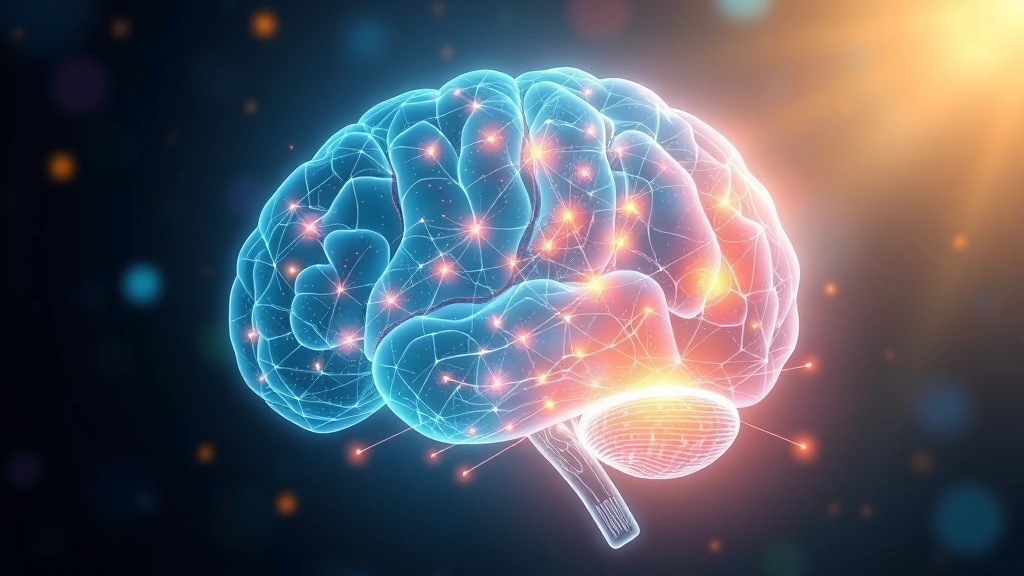
Recent neuroscientific research has illuminated the mechanisms through which mindfulness facilitates recovery. Brain imaging studies demonstrate that regular mindfulness practice increases gray matter density in regions associated with learning, memory, and emotional regulation while simultaneously reducing activity in the default mode network—the brain system responsible for self-referential thinking and worry. For recovering patients, this neurobiological shift translates to reduced rumination about pain, decreased catastrophizing about future function, and enhanced capacity to engage meaningfully in rehabilitation activities.
Mindfulness practice influences the autonomic nervous system’s balance between sympathetic (fight-or-flight) and parasympathetic (rest-and-digest) activation. During recovery, maintaining parasympathetic dominance is crucial because this state facilitates:
- Enhanced immune function through increased vagal tone and reduced inflammatory cytokine production
- Improved circulation to injured tissues, delivering oxygen and nutrients essential for cellular repair
- Muscle relaxation and reduced protective muscle guarding that can perpetuate dysfunction
- Normalized cortisol patterns, preventing chronic stress hormone elevation that impairs healing
- Increased endogenous opioid production, naturally modulating pain perception without pharmaceutical side effects
Dr. Tran has published research demonstrating that patients integrating mindfulness with their physical therapy treatment for cerebral palsy and other conditions show measurable improvements in neuroplasticity markers, suggesting that mindful attention during therapeutic exercises enhances the brain’s capacity to rewire neural pathways and establish new movement patterns.
A landmark study from the American Psychological Association examined mindfulness-based stress reduction in chronic pain populations and found significant reductions in pain intensity, pain-related disability, and psychological distress. These findings have particular relevance for rehabilitation contexts where pain management and psychological wellbeing directly influence adherence to therapeutic protocols.
Dr. Tran’s Evidence-Based Mindfulness Protocols
Dr. Paul Tran has developed a systematized approach to integrating mindfulness into physical rehabilitation that differs fundamentally from generic meditation instruction. His protocols specifically target the psychological and neurological barriers that impede recovery, including fear avoidance, pain catastrophizing, movement-related anxiety, and loss of confidence in bodily capabilities.
The core components of Dr. Tran’s mindfulness framework include:
- Somatic awareness training—developing refined sensitivity to bodily sensations without judgment, allowing patients to distinguish between pain signals and normal sensations associated with therapeutic exercise
- Attention regulation—cultivating the capacity to direct focus toward present-moment experience rather than anticipatory worry about future limitations
- Emotional regulation—learning to observe emotional responses to pain or movement restrictions without reactive patterns that amplify suffering
- Self-compassion cultivation—counteracting the shame, frustration, and self-criticism that often accompany slow recovery progress
- Values-aligned engagement—reconnecting with meaningful life activities to motivate consistent rehabilitation effort
Unlike generic mindfulness applications, Dr. Tran’s protocols are specifically calibrated to the recovery phase, injury type, and psychological presentation of individual patients. Early-stage recovery emphasizes gentle body awareness and acceptance of current limitations. Mid-stage recovery incorporates mindfulness during increasingly challenging therapeutic exercises. Late-stage recovery focuses on mindful return to valued activities and prevention of re-injury through sustained body awareness.
Practical Mindfulness Techniques for Rehabilitation
Dr. Tran recommends several evidence-based mindfulness techniques that recovering patients can implement immediately to support their healing journey. These practices require minimal equipment and can be integrated seamlessly into daily life and formal therapy sessions.
Body Scan Meditation: This foundational practice involves systematically directing attention through different body regions, noticing sensations without attempting to change them. For recovering patients, body scans cultivate precise interoceptive awareness—the ability to perceive internal bodily states—which directly translates to improved movement control and enhanced ability to detect early warning signs of compensation patterns or overuse.
Mindful Breathing: Conscious attention to breath patterns provides an anchor for present-moment awareness while simultaneously regulating the nervous system. Slow, deep breathing activates the parasympathetic nervous system, reducing muscle tension and creating physiological conditions optimal for healing. Dr. Tran emphasizes that mindful breathing during therapeutic exercises significantly enhances the quality and effectiveness of movement training.
Movement Meditation: Rather than treating mindfulness as a static practice separate from rehabilitation, Dr. Tran advocates for integrating awareness into the therapeutic exercises themselves. This involves performing rehabilitation movements with deliberate attention to sensation, alignment, and the quality of effort, transforming routine exercises into powerful neuroplasticity-promoting activities.
Loving-Kindness Practice: For patients struggling with frustration, anger, or despair about their condition, loving-kindness meditation—systematically directing wishes of wellbeing toward oneself and others—counters the self-directed negativity that impedes recovery. Research demonstrates that loving-kindness practice reduces inflammatory markers and enhances immune function, providing both psychological and physiological benefits.
Mindful Acceptance: Rather than fighting against pain or limitations, acceptance-based mindfulness teaches patients to acknowledge current reality while maintaining commitment to rehabilitation goals. This paradoxical approach—accepting what cannot be changed while actively working toward improvement—reduces the psychological suffering that often perpetuates pain and dysfunction.
Pain Management Through Present-Moment Awareness
Chronic pain represents one of the most common complications following injury or surgery, often persisting long after tissue healing is complete. Dr. Tran’s research illuminates why mindfulness proves particularly effective for pain management: pain exists at the intersection of sensory input and psychological interpretation. While we cannot always control the sensory signals our body generates, mindfulness training provides sophisticated tools for altering our relationship to these signals.
Pain neuroscience research, particularly work from institutions like Pain Science, demonstrates that pain perception is constructed by the brain based on sensory input weighted against perceived threat, past experience, attention, and beliefs about the meaning of sensations. Mindfulness interventions directly influence this pain construction process by:
- Reducing attentional bias toward pain signals through attention training
- Decreasing threat appraisal through exposure to bodily sensations in safe contexts
- Modifying beliefs about pain’s meaning through experiential learning
- Increasing psychological flexibility—the capacity to experience pain while pursuing valued activities
- Activating endogenous pain modulation systems through parasympathetic activation
Dr. Tran emphasizes that mindfulness-based pain management does not involve denying pain or using meditation as a distraction technique. Rather, it involves developing a fundamentally different relationship to pain—observing it with curiosity rather than resistance, understanding its changing nature, and maintaining the conviction that pain need not prevent meaningful engagement with life and rehabilitation activities.
Integrating Mindfulness with Physical Therapy
The most powerful applications of Dr. Tran’s approach emerge when mindfulness becomes fully integrated with physical therapy rather than remaining a separate adjunct. This integration involves several key modifications to traditional therapy delivery:
Mindful Movement Training: Rather than performing repetitions mechanically, patients learn to execute therapeutic exercises with deliberate attention to sensation, alignment, and effort quality. This transforms routine exercises into powerful neuroplasticity-promoting activities that simultaneously build strength and enhance body awareness.
Fear Avoidance Reduction: Mindfulness-based exposure to previously avoided movements, combined with present-moment awareness of the absence of catastrophic outcomes, systematically reduces fear avoidance and movement anxiety that often perpetuate dysfunction long after tissue healing.
Therapist-Guided Mindfulness: Dr. Tran advocates for physical therapists to receive training in delivering mindfulness instruction within therapy sessions. This allows real-time guidance in applying mindfulness to specific therapeutic exercises and immediate correction of unhelpful thought patterns that emerge during rehabilitation.
Home Exercise Program Enhancement: Patients adhering to home exercise programs show dramatically improved outcomes when those programs incorporate mindfulness instructions. Rather than performing exercises as obligatory tasks, mindfulness transforms home rehabilitation into opportunities for self-care and active participation in healing.
Organizations like the American Physical Therapy Association increasingly recognize mindfulness integration as evidence-based practice, with multiple clinical practice guidelines now recommending psychological interventions including mindfulness for conditions ranging from chronic pain to sports injury rehabilitation.
Real-World Recovery Success Stories
Dr. Tran’s clinical experience encompasses diverse patient populations whose recovery trajectories have been transformed through mindfulness integration. While individual results vary, patterns emerge consistently across his patient cohorts.
Post-surgical patients integrating mindfulness with standard rehabilitation demonstrate accelerated functional recovery, reduced pain medication requirements, and higher satisfaction with rehabilitation outcomes. These patients report that mindfulness helps them maintain psychological resilience during the inevitable frustrations of gradual progress, preventing the catastrophic thinking patterns that often lead to premature activity cessation or abandonment of therapeutic protocols.
Chronic pain patients who previously believed their condition was irreversible frequently experience significant symptom reduction and, more importantly, psychological freedom—the recognition that they can engage meaningfully in valued activities despite ongoing pain. This shift from pain-focused to values-focused living represents a fundamental transformation in quality of life that extends far beyond symptom reduction.
Athletes recovering from injury report that mindfulness integration accelerates return-to-sport timelines while simultaneously reducing re-injury risk. The present-moment awareness and body sensitivity developed through mindfulness practice translates to improved movement quality and earlier detection of compensatory patterns that could lead to secondary injury.
Patients with neurological conditions, including those pursuing occupational therapy jobs or other healthcare careers, frequently report that mindfulness practices provide them with powerful tools applicable not only to their personal recovery but also to their professional work with other patients experiencing similar challenges.
For individuals exploring therapy for anxious avoidant attachment or other psychological concerns that may complicate recovery, Dr. Tran’s integrated approach acknowledges that psychological wellbeing fundamentally influences physical healing capacity. Patients addressing underlying trauma or attachment patterns alongside physical rehabilitation often experience synergistic improvements in both domains.
Dr. Tran’s work also addresses practical concerns including how much therapy costs and accessibility barriers. By teaching patients mindfulness techniques that can be practiced independently, he reduces required therapy frequency while maintaining or improving outcomes—addressing both cost and accessibility concerns that prevent many individuals from accessing comprehensive rehabilitation services.
FAQ
How long does it take for mindfulness to improve recovery outcomes?
Research indicates that even brief mindfulness practice—ten to fifteen minutes daily—produces measurable improvements in pain, anxiety, and psychological wellbeing within two to four weeks. However, the most significant functional improvements typically emerge after eight to twelve weeks of consistent practice. Dr. Tran emphasizes that consistency matters more than duration; regular brief practice outperforms occasional longer sessions.
Can mindfulness replace traditional physical therapy?
No. Mindfulness serves as a powerful complement to—not replacement for—evidence-based physical therapy. The most effective rehabilitation programs integrate both approaches, using mindfulness to enhance the psychological conditions supporting healing while maintaining structured therapeutic exercise and manual therapy as needed. Dr. Tran’s approach specifically emphasizes this complementary relationship.
Is mindfulness appropriate for all types of injuries and conditions?
Mindfulness proves beneficial across virtually all recovery contexts, from post-surgical rehabilitation to chronic pain management to sports injury recovery. However, Dr. Tran emphasizes that mindfulness instruction should be tailored to specific conditions and recovery phases. Patients with certain psychiatric conditions should pursue mindfulness under professional guidance, as intensive practice can occasionally exacerbate symptoms in vulnerable individuals.
How does mindfulness differ from distraction techniques?
Distraction—redirecting attention away from pain—provides temporary relief but does not address underlying pain mechanisms or fear avoidance patterns. Mindfulness, conversely, involves deliberately directing attention toward present-moment experience including bodily sensations, which over time reduces pain intensity and fear, and increases psychological flexibility. Research demonstrates superior long-term outcomes with mindfulness compared to distraction approaches.
What if I cannot meditate or have a racing mind?
Dr. Tran emphasizes that meditation is a skill developed through practice, not a special ability some people possess. A racing mind during meditation is completely normal and does not indicate failure. The practice involves noticing when attention has wandered and gently redirecting it—this redirection process itself is the meditation. Movement-based practices like mindful walking or mindful exercise often prove more accessible than sitting meditation for individuals finding traditional meditation challenging.
How can patients find qualified mindfulness instructors with rehabilitation expertise?
Dr. Tran recommends seeking instructors with certification in Mindfulness-Based Stress Reduction or Mindfulness-Based Cognitive Therapy who also possess healthcare backgrounds. Many physical therapists and occupational therapists now receive mindfulness training. Alternatively, patients can explore resources through the Center for Mindfulness in Medicine, Health Care, and Society which maintains directories of trained instructors and programs.