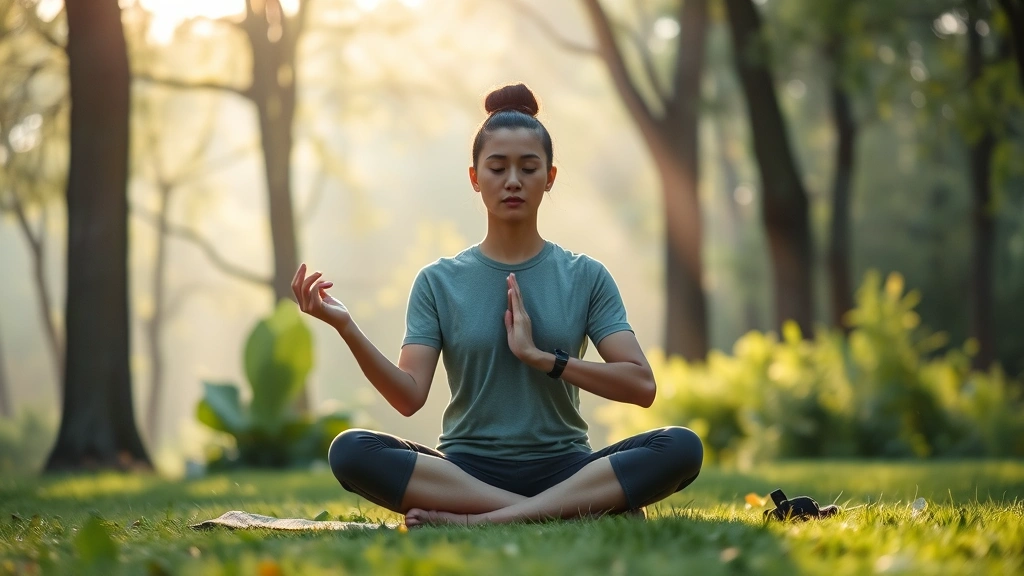
Mindfulness Meditation: Can It Boost Mental Health? Experts Weigh In
Mindfulness meditation has emerged as one of the most researched and widely recommended practices for improving mental health outcomes. From corporate wellness programs to clinical therapeutic settings, meditation techniques are gaining mainstream acceptance as evidence-based interventions for anxiety, depression, and stress management. But what does the science actually tell us about its effectiveness, and how does it compare to traditional therapeutic approaches like cognitive behavioral therapy for general anxiety disorder?
Mental health professionals increasingly recognize that a comprehensive approach to wellness often combines multiple modalities. While some individuals benefit from speech therapy near me for communication-related anxiety or from structured therapeutic interventions, others find that mindfulness practices serve as powerful complementary tools. This article explores the scientific evidence behind mindfulness meditation, examines expert perspectives, and discusses how it integrates into broader mental health treatment strategies.

Understanding Mindfulness Meditation
Mindfulness meditation represents a form of mental training that emphasizes present-moment awareness without judgment. Rooted in Buddhist traditions spanning thousands of years, modern mindfulness has been secularized and adapted for Western clinical and wellness contexts. The practice involves directing attention to breath, bodily sensations, thoughts, or emotions while maintaining a non-reactive, observational stance.
The fundamental principle underlying mindfulness is that much of our psychological suffering stems from rumination about the past or anxiety about the future. By anchoring awareness in the present moment, practitioners develop greater psychological flexibility and resilience. This approach complements traditional therapy resources available through professional mental health services, offering individuals an accessible tool they can practice independently between sessions.
Key components of mindfulness meditation include sustained attention, emotional regulation, and meta-awareness—the ability to observe one’s own mental processes. These elements work synergistically to create measurable changes in how individuals relate to their thoughts and emotions. Research has demonstrated that even brief daily practice can yield significant psychological benefits within weeks.
Scientific Evidence Supporting Mental Health Benefits
Over the past two decades, rigorous scientific research has accumulated substantial evidence supporting mindfulness meditation’s effectiveness for mental health. The American Psychological Association recognizes mindfulness-based interventions as empirically supported treatments for several mental health conditions.
A landmark meta-analysis published in JAMA Psychiatry examined 47 clinical trials involving over 3,500 participants and found that mindfulness meditation showed moderate evidence of improving anxiety and depression outcomes. The effect sizes were comparable to antidepressant medications for some populations, though researchers emphasized that meditation and medication often work best in combination rather than as competing alternatives.
The National Institute of Mental Health has funded numerous studies demonstrating mindfulness effectiveness. One significant finding involves mindfulness-based cognitive therapy (MBCT), which combines meditation with cognitive-behavioral principles. MBCT shows particular promise for preventing depressive relapse in individuals with recurrent depression, reducing recurrence rates by up to 50 percent in some studies.
Research from leading institutions including MIT and Stanford has documented that mindfulness meditation produces measurable changes in brain structure and function. These neurobiological changes correlate with improvements in emotional regulation, attention, and overall psychological well-being. The consistency of these findings across diverse populations and research settings strengthens confidence in mindfulness as a legitimate mental health intervention.
How Mindfulness Affects Brain Chemistry
Understanding the neurobiological mechanisms underlying mindfulness benefits provides insight into why this practice produces measurable mental health improvements. Neuroimaging studies reveal that regular meditation practice alters activity patterns in key brain regions involved in emotional processing, self-referential thinking, and attention control.
The default mode network (DMN)—a collection of brain regions active during mind-wandering and self-focused thought—shows reduced activity in experienced meditators. This decreased DMN activity correlates with reduced rumination and anxiety symptoms. Simultaneously, meditation strengthens connectivity between the prefrontal cortex (responsible for rational decision-making) and the amygdala (the brain’s emotional center), enabling better emotional regulation.
Mindfulness practice also influences neurotransmitter systems. Regular meditation increases production of gamma-aminobutyric acid (GABA), a neurotransmitter that promotes relaxation and reduces anxiety. Simultaneously, meditation modulates serotonin and dopamine systems, which are crucial for mood regulation. These chemical changes provide a biological foundation for the mood improvements many practitioners report.
Additionally, meditation reduces cortisol, the primary stress hormone. Chronic stress elevates cortisol levels, which impairs immune function, disrupts sleep, and exacerbates anxiety and depression. By activating the parasympathetic nervous system (the body’s relaxation response), mindfulness meditation helps restore healthy cortisol patterns and reduces the physiological consequences of chronic stress.
Mindfulness for Anxiety and Stress
Anxiety disorders represent among the most prevalent mental health conditions, affecting millions worldwide. Mindfulness-based stress reduction (MBSR), an eight-week program developed at the University of Massachusetts Medical School, has become one of the most extensively researched mindfulness interventions for anxiety management.
Clinical trials demonstrate that MBSR significantly reduces anxiety symptoms across various populations, including individuals with generalized anxiety disorder, social anxiety, and panic disorder. The program combines meditation, body awareness exercises, and yoga to cultivate present-moment awareness and stress resilience. Participants typically practice daily and attend weekly group sessions.
The mechanism through which mindfulness reduces anxiety involves changing one’s relationship with anxious thoughts and sensations. Rather than fighting anxiety or attempting to eliminate anxious thoughts, mindfulness teaches individuals to observe these experiences with curiosity and non-judgment. This shift in perspective reduces the secondary anxiety that often accompanies initial anxiety symptoms—anxiety about anxiety—which can amplify overall distress.
For individuals seeking additional support, how much is therapy varies considerably, but mindfulness offers an accessible, low-cost complement to professional treatment. Many therapists integrate mindfulness techniques into sessions, and numerous apps and online resources provide guided meditations at minimal cost.
Research also shows mindfulness particularly effective for performance anxiety, social anxiety, and test anxiety. Students and professionals using mindfulness report improved focus, reduced worry, and enhanced performance in high-pressure situations. The practice essentially trains the nervous system to respond to stress with greater equanimity and clarity.
Depression Management Through Meditation
Depression presents unique challenges for treatment, as it often involves both mood symptoms and cognitive patterns like rumination and negative self-perception. Mindfulness-based cognitive therapy (MBCT) specifically targets these depression-related processes by combining meditation with cognitive-behavioral strategies.
Clinical trials show MBCT reduces depressive relapse rates significantly. In one landmark study, individuals with three or more previous depressive episodes who completed MBCT showed only 36 percent relapse rates over 60 weeks, compared to 76 percent in the control group. This remarkable effect demonstrates mindfulness’s utility for preventing depressive recurrence, a crucial goal given depression’s chronic and recurrent nature.
The rumination-reduction mechanism appears central to mindfulness’s antidepressant effects. Depression typically involves persistent negative thinking patterns where individuals rehearse failures, anticipate future problems, and engage in self-criticism. Mindfulness training teaches individuals to recognize these rumination patterns and shift attention to present-moment experience, breaking the cycle of depressive thinking.
Additionally, meditation cultivates self-compassion—a protective factor against depression. Rather than harsh self-judgment characteristic of depression, mindfulness encourages treating oneself with kindness and understanding. Research shows that individuals who develop greater self-compassion through meditation demonstrate reduced depressive symptoms and improved resilience to future stressors.
Integrating Mindfulness with Professional Treatment
While mindfulness offers significant benefits, mental health experts emphasize that it functions best as part of comprehensive treatment rather than as a standalone intervention. Individuals with moderate to severe mental illness benefit from combining mindfulness with professional therapeutic support from qualified mental health providers.
Many therapists now integrate mindfulness into evidence-based treatments like cognitive-behavioral therapy. This integration creates a powerful combination where cognitive restructuring addresses thought patterns while mindfulness develops the metacognitive awareness to observe thoughts without automatically believing them. The synergy between these approaches often produces superior outcomes compared to either approach alone.
For individuals with communication-related anxiety or those recovering from conditions affecting speech, combining mindfulness with professional support like speech therapy near me addresses both the psychological and functional dimensions of their challenges. Similarly, individuals managing complex conditions benefit from integrated approaches combining mindfulness with specialized therapies.
The American Psychological Association Monitor regularly features articles highlighting how mindfulness research continues expanding, with new applications emerging for trauma, ADHD, chronic pain, and other conditions. This ongoing research validates mindfulness as a legitimate clinical tool deserving professional integration.
Importantly, certain populations require caution with meditation. Individuals with active psychosis, severe dissociation, or recent trauma may need modified approaches or professional guidance before beginning intensive meditation practice. This reality underscores why consulting qualified mental health professionals remains essential, particularly for individuals with complex presentations.
Practical Implementation Strategies
For individuals interested in beginning mindfulness practice, several practical strategies support successful implementation. Starting with brief sessions—even five to ten minutes daily—produces benefits and builds the habit more effectively than attempting lengthy sessions that become burdensome.
Guided meditation apps and resources offer accessible entry points for beginners. Popular apps like Calm, Insight Timer, and Headspace provide structured programs addressing specific concerns like anxiety, sleep, or focus. Many include free content alongside premium features, making mindfulness accessible regardless of budget.
Establishing a consistent practice routine proves more important than session length. Meditating at the same time daily—perhaps during morning coffee or before bed—helps integrate the practice into daily life. Many practitioners find that consistency matters more than perfection; even imperfect daily practice outperforms sporadic longer sessions.
Body scan meditation represents an excellent starting point, particularly for individuals new to meditation. This practice involves systematically directing attention through different body regions, noticing sensations without trying to change them. Body scans develop present-moment awareness while proving less mentally demanding than breath-focused meditation for beginners.
Mindful movement practices like yoga or tai chi provide alternative entry points for kinesthetically-oriented individuals. These practices combine physical movement with meditative awareness, offering benefits similar to seated meditation while feeling more intuitive for some people. Many occupational therapy jobs now include wellness components where professionals incorporate mindfulness and movement practices.
For individuals managing specific mental health conditions, working with therapists trained in mindfulness-based interventions ensures appropriate application. These professionals can tailor practice recommendations to individual circumstances and monitor progress systematically. This professional guidance distinguishes clinical mindfulness applications from general wellness practices.
Joining mindfulness groups or meditation communities provides social support and accountability. Many communities offer free or low-cost meditation groups meeting regularly. The collective practice environment often deepens individual commitment and provides opportunities to learn from experienced practitioners.
Tracking practice and benefits through journaling helps maintain motivation and clarify what works individually. Different meditation styles and durations produce varying effects; personalized experimentation guided by self-reflection enables individuals to optimize their practice over time.
FAQ
Can mindfulness meditation replace psychiatric medication?
While mindfulness shows effectiveness comparable to medication for mild to moderate anxiety and depression, mental health professionals generally recommend against stopping prescribed medications without professional guidance. For many individuals, combining meditation with appropriate medication produces superior outcomes than either alone. Always consult your prescribing physician before making medication changes.
How long before mindfulness produces mental health benefits?
Some individuals notice improvements in stress and mood within days of beginning practice. However, more substantial changes typically emerge after consistent practice over several weeks or months. Research suggests that practicing 20-30 minutes daily for 8 weeks produces measurable brain changes and symptom improvements.
Is mindfulness meditation suitable for everyone?
While generally safe, certain populations require modified approaches or professional guidance. Individuals with active psychosis, severe dissociation, or recent trauma should work with qualified mental health professionals before beginning intensive meditation. Additionally, some individuals experience challenging emotions during meditation that benefit from professional support to process.
What’s the difference between mindfulness and meditation?
Mindfulness represents a quality of present-moment awareness that can be cultivated through meditation practice and also integrated into daily activities. Meditation provides a formal practice structure for developing mindfulness. You can practice mindfulness while eating, walking, or listening to others, whereas meditation typically involves dedicated practice sessions.
How does mindfulness compare to other therapy approaches?
Mindfulness works best as part of comprehensive treatment rather than as a replacement for evidence-based therapies. Cognitive behavioral therapy for general anxiety disorder addresses specific thought and behavior patterns, while mindfulness develops overall emotional regulation and resilience. Many modern approaches combine both methodologies.
Can children and adolescents benefit from mindfulness?
Extensive research demonstrates mindfulness benefits for young people, with school-based programs showing improvements in attention, emotional regulation, and academic performance. Age-appropriate adaptations make mindfulness accessible to children as young as five or six, though guided instruction by trained professionals optimizes outcomes.
What resources help beginners start mindfulness practice?
The Mindful.org website offers free articles, research summaries, and practice guides. Additionally, consulting the therapy resources available through professional mental health providers often includes mindfulness recommendations tailored to individual needs. Many therapists provide guided recordings or practice recommendations during sessions.