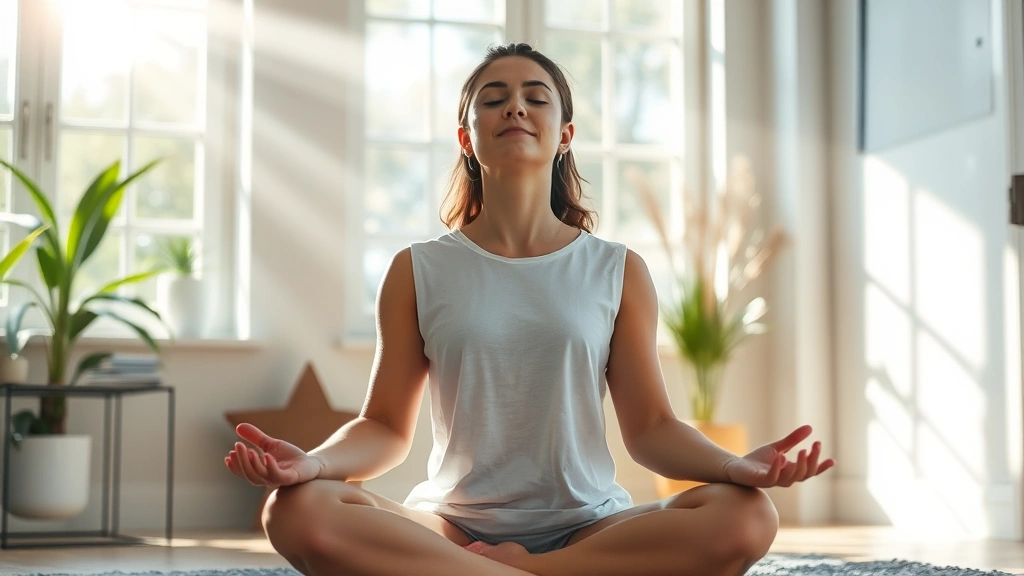
How Does Mindfulness Boost Mental Health? Experts Weigh In
Mindfulness has emerged as one of the most researched and evidence-based approaches to improving mental health in the modern era. From reducing anxiety and depression to enhancing emotional resilience, the practice of bringing conscious attention to the present moment has demonstrated remarkable therapeutic potential. Mental health professionals, neuroscientists, and wellness experts increasingly recognize mindfulness not as a trend, but as a scientifically validated intervention that complements traditional therapy and treatment modalities.
The integration of mindfulness into mental health care represents a paradigm shift in how we approach psychological well-being. Whether used alongside speech therapy services or as a standalone practice, mindfulness techniques help individuals develop greater awareness of their thoughts, emotions, and physical sensations. This heightened awareness creates space for choice and change, allowing people to respond to life’s challenges more effectively rather than react automatically.
What Is Mindfulness and How Does It Work?
Mindfulness is the practice of maintaining moment-to-moment awareness of our thoughts, feelings, bodily sensations, and surrounding environment with an attitude of openness and non-judgment. Rather than getting caught in rumination about the past or anxiety about the future, mindfulness anchors us in the present moment. This simple yet powerful shift in attention has profound implications for mental health and overall well-being.
The mechanism behind mindfulness’s effectiveness lies in its ability to interrupt automatic thought patterns and habitual responses. When we practice mindfulness, we create a psychological distance from our thoughts, recognizing them as mental events rather than absolute truths. This metacognitive awareness—thinking about thinking—allows us to examine our mental processes with curiosity rather than judgment. According to Mindful magazine, this fundamental shift enables individuals to develop healthier relationships with their internal experiences.
Mindfulness differs from meditation, though the two are often used interchangeably. While meditation is a formal practice typically involving sitting quietly and focusing attention, mindfulness is a quality of awareness that can be cultivated throughout daily activities. You can practice mindfulness while eating, walking, listening to others, or engaging in any activity by bringing full attention and presence to the experience.

The Neuroscience Behind Mindfulness
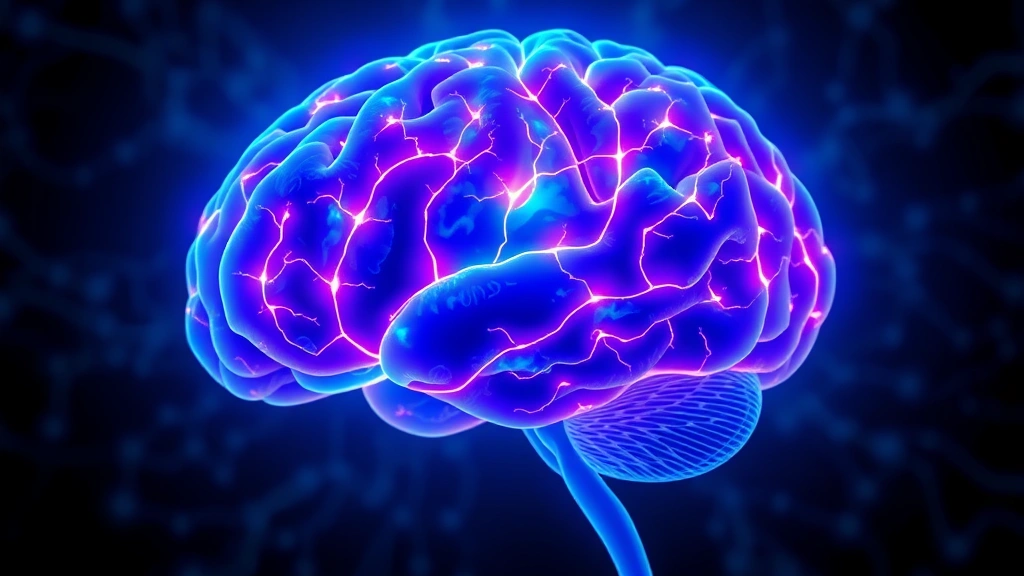
Neuroscientific research has revealed that mindfulness produces measurable changes in brain structure and function. Studies using functional MRI (fMRI) and other neuroimaging techniques demonstrate that regular mindfulness practice strengthens neural pathways associated with attention, emotional regulation, and self-awareness while reducing activity in the default mode network—the brain system implicated in rumination and self-referential thinking.
One of the most significant findings concerns the amygdala, the brain region responsible for processing fear and emotional responses. Research from the Center for Mindfulness at the University of Massachusetts Medical School shows that consistent mindfulness practice reduces amygdala volume and decreases the reactivity of this stress-sensitive region. Simultaneously, mindfulness strengthens the prefrontal cortex, which governs rational thinking, decision-making, and emotional regulation. This neurological rebalancing explains why mindfulness practitioners report greater emotional stability and resilience.
Additionally, mindfulness practice increases gray matter density in regions associated with learning, memory, and emotional processing. These structural changes correlate with improvements in attention span, emotional intelligence, and psychological well-being. The American Psychological Association has published extensive research documenting these neurobiological mechanisms, confirming that mindfulness produces lasting changes at the cellular level.
The practice also influences the autonomic nervous system, shifting individuals from sympathetic activation (fight-or-flight response) toward parasympathetic activation (rest-and-digest response). This physiological shift reduces cortisol and other stress hormones while increasing heart rate variability—a marker of nervous system flexibility and emotional resilience.
Mindfulness for Anxiety and Stress Reduction
Anxiety disorders represent some of the most common mental health conditions, affecting millions of individuals worldwide. Mindfulness-based approaches have emerged as highly effective interventions for reducing anxiety symptoms and preventing relapse. Unlike pharmacological interventions, mindfulness addresses the root mechanisms of anxiety by changing how individuals relate to anxious thoughts and bodily sensations.
When anxiety arises, our natural tendency is to avoid or suppress the uncomfortable sensations. This avoidance paradoxically strengthens anxiety by reinforcing the belief that these sensations are dangerous and intolerable. Mindfulness teaches a different approach: observing anxiety with compassionate curiosity rather than resistance. By sitting with anxiety and noticing its qualities without judgment, individuals discover that these sensations naturally fluctuate and diminish when not fed by avoidance or rumination.
Mindfulness-Based Stress Reduction (MBSR), a structured eight-week program developed by Jon Kabat-Zinn, has become a gold standard intervention for anxiety and chronic stress. Clinical trials demonstrate that MBSR reduces anxiety symptoms as effectively as some medications for certain populations. The program combines mindfulness meditation, body awareness exercises, and yoga to cultivate present-moment awareness and stress resilience.
For individuals experiencing work-related stress or social anxiety, mindfulness provides practical tools for managing acute stress responses. Techniques such as the “5-4-3-2-1” sensory grounding exercise and brief breathing practices can be deployed in real-time situations to interrupt the anxiety cycle. Those seeking professional support might benefit from exploring therapy cost options for mindfulness-based interventions delivered by trained therapists.
Depression Management Through Mindful Practices
Depression fundamentally involves rumination—repetitive, negative thinking about one’s past failures, inadequacies, and hopelessness. Mindfulness directly counteracts this rumination by training attention away from depressive thought spirals and toward present-moment experience. Mindfulness-Based Cognitive Therapy (MBCT), originally developed for relapse prevention in depression, combines mindfulness practices with cognitive therapy principles to address both the emotional and thought patterns underlying depression.
Research published in major psychiatric journals demonstrates that MBCT reduces depression relapse rates by approximately 50% in individuals with recurrent depression. The program teaches individuals to recognize early warning signs of depressive episodes and to respond with mindfulness practices rather than allowing negative thoughts to escalate into full depressive episodes.
One mechanism through which mindfulness alleviates depression involves increasing self-compassion and reducing self-criticism. Depressed individuals typically engage in harsh self-judgment and rumination about personal shortcomings. Mindfulness cultivates a different relationship with these thoughts, recognizing them as mental phenomena rather than accurate reflections of reality. This shift from self-judgment to self-compassion represents a fundamental change in how individuals relate to themselves.
The anhedonia characteristic of depression—the inability to experience pleasure—can also be addressed through mindfulness. By bringing full, non-judgmental attention to everyday experiences, individuals rediscover the capacity for satisfaction and joy. Mindful eating, mindful walking, and mindful social connection help restore engagement with life’s simple pleasures.
Mindfulness in Professional Therapy Settings
Mental health professionals increasingly integrate mindfulness into evidence-based therapeutic modalities. Therapists trained in mindfulness-based approaches help clients develop awareness of thought patterns, emotional triggers, and behavioral responses. This integration enhances the effectiveness of traditional talk therapy by providing concrete skills and practices clients can implement between sessions.
Within clinical settings, mindfulness serves multiple functions. For individuals with trauma histories, mindfulness helps develop a sense of safety in the present moment, counteracting the hypervigilance characteristic of post-traumatic stress. For those with personality disorders or emotional dysregulation, mindfulness builds the capacity to observe intense emotions without acting on them impulsively. Therapists working with clients managing chronic conditions often incorporate mindfulness to address the psychological impact of physical health challenges.
Mindfulness-based interventions also benefit individuals in occupational therapy and rehabilitation settings, where clients recovering from injuries or managing disabilities benefit from improved emotional regulation and coping skills. The practice complements physical and occupational rehabilitation by addressing the psychological dimensions of recovery.
Professional mindfulness facilitators undergo extensive training to deliver these practices safely and effectively. Mental health providers recognize that while mindfulness is powerful, it requires proper instruction, especially for individuals with trauma or severe mental illness who may need specialized guidance.
Practical Mindfulness Techniques Anyone Can Use
Mindfulness need not require special training or extensive time commitments. Several evidence-based techniques are accessible to anyone interested in cultivating present-moment awareness:
- Mindful Breathing: The foundation of most mindfulness practices, mindful breathing involves focusing attention on the natural rhythm of breath without attempting to change it. Even five minutes daily produces measurable stress reduction.
- Body Scan Meditation: This practice involves systematically directing attention through different body regions, noticing sensations without judgment. Body scans reduce tension, increase body awareness, and facilitate deep relaxation.
- Mindful Movement: Practices like yoga, tai chi, and mindful walking combine physical movement with present-moment attention, providing both physical and mental health benefits.
- Loving-Kindness Meditation: This practice cultivates compassion by directing well-wishes toward oneself and others, effectively reducing negative emotions and increasing emotional warmth.
- Mindful Eating: By bringing full attention to taste, texture, and sensations while eating, individuals enhance digestion, reduce overeating, and increase satisfaction from meals.
- Mindfulness of Thoughts: Rather than trying to empty the mind, this practice involves observing thoughts as they arise, recognizing them as temporary mental events that don’t require action or belief.
The key to successful mindfulness practice is consistency rather than duration. Short daily practices prove more beneficial than occasional longer sessions. Starting with just five to ten minutes daily establishes the habit and allows benefits to accumulate over time.
Combining Mindfulness with Other Therapeutic Approaches
While mindfulness proves effective as a standalone intervention, its benefits multiply when combined with other therapeutic modalities. Cognitive-behavioral therapy (CBT) pairs naturally with mindfulness, as both approaches involve observing and modifying thought patterns. Therapists often teach mindfulness skills to enhance CBT’s effectiveness in addressing anxiety, depression, and behavioral issues.
For individuals exploring comprehensive mental health support, combining mindfulness with speech therapy services can address both emotional and communicative dimensions of well-being. Additionally, those interested in exploring diverse therapeutic options might investigate red light therapy options as complementary treatments.
Mindfulness also integrates effectively with pharmacological treatments. Individuals taking psychiatric medications benefit from mindfulness practices that enhance medication effectiveness and provide additional coping tools. This integrated approach addresses mental health from multiple angles—biological, psychological, and behavioral—producing superior outcomes compared to single-modality treatment.
For those interested in comprehensive mental health information and resources, the MindLift Daily Blog offers extensive therapy resources and evidence-based information about various treatment approaches. Professionals working in occupational therapy and other therapeutic fields increasingly recognize mindfulness as an essential skill to teach and model for clients.
Mindfulness also complements lifestyle interventions including exercise, sleep optimization, and social connection. These various approaches work synergistically, with mindfulness enhancing motivation and consistency for other healthy practices while other interventions support the physiological foundations for mental health.
FAQ
How long does it take for mindfulness to improve mental health?
Some individuals notice benefits after just one or two weeks of consistent practice, while others require several weeks or months to experience significant changes. Most research suggests that eight weeks of regular mindfulness practice produces measurable improvements in anxiety, depression, and stress levels. However, the timeline varies based on individual factors, practice frequency, and baseline mental health status.
Can mindfulness replace psychiatric medication?
Mindfulness works best as a complement to medication rather than a replacement. For moderate to severe mental health conditions, medication often proves necessary and life-saving. Mindfulness enhances medication effectiveness and provides additional coping tools but should not replace professional psychiatric care without explicit guidance from a qualified mental health provider.
Is mindfulness effective for all mental health conditions?
Research strongly supports mindfulness for anxiety, depression, stress, and emotional regulation. Evidence also supports its use for chronic pain, substance use disorders, eating disorders, and trauma-related conditions. However, individuals with certain conditions like active psychosis may require careful guidance or modified approaches. Consulting with a mental health professional ensures mindfulness is appropriately tailored to individual needs.
What’s the difference between mindfulness and relaxation?
While both promote well-being, mindfulness and relaxation differ fundamentally. Relaxation aims to reduce tension and achieve a calm state, often involving techniques like progressive muscle relaxation. Mindfulness, conversely, involves observing whatever arises—including tension or discomfort—with non-judgmental awareness. Mindfulness can incorporate relaxation, but the goal is awareness rather than achieving a particular state.
Can children benefit from mindfulness practices?
Absolutely. Research demonstrates that mindfulness benefits children and adolescents, improving attention, emotional regulation, and academic performance. School-based mindfulness programs show promising results for reducing anxiety and behavioral problems. However, mindfulness practices for children should be age-appropriate and delivered by trained instructors familiar with child development.